Newsletters


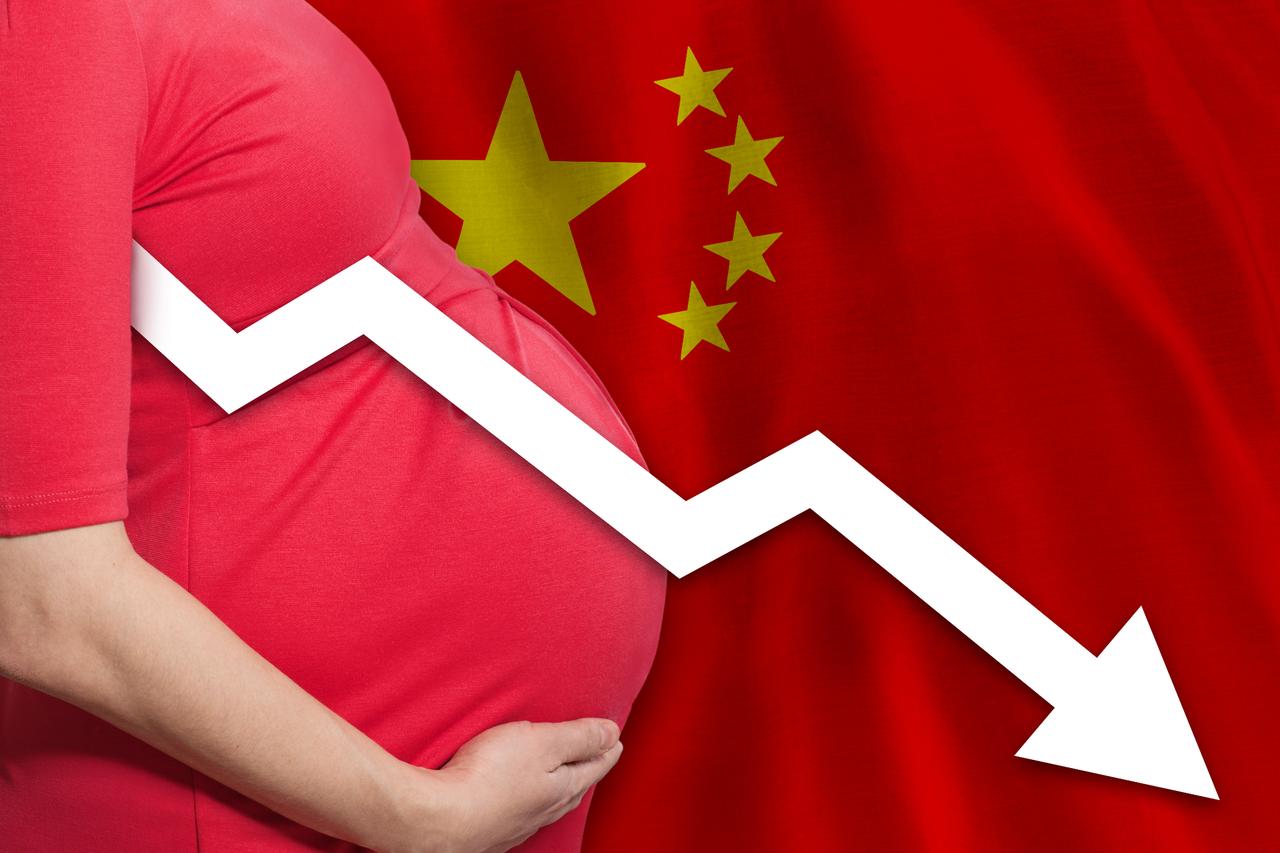


China registered 1.69 million new marriages in Q1 2026, the lowest quarterly figure since the onset of COVID-19 in early 2020.
New marriages in China fell to their lowest level in six years during the first quarter of 2026, according to data from the country's Ministry of Civil Affairs, continuing a demographic trend that has drawn attention from policymakers and analysts.
A total of 1,697,000 couples registered marriages between January and March 2026, representing a 6.24% decline from the 1,810,000 recorded during the same period in 2025.
The figure marks the weakest first-quarter showing since 2020, when large-scale urban lockdowns disrupted daily life across the country at the start of the COVID-19 pandemic.
Divorces also edged lower over the same period. Some 622,000 couples filed for divorce in Q1 2026, down 1.27% compared to the first quarter of 2025.

Marriage figures are closely watched as a leading indicator of birth trends, given that new registrations in a given year typically feed into birth numbers the following year.
The latest data follows a record low for annual marriages in 2024, when 6.1 million couples registered. This was the lowest figure since 1980.
The country's birth rate fell to 5.63 per thousand in 2025, the lowest since national records began in 1949.
China's population has been shrinking since 2022, a decline now in its fourth consecutive year. The mainland population stood at 1,404,890,000 in 2025, down from 1,408,280,000 in 2024.
The country's demographic pressures are rooted in decades of restrictive family planning. The one-child policy, introduced in the 1980s, was gradually relaxed.
A two-child limit was introduced in 2016, followed by a three-child allowance in 2021, before being fully abolished.
However, the policy shift has not reversed the trend. Younger generations have shown declining interest in marriage and parenthood, with rising living costs and slower economic growth cited as key factors.
Child-rearing expenses have risen sharply in urban centers, where housing, education, and childcare costs weigh heavily on household budgets.
Economists and demographers have noted that financial pressure, rather than legal restrictions, now represents the primary barrier to family formation in China.

The government has introduced various measures to make marriage and parenthood more financially accessible.
Several provincial governments have introduced direct cash payments to families upon the birth of a second or third child, with some municipalities offering monthly subsidies extending through the child's early school years.
Extended maternity and paternity leave has been introduced in a number of regions, and some local authorities have offered housing discounts or priority access to public housing for families with multiple children.
At the national level, officials have called on state media and community organizations to promote a more positive image of marriage and family life, framing demographic recovery as a matter of national importance.
Some cities have set up government-run matchmaking services and organized mass marriage introduction events to address the declining rate of new partnerships among young adults.
Despite the breadth of these initiatives, demographers have cautioned that financial incentives alone are unlikely to shift deeply rooted behavioral changes among younger Chinese.
Surveys conducted in major cities have indicated that many young adults prioritize career development, personal autonomy and financial stability over early marriage, reflecting a broader cultural shift that policy measures have so far struggled to address.


 Set as preferred source
 Set as preferred source



 4 min read