Newsletters


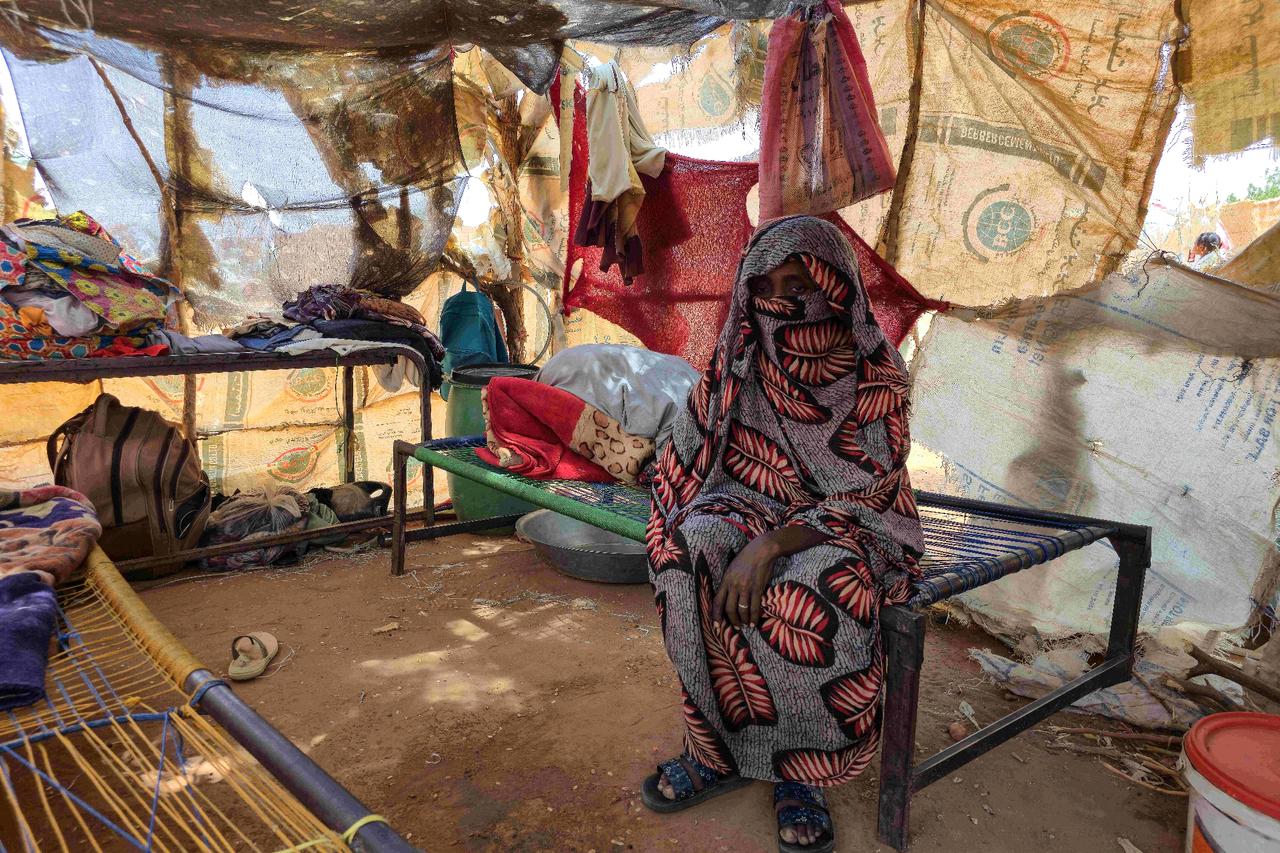


The World Health Organization (WHO) has warned that a resurgent cholera outbreak in Sudan is worsening, with case numbers and deaths expected to rise further once the rainy season begins.
WHO Representative to Sudan Shible Sahbani told a press briefing in Geneva that the outbreak has spread across multiple states, particularly in the Darfur and Kordofan regions.
More than 1,330 confirmed cholera cases and 114 deaths have been recorded so far, Sahbani said. He noted that the true death toll may be higher, citing the hundreds of thousands of people who have fled fighting in North Kordofan and may not be captured in official figures.
According to Sahbani, the case fatality rate for the outbreak has reached 13.7%, a level he described as “extremely high.”
He said the WHO is concerned that the rainy season will accelerate the spread of the disease.
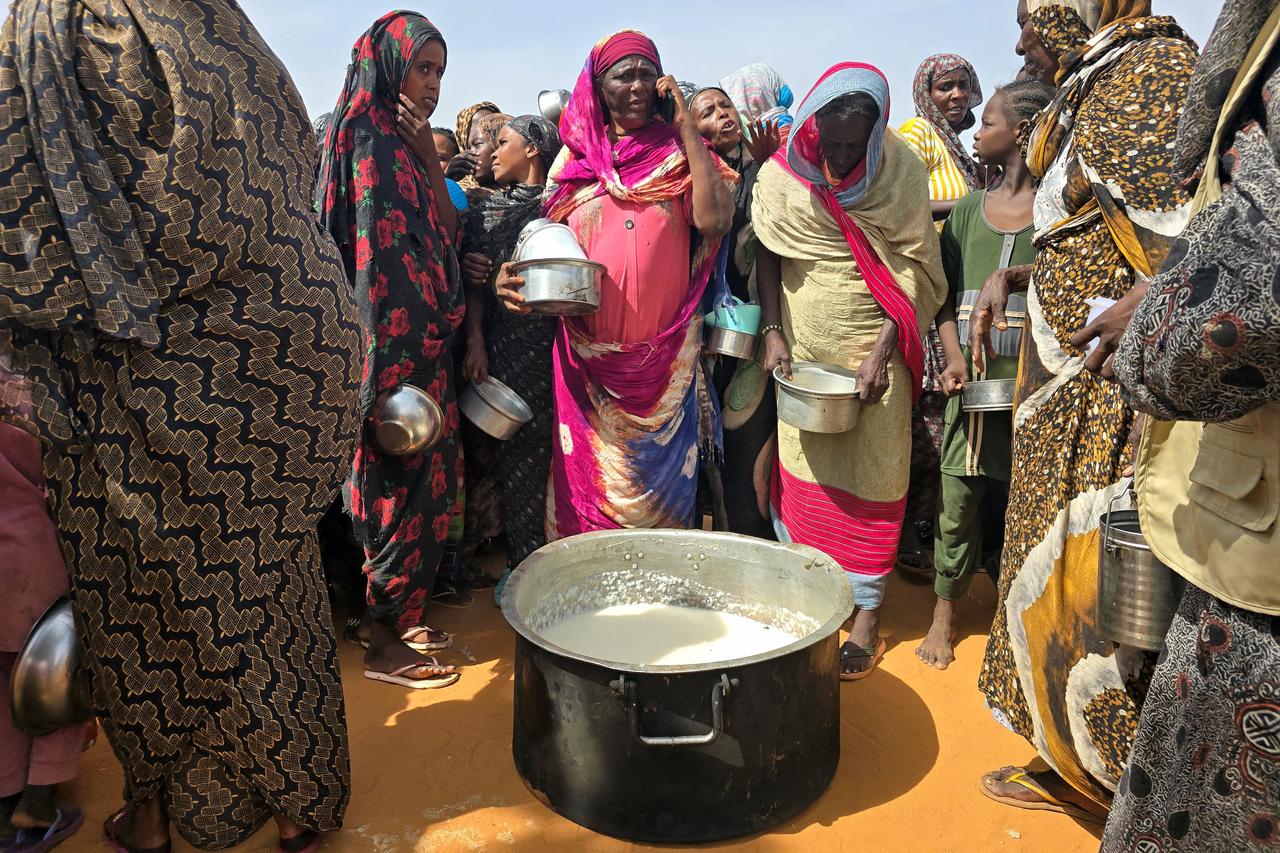

North Kordofan remains a center of fighting between the Sudanese army and the Rapid Support Forces (RSF), Sahbani said, adding that healthcare services in the region are under severe strain.
WHO is particularly concerned about the spread of cholera to El-Obeid, the North Kordofan state capital, Sahbani said.
He added that health facilities there have exceeded capacity and that access to care is severely limited.
WHO has pre-positioned medical supplies in El-Obeid sufficient for more than 25,000 people, according to Sahbani, though he said this falls short of what is needed.
He called on international partners and donors to help deliver additional medical supplies and humanitarian aid to the region.
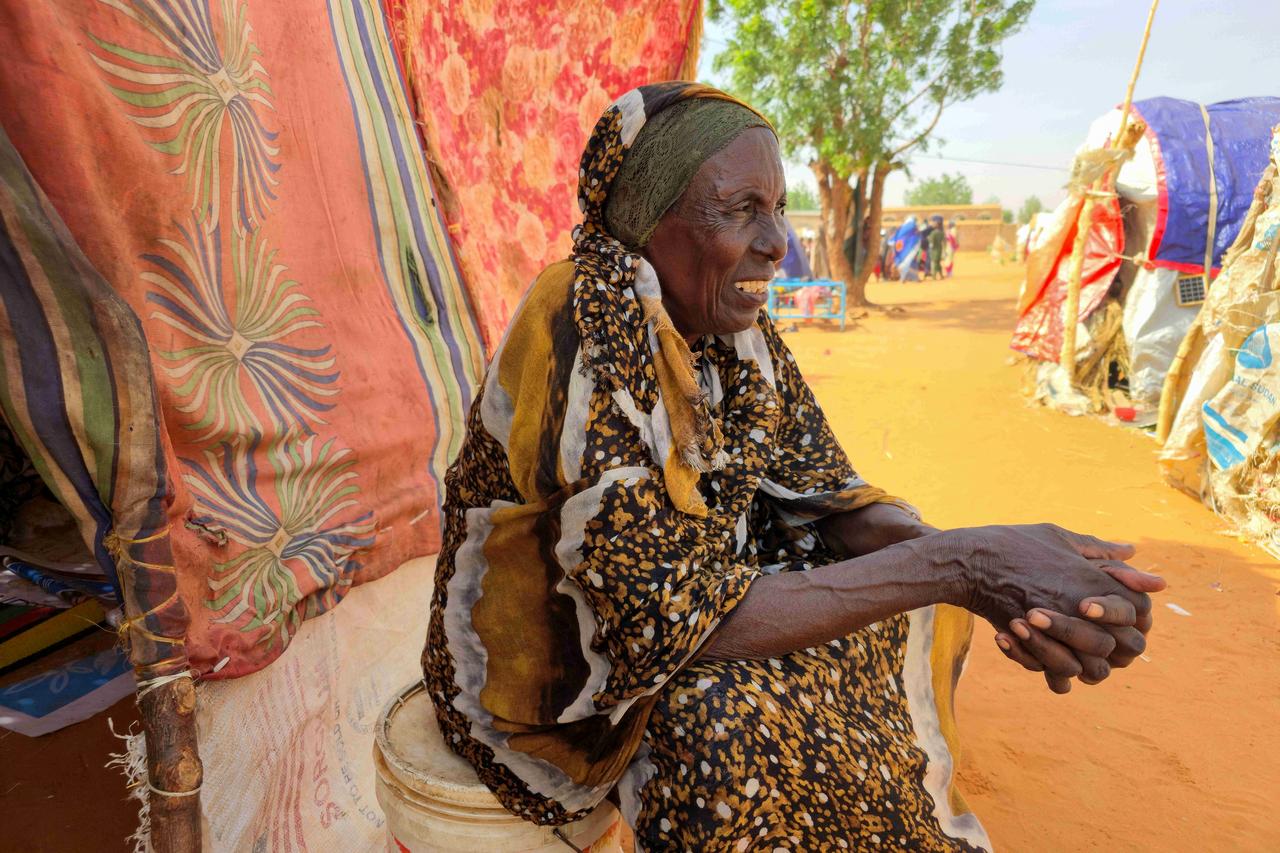
The current outbreak follows a previous cholera wave that spread across all 18 of Sudan's states between July 2024 and March 2026, infecting more than 124,000 people and killing over 3,500, according to government figures cited by WHO.
That outbreak was declared over in March 2026 after 48 days without a reported case, only to be followed by a new outbreak within two months.
WHO has said the country is now facing near-continuous cholera outbreaks, driven by ongoing conflict, restricted access for response teams, and damage to water and sanitation infrastructure.
Sudan's healthcare system has been severely weakened by more than three years of war, with a large share of hospitals only partially functioning or entirely out of service.
The United Nations has described Sudan as the site of the world's largest humanitarian crisis, with more than 33 million people in need of assistance and 13.4 million displaced from their homes.


 Set as preferred source
 Set as preferred source


 2 min read