Newsletters


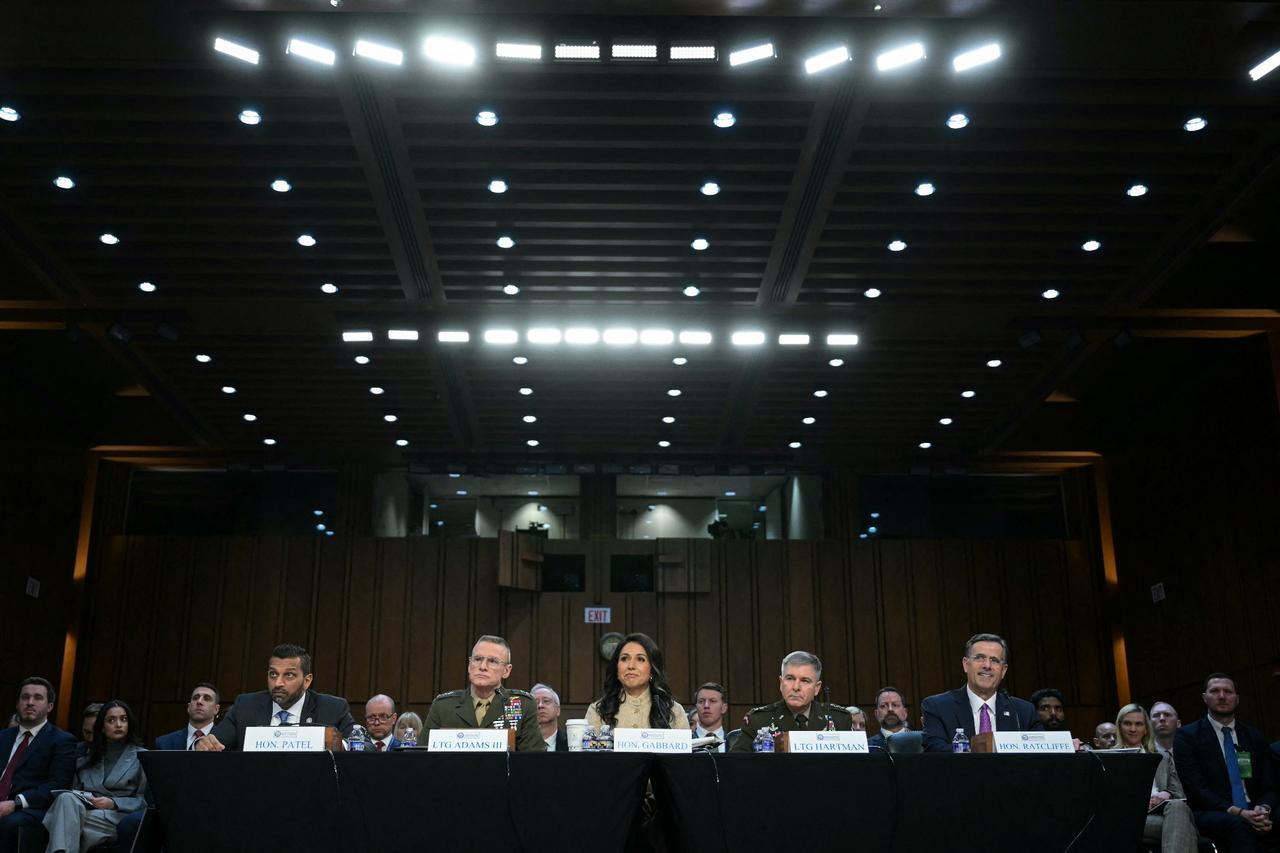


The heads of America's two most powerful intelligence agencies faced pointed questioning from senators on Wednesday over the quality and scope of intelligence assessments that preceded the U.S.-led war on Iran, with CIA Director John Ratcliffe declining to confirm that Iran could have developed a missile capable of threatening the United States within six months.
Testifying before a Senate committee, Ratcliffe acknowledged that an unconstrained Iran could have developed missiles with a range of 3,000 kilometers, enough to reach Europe, and said Tehran would have eventually gained the ability to threaten the U.S. homeland had it continued advancing its booster technologies.
But when Republican Sen. Tom Cotton of Arkansas pressed him on whether that threat could have materialized "in as few as six months," Ratcliffe offered no direct answer, telling the senator only that he was "right to be concerned."
The CIA director provided no specific timeline for when Iran could have threatened either Europe or the United States with such a missile.


Director of National Intelligence Tulsi Gabbard faced similarly aggressive questioning in the same hearing. Democratic Sen. Mark Warner asked Gabbard whether she had warned President Donald Trump about the likelihood that Iran would strike other Gulf nations and threaten shipping through the Strait of Hormuz, a narrow waterway between Iran and Oman through which roughly a fifth of global oil consumption and a quarter of seaborne oil trade flows daily.
Gabbard refused to engage directly. "I have not and won't divulge internal conversations," she said, adding that "those of us within the intelligence community continue to provide the president with all of the best objective intelligence available to inform his decisions."
Warner was visibly frustrated by the non-answer, repeatedly pointing to Trump's own public remarks suggesting the president had not expected Iran to launch attacks on neighboring Gulf states or restrict traffic through the Strait of Hormuz.
The waterway is the primary export route for oil produced by Saudi Arabia, the UAE, Kuwait, Qatar, Iraq, Bahrain, and Iran, and any prolonged disruption can trigger rapid price escalation across global energy and commodity markets.
On the subject of Iran's nuclear program, Gabbard struck a more assertive tone. She told senators that U.S. attacks had "obliterated" Iran's nuclear enrichment program along with buried underground facilities.
She added that the intelligence community had been monitoring whether Iranian leadership would attempt to restart the program but that, so far, no effort to rebuild enrichment capability had been detected.
The claim comes against a backdrop of longstanding uncertainty about the status of Iran's nuclear stockpile.
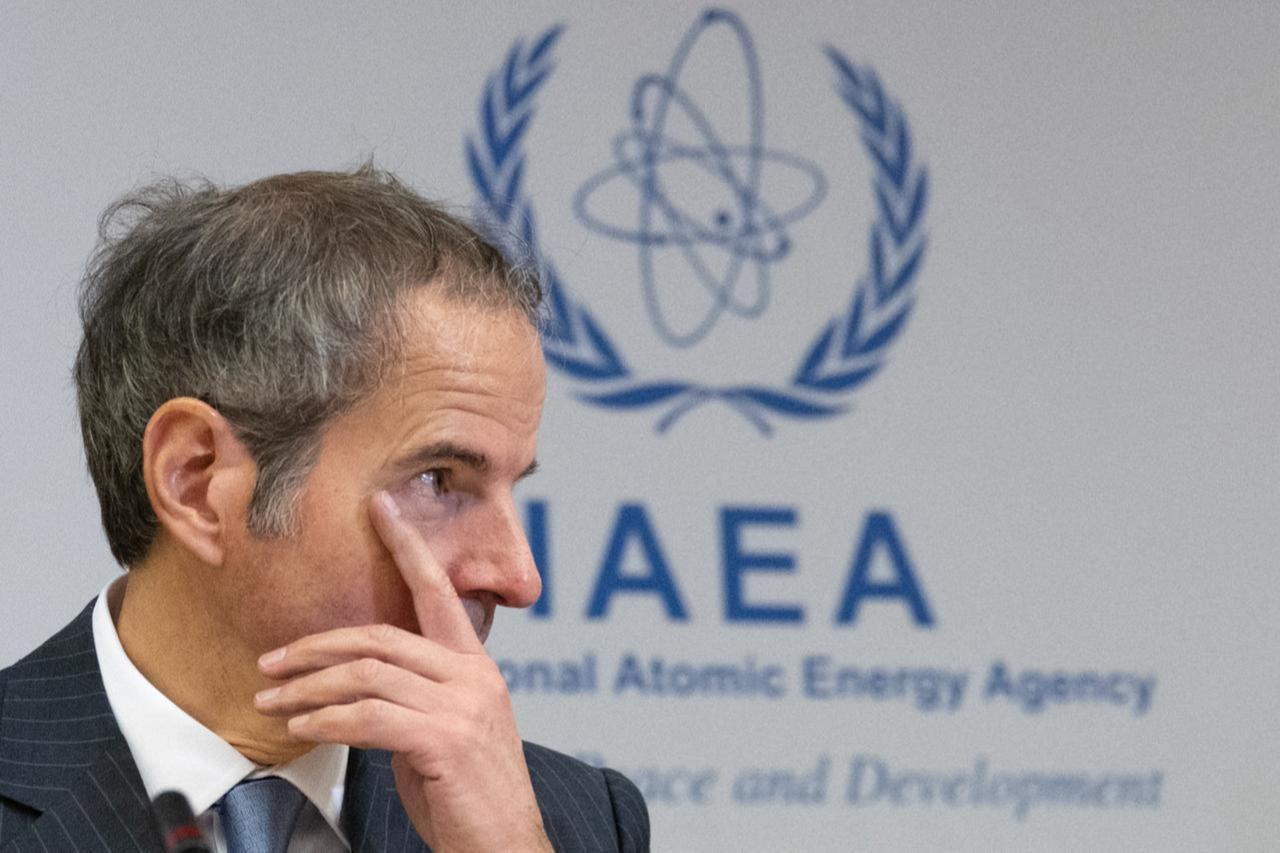
Before the June 2025 strikes during the Twelve-Day War between Israel and Iran, the International Atomic Energy Agency had estimated Iran's stockpile of uranium enriched to 60 percent purity, near weapons grade, at roughly 440 kilograms.
Some of that material is believed to be stored in underground tunnel complexes whose condition remains difficult for outside experts to fully assess.
Perhaps the most significant disclosure to emerge was a detail about the intelligence picture in the days immediately following the launch of the war on February 28.
Administration officials told congressional staff in private briefings that U.S. intelligence did not suggest Iran had been preparing to launch a preemptive strike against the United States, a fact that may complicate the administration's public rationale for the military campaign.
The hearing laid bare a tension between the administration's justifications for war and the intelligence community's own assessments.
The Defense Intelligence Agency concluded in 2025 that it would take Iran at least a decade to develop missiles capable of reaching the United States. The gap between that assessment and the urgency implied by senators like Cotton, as well as the reluctance of both Ratcliffe and Gabbard to provide clear answers, underscored the degree to which the intelligence underpinning the conflict remains a subject of fierce debate in Washington.


 Set as preferred source
 Set as preferred source


 1 min read


 1 min read