Newsletters




The head of the International Atomic Energy Agency said Wednesday that prospects for resuming nuclear negotiations between the United States and Iran have effectively collapsed for the duration of the ongoing military conflict, as Russia issued a sharp condemnation of a strike near Iran's Bushehr nuclear power plant and the status of a new underground enrichment facility remained unknown to international inspectors.
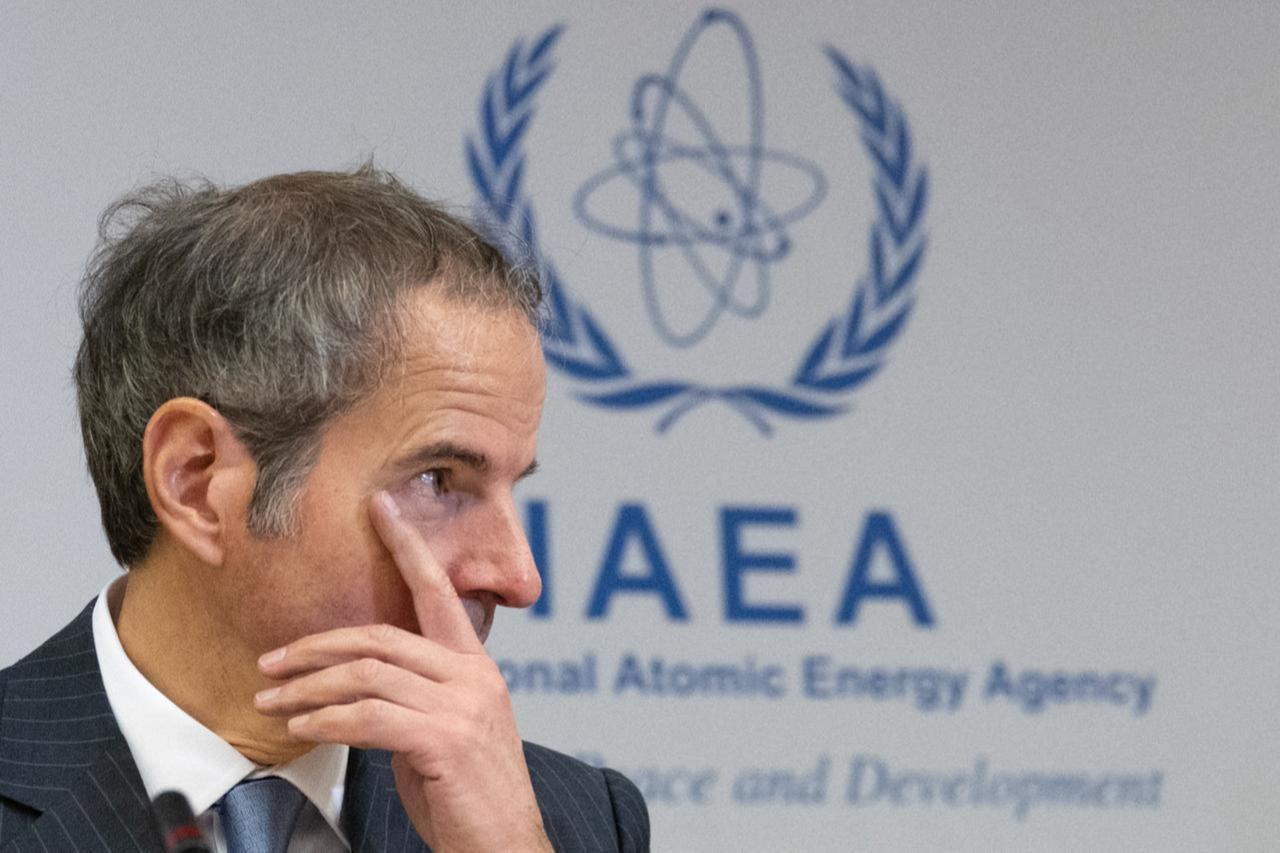
IAEA Director General Rafael Grossi, speaking to reporters in Washington where he is attending a conference and meeting with Trump administration officials, said he sees no realistic path back to diplomacy while hostilities persist. "For as long as there is a military campaign ongoing, I don't think that there would be negotiations," Grossi said, describing a return to the table as not "an immediate possibility."
Grossi participated in portions of the most recent round of talks between Washington and Tehran, which were mediated by Oman and held in Geneva shortly before the war began. He declined to discuss the substance of those discussions.
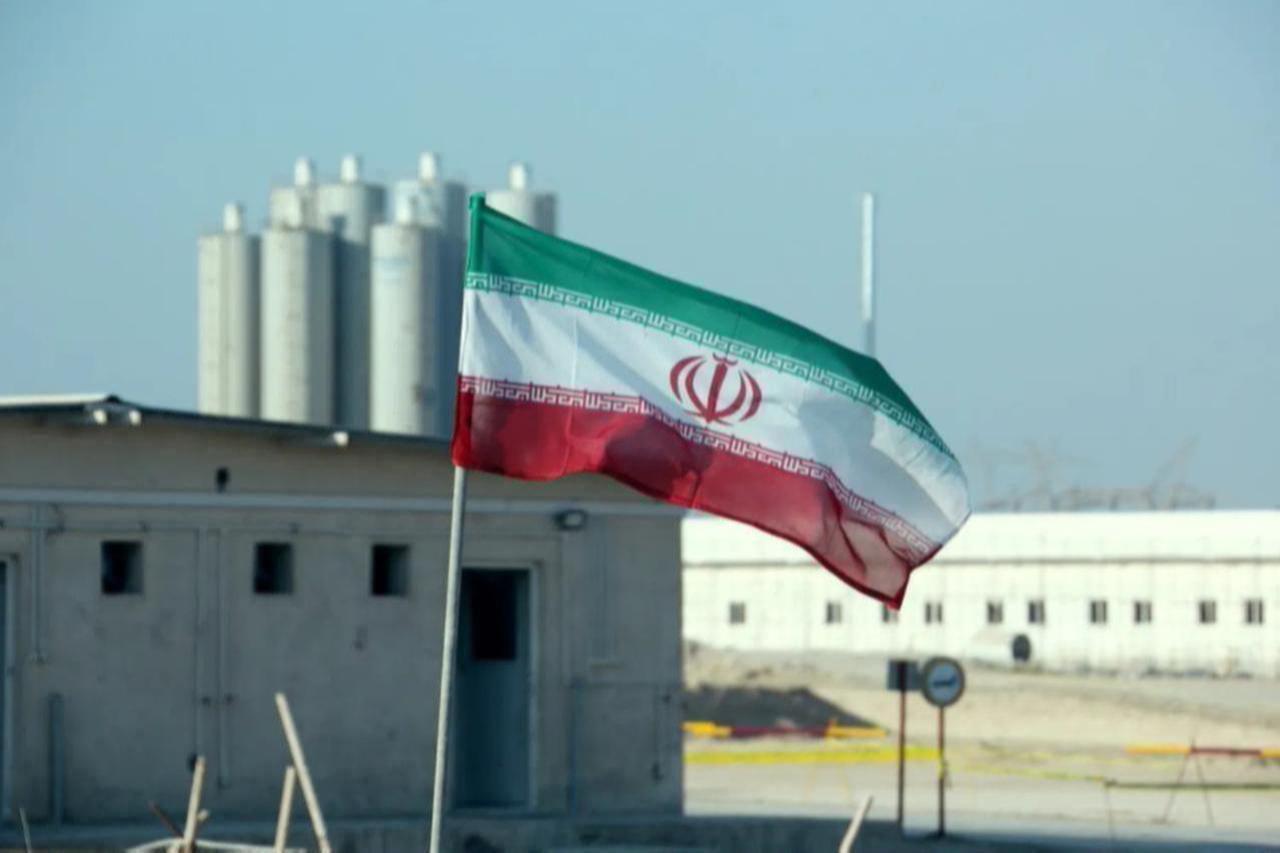

The diplomatic standoff deepened Wednesday as Russia condemned a strike that landed near Iran's Bushehr nuclear power plant the previous day, with Moscow's foreign ministry spokeswoman Maria Zakharova describing the projectile impact as just metres from an operational reactor.
Zakharova called the strike "irresponsible and utterly unacceptable," warning that such attacks created serious radiological risks across the Middle East and carried unpredictable consequences. Russia has deep ties to the Bushehr facility, having built the plant and continuing to help operate and expand it.
Iran reported to the IAEA on Tuesday that the strike caused no damage or injuries. Russia's condemnation included a direct call on the United States and Israel to cease attacks on Iranian nuclear sites.
The Bushehr plant, located on Iran's southern coast along the Persian Gulf, is the country's only operational nuclear power station. It has long been a point of sensitivity in international diplomacy given both its civilian energy function and its symbolic significance in Iran's nuclear program.
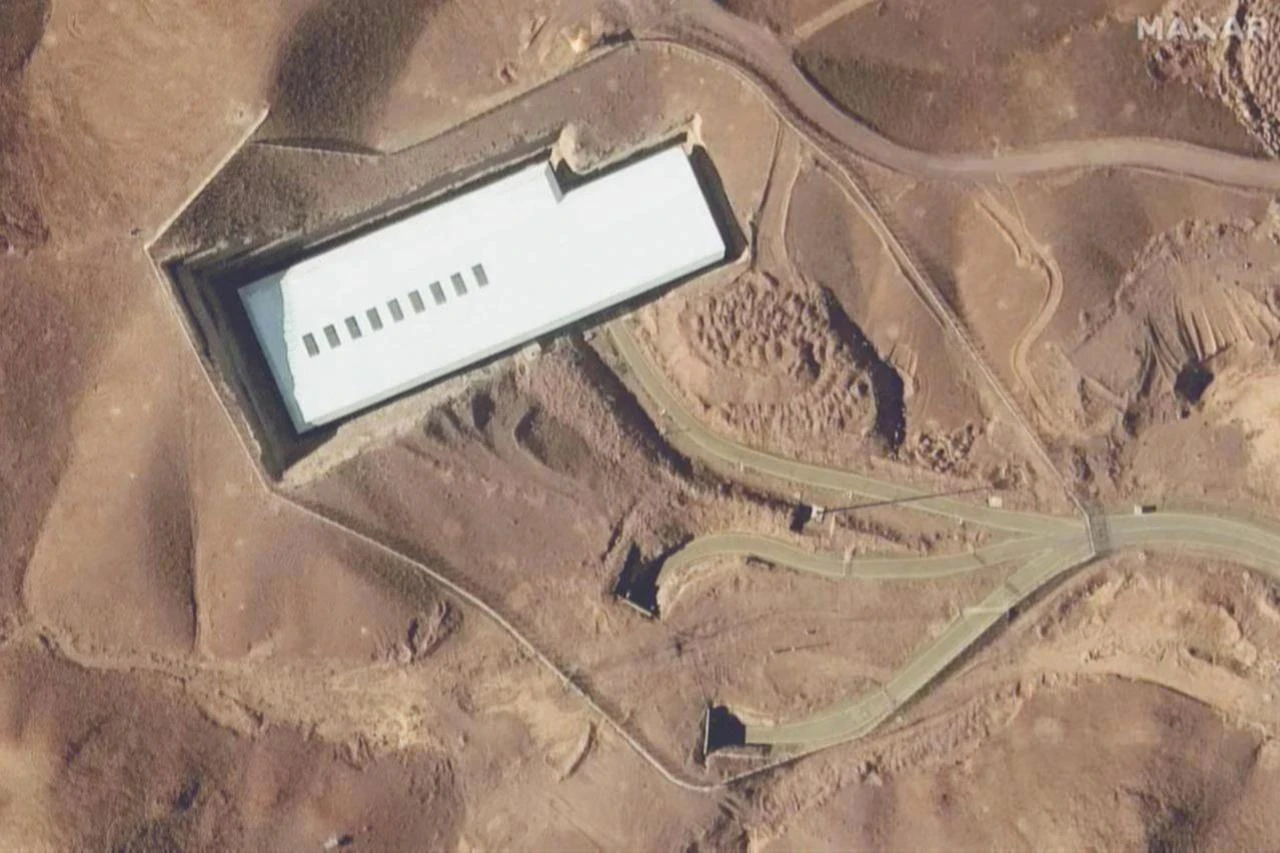
Separately, Grossi revealed that the IAEA still does not know what is inside a new Iranian enrichment facility located within an underground nuclear complex in Isfahan. Iran notified the agency of the site in June, and inspectors traveled to Isfahan later that month, but they were forced to cancel their visit when the complex was struck at the start of the 12-day war with Israel.
Without that inspection, Grossi said, the agency cannot determine whether the facility is "simply an empty hall," whether it contains concrete pads prepared for centrifuge installation, or whether enrichment equipment has already been put in place. "There are many questions that we will only elucidate when we are able to go back," he said.
Centrifuges are the machines used to enrich uranium, a process that can serve both civilian energy production and, at higher levels, weapons development. The degree of activity at Isfahan is a critical unknown for nonproliferation monitors.
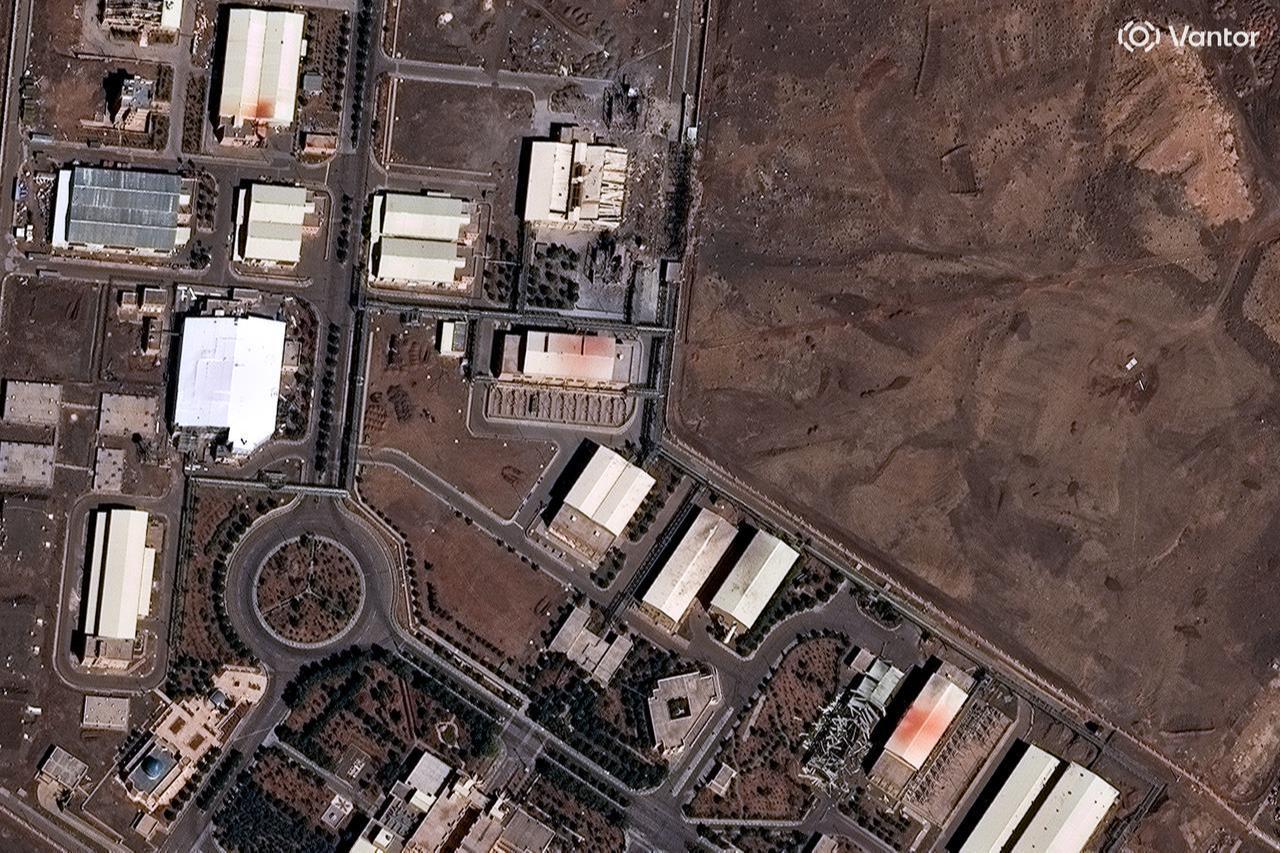
The Isfahan uncertainty is part of a wider picture of disruption to Iran's nuclear infrastructure. The IAEA confirmed on March 3 that entrances to Iran's underground uranium enrichment plant at Natanz were struck during U.S.-Israeli military operations. Natanz, one of Iran's most important nuclear sites, has been a focal point of international concern and past sabotage efforts for over two decades.
The combination of confirmed strikes at Natanz, the incident near Bushehr, and the inaccessibility of the Isfahan site underscores the extent to which the military conflict has upended both Iran's nuclear program and the international community's ability to monitor it.
For Grossi and the IAEA, the immediate challenge is twofold: pressing for inspector access to facilities affected by the fighting and navigating a diplomatic landscape in which the pathway to negotiations appears, for now, firmly closed.


 Set as preferred source
 Set as preferred source


 1 min read
 1 min read