Newsletters


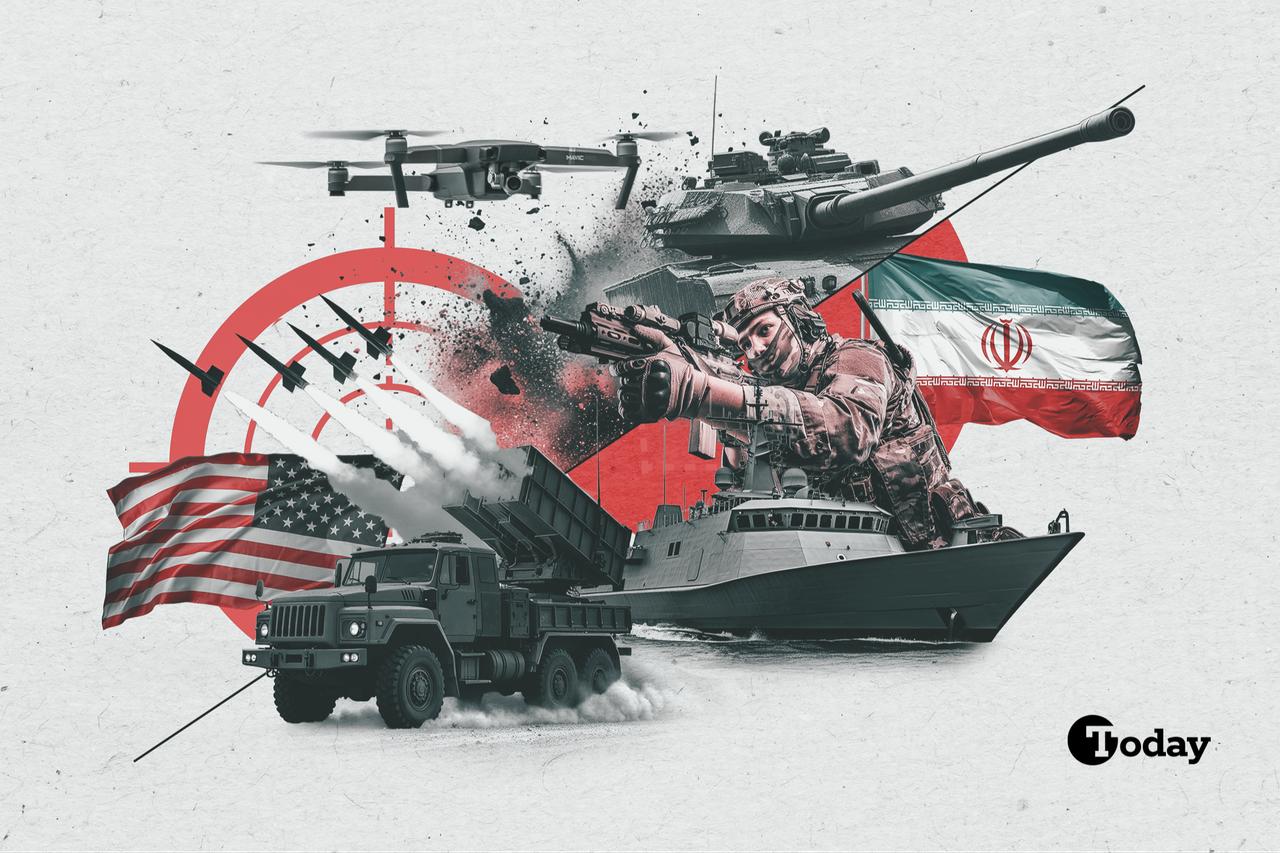


Dozens of ballistic and cruise missiles, interceptor engagements unfolding outside the atmosphere, dramatic fireballs lighting up city skies, and sortie after sortie have once again underscored how decisive aircraft carriers and air power remain in a Middle Eastern conflict.
Yet, as in every war, the course of this conflict will be shaped not only by military platforms but also by intelligence tools and by how effectively they are used.
Reports suggest the assassination of Supreme Leader Ali Khamenei was built on months of CIA signals and human intelligence work, echoing the sustained tracking used in efforts to locate Nicolas Maduro.
Claims that Israeli intelligence monitored Tehran’s urban surveillance cameras further underscored the decisive role of intelligence in this war.
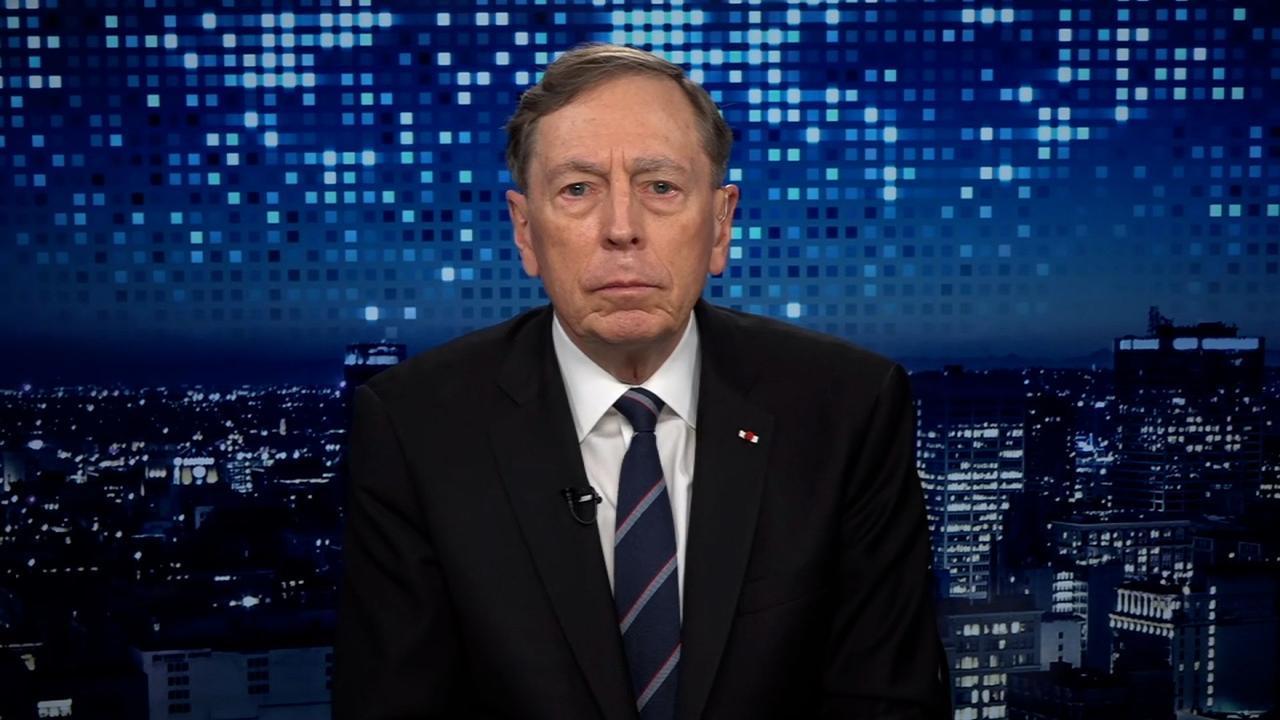

I asked David Petraeus, the retired four-star general, former CIA director and commander of CENTCOM, whether Washington should rely more on military power or intelligence in pursuing Trump’s objectives.
Petraeus does not see the issue as a choice between the two.
“I think that accomplishment of the U.S. and Israeli military missions will require an ‘all of the above’ approach: intelligence from all possible sources, human and technological,” he says, “fused to provide a clear picture of the various elements on the battlefield.”
For Petraeus, intelligence provides the situational awareness needed to apply military force effectively, but such a campaign would still rely heavily on conventional power.
“Employment of very substantial conventional air, maritime, and ground force capabilities of all types, from drones and strikes by B-1, B-2, and B-52 bombers to long-range multiple launch rocket system munitions and air- and sea-launched cruise missiles, and much more,” Petraeus added.
In other words, intelligence may illuminate the battlefield, but only when paired with large-scale conventional power does it shape the campaign.
The Iraq war has become a political curse in modern U.S. politics, a litmus test through which politicians accuse others of supporting the mistake while opponents claim credit for resisting it.
The traumatic legacy of the long U.S. ground presence helps explain today’s deep public aversion to large-scale ground operations. Trump, well aware of this reality, has repeatedly said he does not want to be remembered as another president trapped in a Middle Eastern quagmire.
For now, as in many areas of Trump-era foreign policy, the signals are mixed, with Trump suggesting the war may be nearing its end while the Pentagon says it is only beginning, making forecasts based only on public statements unreliable.
With more than 70% of Americans opposing the deployment of ground troops, and voters remaining focused on inflation, a large-scale ground operation appears unlikely. Furthermore, unlike President Bush, the current president lacks a post-9/11 political climate to justify a new war, making such an escalation difficult to sustain under current conditions.
I put that question to Gen. Petraeus, who also served as commander of Multi-National Force-Iraq.
Petraeus stated clearly that the prospect of a long-term, Iraq-style ground war involving large numbers of U.S. troops remains unlikely.
“I doubt that there will be conventional U.S. military forces on the ground,” he said, “though I can envision small numbers of very experienced special mission operators and elite intelligence paramilitary elements performing some missions.”
He added that such missions would also be carried out “in support of forces that seek to oppose the regime forces.”
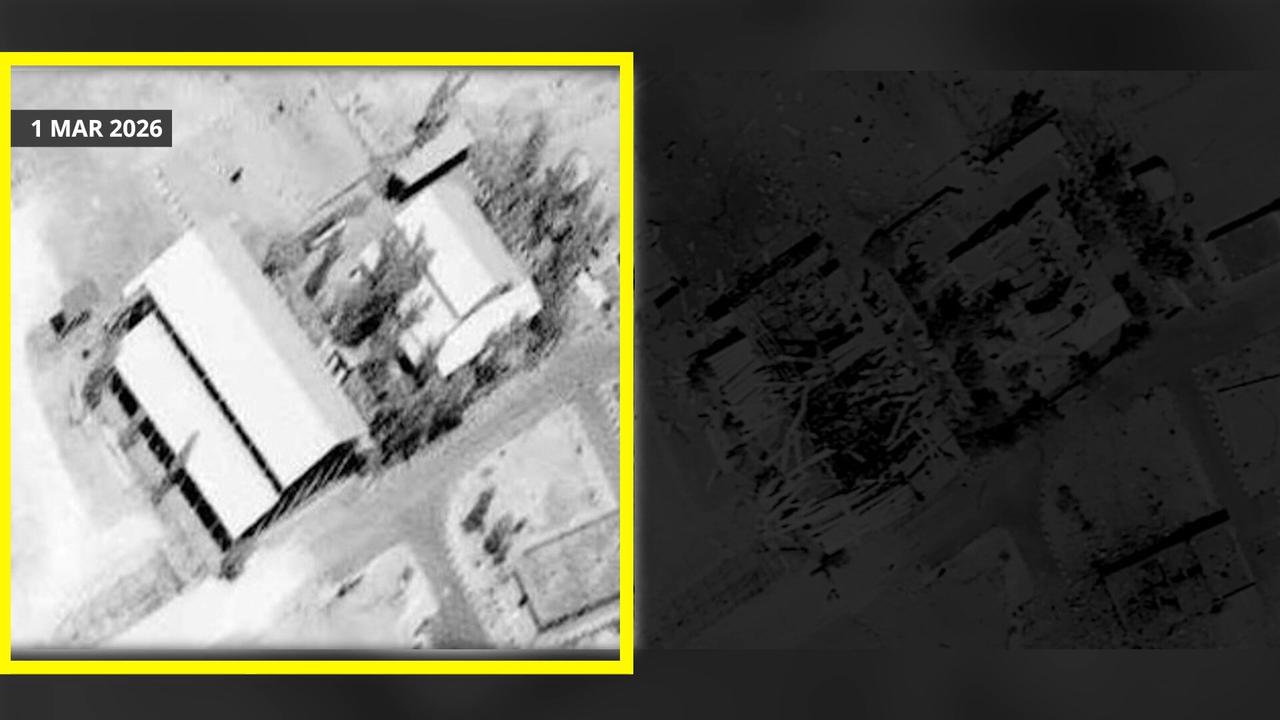
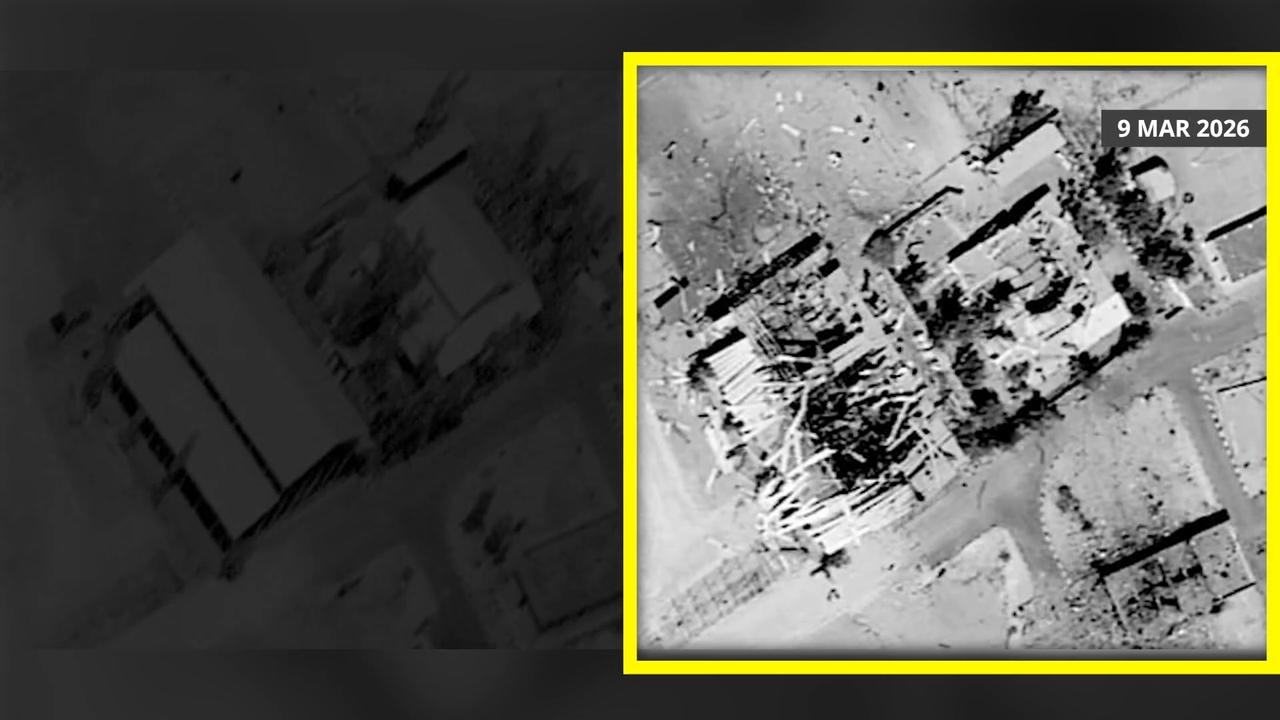
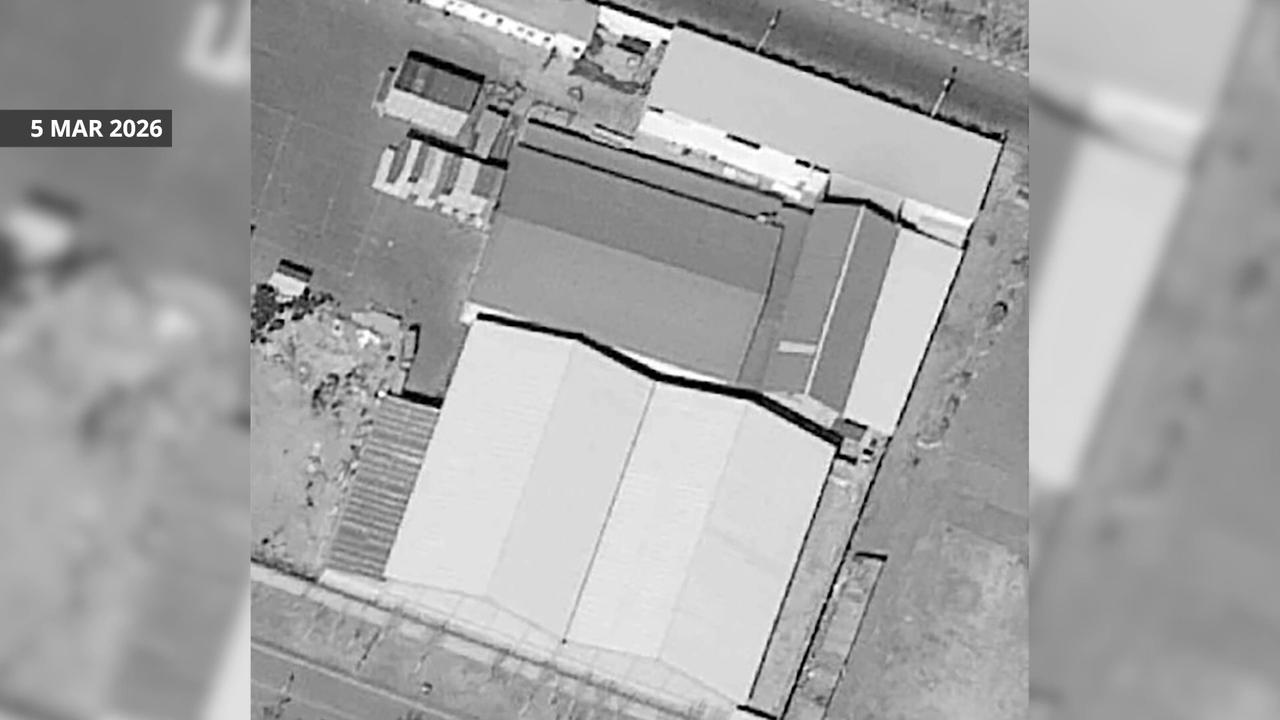
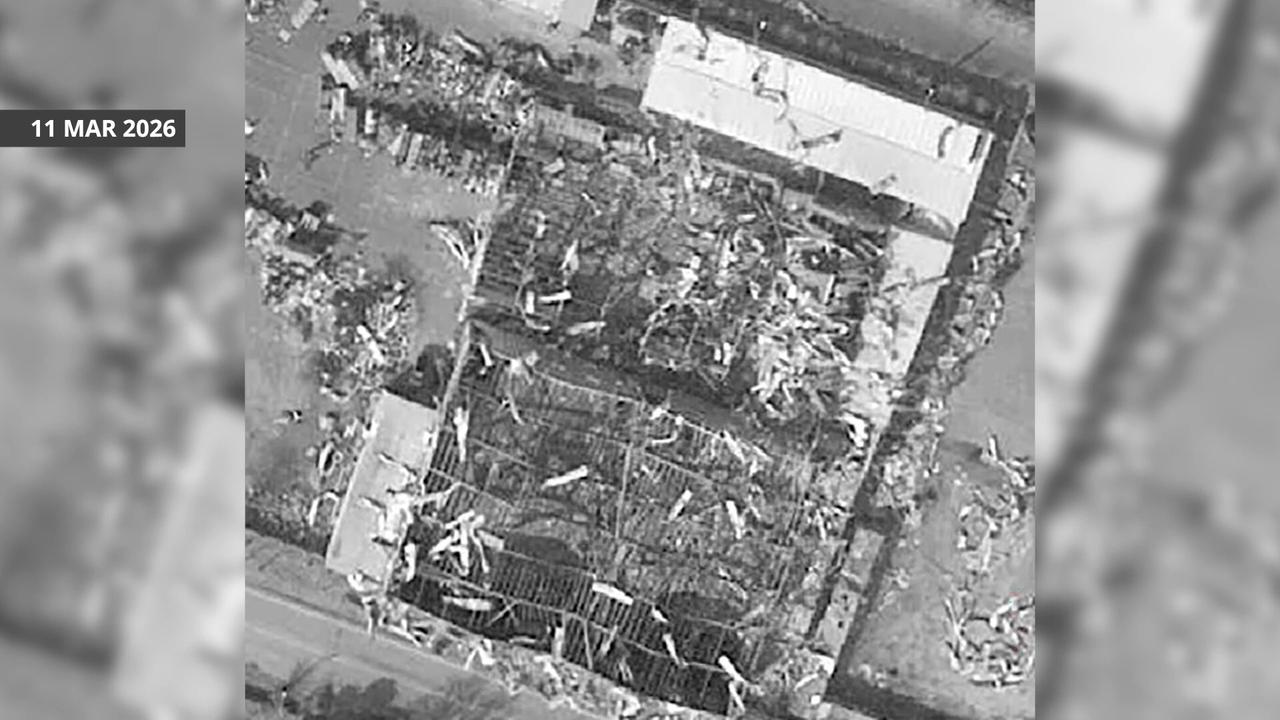
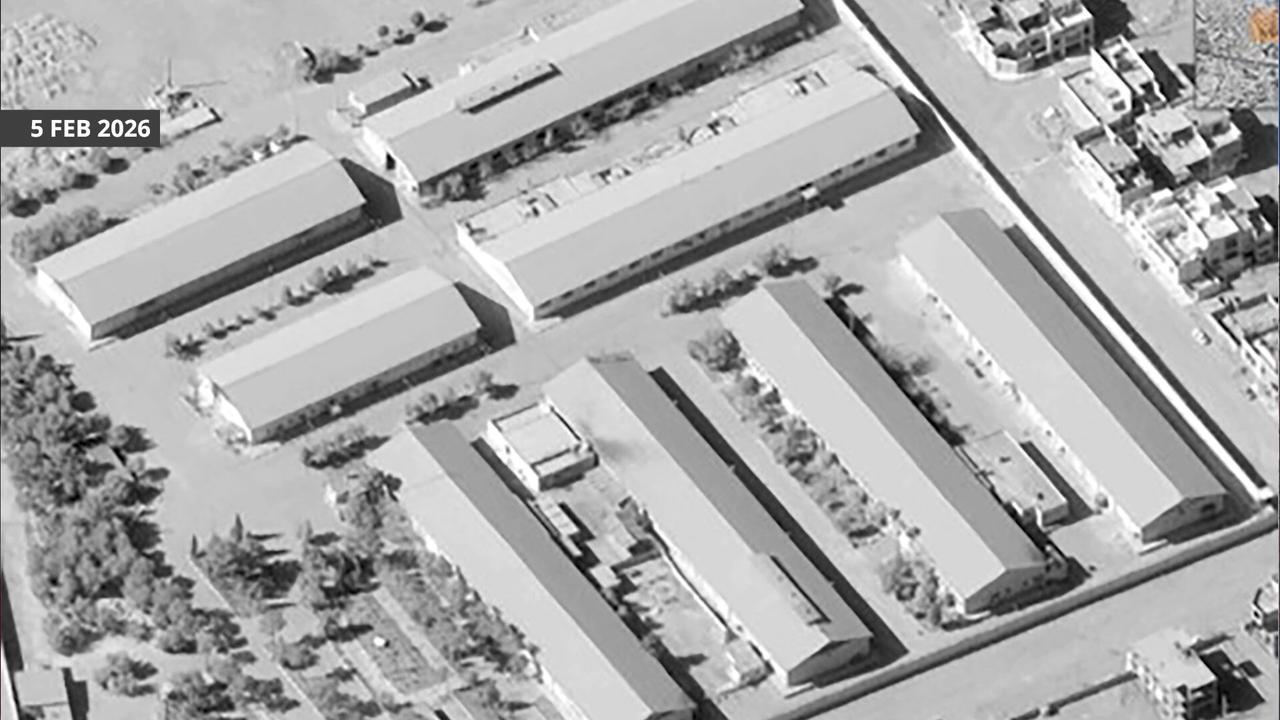
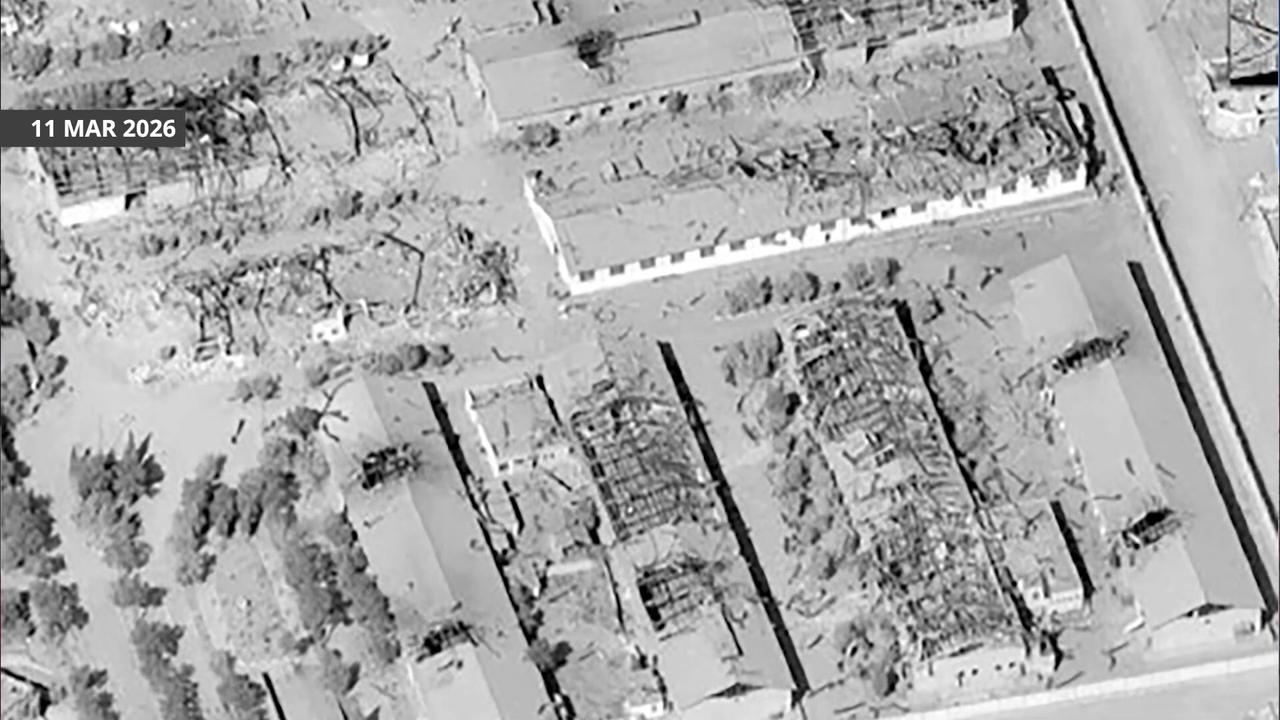
This leads to another question gaining traction in recent days: if American soldiers are unlikely to deploy, who will fight on the ground instead?"
A CNN report suggesting the CIA may be exploring cooperation with Kurdish actors along Iran’s borders quickly sparked regional debate and quiet consultations, including in Ankara.
Petraeus does not rule out a role for minority groups inside Iran, though such a strategy would depend heavily on scale.
Iran is a country of roughly 93 million people, and even if parts of its military capability were degraded, the regime would still retain large, organized ground forces operating on home territory, making it difficult for minority forces alone to mount a meaningful challenge.
“The answer to that question depends on the size and capabilities of those forces,” he says, adding that the real variable would be whether they might also “join with Iranian military and security forces that break away from the regime security forces.”
Petraeus argues that the real question is not whether the CIA could support militant groups, but whether those forces would have the numbers required to make a meaningful difference.
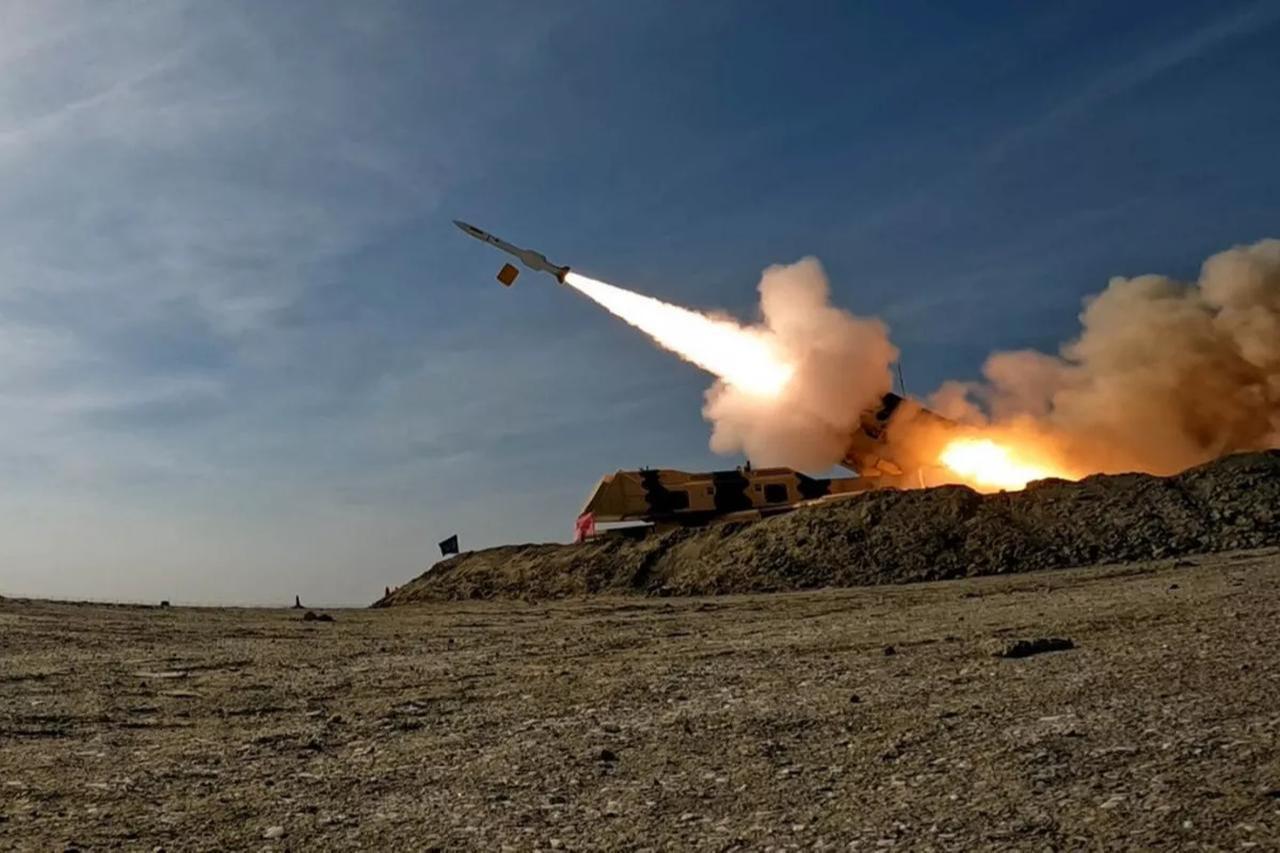
Since the war began, Iran has fired hundreds of ballistic missiles and more than 1,500 drones across Israel, Iraq and several Gulf states, effectively widening the conflict through horizontal escalation.
I asked Petraeus whether the regime, after losing its supreme leader and much of its leadership, is reacting like a shattered war machine still firing blindly or following a cold, deliberate strategy.
“I see a regime that has seriously miscalculated,” he said.
Petraeus also sees the risk along the Gulf and the Strait of Hormuz as real and serious, but warns it could trigger political backlash against Iran.
“With the strikes against non-American and Israeli targets turning the affected countries against Iran rather than doing what the Iranians hoped, pressuring the U.S. to cease hostilities,” he noted.
Furthermore, perhaps one of Iran’s most dangerous attempts was firing three ballistic missiles toward its neighbor Türkiye and, by extension, NATO’s southern flank.
Tehran’s current predicament clearly reflects miscalculation, but the Trump administration’s decision to start a war while negotiations were still underway also carried obvious flaws and risks.
And this is not only about military miscalculations like the Tomahawk strike on a school, but an episode that Trump’s conflicting remarks have ensured will linger in domestic politics for years.
Trump described the scale of Iran’s escalation as a “surprise,” a view echoed by Defense Secretary Hegseth. That is striking given his emphasis on closer ties with wealthy Gulf partners, deepening political and security links and treating those relationships as both a cornerstone of his regional policy and a domestic success.
Moreover, there are already signs that rattled Gulf states, now caught in a war launched without coordination with their own militaries, may reconsider parts of their overseas investment strategies, including those tied to the United States.
Given the potential impact of Iran’s cheap drones on the Gulf states’ sense of security and prestige, and the billion-dollar consequences they may bring, even a war that ended tomorrow would leave these days difficult to forget.
The Trump administration also rejected Ukraine’s anti-drone agreement in August, yet is now asking for help, while Arab countries, in a belated move, are seeking from Kyiv the experience it has gained in hunting Shaheds.
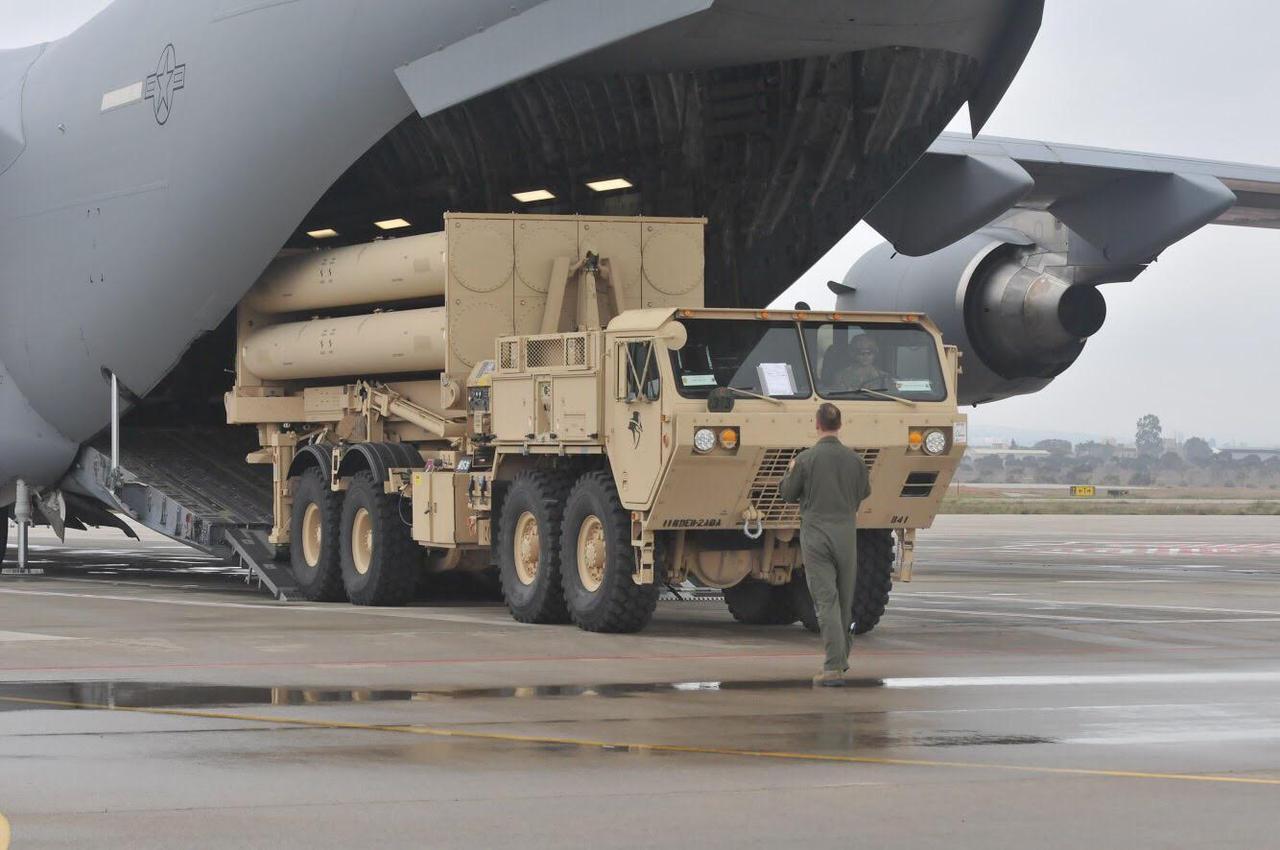
Looking beyond this region, the redeployment of THAAD missiles from South Korea to the Middle East, along with the movement of Japan-based naval assets, the unease in Seoul and Tokyo may be only part of the picture.
It remains to be seen how far this also feeds the impression that America’s two-war doctrine is under strain, with rivals such as China and North Korea sure to be watching and making calculations of their own.
Taken together with the regime’s resilience so far, growing concern in Tel Aviv and Washington over the viability of regime change, and the damage to high-value American radars and other sites, the question of how well this strategy was calculated will continue to be debated.


 Set as preferred source
 Set as preferred source


 1 min read