Newsletters




Malaria cases are surging across southern Africa as rising temperatures and erratic rainfall create more favorable conditions for mosquito breeding, health officials and researchers warn.
In South Africa's Mpumalanga province, part of the country's malaria belt, cases in January were four times higher than in the same month last year, according to the National Institute for Communicable Diseases (NICD). This increase could threaten South Africa's goal to eliminate malaria by 2029.
Even Gauteng, the country's economic center and home to Johannesburg and Pretoria, where malaria is not usually found, recorded more than 400 cases and 11 deaths in the first three months of 2026. The NICD called these numbers "concerning," even though most cases were imported from known hotspots and not spread locally.
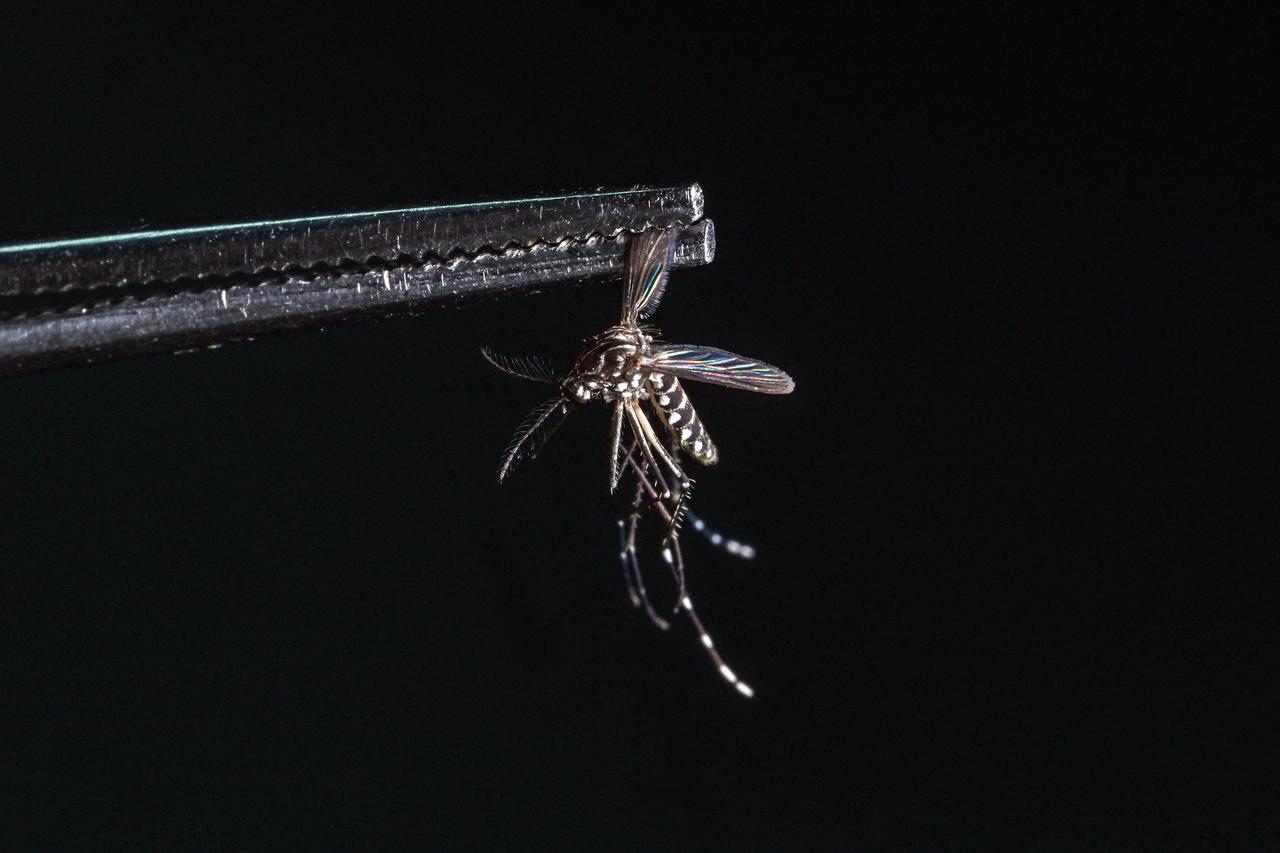

This trend is happening across the region. Namibia reported 8,760 cases in the first four weeks of 2026, a 68% increase over the previous year. Mozambique, which has been affected by floods, recorded more than 1.35 million cases in the first six weeks of the year, up 55%, along with dozens of deaths.
Experts say malaria is not spreading to new areas, but is getting worse in places where it already exists. "Rural environments and areas on the margins of established malaria risk areas are at the highest risk," said Professor Jantjie Taljaard, head of infectious diseases at Stellenbosch University.
Researchers say that human-caused climate change has made extreme weather more likely and more severe.
The El Nino weather pattern brought heavier-than-usual rains to parts of southern Africa in early 2026, leading to widespread flooding and more places for mosquitoes to breed. Heavy rains leave standing water for mosquito eggs, and warmer temperatures help mosquitoes develop faster and shorten the malaria parasite's incubation period.
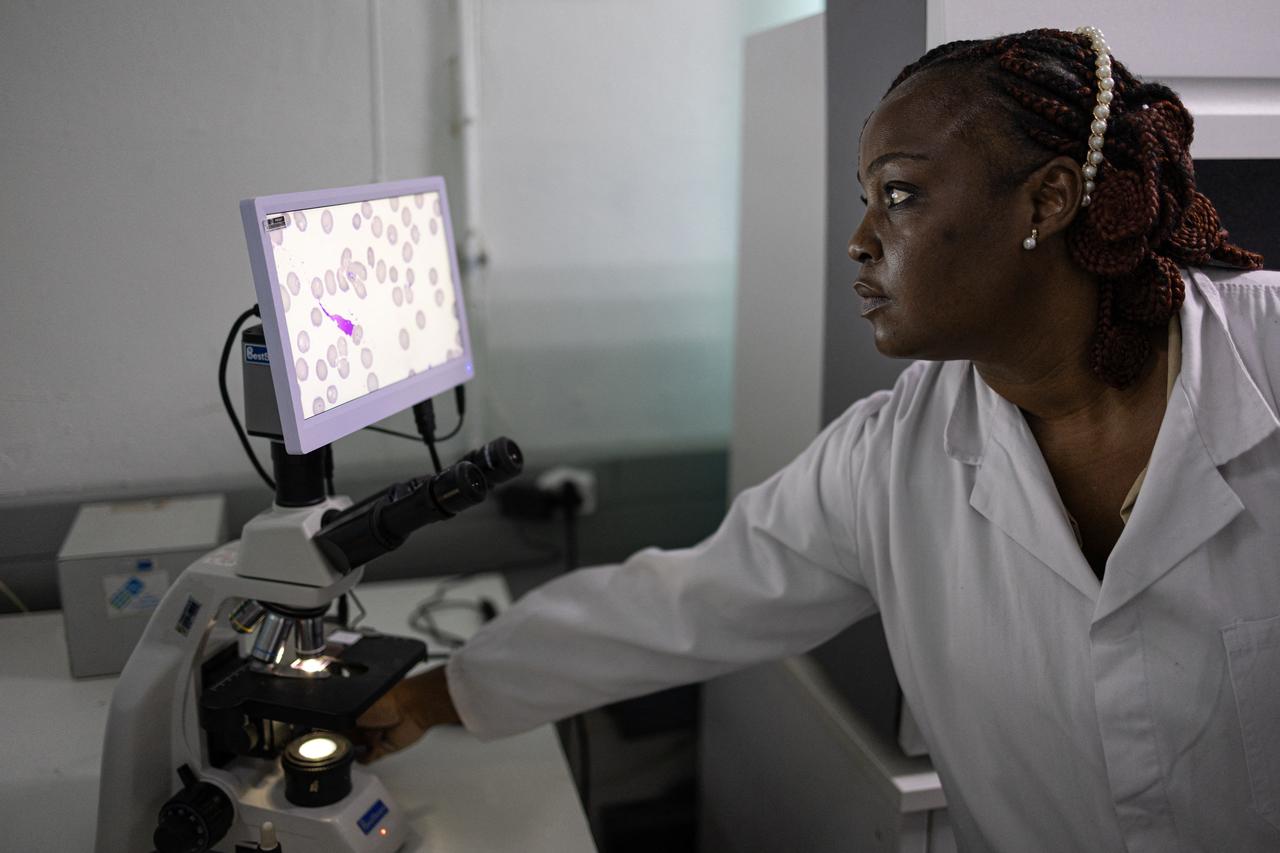
Changing weather conditions are prompting health officials to reconsider how they plan for the malaria season. Sharon Lindiwe Nyoni, who manages the malaria program at the Mpumalanga Department of Health, said it is no longer true that malaria only happens in the summer. "Even in winter, we continue to see transmission," she said.
There are also more logistical challenges. Flooding can prevent health teams from reaching remote communities, and extreme heat can make it hard to keep vaccines cold enough before they reach clinics, said virologist Edina Amponsah-Dacosta.
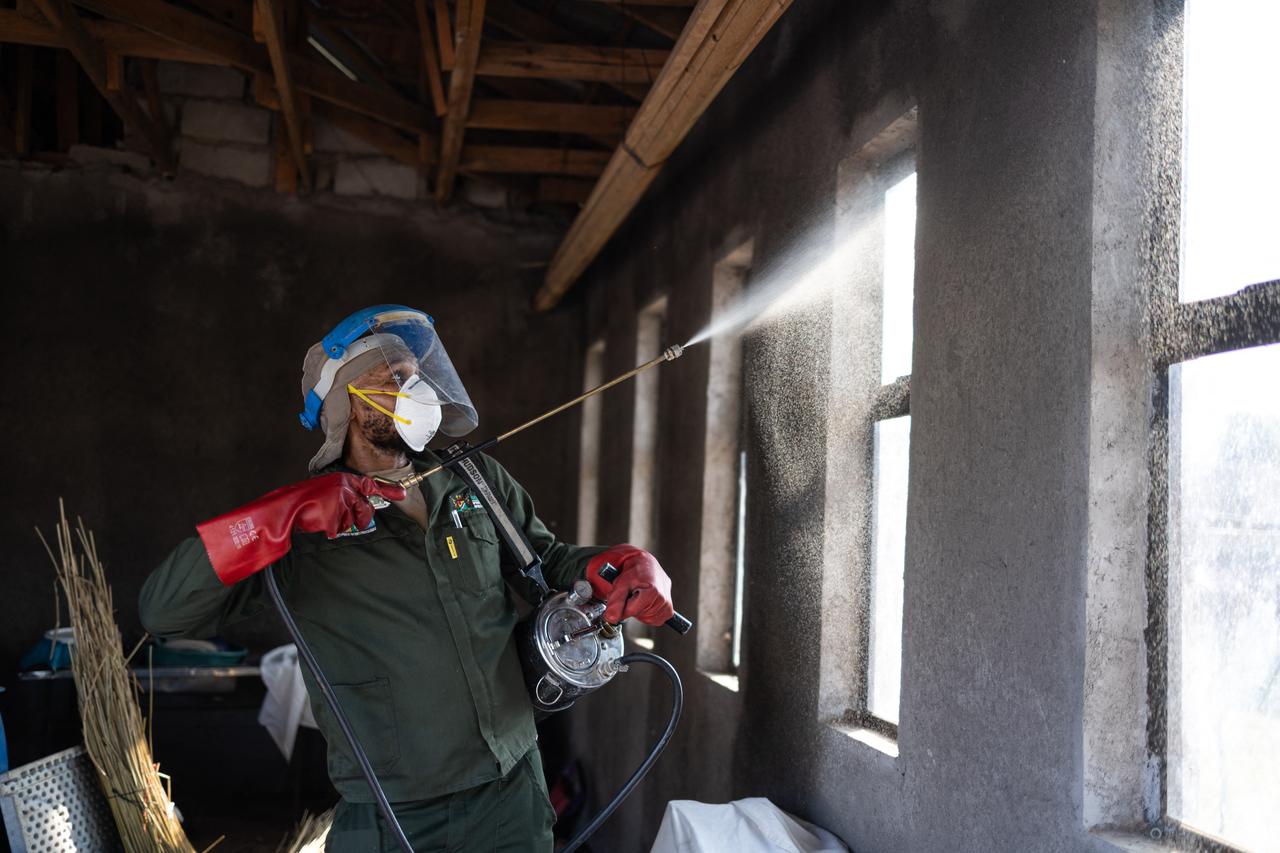
In the village of Calcutta in Mpumalanga, health workers wearing green protective gear went from house to house spraying anti-mosquito insecticide. Resident Paulina Mhlongo, 63, said this was the first real protection her family had received against malaria-carrying mosquitoes.
Even though case numbers are rising, some residents still worry about the safety of the insecticide spray and have not allowed health workers into their homes.
"It is very painful to see someone dying of something that is preventable and again curable," Nyoni said.
Malaria kills more than 250,000 people around the world every year. In southern Africa, health officials say that climate change, limited resources, and problems with vaccine delivery mean the situation probably will not get better without ongoing help.


 Set as preferred source
 Set as preferred source



 4 min read