Newsletters


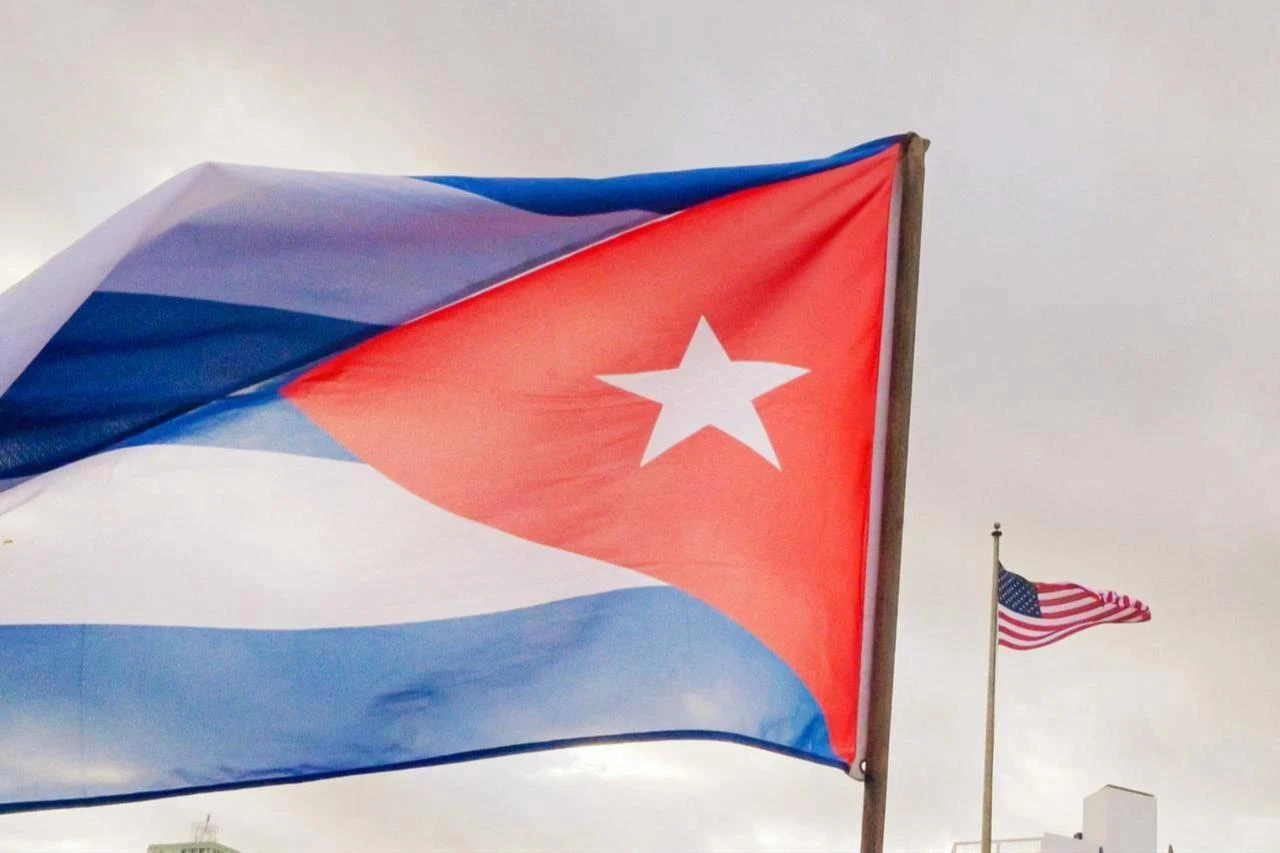


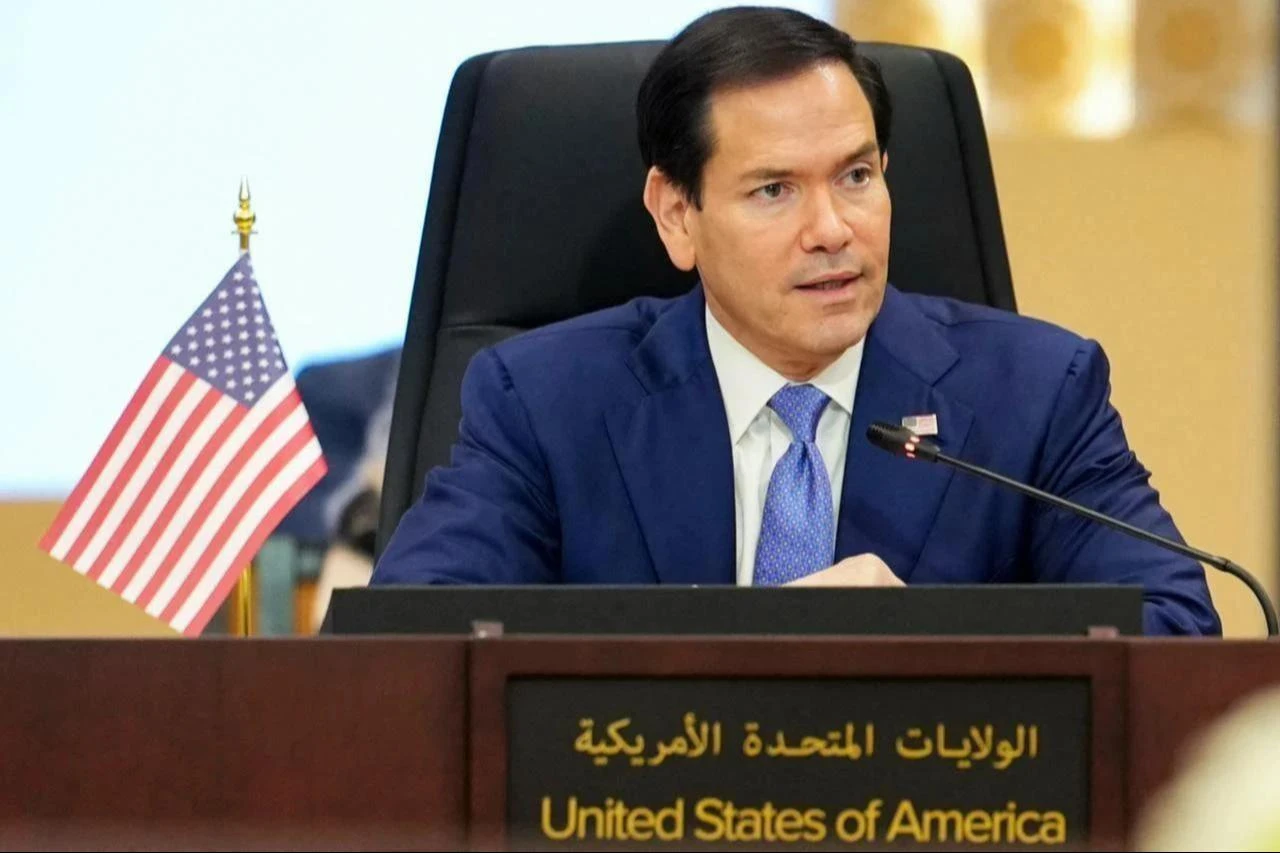
Cuban Foreign Minister Bruno Rodriguez on Thursday accused U.S. Secretary of State Marco Rubio of imposing measures against Cuban companies and officials that he said were intended to damage the country’s economy and restrict its ability to provide essential services.
Rodriguez said the measures were obstructing the transport of containers carrying food, medicine and medical equipment, much of it purchased by Cuban private micro, small and medium-sized enterprises.
“The U.S. Secretary of State continues to punish Cuban companies with the deliberate purpose of harming our economy and preventing the government of Cuba from guaranteeing basic services for the population,” Rodriguez wrote on the U.S. social media platform X.
He said Cubans were already facing a critical situation because of the longstanding U.S. embargo, which Havana describes as a blockade.
According to media reports, the U.S. placed nine Cuban state institutions, including the Construction Ministry, on its sanctions list.
Individuals linked to Cuba’s mining, foreign trade and metallurgy sectors were also targeted.
The measures were reportedly imposed as part of Washington’s pressure campaign aimed at bringing about political and economic change in Cuba.
Rodriguez also criticized actions targeting executives and officials of the Cuban Institute of Friendship with the Peoples, or ICAP.

Three senior officials from ICAP, which had previously been sanctioned by the U.S., were also targeted.
They were identified as ICAP President Fernando Gonzalez Llort, First Vice President Noemi Rabaza Fernandez and North America Director Leima Martinez Freire.
Gonzalez Llort was one of five members of the Red Avispa, or Wasp Network, who were convicted and imprisoned in the U.S. before later being returned to Cuba.


 Set as preferred source
 Set as preferred source


 1 min read
 1 min read