Newsletters


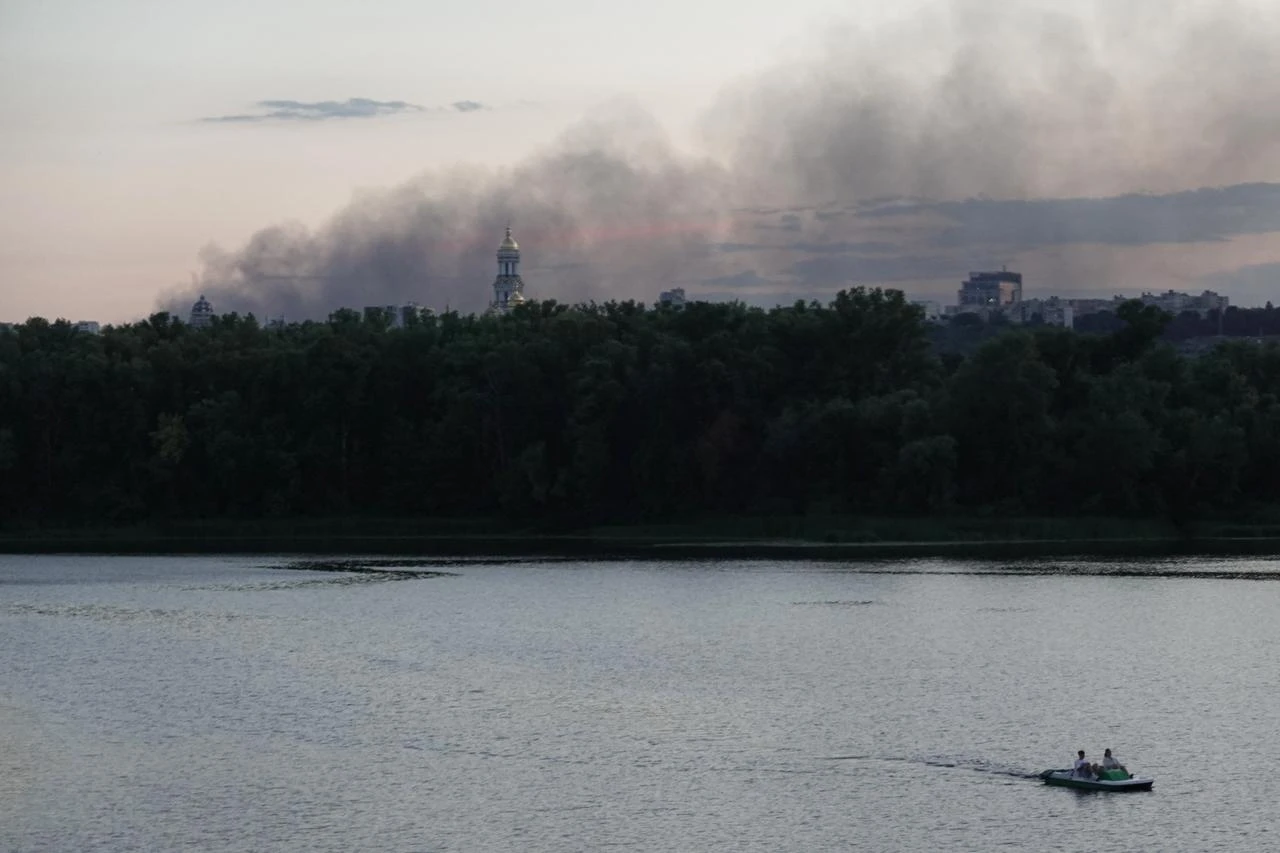


Russia is prepared to consider new proposals for ending the war in Ukraine but will not abandon its core positions, Deputy Foreign Minister Sergei Ryabkov said in an interview with News.ru published Friday.
Ryabkov said the administration of U.S. President Donald Trump had shown a willingness for “constructive dialogue” and an understanding of Moscow’s position, but argued that the key question was whether Washington could influence Kyiv and its European supporters.
“At this stage, it is more important to what extent Washington is able to influence the decisions of the Kyiv regime and its European sponsors, who still dream of a ‘strategic defeat’ of Russia,” Ryabkov said.
He said U.S. Secretary of State Marco Rubio had spoken about introducing new ideas for a peace settlement and that Moscow was ready to examine them.
“We remain open to dialogue with Washington, but this does not mean that we will retreat from our fundamental positions,” he said.
Ryabkov said Russia was prepared to listen to what he described as reasonable initiatives if they were consistent with the objectives set by Russian President Vladimir Putin and reflected the “realities on the ground.”
He rejected what he called attempts to impose “maximalist” Ukrainian and EU demands or use negotiations to provide Ukraine with time to rearm.
Ryabkov also pointed to the Minsk agreements and the 2022 negotiations in Istanbul, saying previous efforts to resolve the conflict had failed because of decisions by Kyiv and some European capitals.
He added that, from Moscow’s perspective, “time is playing against Kyiv and the Europeans.”
Ryabkov said Russia still believes the conflict can be resolved through diplomacy but would continue pursuing the goals set by Putin regardless of developments in negotiations.

Ryabkov described contacts between Russian Foreign Minister Sergei Lavrov and Rubio as part of a broader working dialogue between Moscow and Washington.
He said a recent 35-minute meeting between Lavrov and Rubio in Manila should not be judged by its length, arguing that diplomatic meetings can be brief while still addressing substantive issues.
Russia and the U.S. continue contacts through their administrations, intelligence services and diplomatic missions, he said.
Ryabkov also cited a March 25-28 visit by Russian lawmakers to Washington, the first such trip since 2018, saying it helped “melt the ice” in parliamentary contacts.
He said Russia was continuing to look for pragmatic solutions and areas of common ground where they align with its national interests.
Ryabkov said Moscow had noticed changes in Washington’s rhetoric despite Trump’s earlier push for a rapid settlement.
He cited Rubio’s statement that Washington does not see itself as a “neutral mediator,” along with continued U.S. arms deliveries, intelligence sharing and other assistance to Ukraine.
Ryabkov said Moscow reminds U.S. officials that understandings reached during Russian-U.S. talks in Anchorage were based on American proposals.
He accused continued Western support for Kyiv of creating obstacles to ending the conflict and said Russia would continue pursuing its stated objectives.
Ryabkov also addressed the expiration of the New START treaty, saying Moscow remained open in the longer term to political and diplomatic efforts to restore strategic stability with the U.S.
He argued that the current situation could have been avoided if Washington had accepted Putin’s proposal for both sides to voluntarily continue observing some of the treaty’s limits.
According to Ryabkov, the U.S. instead favored broader multilateral negotiations involving China and has indicated that it could expand its nuclear arsenal beyond previous treaty limits or resume nuclear testing.
He said Russia would closely monitor U.S. and allied military policy and would consider renewed strategic talks only under conditions of equality, mutual respect for security interests and broader progress in Russian-U.S. relations.
Ryabkov also warned Western countries against confiscating frozen Russian sovereign assets, describing such action as economic aggression and a form of hybrid warfare.
He said Russia would pursue legal remedies and reserved the right to retaliate under the principle of reciprocity.
Ryabkov cited a Moscow arbitration court ruling in May ordering Belgian securities depository Euroclear to pay the Russian central bank 18.1 trillion rubles (218.47 billion) in damages linked to frozen reserves.
He also said Russia had challenged EU regulations in the General Court of the European Union concerning the indefinite freezing of Russian assets and the potential use of sovereign reserves to repay an EU loan of €90 billion to Ukraine for 2026-27.
“If the West takes the path of escalation, there will be an appropriate response from our side,” he said.
Ryabkov said Moscow currently expects Russia to participate at a high level in the G20 summit scheduled for December in Miami under the U.S. presidency.
He said the final decision on whether Putin would personally attend would be made by the Russian president based on several factors, including the approach of the host country.
Ryabkov said U.S. officials had publicly indicated that Putin’s participation would be useful and expressed hope that Russian officials and media would receive suitable conditions to attend.
On the conflict between Iran and the U.S., Ryabkov said Moscow does not believe there is a military solution.
He said tensions remain high because of continuing exchanges of strikes, the renewed maritime blockade and uncertainty surrounding agreements.
Even if Iran and Oman successfully conclude negotiations over navigation in the Strait of Hormuz, he said risks of further escalation would remain.
Russia would not impose itself as a mediator but was prepared to offer its “good offices” if the parties requested assistance, Ryabkov said.
Ryabkov also rejected the idea that BRICS is developing into a military bloc.
He said the group is intended to promote a more multipolar international order based on international law and collective approaches to global challenges.
Ryabkov argued that growing Western concern about BRICS reflected what he described as fear of an emerging multipolar world but cautioned against expecting complete unity among members, noting their different political systems, economies, histories and national interests.


 Set as preferred source
 Set as preferred source


 2 min read
 1 min read