Newsletters


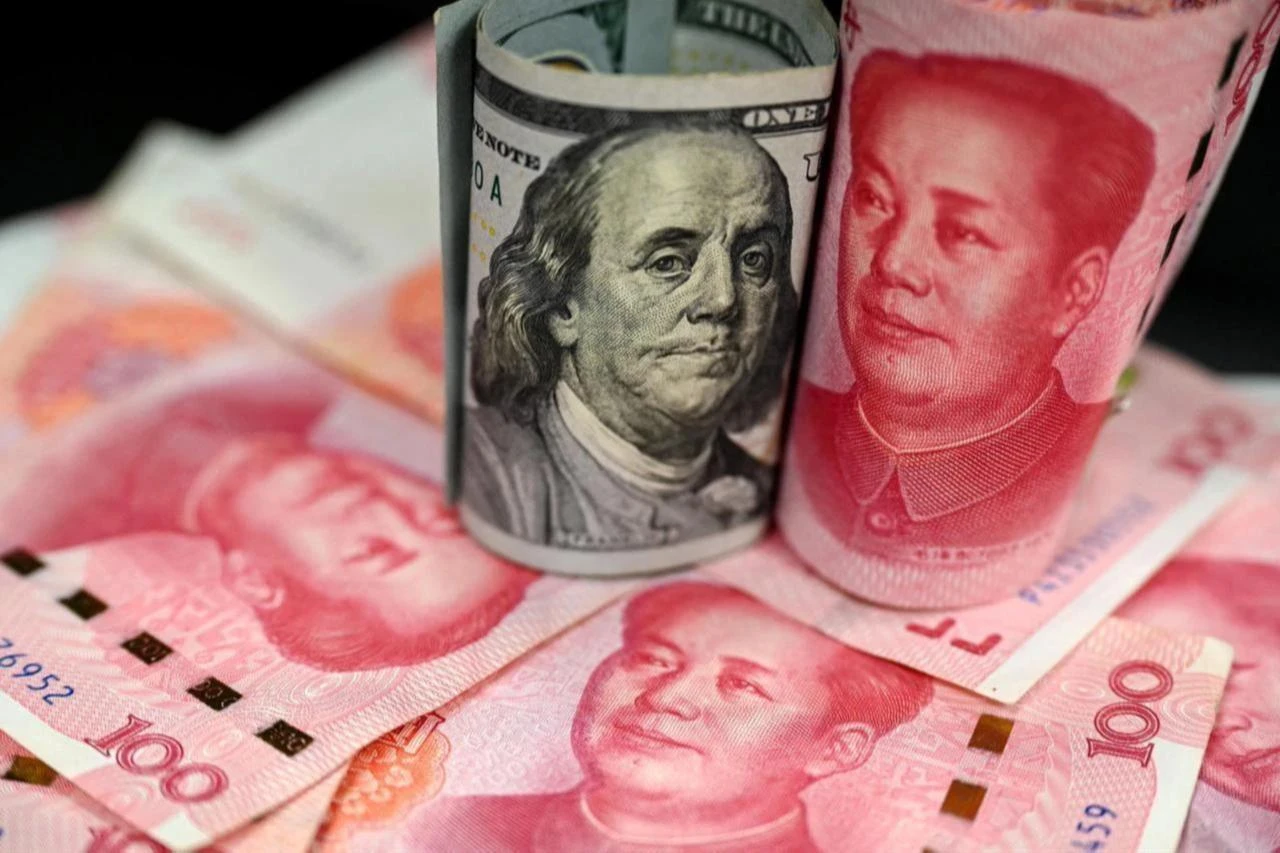


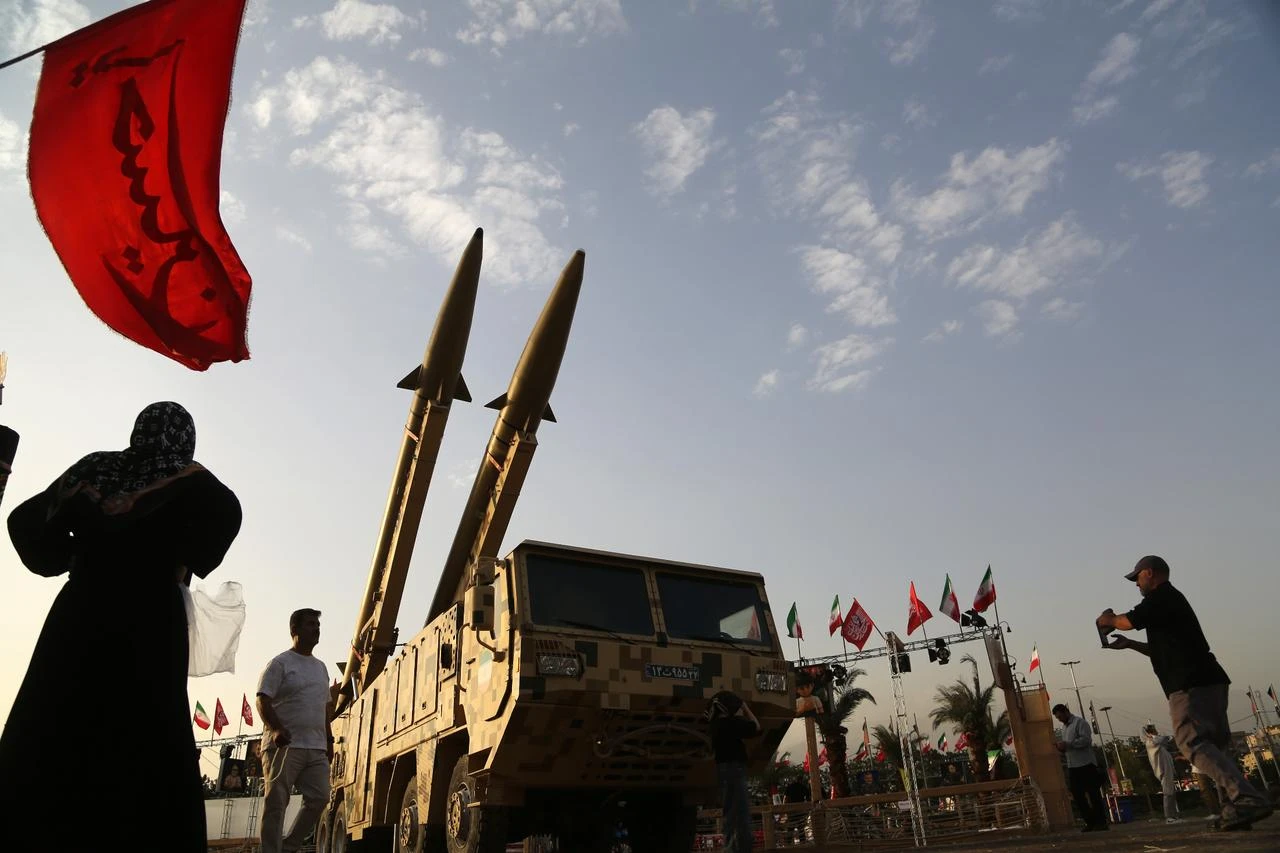
The United States on Thursday called on allies and rivals alike to join a new campaign of economic pressure against Iran, with senior officials saying Washington intends to force the collapse of the government in Tehran even as a six-month-old war between the two countries remains stalemated.
Treasury Secretary Scott Bessent said the administration was preparing what he described as the "greatest coordinated economic isolation in the history of the world," telling allies and rival powers they were "either with us or against us."
Speaking to CNBC, Bessent said, "It is going to work in Iran and we are going to collapse this regime." He said further details of the plan would be announced at a press conference on Monday.
Iran rejected the threats. Its foreign ministry said in a statement carried by state media that existing and threatened US sanctions amounted to "economic terrorism" and "crimes against humanity," accusing Washington of targeting the basic rights of ordinary Iranians.
Foreign Minister Abbas Araghchi wrote on X that the plan, which he referred to as an "Economic D-Day," was intended to distract from what he called America's own debt crisis.
The push comes as President Donald Trump faces domestic criticism over the toll of the war, which began in February when the United States and Israel launched military action against Iran, and as midterm elections approach.
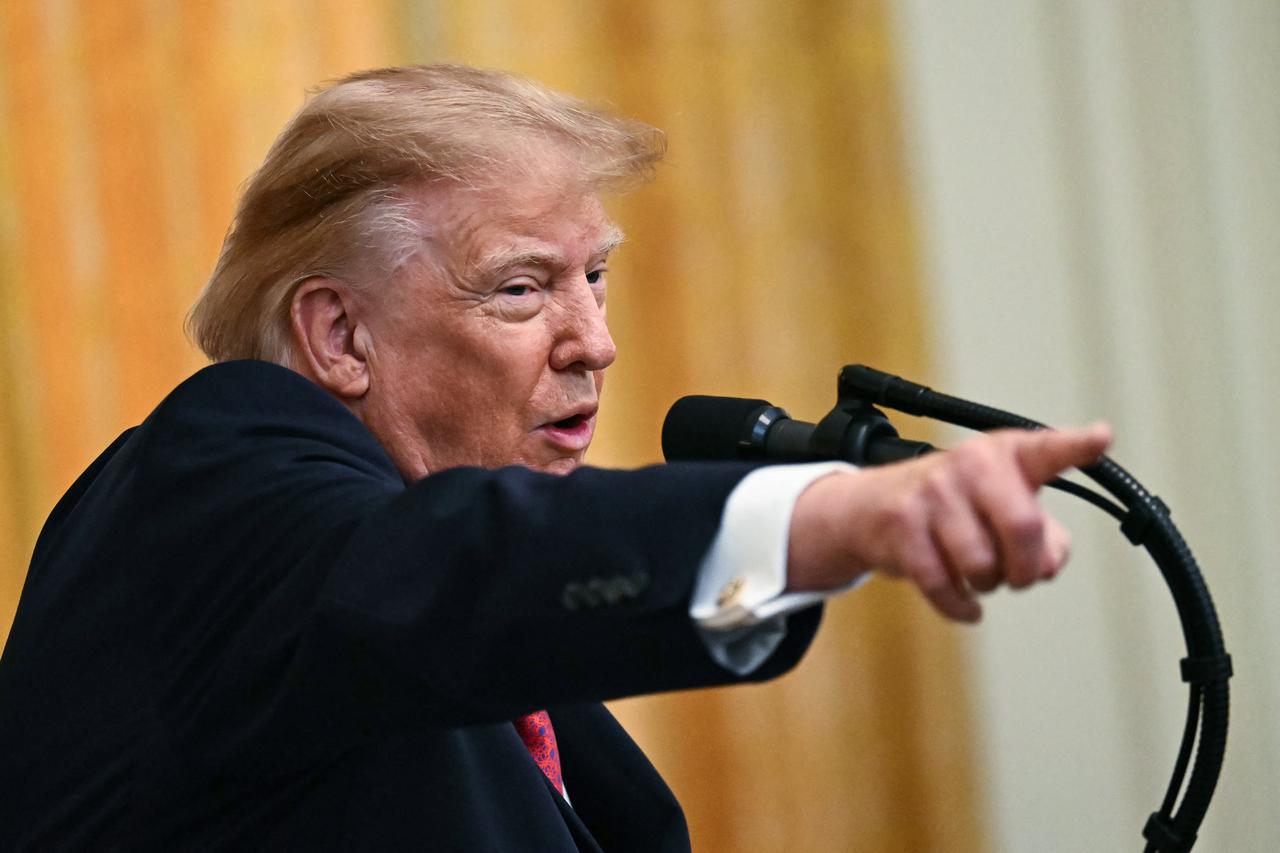
On Wednesday, Trump wrote on his Truth Social platform that he was launching "the MOST CRUSHING ECONOMIC OPERATION EVER TAKEN AGAINST ANY COUNTRY," describing it as economic warfare and isolation on an unprecedented scale.
Bessent said the shift toward economic measures reduced, for now, the likelihood of renewed large-scale military action.
"If we are doing the maximum economic pressure, then that means that likely there will not be a large-scale kinetic restart, but I will emphasize that is for now," he said.
Vice President JD Vance echoed the message in an interview with The Clay Travis & Buck Sexton Show, saying the administration had entered a "new phase" in the conflict. "We're kind of now in a new phase where the most effective tool that we have is the economic pressure that we can apply to them," he said, adding, "We're going to keep that going."
Vance said increasing US oil and gas output could ease prices for American consumers while simultaneously tightening pressure on Iran, though he acknowledged the approach was a "delicate dance" given the risk that Tehran could retaliate economically against the United States.
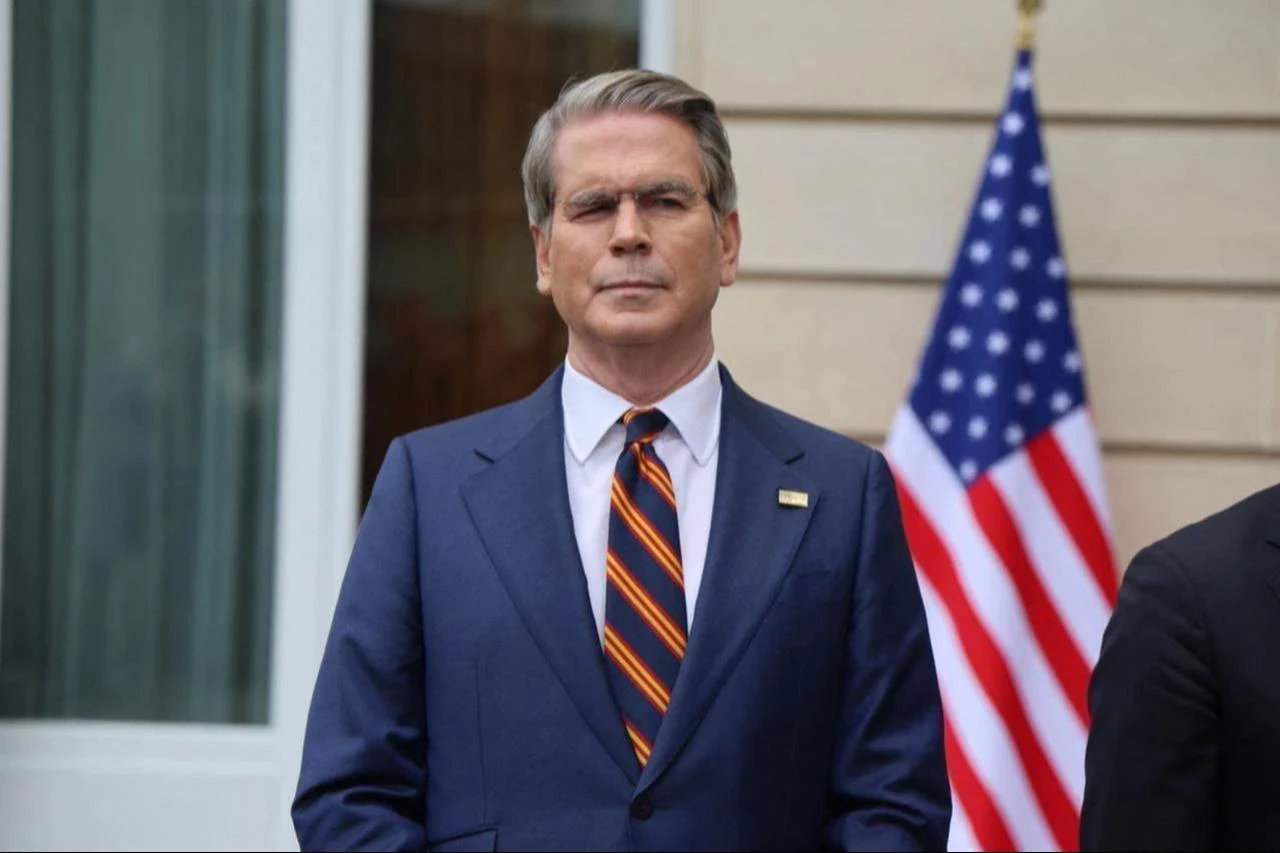

Asked whether Washington would press China, the largest buyer of Iranian oil, to comply with the new push, Bessent said some conversations were "best to have in private" but called on Beijing "to get with the program." Chinese President Xi Jinping is scheduled to visit the White House on September 24.
Despite years of US sanctions, Iran has continued exporting oil by operating a so-called shadow fleet of tankers, all of which are under international sanctions.
Earlier Thursday, the Treasury Department's Office of Foreign Assets Control added 10 individuals to its Iran-related sanctions list, a move that preceded Vance's remarks.
Talks between Washington and Tehran remain on hold, according to Trump, with the conflict at a standstill. Iran is keeping the Strait of Hormuz, a critical corridor for global oil shipments, partially closed, while the United States continues a naval counter-blockade in the region.
The US military presence in the region is also being reinforced. The USS George Washington, a new aircraft carrier strike group, arrived in the Middle East on Wednesday to replace the USS Abraham Lincoln, whose prolonged deployment since November 2025 had drawn domestic criticism after reports of food shortages, plumbing failures and multiple suicide attempts aboard the ship.
Separately, the United States on Thursday approved a potential $4.5 billion sale of refueling aircraft to Qatar, which has served as a mediator between Washington and Tehran during the war.


 Set as preferred source
 Set as preferred source


 1 min read
 1 min read