Newsletters




Cuba’s Ambassador to Ankara Alejandro Francisco Diaz Palacios said U.S. policies toward his country violate international law and are aimed at imposing collective punishment on the Cuban people.
Speaking to Anadolu Agency at the embassy residence, Palacios evaluated Türkiye-Cuba relations and Washington’s policies toward Havana.
He said bilateral ties between Ankara and Havana continue across many fields, including economy, finance and trade.
“Türkiye and Cuba relations are continuing in a very good way,” Palacios said.
He highlighted cooperation in energy, tourism, agriculture, health, biotechnology and pharmaceuticals, adding that the two countries maintain friendly relations.
Palacios also said they remain in contact with many members of Turkish civil society and politicians, which he said helps further develop relations.
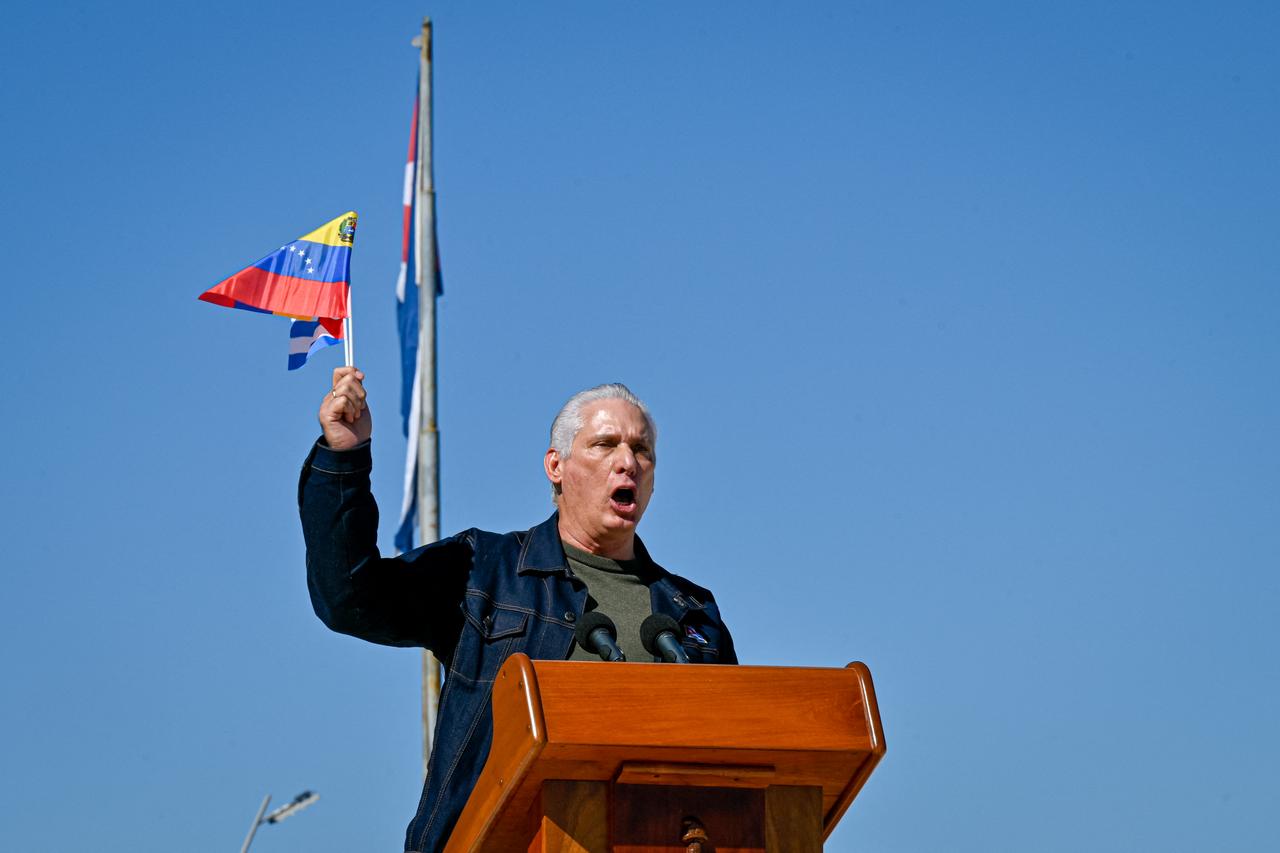

Palacios described Cuba’s relations with Latin America as “excellent,” noting that they include various mechanisms and cooperation frameworks.
He underlined Cuba’s role in the Community of Latin American and Caribbean States and said his country maintains diplomatic relations with all Latin American nations.
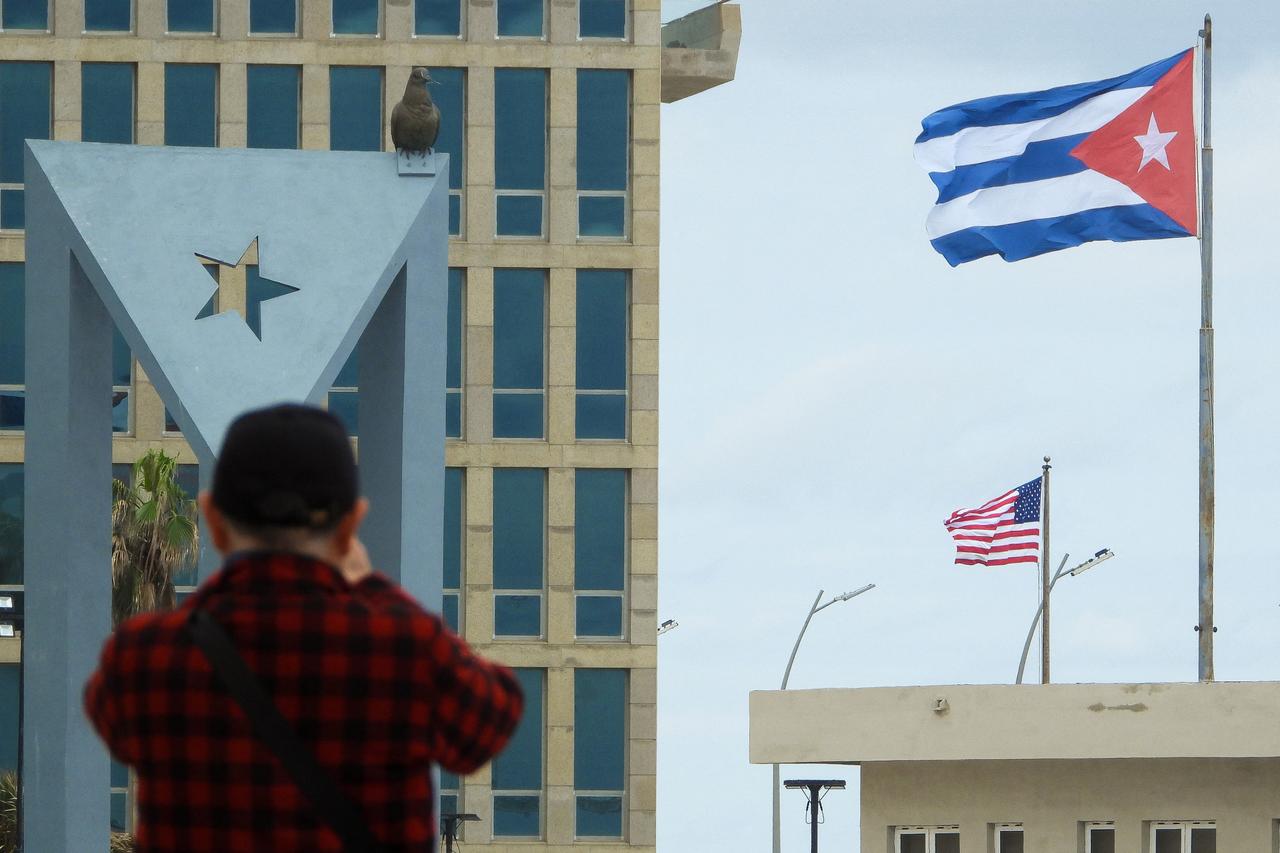
“Cuba has never posed a threat to the national security of the U.S.,” Palacios said, adding that his country has been under a U.S. blockade for more than 60 years.
He said the blockade has deeply affected Cuban society and hindered the country’s socioeconomic development, causing losses exceeding $3 billion.
Palacios argued that U.S. policies impact social life, daily life, education, health, transportation and agriculture in Cuba, and are designed to prevent the country from establishing trade relations with other nations.
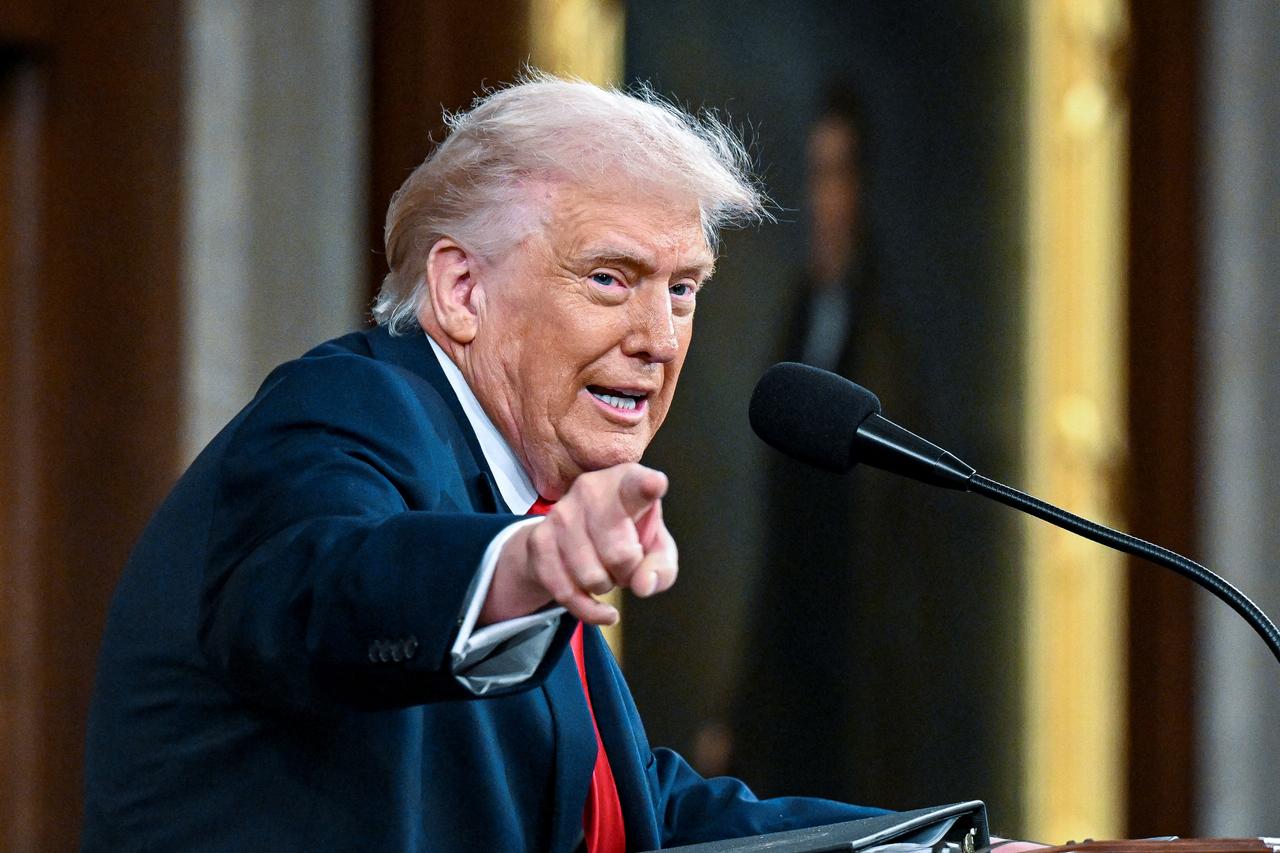
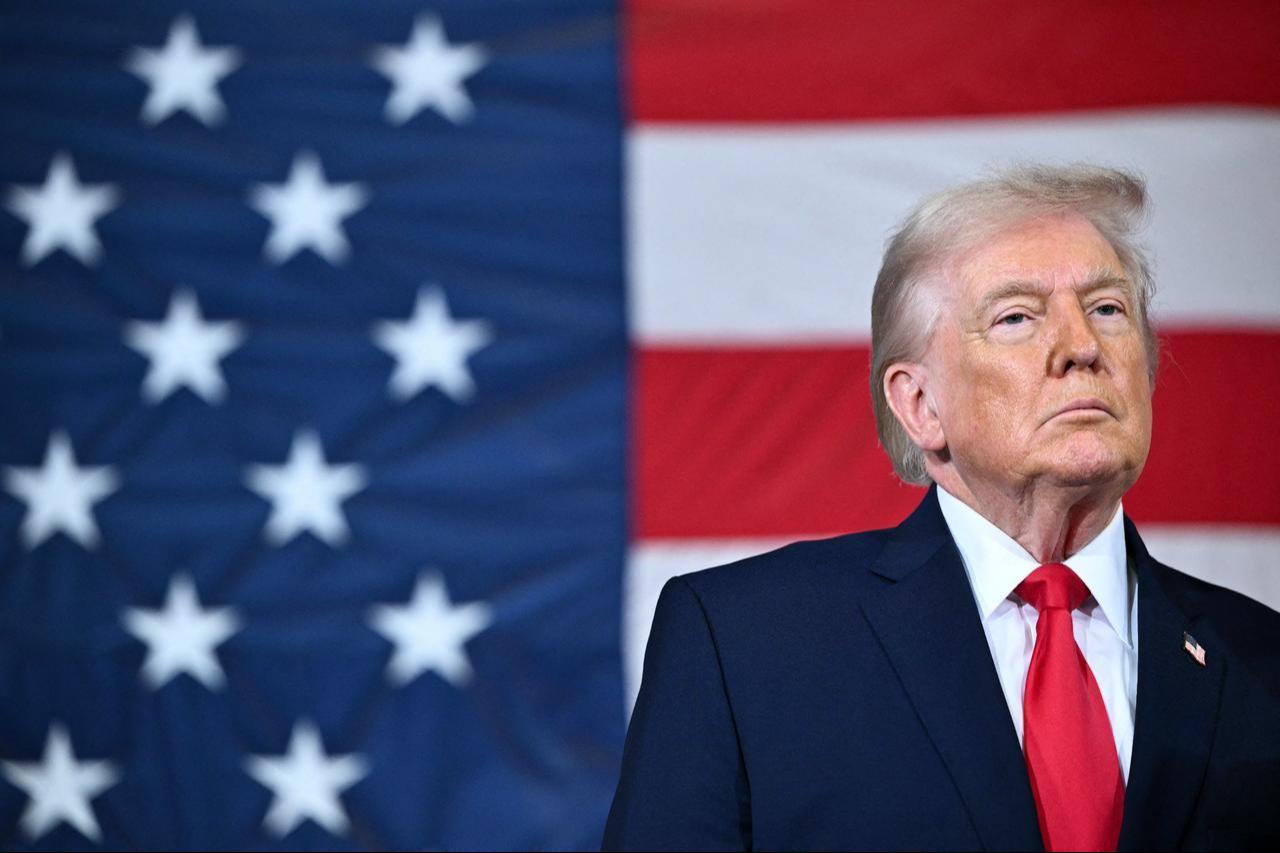
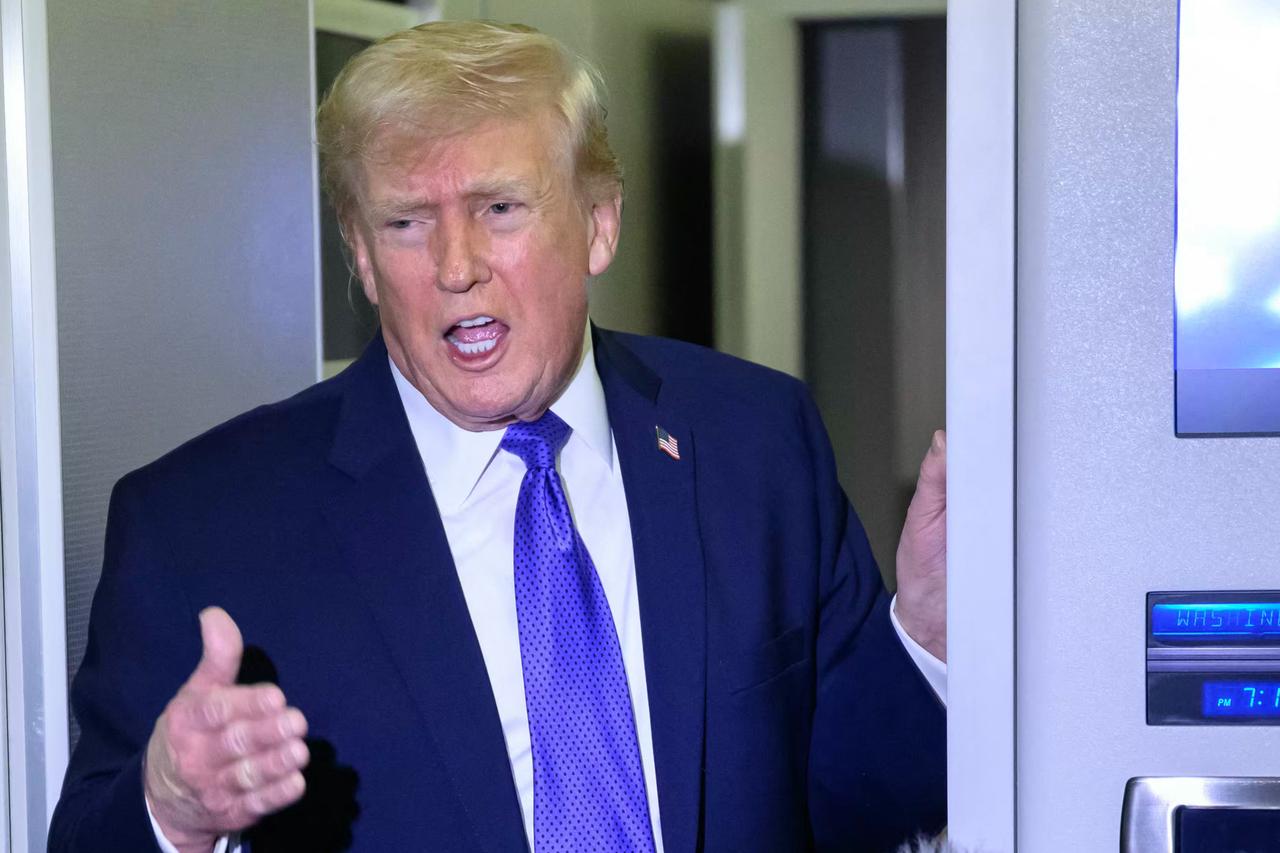
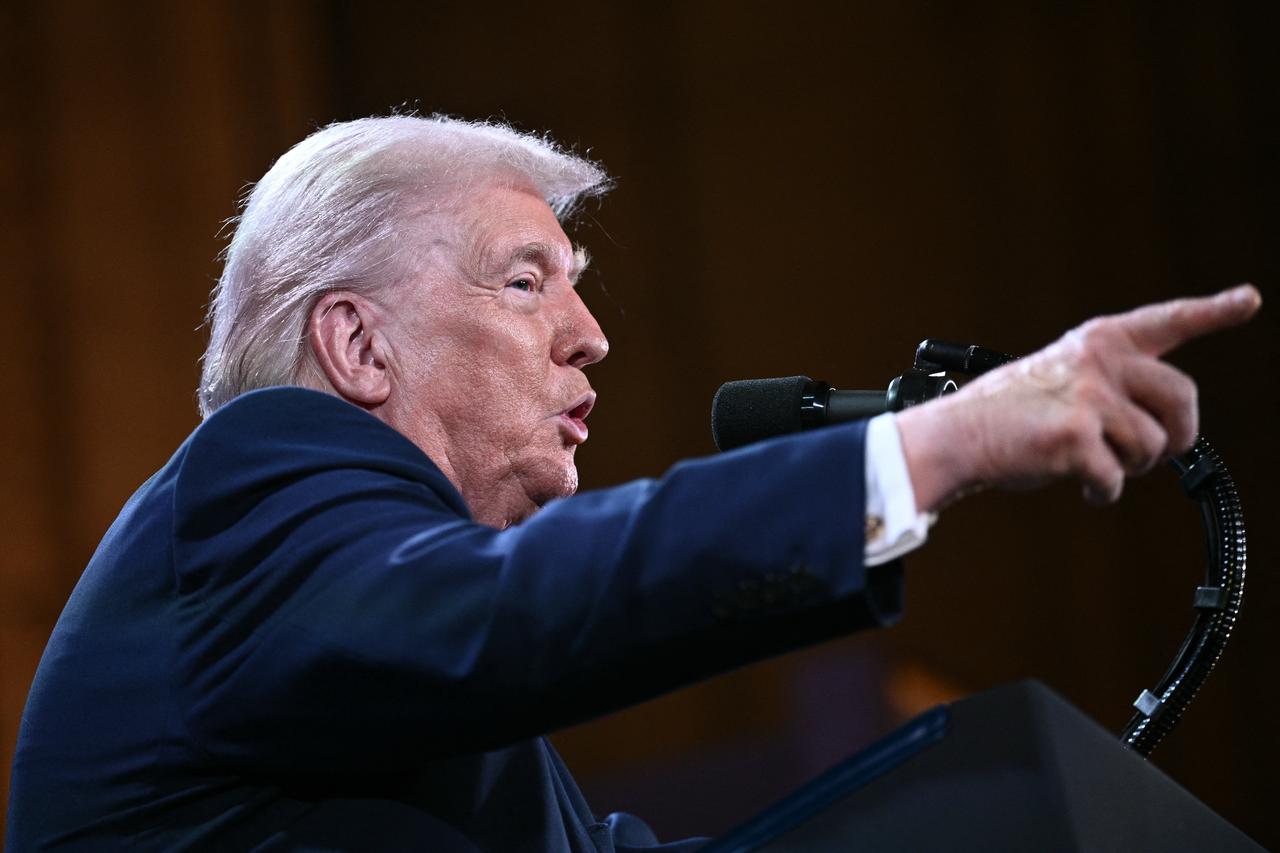
Recalling that U.S. President Donald Trump on Jan. 30 signed a presidential decree imposing tariffs on all goods from countries that sell or supply oil to Cuba, Palacios said the blockade has become even heavier.
“These sanctions directly affect the daily life of the Cuban people. Preventing oil and fuel from entering our country means triggering economic devastation in Cuba. There is such an intention,” he said.
He noted that the sanctions have caused prolonged power outages, leaving Cuban families unable to preserve food and affecting hospital operations, trade, agriculture and education activities.
Calling U.S. policy “cruel” and amounting to “genocide,” Palacios said it violates international law, the right to free trade and all agreements related to human rights.
“These sanctions have been put in place to make the Cuban people pay a collective price,” he said.
Palacios said the Cuban people remain determined to defend their independence and sovereignty despite what he described as U.S. “aggressive policies,” and that they have seen strong solidarity.
“Despite all the sanctions and efforts to impose costs by the current U.S. administration, the Cuban people are still standing, still resisting and continuing with a determined stance to overcome the obstacles,” he said.
He thanked the Turkish public for its solidarity, saying he receives daily messages of support from various segments of society.
Palacios said more than 500 intellectuals and artists recently sent an open letter to Trump calling for the immediate lifting of the blockade, and that the letter gathered more than 5,000 signatures.
He added that support messages continue to come from university students and other groups in society, saying these voices from Türkiye oppose what he described as an economic war and unlawful blockade imposed on Cuba for more than 60 years.


 Set as preferred source
 Set as preferred source


 1 min read
 1 min read