Newsletters


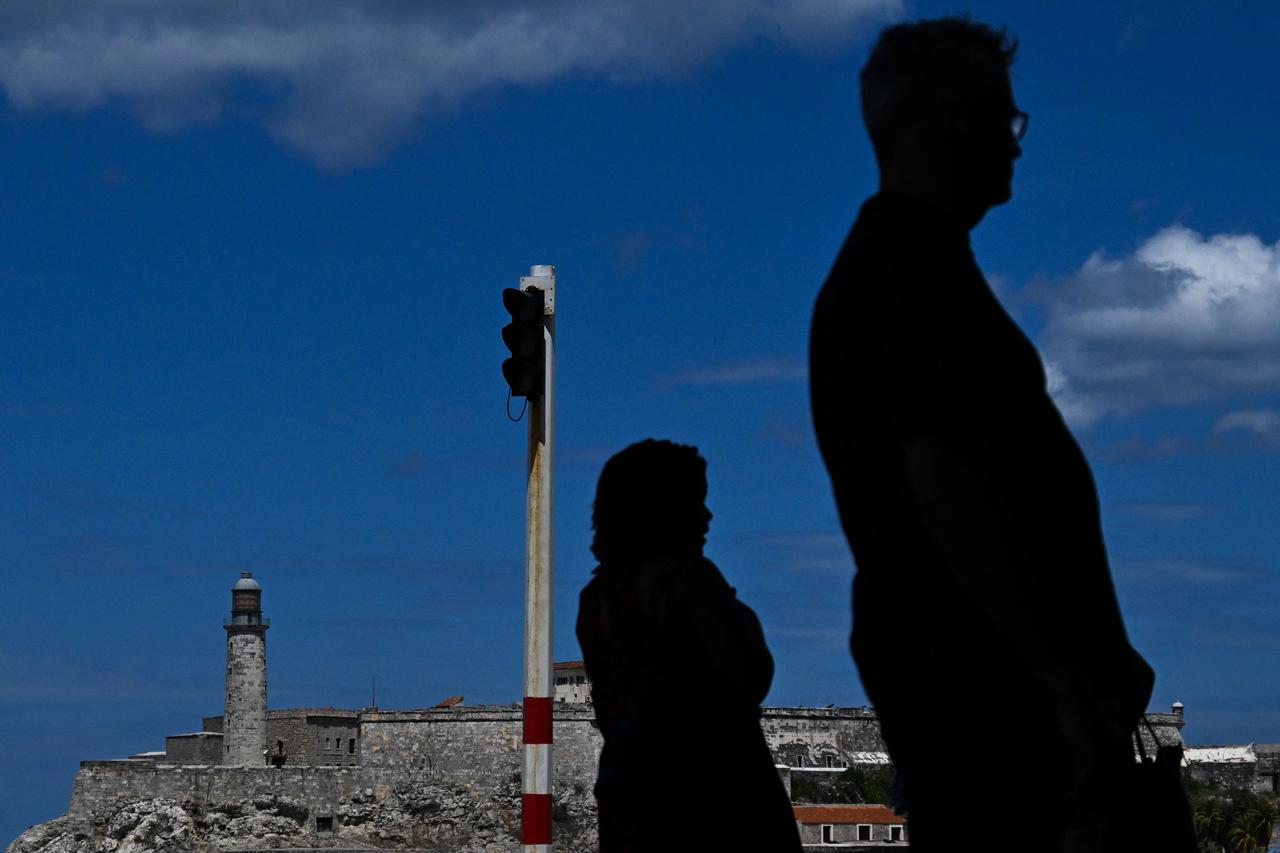


Cuba plunged into a complete nationwide blackout on Monday after the country's fragile power grid collapsed, deepening a humanitarian crisis driven by chronic fuel shortages and an ongoing US oil blockade against the island.
The state-owned Union Nacional Electrica de Cuba (UNE) confirmed the outage resulted from a "complete shutdown of the national grid" and said crews had begun working to restore electricity. The blackout is the second major power failure in weeks and comes as the country of 9.6 million people endures daily outages lasting up to 20 hours in some areas.
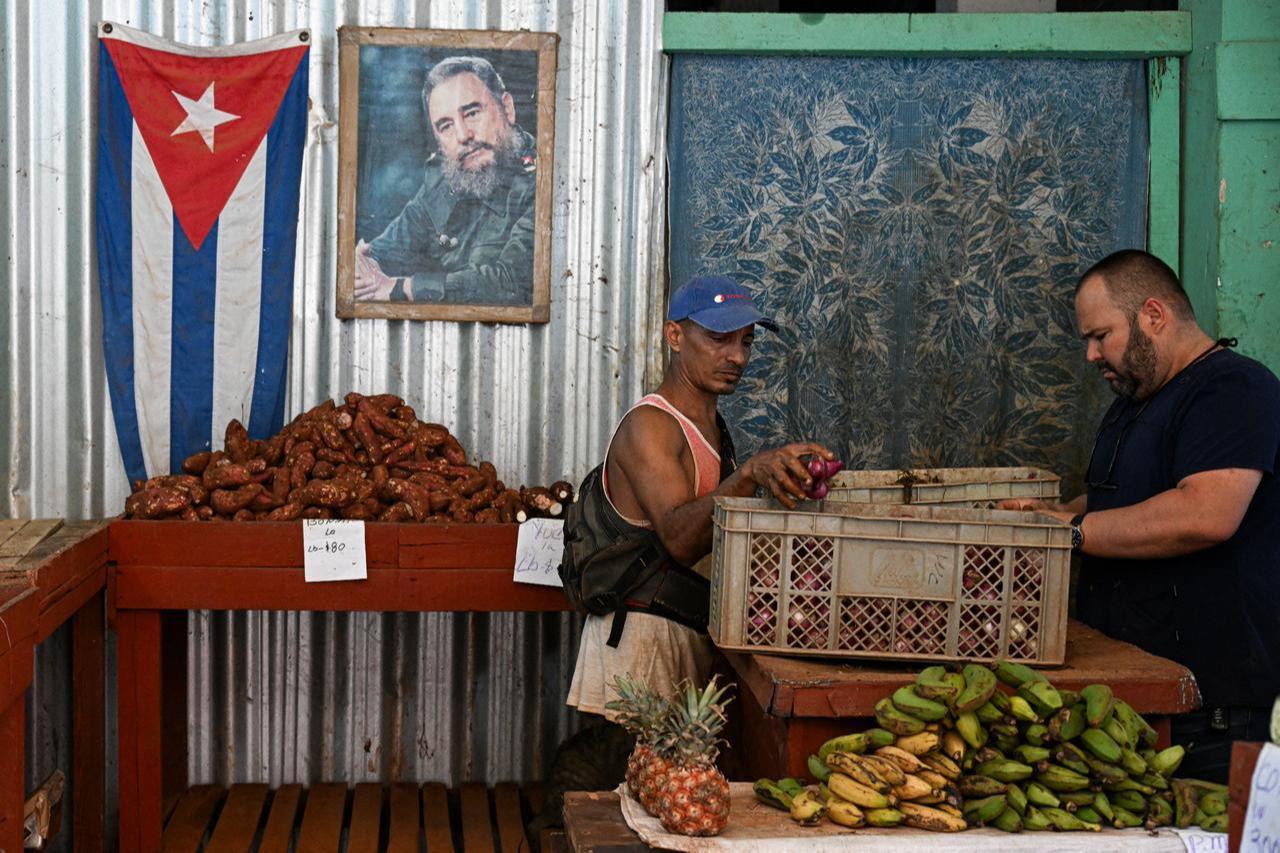

Cuba has not received a single oil import since January 9, following the US-backed ouster of Venezuelan President Nicolas Maduro on January 3. Venezuela had long been Cuba's most important energy lifeline, supplying the island with heavily subsidized crude oil under agreements dating back to the early 2000s.
The halt in shipments has crippled Cuba's already deteriorating power generation infrastructure. Airlines have been forced to reduce flights to the island, dealing a further blow to the tourism sector, one of the few remaining sources of hard currency for the Cuban economy.
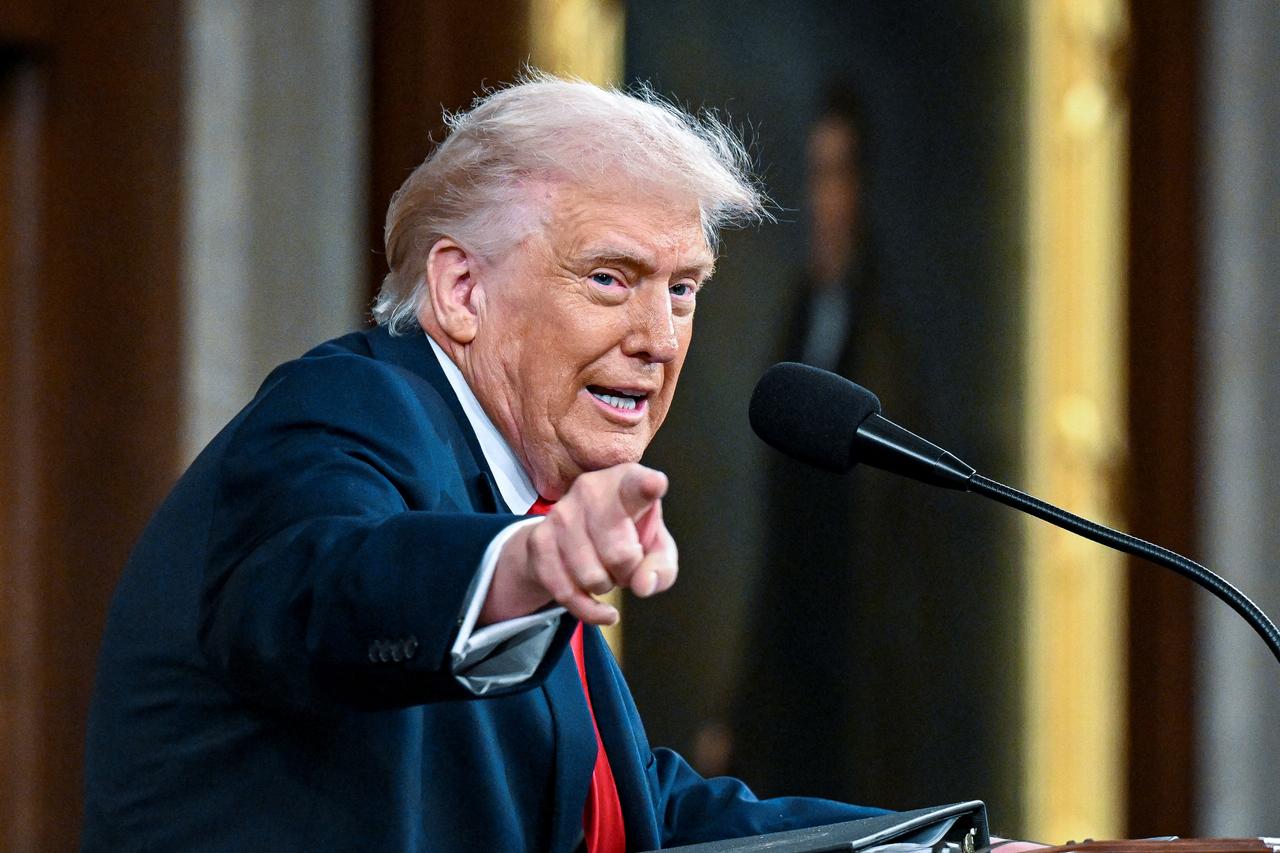
US President Donald Trump has maintained what amounts to a de facto oil blockade, which his administration has justified by citing what Trump called an "extraordinary threat" posed by Cuba to the United States.
The cascading failures in electricity, combined with persistent shortages of food, medicine and basic goods, are fueling rare public displays of anger. Demonstrators vandalized a provincial office of the Cuban Communist Party last weekend, part of a growing wave of protests in which residents bang pots and pans at night, at times shouting "Libertad," or freedom.
Cuban President Miguel Diaz-Canel acknowledged "the discontent our people feel because of the prolonged blackouts" in a post on X following an earlier outage in early March, when two-thirds of the country lost power for more than a day after a breakdown at the Antonio Guiteras power plant, Cuba's largest generating facility.
But Diaz-Canel drew a firm line against escalation. "What will never be comprehensible, justified or admitted is violence," he said.
The government has resorted to rationing gasoline sales and curtailing some hospital services as the fuel crisis deepens. Diaz-Canel also disclosed last week that his government had entered into talks with the United States.
Trump said Sunday that Cuba "wants to make a deal," suggesting an agreement could materialize once his administration has concluded its military campaign against Iran.
"I think we will pretty soon either make a deal or do whatever we have to do," Trump told reporters aboard Air Force One.
The remarks signal that while Washington may be open to negotiations, Cuba is not a near-term priority for the Trump administration, leaving the island's immediate crisis without a clear resolution.
Cuba's electrical grid has long suffered from decades of underinvestment and the effects of the US trade embargo, first imposed in 1962 and widely regarded as one of the most enduring economic sanctions regimes in modern history. The country relies heavily on aging thermoelectric plants that require consistent fuel supplies to operate, making it uniquely vulnerable to any disruption in oil imports.


 Set as preferred source
 Set as preferred source


 1 min read
 1 min read