Newsletters


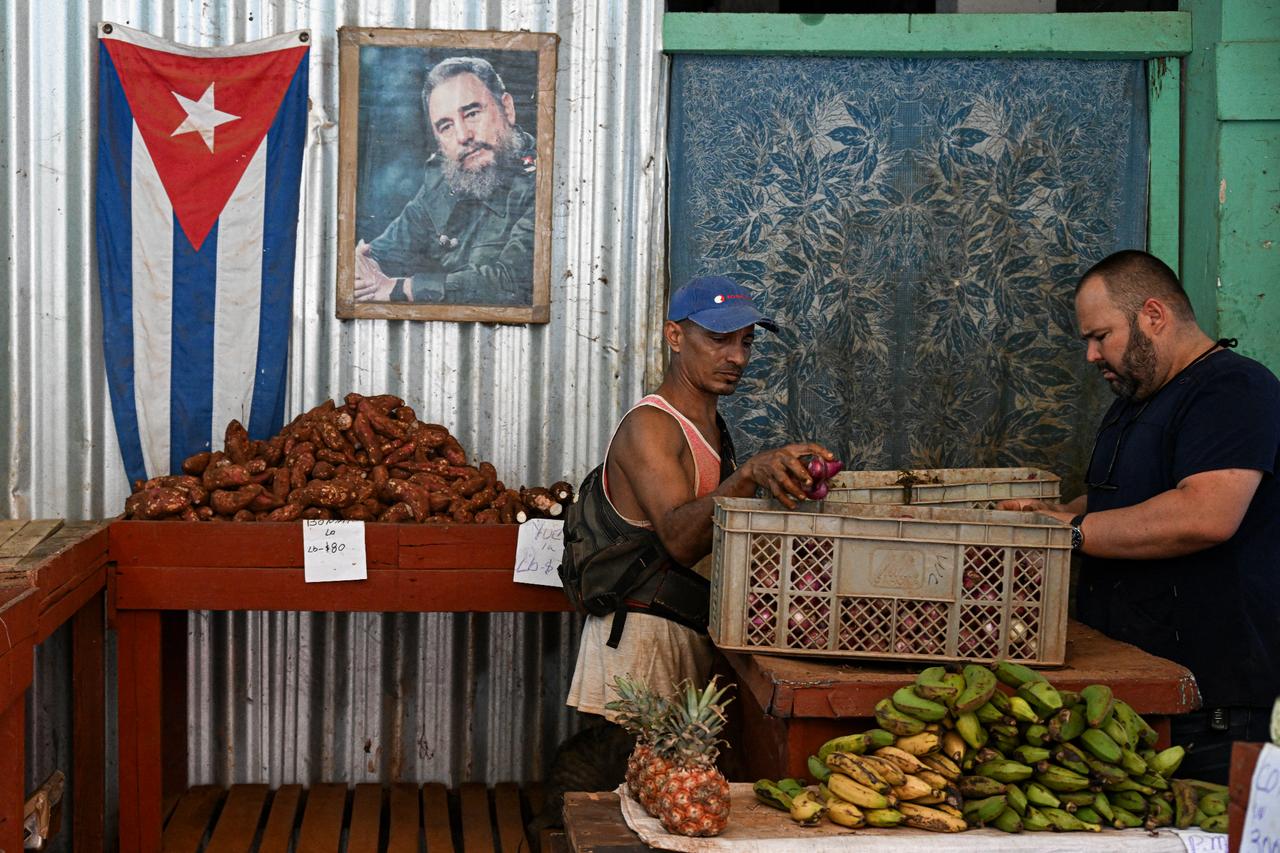


Cuba announced Monday that it will allow citizens living abroad to invest in and own businesses on the island, a landmark policy shift as the communist nation's economy teeters under a US oil blockade and mounting pressure from the Trump administration.
Oscar Perez-Oliva, who serves as both foreign trade minister and deputy prime minister, unveiled the reform in an interview with NBC News ahead of a planned national address Monday night. He signaled Havana's willingness to engage economically not only with American companies but specifically with the Cuban emigre community.
"Cuba is open to having a fluid commercial relationship with US companies" and "also with Cubans residing in the United States and their descendants," Perez-Oliva told NBC News.
The announcement marks a striking overture toward a diaspora that has long been at odds with the Cuban government, particularly the large exile community in Miami, many of whom fled after Fidel Castro's 1959 revolution or during subsequent waves of emigration as economic hardship deepened on the island. That community has historically maintained a staunchly anti-regime stance.
Perez-Oliva made clear the policy extends well beyond small-scale commerce. "This extends beyond the commercial sphere," he said. "It also applies to investments, not only small investments, but also large investments, particularly in infrastructure."
The minister said the reform is designed to revitalize critical sectors including tourism and mining, and to rebuild Cuba's deteriorating electrical grid, a system plagued by frequent breakdowns that have at times plunged the entire nation into darkness.
Cuba's power infrastructure has long been one of the most visible symbols of the island's economic decay, with rolling blackouts becoming a near-constant feature of daily life for its 11 million residents.
The reform comes as Cuba faces what may be its most severe economic crisis in decades. The Trump administration has imposed an oil blockade on the island as part of a broader campaign Washington says is aimed at regime change. The move has compounded existing food shortages and power outages driven by US trade sanctions that have been in place since 1962.
Cuba had relied heavily on Venezuela for oil supplies, but that lifeline was severed after the US-backed overthrow of Venezuelan President Nicolas Maduro in January. President Trump, who has said he effectively controls Caracas, cut off the flow of Venezuelan crude to the island.
The combined effect of the embargo and the loss of Venezuelan support has brought Cuba's already fragile economy to the edge of collapse.
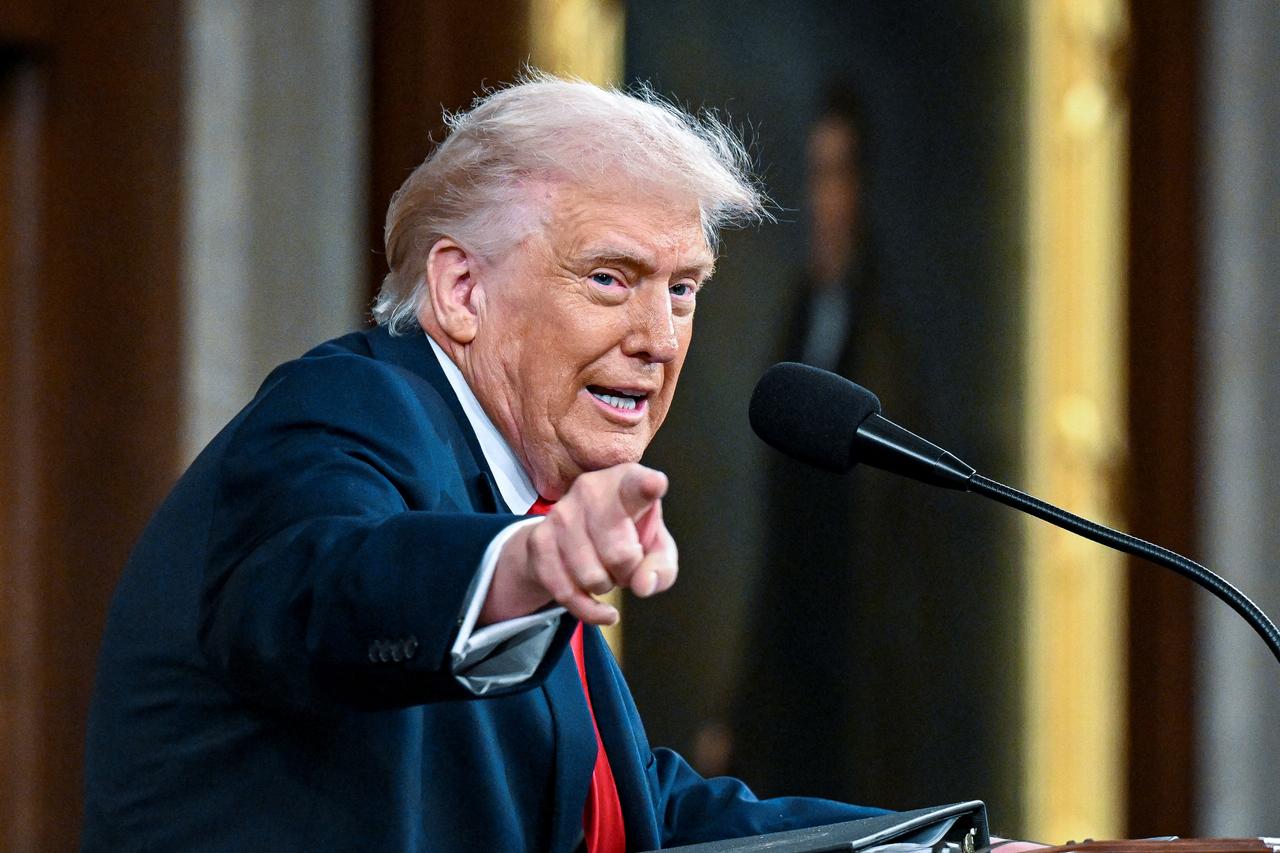
Despite the escalating pressure, both sides have indicated that diplomatic engagement may be underway. President Trump told reporters aboard Air Force One on Sunday that a deal with Cuba could materialize soon.
"Cuba also wants to make a deal, and I think we will pretty soon either make a deal or do whatever we have to do," Trump said, adding that he intends to address Iran before turning his full attention to Cuba but expects "something will happen with Cuba pretty quickly."
Cuban President Miguel Diaz-Canel confirmed Friday that his government had held talks with the United States over what he described as "bilateral differences," though he offered no details about the substance of those discussions.
Trump has previously stated that Cuba would be "next" on his agenda following the Iran conflict and the removal of Maduro, signaling that Havana remains a priority target for his administration's foreign policy.
Monday's investment reform appears to be Havana's attempt to shore up its battered economy while simultaneously positioning itself for potential negotiations with Washington, extending an olive branch to the very community that has most fiercely opposed it.


 Set as preferred source
 Set as preferred source


 1 min read
 1 min read