Newsletters


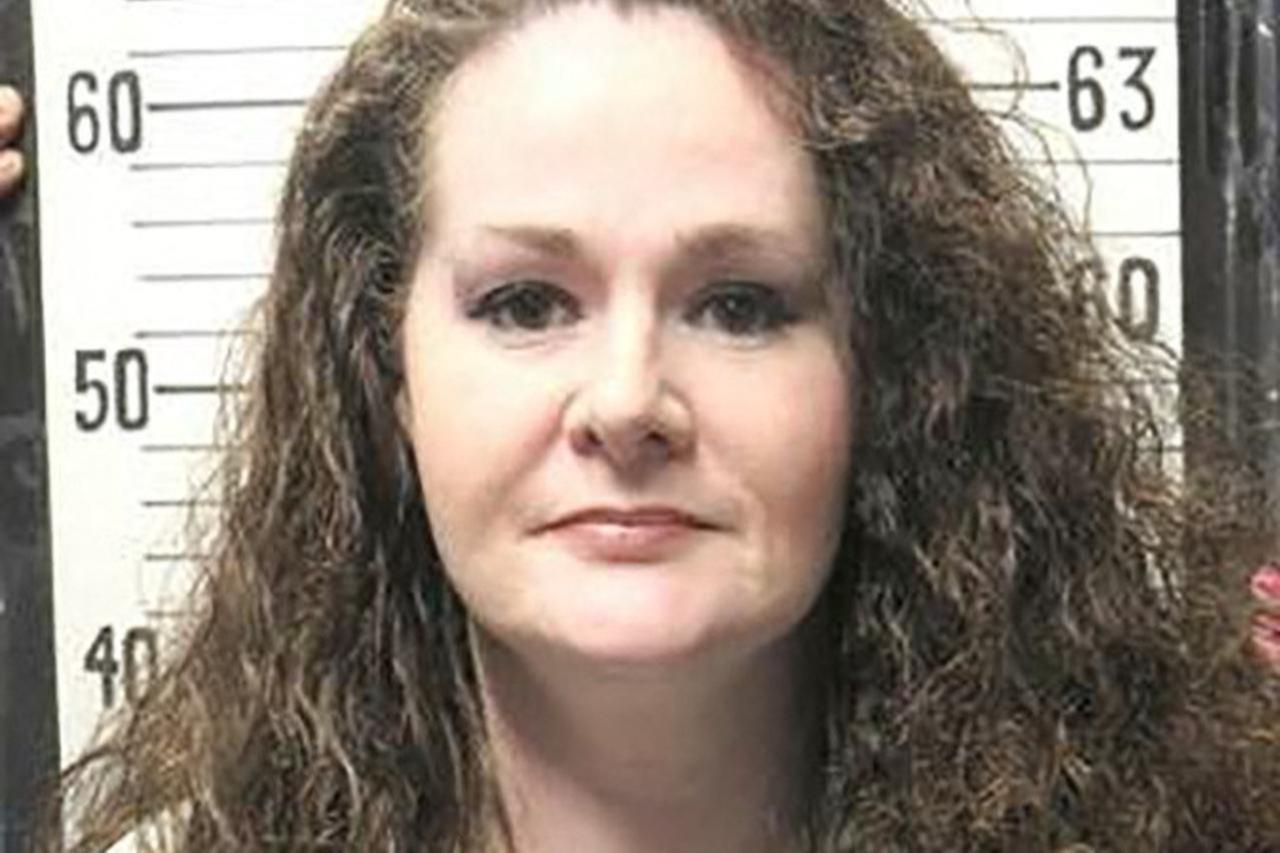


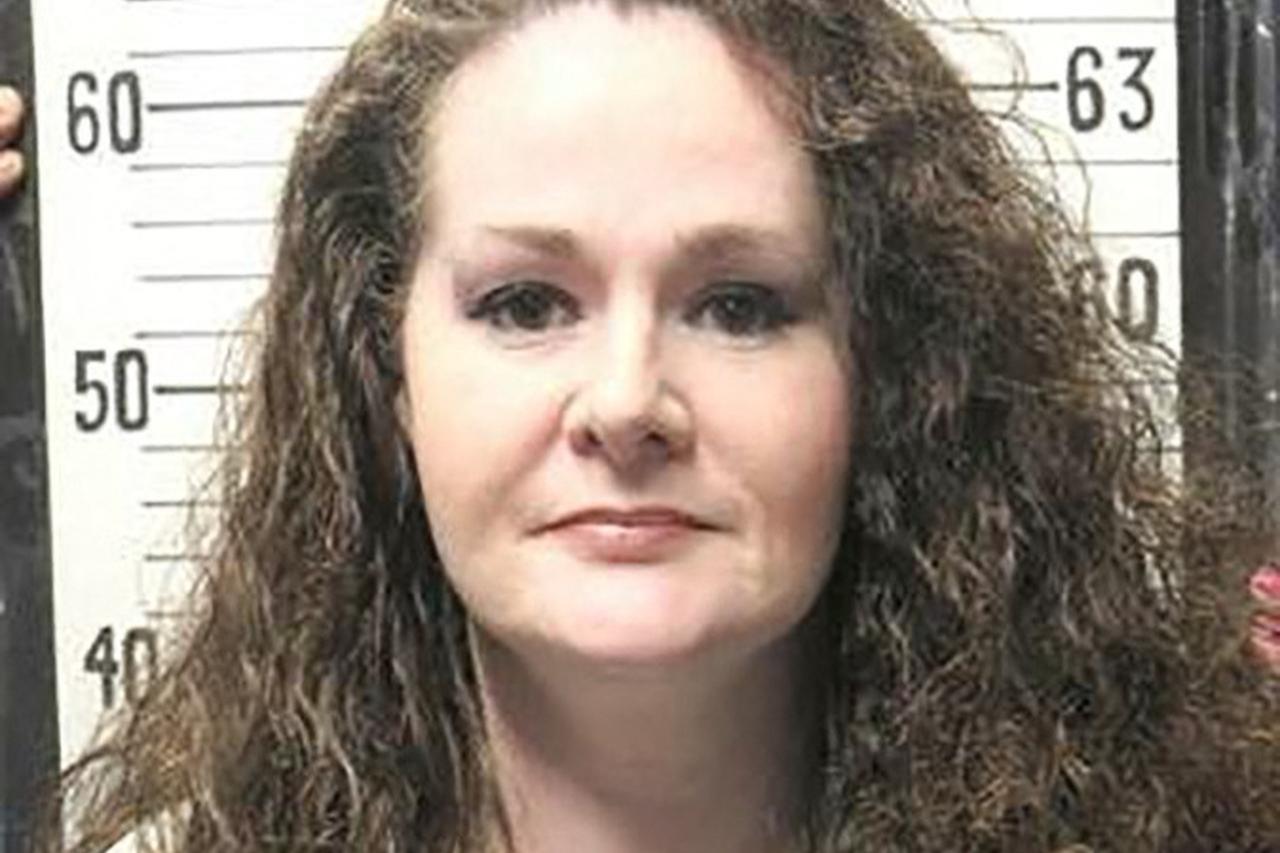
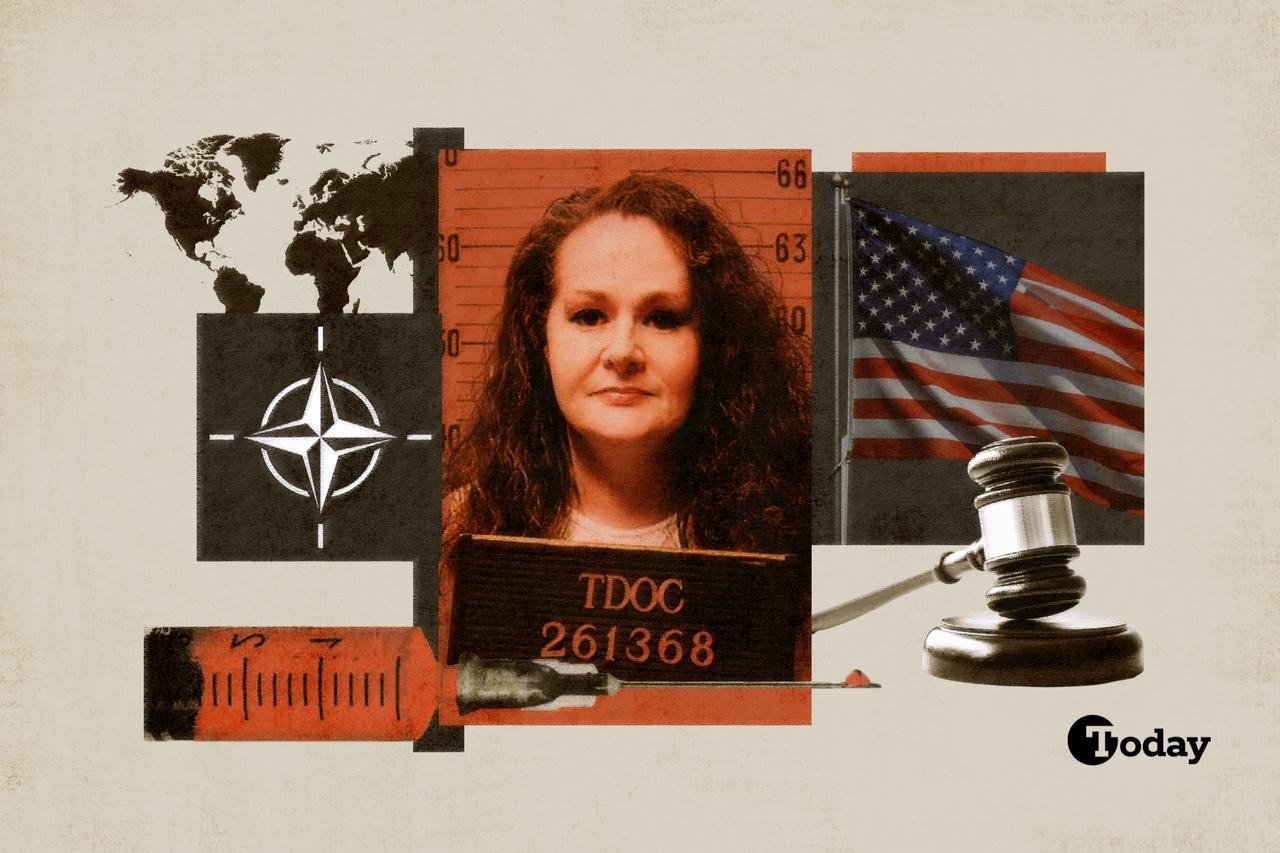
Emergency dispatchers in the United States initially suspected that a call reporting the failed execution of death row inmate Christa Pike was a prank, delaying medical help for her, according to a media report published Tuesday.
Fox News, citing recordings of the calls, reported that the first 911 call came at about 8:40 p.m. on Sept. 30, roughly an hour after Pike’s lethal injection began at Riverbend Maximum Security Institution in Nashville, Tennessee. Pike, 49, survived the procedure and was later taken to a hospital, according to her attorneys.
The caller told dispatchers that Pike was alive and struggling to breathe, but could not supply a code verifying the emergency, according to the recordings. A dispatcher then asked whether the report was genuine or a prank.
At 9:03 p.m., a second dispatcher said supervisors had concluded the call was false and that no medical assistance was needed.
Pike’s attorney, Kelly Gleason, phoned 911 at about 9:08 p.m. She told dispatchers that her client had survived the execution and urgently needed medical care.
The recordings also show confusion among prison personnel, who at first denied having placed an emergency call. Separately, a first responder reported that a person who identified themselves as a state official was standing outside the prison gate and insisting the emergency was real.
Emergency personnel were eventually admitted to the prison, and Pike was transferred to a hospital.
Pike’s attorneys said she survived two doses of the execution drug pentobarbital and remained unconscious for six days. She regained consciousness Oct. 6, they said, and returned to prison on Oct. 10 for continued medical care.
Tennessee Gov. Bill Lee has suspended further executions while the state reviews the failed procedure.
Pike was convicted of first-degree murder in 1996 for the January 1995 killing of fellow Knoxville Job Corps student Colleen Slemmer. She was 18 at the time of the crime. She is the only woman on Tennessee’s death row, and her execution would have been the first of a woman in the state in more than 200 years.


 Set as preferred source
 Set as preferred source


 1 min read
 1 min read