Newsletters


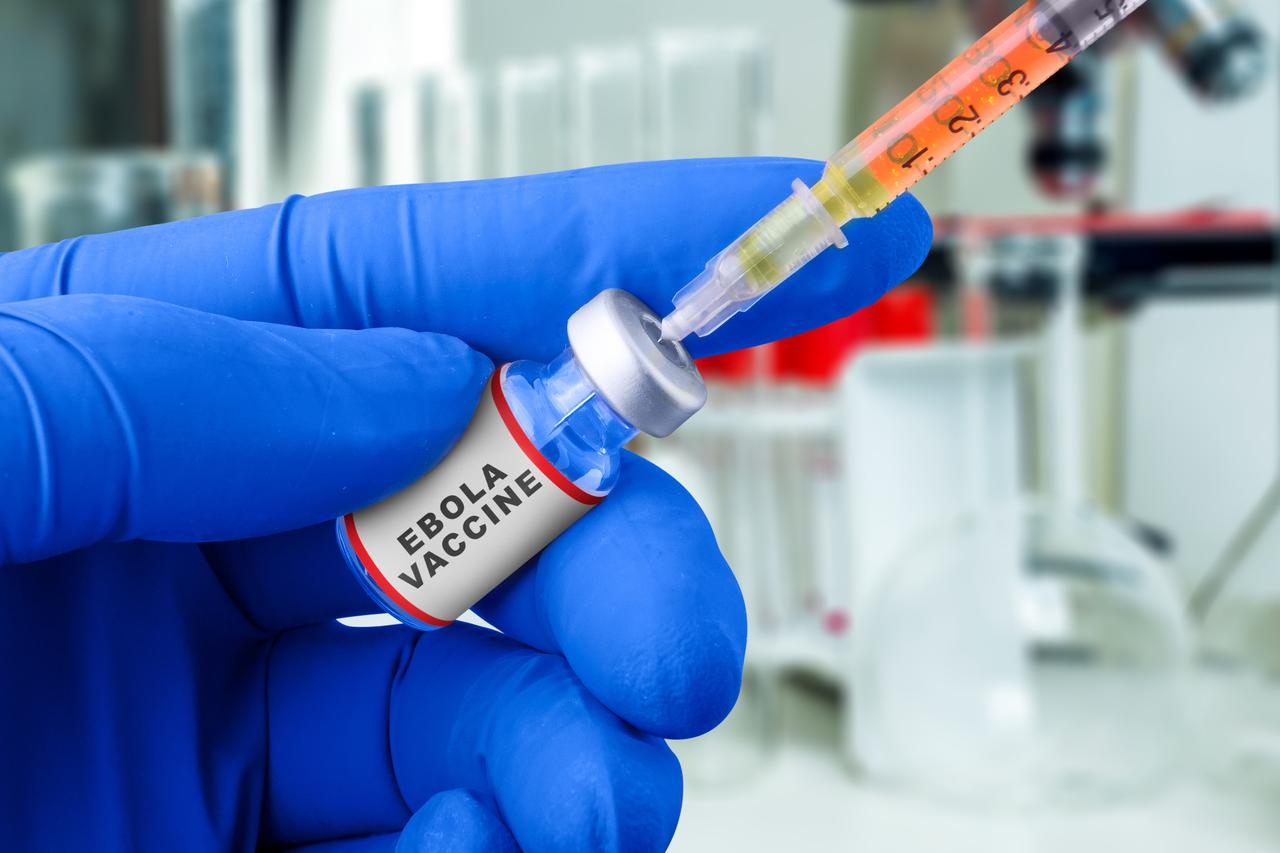


A candidate vaccine against the Bundibugyo strain of the Ebola virus has entered a new stage of clinical testing in Uganda, an official at the Africa Centers for Disease Control and Prevention (Africa CDC) said Thursday, as authorities work to contain an outbreak in the Democratic Republic of Congo.
Wessam Mankoula, lead of the continental incident management support team for the Ebola response, told a virtual news conference that Phase Ib trials of the ChAdOx1 vaccine began in Uganda on Oct. 6. The vaccine was developed by the University of Oxford.


Mankoula said Phase Ia trials of the Oxford vaccine began in Britain in July. Another candidate vaccine, developed by Moderna, recently received ethical approval for Phase Ib trials in Uganda. Its Phase Ia trials began in Canada in August.
Phase I trials are early-stage studies that mainly assess a vaccine’s safety and the immune response it produces.

DR Congo has recorded 8,728 confirmed Ebola cases, including 4,205 deaths, since the outbreak was declared in May, according to the latest Health Ministry update. Reported deaths equal about 48% of confirmed cases.
The epidemic has affected seven provinces: Haut-Uele, Ituri, North Kivu, South Kivu, Bas-Uele, Tshopo and South-Ubangi. Most of these provinces lie in the country's north and east, and several border Uganda or other neighboring states.
Kenya, which lies east of Uganda, reported its first imported case this week. The patient died after traveling from the DR Congo.

The current outbreak is caused by the Bundibugyo Ebola virus, for which no vaccine or treatment has been approved.
In August, the global Ebola virus disease vaccine stockpile allocated 70,000 Ervebo vaccines to DR Congo for use in the current outbreak. The vaccine is approved for use against the Zaire Ebola virus, a different species of the pathogen.
More than 7,700 healthcare and other frontline workers have been vaccinated so far, Mankoula said.
The Coalition for Epidemic Preparedness Innovations (CEPI) announced a $16.5 million partnership in August with African biopharmaceutical company Minapharm Group to develop its Bundibugyo vaccine candidate.

Researchers first identified the Bundibugyo virus during a 2007 outbreak in Uganda’s Bundibugyo district. DR Congo recorded an earlier outbreak of the same strain in 2012.
Several related virus species cause Ebola outbreaks, and vaccines licensed against one species do not necessarily protect against another, so researchers are developing candidates specific to the Bundibugyo strain.


 Set as preferred source
 Set as preferred source



 3 min read