Sign in
 Newsletters


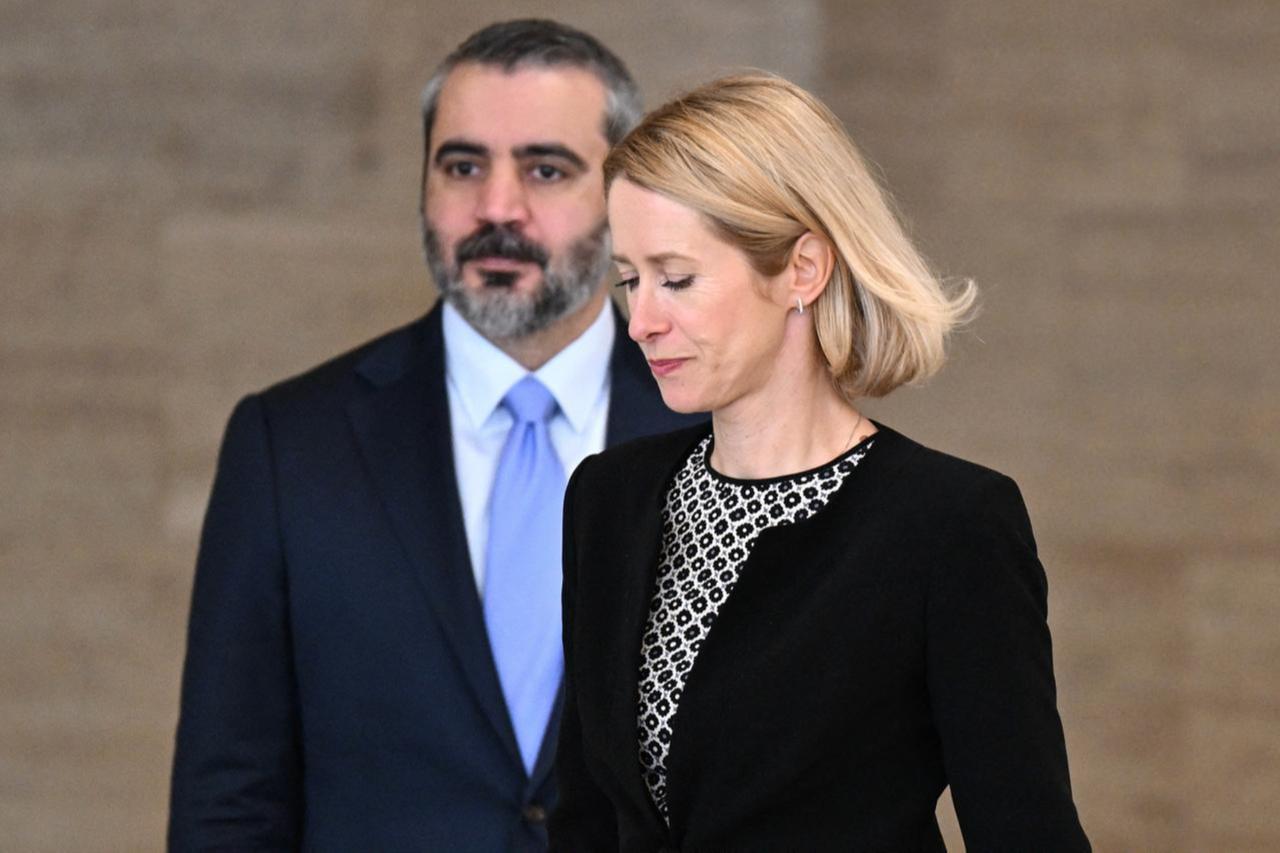


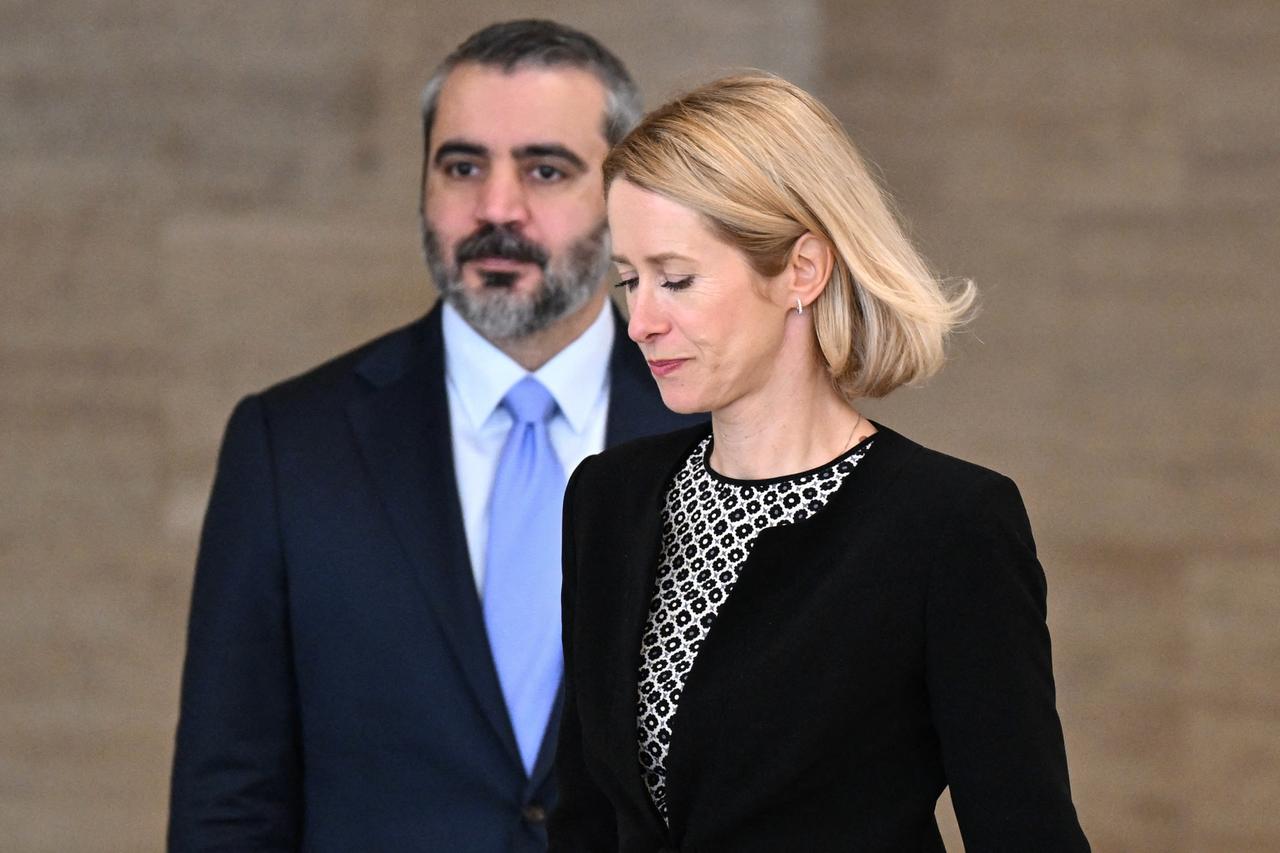
The European Union aims to strengthen its partnership with Syria to the same level as its other Mediterranean partners, EU foreign policy chief Kaja Kallas said Monday, emphasizing the country's need for investment, institutional development and economic reforms.
Speaking to reporters ahead of an EU foreign ministers' meeting in Brussels, Kallas said Syria and the Middle East would be among the first issues discussed.
"We hope to raise our relations with Syria to the level we have with our other Mediterranean partners," Kallas said.
She said the EU was considering ways to turn its political support into concrete commitments and establish a more structured partnership with Damascus.
"We really see that Syria needs a lot of investment. Syria needs support to build its institutions and carry out its reforms," she added.
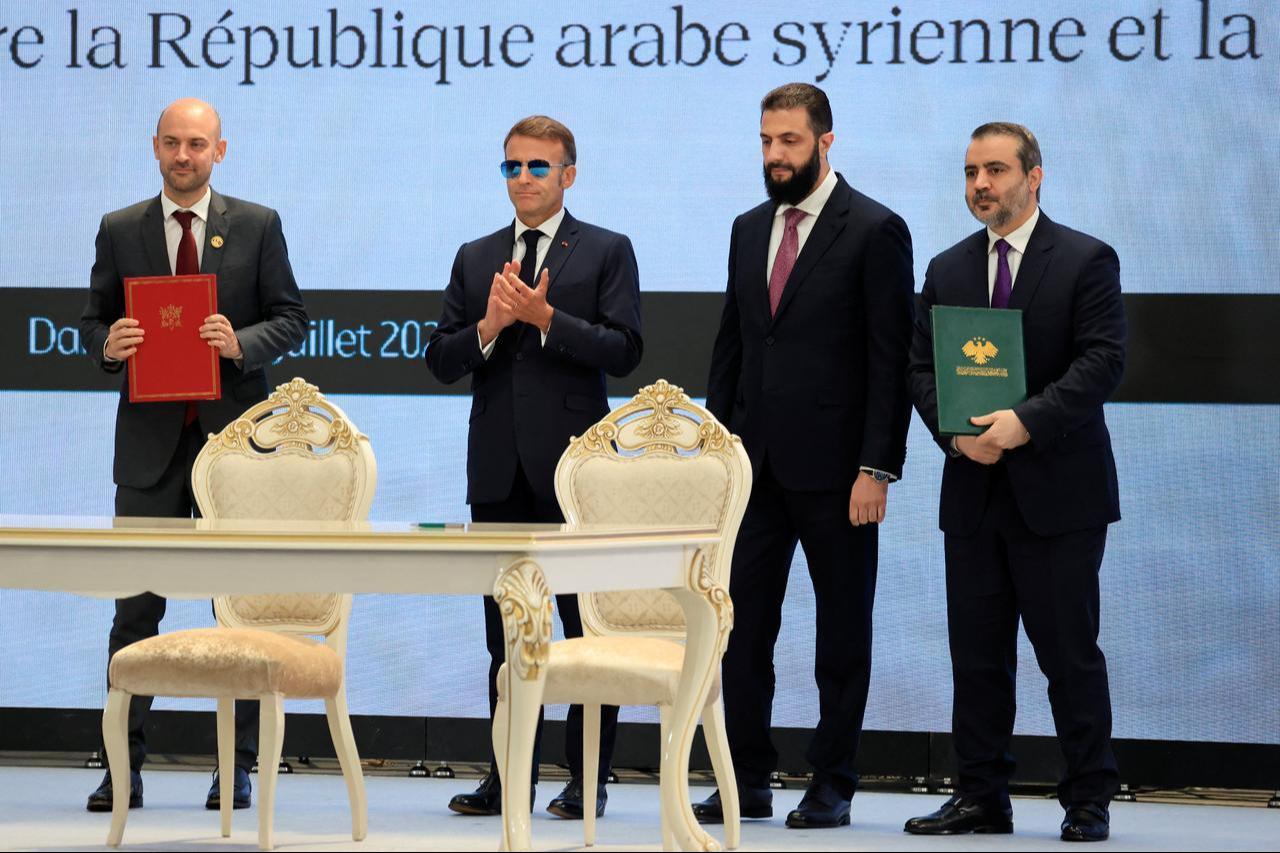

Kallas said she had witnessed the scale of destruction in Syria during a visit about a month earlier, underscoring the need for international assistance to rebuild the country.
During that visit, described by Syrian officials as the first by an EU foreign policy chief in 15 years, Kallas met Syrian Foreign Minister Asaad al-Shaibani at the Tishrin Palace in Damascus.
"The European Union is using its political and economic tools to help Syria on the path of inclusive and peaceful transition," she said at the time, linking further European support to continued domestic reforms.
Kallas also stressed the importance of creating conditions for Syrian refugees to return home, describing their return as a shared priority for Brussels and Damascus.
"We, on the European side, also want Syrian refugees to return. Syria also wants them to return to rebuild the country. But they also need the necessary conditions to return," she said.
She emphasized that Syria's stability serves the interests of both the EU and the wider region, while welcoming the country's ability to remain outside the ongoing regional conflict.
The EU has gradually restored relations with Syria since the fall of Bashar Assad's government in December 2024, adopting a phased and reversible approach to support the country's political transition and economic recovery.
Brussels suspended some economic sanctions on Feb. 24, 2025, before reaching a political decision on May 20 to lift broader economic restrictions.
The legal measures implementing that decision were adopted on May 28, while sanctions imposed for security reasons remained in place.
On May 11, the EU also agreed to fully restore the EU-Syria Cooperation Agreement, which had been partially suspended in 2011 over human rights violations under Assad's government.
The same day, Kallas and Shaibani co-chaired the first EU-Syria High-Level Political Dialogue in Brussels, marking another step toward strengthening diplomatic relations.


 Set as preferred source
 Set as preferred source


 2 min read

 1 min read