Sign in
 Newsletters


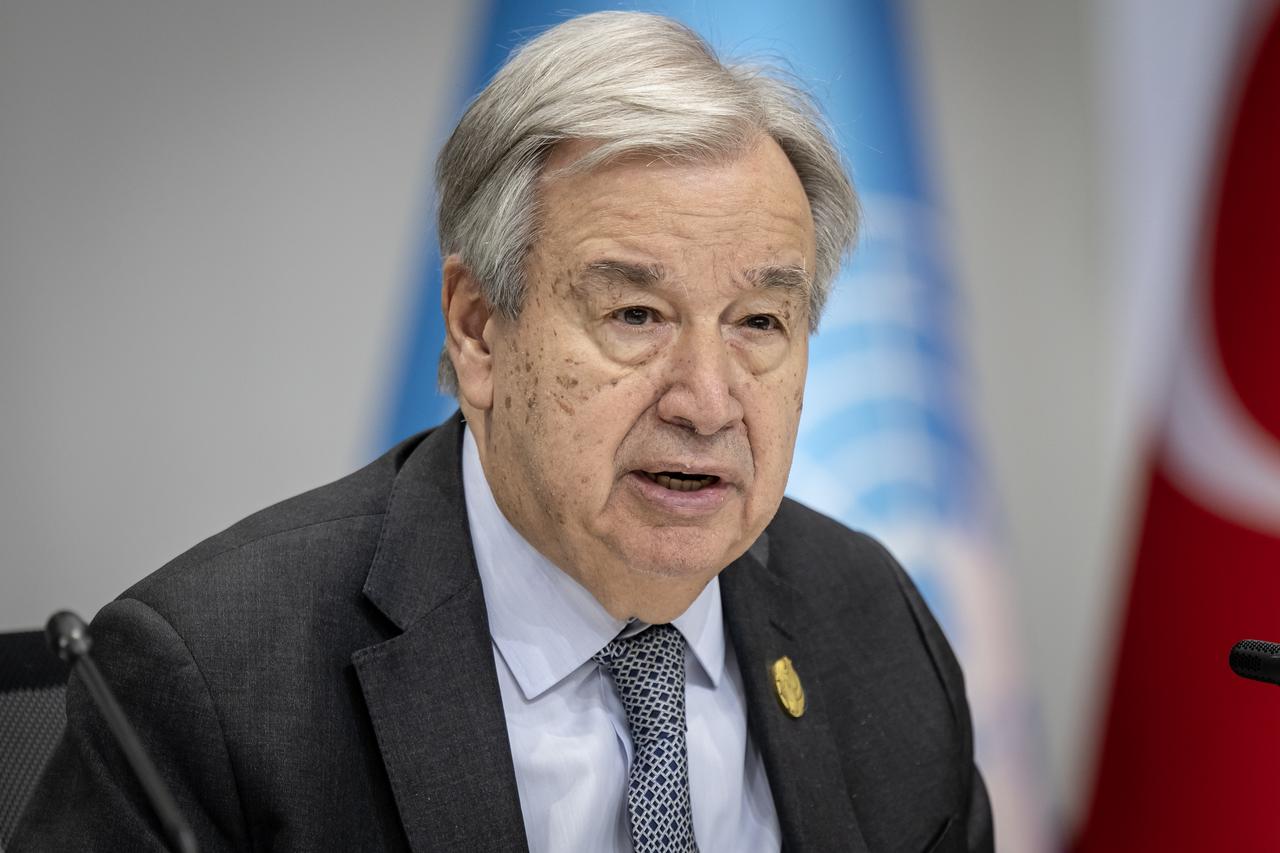


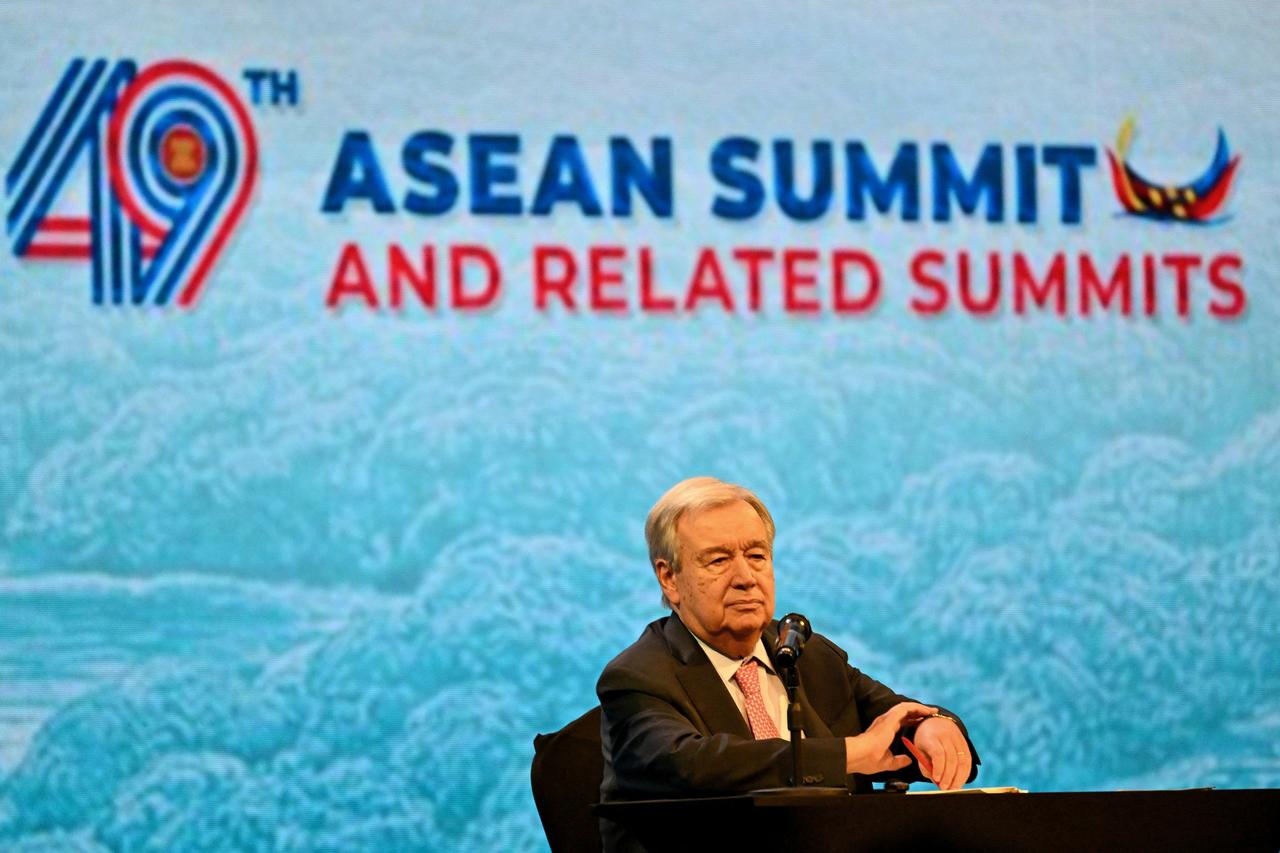
U.N. Secretary-General Antonio Guterres called for an immediate and unconditional ceasefire in Ukraine and urged the leaders of the United States, China and Russia to commit to nuclear disarmament, warning that escalating conflicts and climate change were deepening global instability.
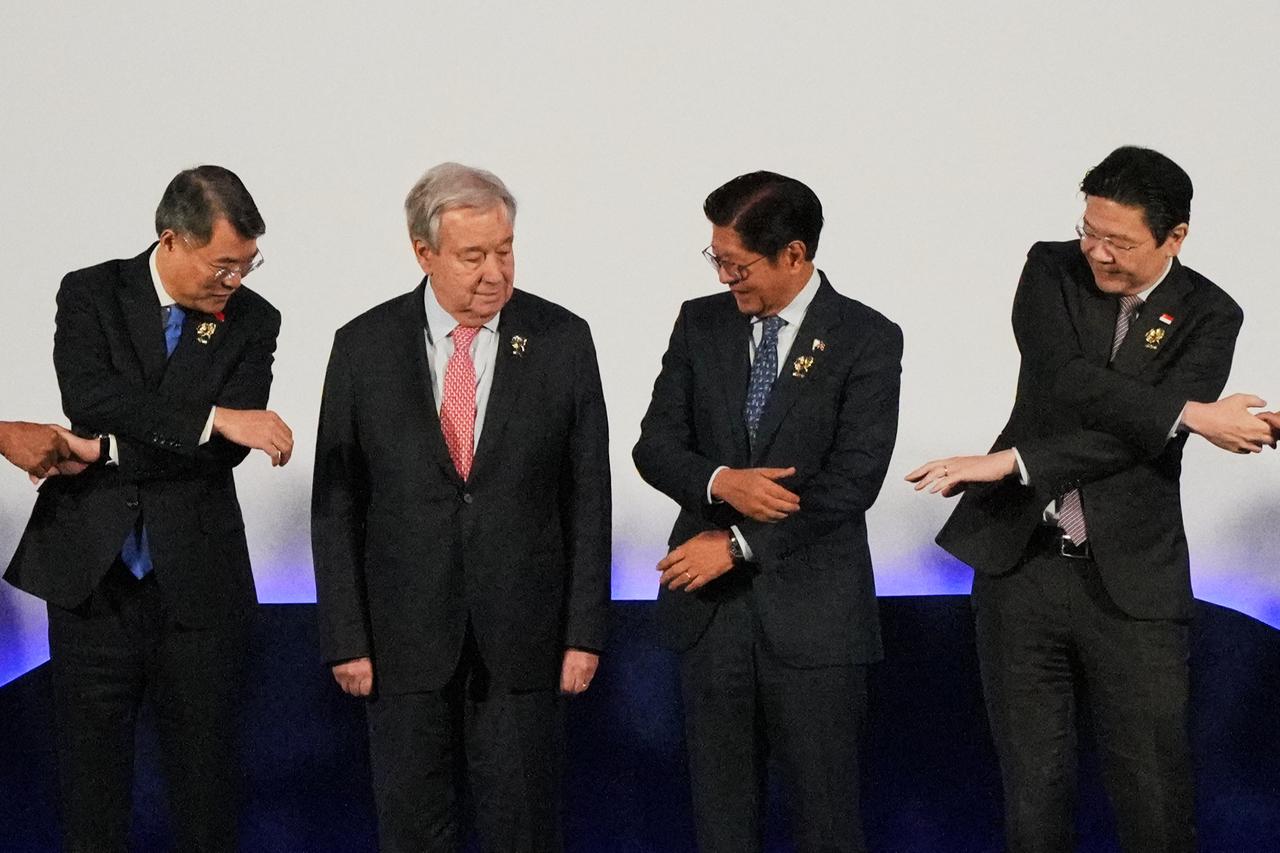
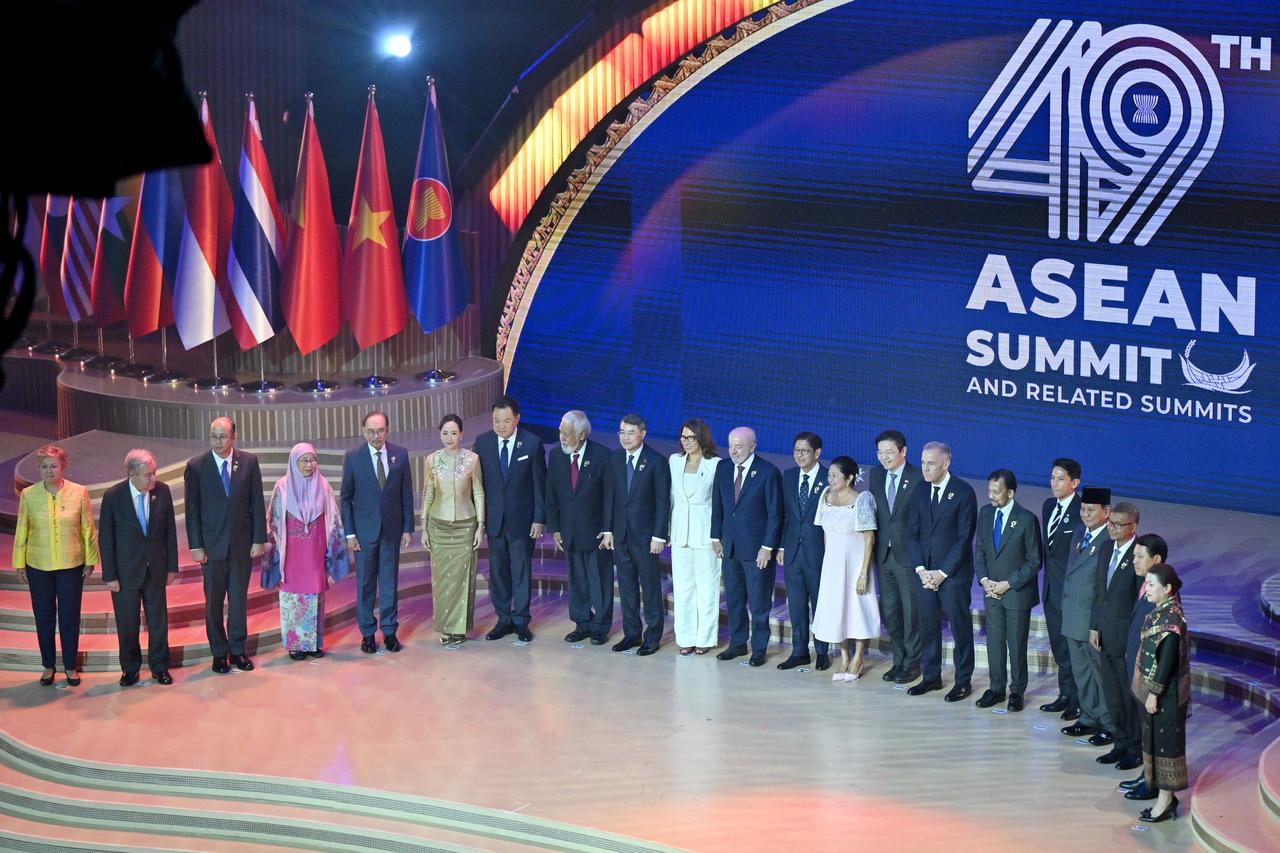
Speaking at a news conference on the sidelines of the Association of Southeast Asian Nations (ASEAN) summit in the Philippines, Guterres highlighted humanitarian crises in Gaza, Yemen, Ukraine, Sudan and Myanmar, stressing the need for urgent international action.
He said ongoing conflicts were inflicting immense suffering on civilians and called for humanitarian assistance to reach those in need without restrictions.

Turning to Myanmar, Guterres said the country's humanitarian situation had reached unacceptable levels, with airstrikes responsible for much of the civilian death toll.
More than 16 million people require humanitarian assistance, while over 4 million have been internally displaced, he said.
"Violence must end, impunity must end, and humanitarian aid must reach those in need, regardless of who controls the territory," Guterres said.
He also warned that conditions for the safe return of Rohingya Muslims to Myanmar had not yet been established.
The U.N. chief said he had personally witnessed the suffering of more than 1.2 million Rohingya Muslims who had sought refuge in neighboring Bangladesh.
Addressing global nuclear security, Guterres said a meaningful commitment to nuclear disarmament by the leaders of China, Russia and the United States would represent a major achievement for the international community.
"We believe that we cannot be fully secure without a world in which nuclear weapons have been completely eliminated," he said.
Guterres added that the United Nations stood ready to contribute to any potential nuclear disarmament initiative.
He also emphasized that no country could address global challenges alone, calling for stronger multilateral cooperation.
The secretary-general argued that international institutions, including the U.N. Security Council, had been designed around the geopolitical circumstances of 1945 and needed reform to reflect contemporary global realities.
On efforts to end Russia's war against Ukraine, Guterres acknowledged the difficulties facing diplomatic negotiations.
"To be honest, it is difficult to be optimistic," he said, reiterating that the United Nations' objective remained an immediate and unconditional ceasefire.
He also addressed tensions between Iran and the United States, describing the current situation as one of "neither peace nor war."
Guterres warned that the prolonged uncertainty was having devastating consequences for the global economy, including higher fuel prices.
Turning to climate change, Guterres called for a faster transition from fossil fuels to renewable energy, arguing that clean energy technologies had become more affordable and secure.
"The era of fossil fuels is coming to an end. Today, renewable energy is both cheaper and safer," he said.
Guterres said the world's nine largest oil companies had generated $95 billion in profits during the first quarter of this year.
He accused the fossil fuel industry of using its substantial earnings to finance lobbying campaigns and disinformation that obstructed public understanding of climate science.
"I believe political leaders know what is happening, but so far they have not shown the courage to confront these lobbies by taking responsibility for substantially reducing emissions and accelerating the transition away from fossil fuels," he said.
Guterres warned that extreme weather events linked to climate change would become increasingly severe, leaving developing countries in need of significantly greater financial assistance to strengthen their resilience.
He urged developed countries to triple their financing for climate adaptation but acknowledged that even such an increase would fall far short of global requirements.
"Even if we triple it, we will only be able to cover approximately 30% of the needs," he said.
Guterres also criticized the limited resources available through the international loss and damage fund, describing current funding levels as grossly inadequate compared with the scale of the challenge.
He warned that global temperatures were expected to exceed the 1.5-degree Celsius threshold within the next few years.
The priority, he said, should be to keep any overshoot as brief and limited as possible while reducing global greenhouse gas emissions by approximately 6% annually.


 Set as preferred source
 Set as preferred source


 1 min read
 1 min read