Newsletters


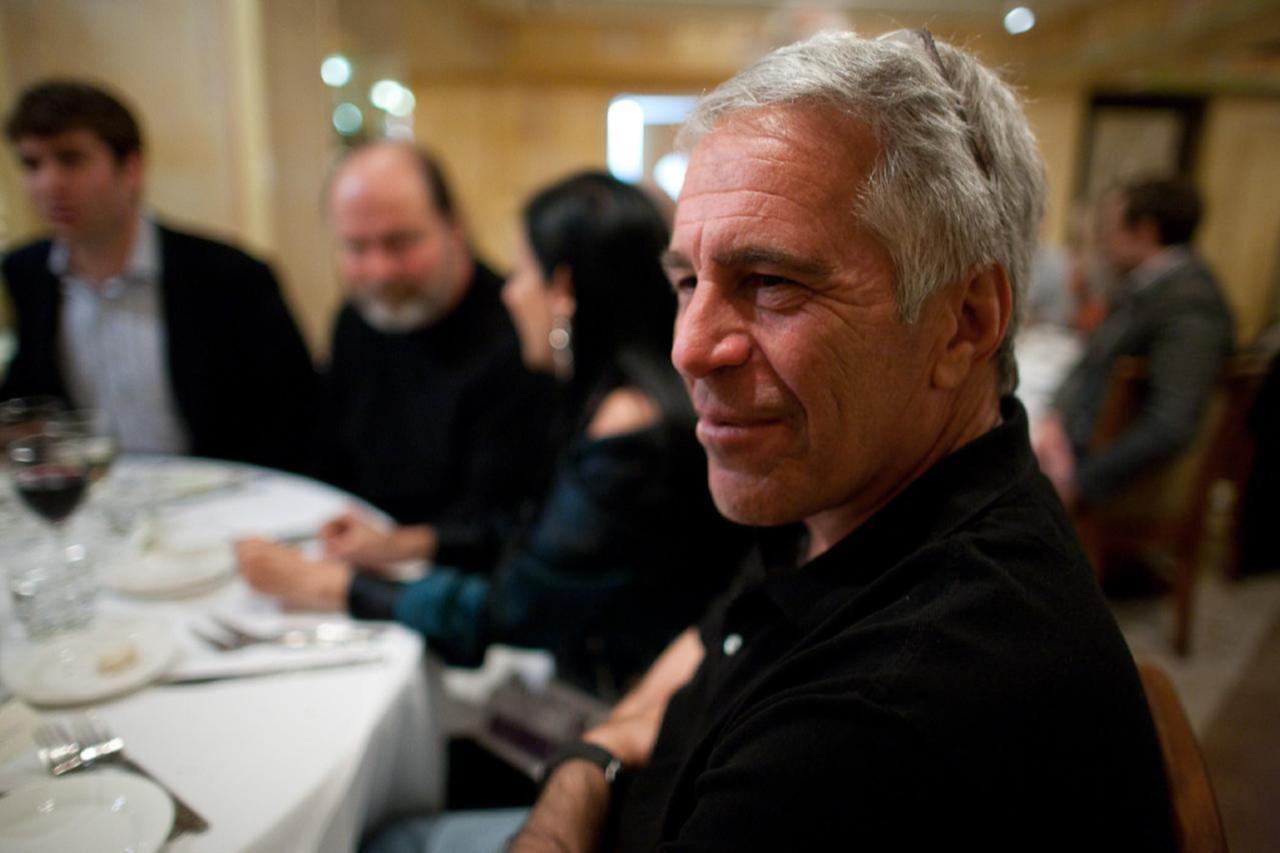


New emails suggest Jeffrey Epstein’s Manhattan apartment was not just guarded; it was protected.
Recently released documents from the U.S. Department of Justice show that Israeli officials installed security equipment and managed access at a Manhattan apartment building linked to convicted sex offender Jeffrey Epstein, where former Israeli Prime Minister Ehud Barak stayed for extended periods.
The correspondence, dating from 2016 onward, shows regular coordination between Epstein’s staff and Israel’s permanent mission to the United Nations regarding surveillance systems, access control, and visitor monitoring at a residence known in emails as “Ehud’s apartment.”
The revelations have drawn renewed scrutiny over Epstein’s network of contacts and the extent of his connections with political figures.
Well, the emails point to direct involvement.
The arrangements began in early 2016 at 301 E. 66th Street in Manhattan.
The apartment was officially owned by a company linked to Epstein’s brother, Mark Epstein, but was effectively controlled by Jeffrey Epstein.
Officials from Israel’s permanent mission to the United Nations regularly communicated with Epstein’s employees about security matters. The operation remained in place for at least two years, reports Anadolu.
The emails show that Rafi Shlomo, then director of protective service at Israel’s U.N. mission and head of former Israeli PM Ehud Barak’s security team, coordinated the installation of surveillance equipment and personally controlled access to the residence. He also conducted background checks on staff, including cleaners and employees connected to Epstein.
A January 2016 email exchange between Barak’s wife, Nili Priell, and an Epstein aide discussed installing alarms and surveillance equipment, including six “sensors stuck to the windows” and remote access control.
Priell wrote that security personnel could disable the system remotely before entry, adding that staff only needed to inform Shlomo “who and when is entering.”
Another email from an Epstein assistant stated that Epstein approved the installation, writing, "Jeffrey says he does not mind holes in the walls, and this is all just fine!”
Subsequent emails in 2017 show continued coordination, including requests for employee access lists and meetings between Israeli security officials and Epstein’s representatives.
Under Israeli law, former prime ministers and other senior officials typically receive state security protection after leaving office.
The documents confirm that Barak stayed at the apartment multiple times.
His longtime aide, Yoni Koren, also visited the residence on several occasions, including while serving as a senior official in Israel’s defense establishment. Emails indicate Koren continued to stay there while receiving medical treatment in New York until Epstein’s second arrest and death in 2019.
At the time of Epstein’s death, Barak downplayed the relationship, saying he had met Epstein several times but that Epstein “didn’t support me or pay me.”
Israeli Prime Minister Benjamin Netanyahu later addressed the connection, saying Epstein’s relationship with Barak did not indicate ties between Epstein and the Israeli state.
“Jeffrey Epstein’s unusual close relationship with Ehud Barak doesn’t suggest Epstein worked for Israel. It proves the opposite,” Netanyahu said.
The emails show that Israeli officials maintained communication with Epstein’s staff throughout 2016 and 2017 regarding access arrangements and security coordination. Neither Barak nor Israel’s mission to the United Nations responded to requests for comment, according to reports.


 Set as preferred source
 Set as preferred source



 2 min read