Newsletters


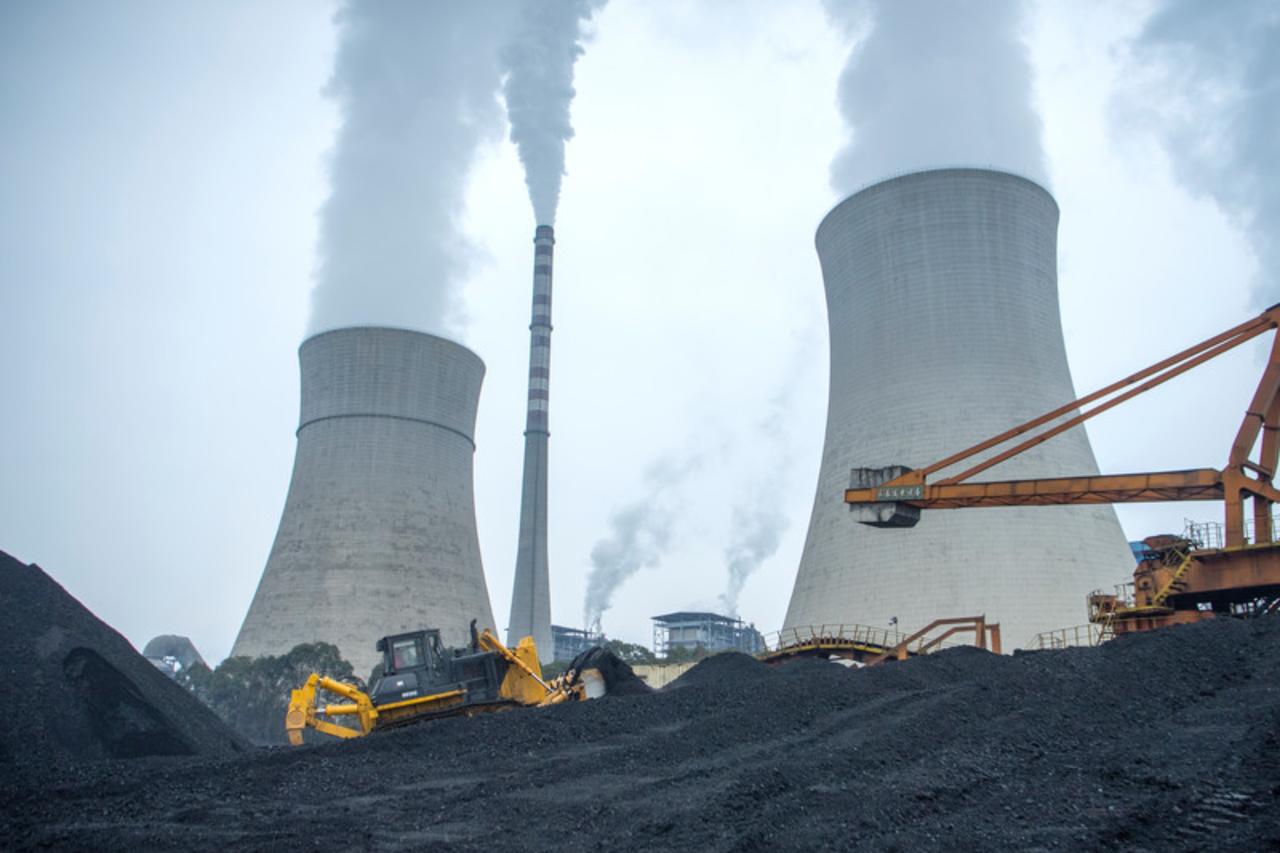


A new climate policy adopted by the European Union will begin full implementation on Jan. 1, 2026, introducing a carbon price on certain imported goods and potentially affecting a wide range of products and exporting countries, including Türkiye.
The regulation, known as the Carbon Border Adjustment Mechanism (CBAM), will apply a carbon cost to selected products imported into the EU based on the greenhouse gas emissions generated during their production.
The measure is expected to affect not only heavy industry but also products used in daily life.
Under CBAM, EU-based importers will be required to purchase certificates corresponding to the “embedded emissions” of carbon-intensive goods such as iron and steel, aluminum, cement, fertilizers, hydrogen and, at a later stage, electricity.
Simona Sagone, a researcher at Lund University’s Department of Ecological Transition, wrote in an article for The Conversation that the main objective of the mechanism is to prevent companies from shifting production to countries with weaker climate regulations.
She said the policy aims to ensure fair competition between EU-based firms and non-EU producers while encouraging global decarbonization.
Sagone noted that products originating from countries with weaker climate policies would face higher charges when entering the EU market, requiring producers to demonstrate that their goods are not excessively carbon-intensive.
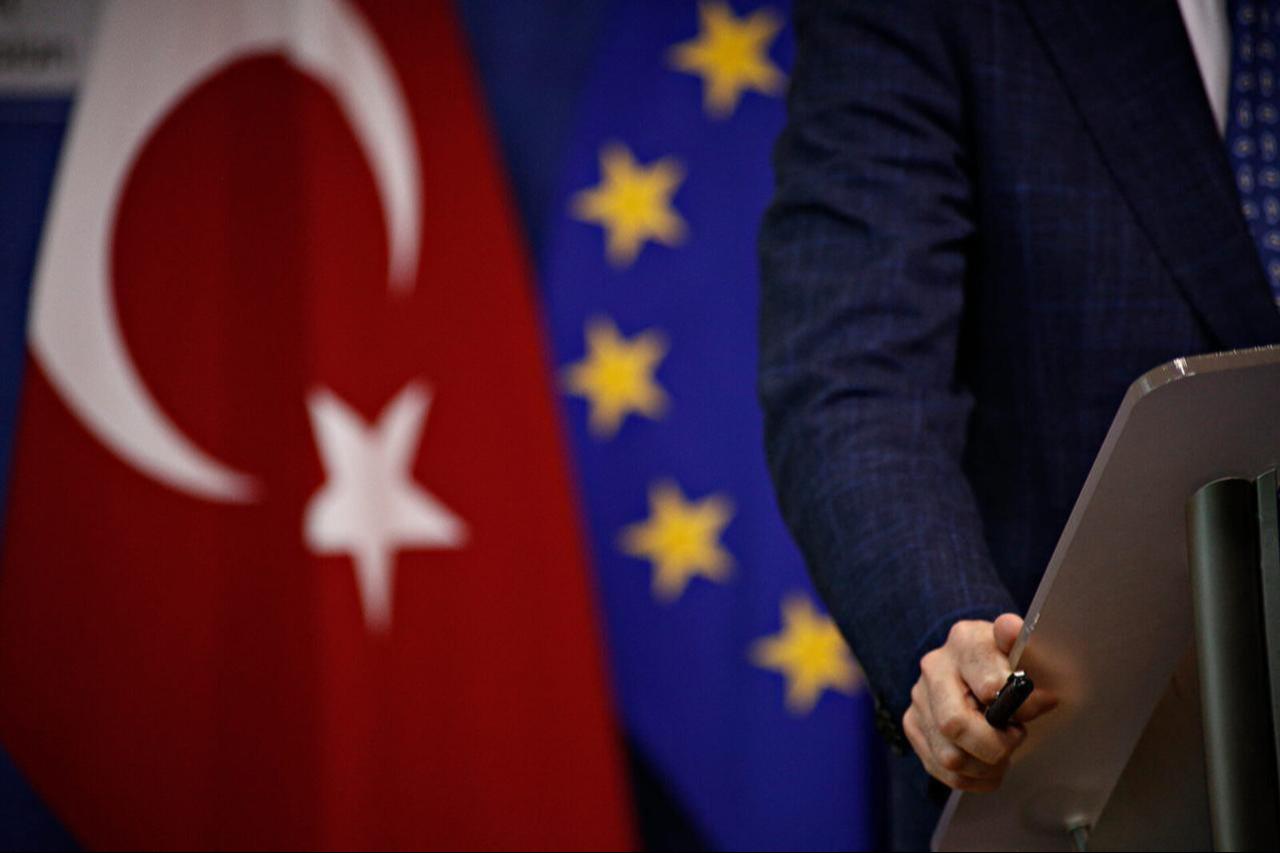

Although CBAM is an EU climate policy, it is expected to have significant implications for global trade.
Sagone said export-dependent countries may need to invest in clean technologies and strengthen emissions measurement and reporting infrastructure to maintain their market positions.
The EU is Türkiye’s largest trading partner. According to Trade International data, approximately 41% of Türkiye’s exports in 2024 were directed to EU countries.
In the first seven months of 2025, exports to the EU remained at a high level, particularly in vehicles, machinery and refined petroleum products.
Even before full implementation, companies have begun measuring and reporting emissions more accurately.
Several countries are also introducing domestic carbon pricing systems to protect export competitiveness.
Morocco’s 2025 fiscal law, for example, introduces a gradual carbon tax starting in January 2026, which would allow exporters to avoid additional CBAM charges at the EU border.
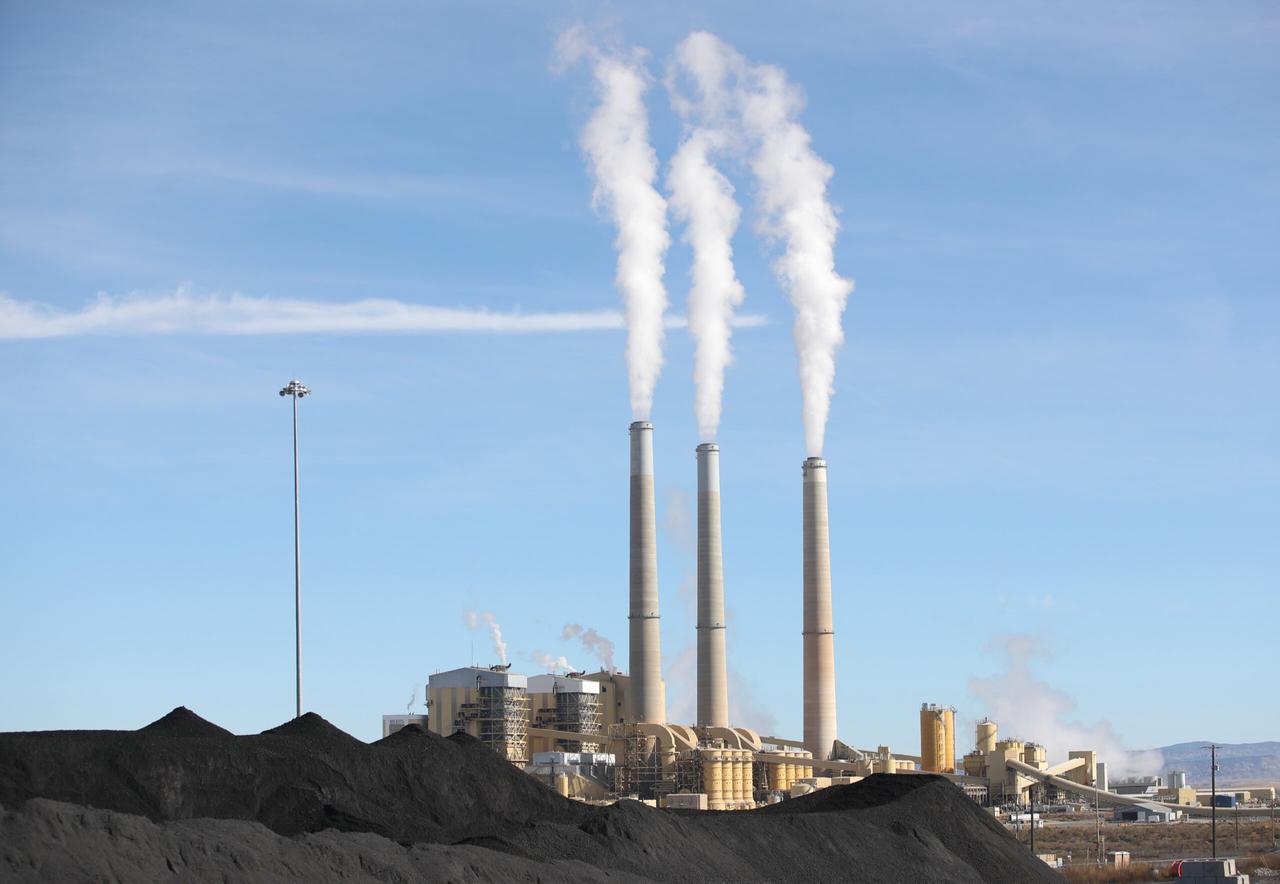
CBAM has faced criticism for being complex and bureaucratic.
Companies are required to measure embedded emissions, collect data from suppliers, prepare environmental product declarations and adjust production processes, including through renewable energy agreements, to reduce their carbon footprint.
Countries such as India and China have described CBAM as “green protectionism,” arguing that it places unfair pressure on developing economies.
Critics have also pointed out that the EU has not yet established a dedicated fund to support exporters in low-income countries, raising concerns about the mechanism’s effectiveness.
Sagone said the policy is expected to affect consumers, as importers are unlikely to absorb all additional costs.
Price increases may be seen in products linked to steel, aluminum and cement, including automobiles, household appliances, electronics, construction materials and, indirectly, food production through fertilizers.
CBAM revenues are expected to be used in many European countries to support vulnerable households, finance clean technologies and improve energy efficiency.
Sagone said the mechanism is already reshaping supply chains beyond Europe and influencing government policies, signaling a broader shift in how carbon is accounted for in global trade.


 Set as preferred source
 Set as preferred source


 1 min read
 1 min read