Newsletters


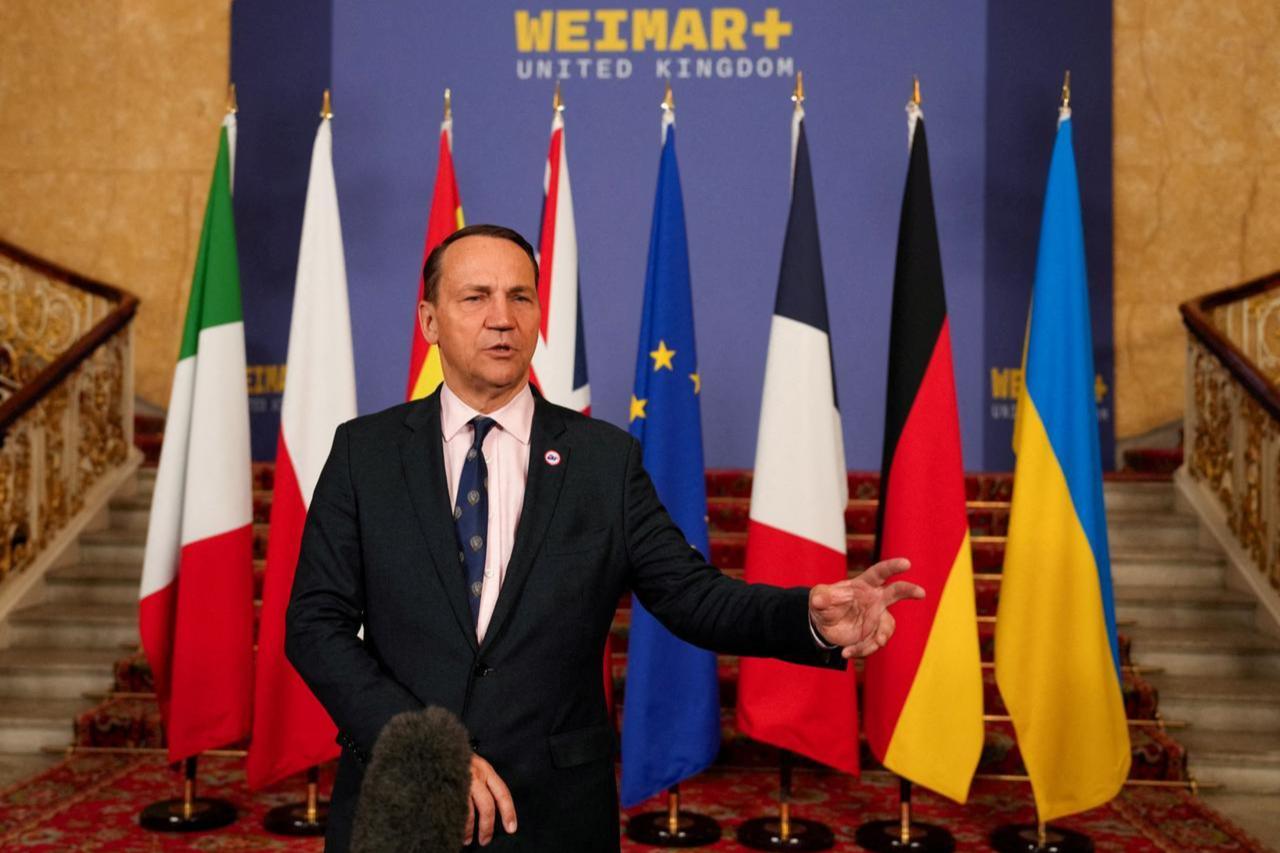


Poland's Deputy Prime Minister and Foreign Minister Radoslaw Sikorski delivered a pointed message to Washington at the Munich Security Conference, declaring that Europe is now bearing the financial burden of the war in Ukraine and must be represented in any negotiations over the conflict's future.
Speaking on a panel titled "Holding the Line: Defending Europe and Supporting Ukraine" at the 62nd edition of the conference, Sikorski said American spending on Ukraine had dropped to near zero over the past year, a reality he argued was not being adequately covered in the United States.
"I would especially like our American guests to know, because this is not fully covered in the American press, we are now paying the cost of this war," Sikorski told the audience.
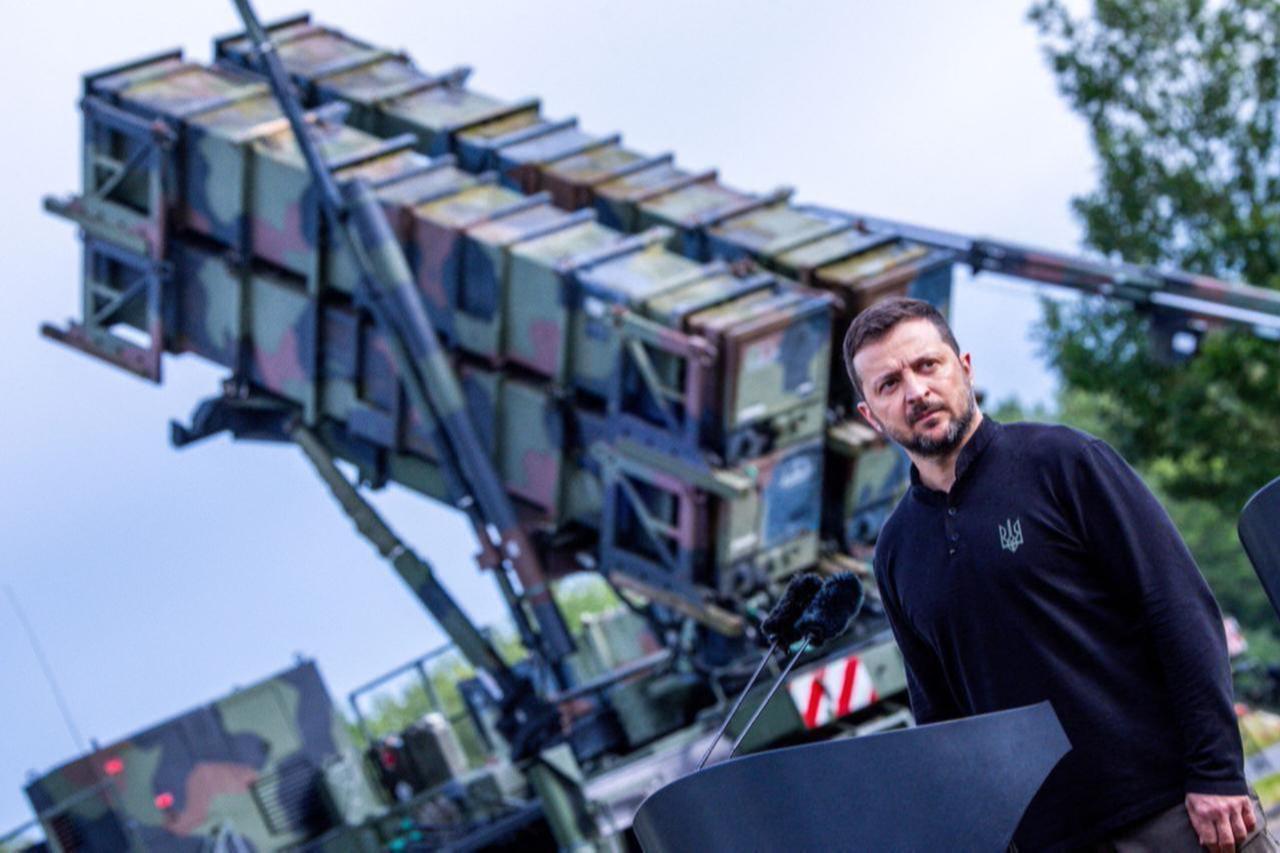

The Polish foreign minister detailed how European allies are purchasing weapons from the United States for delivery to Ukraine, noting that no new U.S. congressional aid package was on the horizon and that there was no expectation one would materialize while Europeans were already covering the costs themselves.
The remarks amounted to a sharp rebuttal of any perception that Washington remains the primary financier of Ukraine's defense, and underscored growing European frustration over the shifting burden. Poland, which shares a border with Ukraine, has been among the most vocal advocates for robust Western support since Russia's full-scale invasion.
Sikorski framed European representation in future peace talks as both a matter of fairness and strategic necessity. The war's outcome, he argued, directly affects European security, and the issue extends well beyond Ukraine and NATO's eastern flank to encompass Europe's place in the global balance of power.
"We deserve to be at the table because the outcome of this war will affect us too," he said.
He went further, warning the United States against pressuring Kyiv into an unjust settlement. If Washington were to do so, Sikorski said, Europe would maintain its commitments to Ukraine independently, and Kyiv alone would decide when the time was right for a deal.
"If the U.S. forces Ukraine into an unfair agreement, we will maintain our commitment to Ukraine and Ukraine will decide when it is time to make a deal. Then Putin will not be able to ignore us because we will be Ukraine's main supporter," he said.
Sikorski also offered a broader strategic assessment, arguing that Russian President Vladimir Putin had made a critical error by targeting European nations with hybrid operations. Rather than weakening resolve, those provocations had strengthened European resilience and driven defense budgets higher across the continent.
The United States, he added, still has the capacity to increase military support for Ukraine and ratchet up pressure on Moscow.
Türkiye sent a senior delegation to the Munich gathering. Treasury and Finance Minister Mehmet Simsek, National Intelligence Organization (MIT) chief Ibrahim Kalin, Grand National Assembly Defense Committee Chairman Hulusi Akar, and Presidential Foreign Policy and Security Chief Advisor Akif Cagatay Kilic were all in attendance at the conference.


 Set as preferred source
 Set as preferred source


 1 min read
 1 min read