Newsletters


European officials pushed back against U.S. efforts to negotiate a new European security framework with Russia as part of a Ukraine peace deal after U.S. President Donald Trump predicted a "big agreement" with Moscow that "might involve all of Europe."
"We already have a European security architecture in place," EU foreign policy chief Kaja Kallas told reporters in Warsaw.
"The problem remains that Russia keeps breaking the treaties that underpin it. NATO posed no threat to Russia in 2021, and it poses no threat to Russia at the moment. Putin does not have a veto over European security," she noted.
"Any agreement, in order to be implemented, will require the European Union to be part of it," she added.
"An arrangement about the future of Ukraine and of Europe above our heads would not just be unwise. It is actually impossible," Polish Foreign Minister Radoslaw Sikorski said.
Ukrainian Foreign Minister Andrii Sybiha said Moscow "cannot be the security guarantor for the European continent." "We have to talk about protecting ourselves against Russia, not talking with Russians about spheres of influence in Europe," he added.
"It’s up to the European Union to decide on matters that affect its security," a European Commission spokesperson said.
One European official who spoke to Financial Times (FT) called a post by Trump envoy Jared Kushner a "complete surprise."
"There will be no simultaneous negotiations on European security until the war (against Ukraine) is over. Besides, we know what the Russians mean by that, and it will not happen," the official told the FT.
"There has been absolutely no talk about the future of NATO, and everyone is unanimous that any changes to NATO or reduction of its presence are out of the question," the official added.

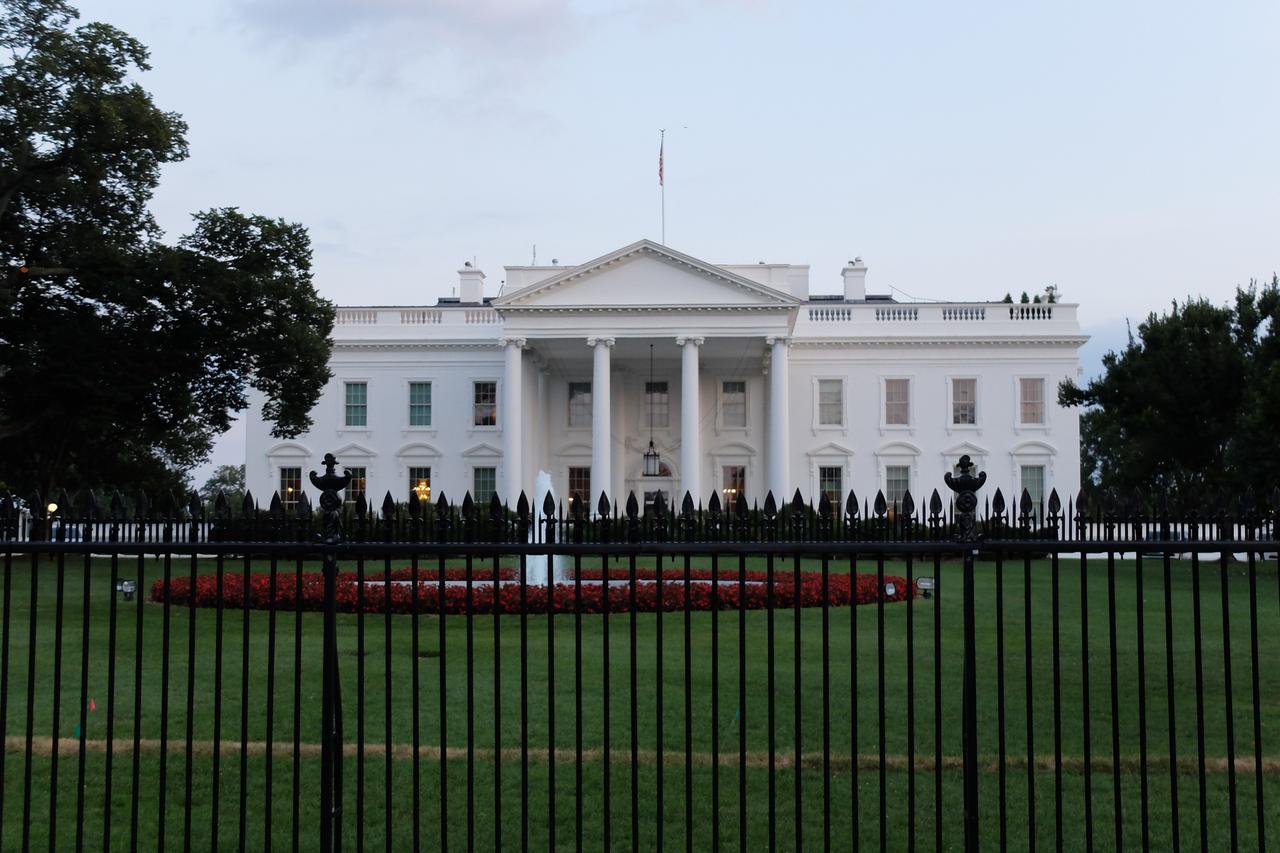
Trump met Russian envoy Kirill Dmitriev at the White House on Thursday after Dmitriev attended an event hosted by first lady Melania Trump with Ukrainian officials to mark the Oleshky ceasefire she helped broker.
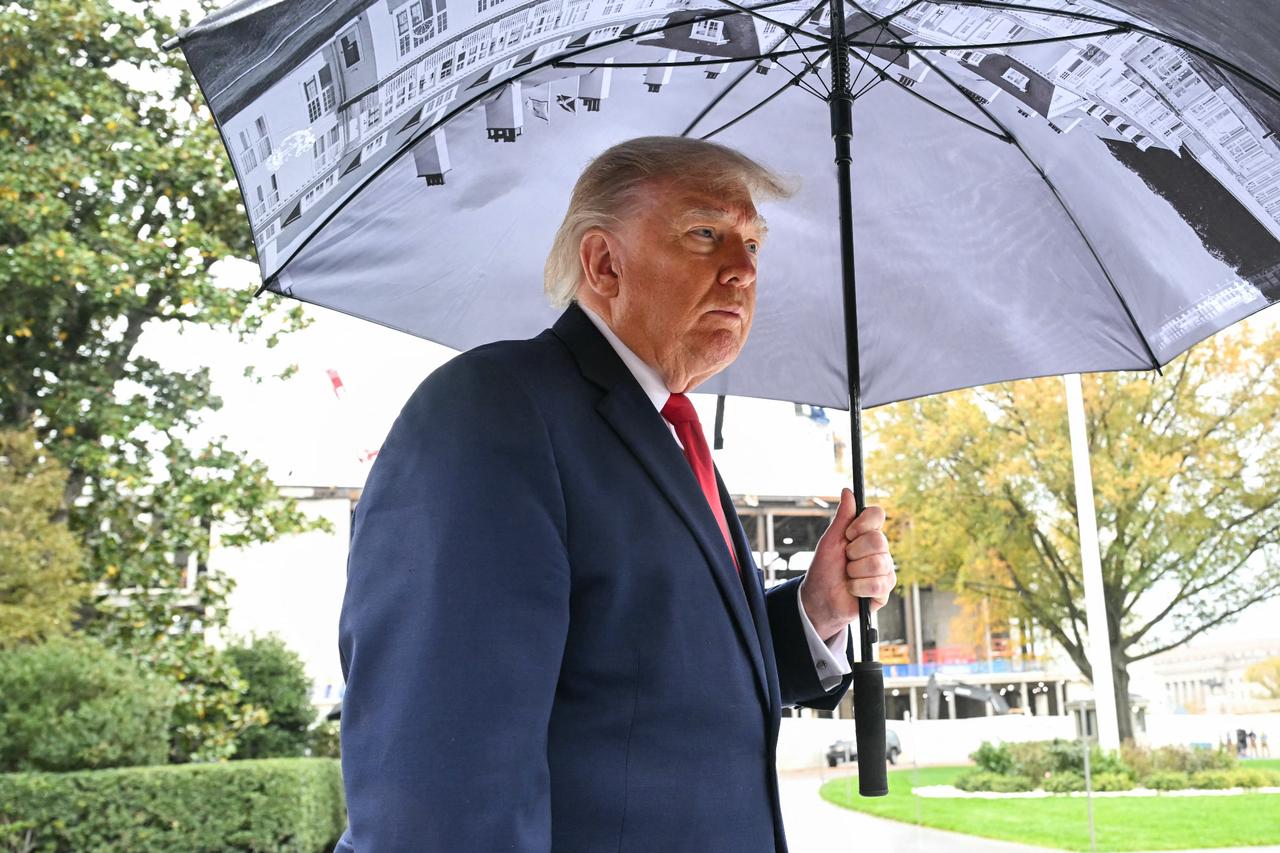
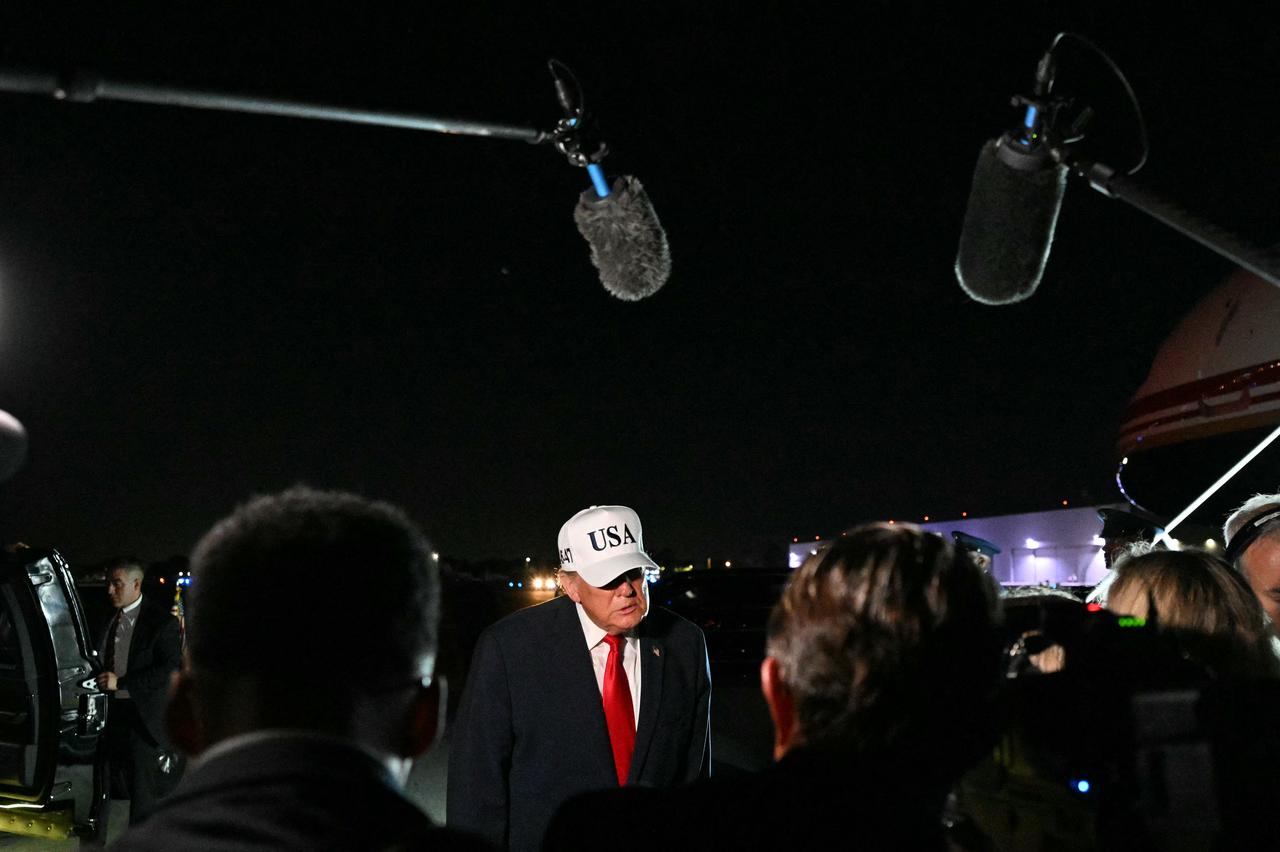
"I can’t tell you what I discussed. But I’m just telling you, it’s going to be an agreement, it’s going to be a big agreement," Trump said.
"It’s going to involve more than Ukraine, and I could even say it might involve all of Europe. It’s going to be a big, beautiful agreement, and everyone’s going to be thrilled," he added.
Asked whether he raised Russian attacks on civilians, Trump said, "I always bring it up, and I also bring it up the other way because the other way they kill too. It is a bloodbath, and it has to end."
He said he did not meet the Ukrainian delegation.
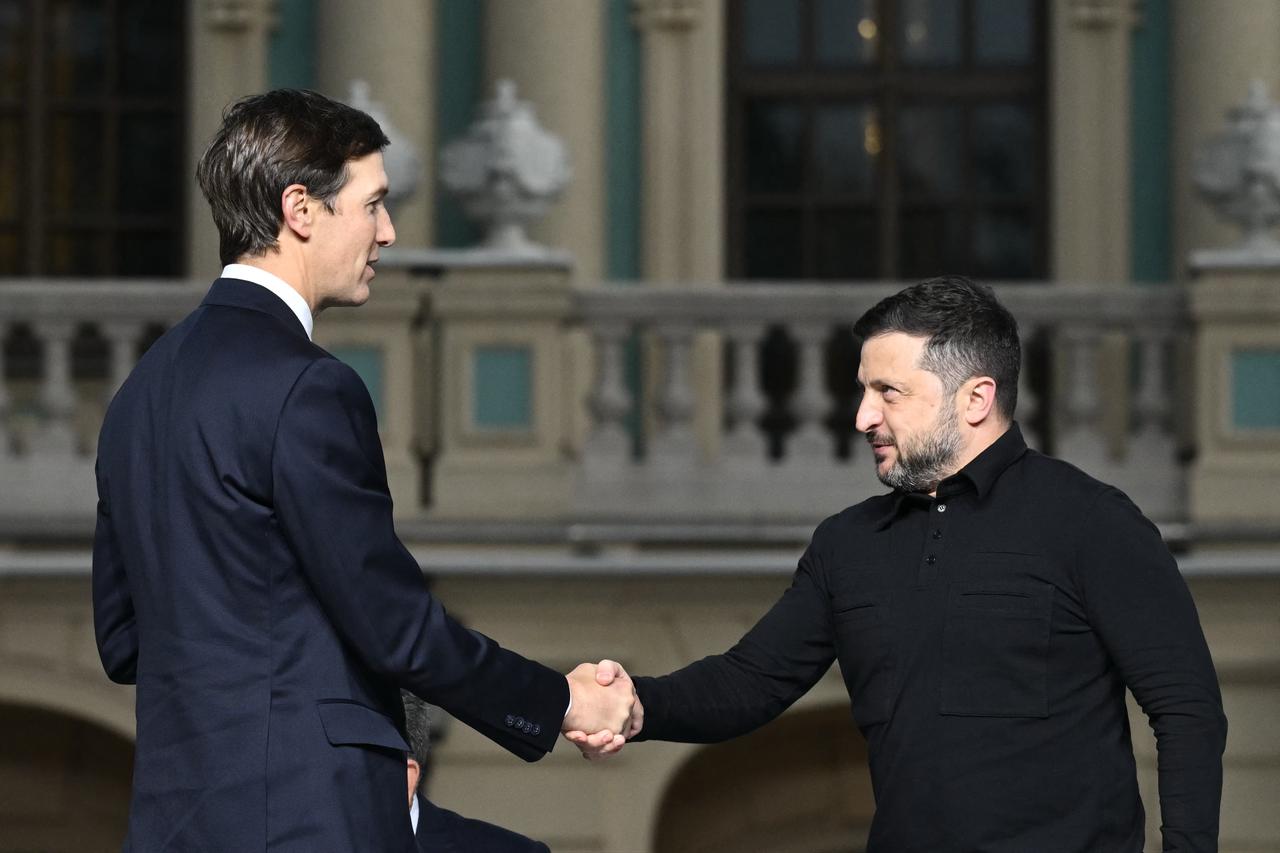
Kushner said U.S. officials held "productive and substantive discussions" in Brussels with Ukraine, NATO and European partners on security guarantees and "a broader European security architecture."
He listed five goals: permanent security consultations, reliable crisis communications, greater military transparency, reciprocal measures to reduce escalation risks and "an enduring framework for long-term European security and stability."
Washington’s objective is "to develop practical arrangements that address the security concerns of all sides," he said.
"Any arrangements must fully respect the sovereignty, territorial integrity, and independent decision-making of every nation," Kushner said, adding, "NATO will remain central to European collective defense."
He said the U.S. would consult European partners on the sidelines of Abu Dhabi talks and, if progress is made, move toward a broader format with their direct participation.
U.S.-mediated talks between Russian and Ukrainian negotiators are scheduled in Abu Dhabi on Nov. 10-11.
A second European official told the FT the U.S. comments were meant to show progress ahead of the talks.
Two people involved in back-channel efforts told the FT a meaningful ceasefire was unlikely, saying Putin was focused on a winter air campaign against Ukraine’s energy infrastructure and saw the shift to security guarantees as a way to drag out talks.
"I will destroy all your infrastructure until you agree," one relayed as Putin’s position.
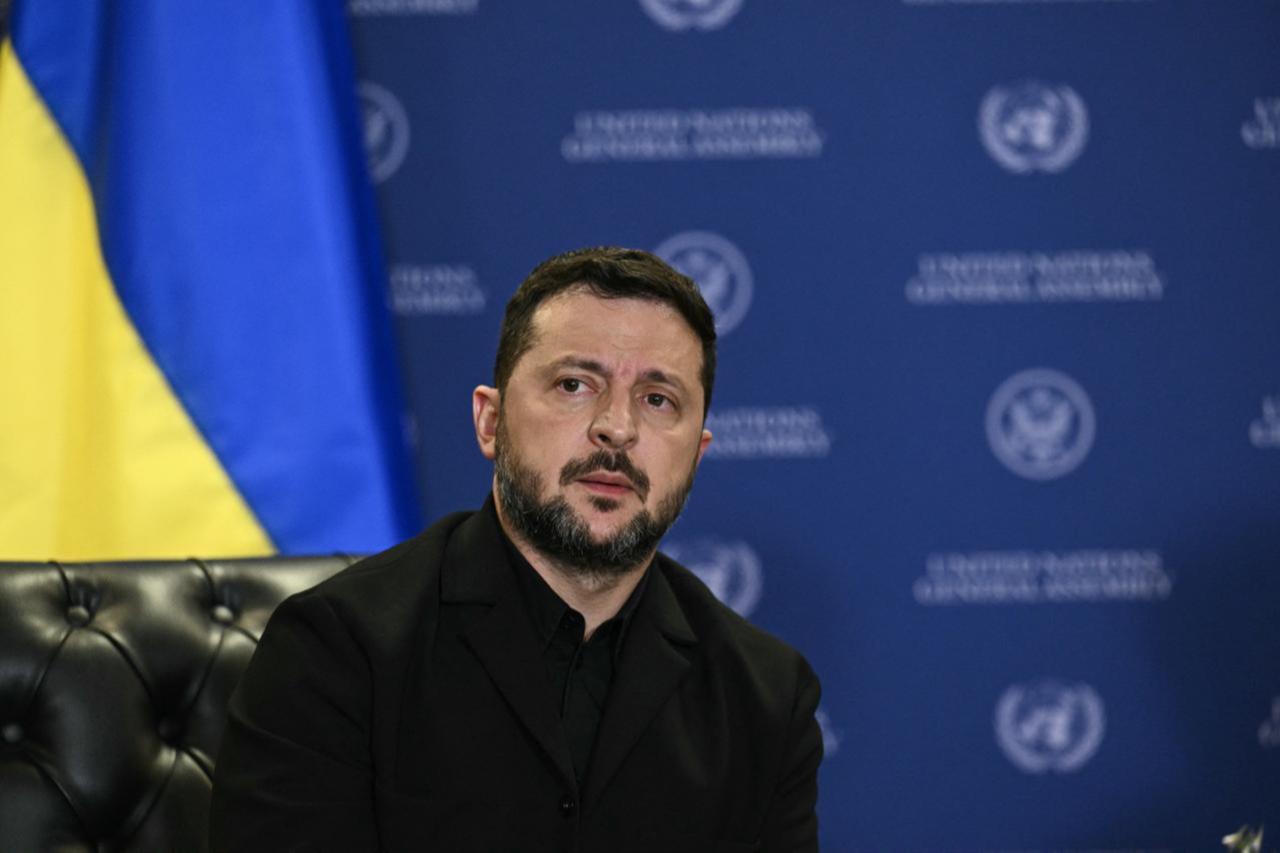
Putin has demanded Ukraine surrender the rest of the Donbas as a precondition for a ceasefire. Ukrainian President Volodymyr Zelenskyy said last week that answers to Russia’s security questions could be part of a settlement, but only with "Europe’s involvement," warning that any NATO rollback would be "a sign of weakness for the alliance."
"We certainly view the meeting in a positive light," Kremlin spokesman Dmitry Peskov said of the White House event.
Peskov said Russia had received no European proposals on security guarantees. "They haven’t even been able to decide yet who is authorized to speak on their behalf," he said.
EU leaders will discuss a more coherent approach at a summit next week, after Italian Prime Minister Giorgia Meloni criticized their "disjointed, uncoordinated" efforts that "risk condemning Europe to irrelevance in the negotiation process."
"All these negotiations are very unstructured, jumpy and chaotic," a European official told FT as the debate over European security intensifies.


 Set as preferred source
 Set as preferred source


 3 min read