Newsletters


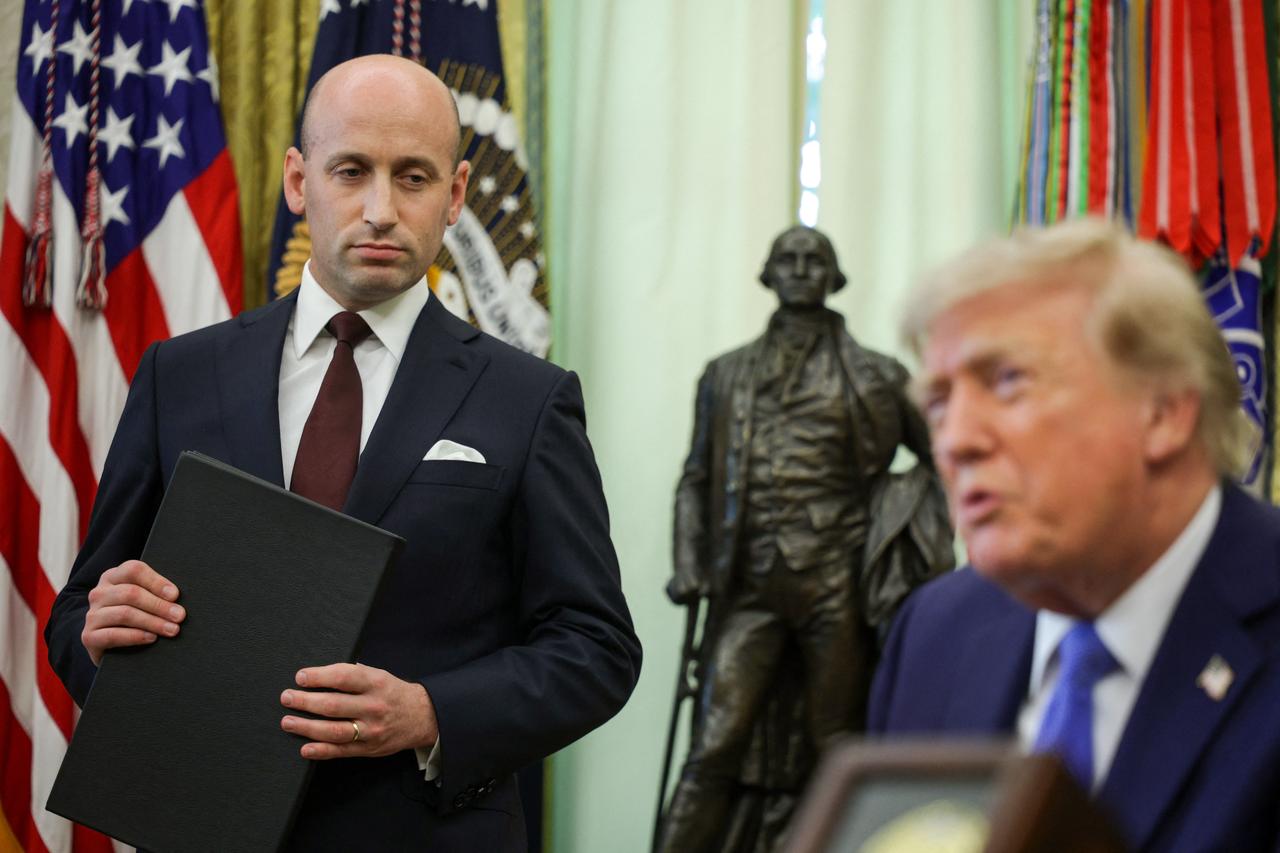


Back in 2018, during President Donald Trump's first term, former White House Communications Director Pat Buchanan authored an article in his column, asking, "Is Trump assembling a war cabinet?"
The topic, back then, was also about Iran. His then-new national security adviser John Bolton, who wrote an op-ed titled "To Stop Iran's Bomb, Bomb Iran," called for preemptive strikes and "regime change."
It's extremely rare that there's a new thing under the sun, especially when it comes to Washington’s strategy for dealing with Iran.
Following a bruising midterm defeat that handed control to the Democrats, the President sat down with 60 Minutes to signal that "a few changes" were coming to his cabinet.
That disclosure followed his announcement that Deputy Chief of Staff Stephen Miller would step up to replace Susie Wiles as White House Chief of Staff.
For many, Susie Wiles was someone who tried to steer Trump toward a more reasonable position on many issues, and she was the closest thing to a brake.
In a full contrast, Stephen Miller is his most radical, most far-right advisor, and among Dems, he is disliked the most.
It is almost certain that his choice of Miller sends a message of defiance to the incoming Democratic congressional majorities. Even the Republican representative Marlin Stutzman called the announcement of the promotion a “horrible decision.”
After a few initial reactions to the midterms, the question 'Is Trump assembling a war cabinet?' looms again. Yet the president has only a few methodologies to handle the last two years of his reign, and history is a lab of answers.
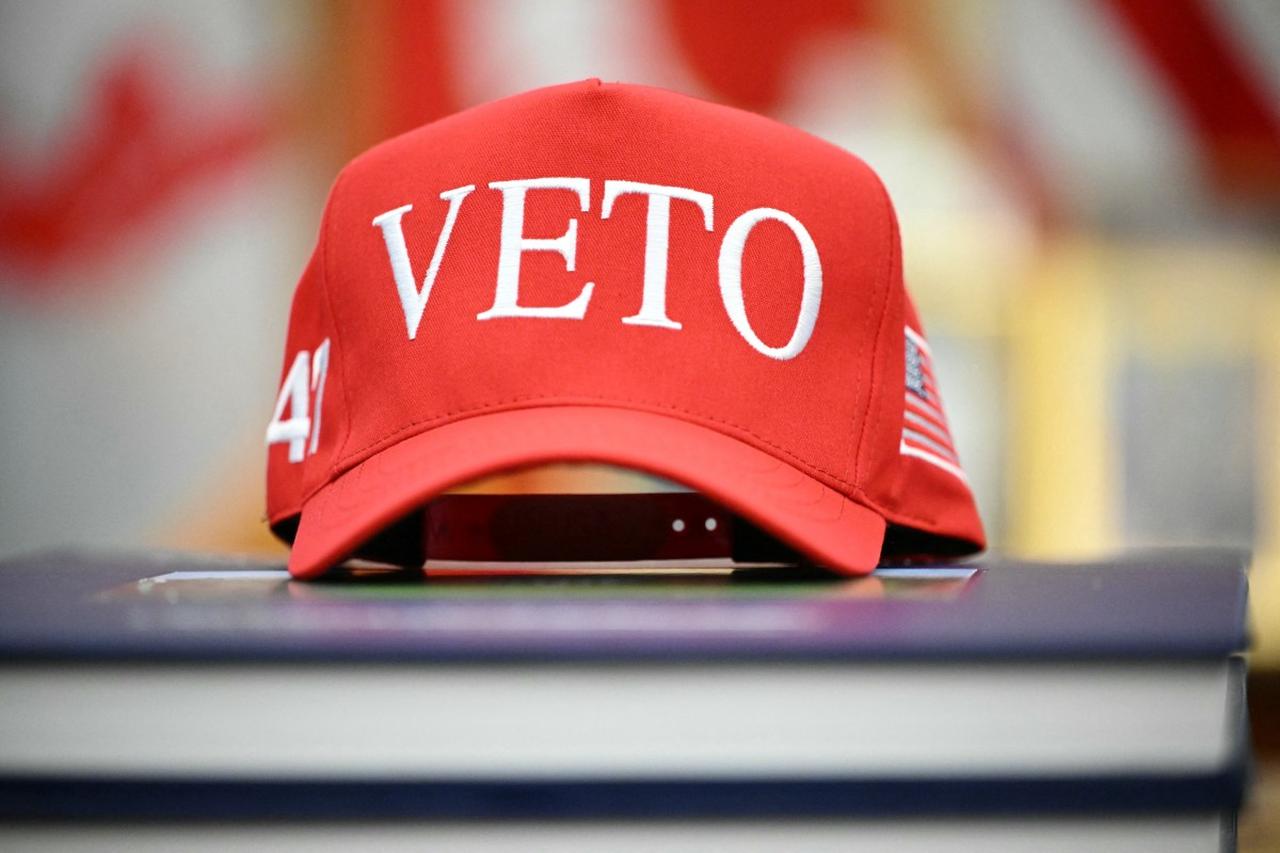

On election night, Trump posted a photo of a red hat with one word on the front: VETO. It’s the rare piece of campaign merchandise that doubles as a legislative strategy, and history says it’s the first one he’ll reach for.
Asked on the White House lawn what he wanted Stephen Miller to do differently from Susie Wiles, Trump gave a four-word answer: “Just run things well.”
Yet in the days after the midterm rout, he said that he would work with Democrats on immigration. He said something similar in 2018, yet apart from the trade deal and a few others, very little came of it. When deals die, presidents tend to sign executive orders. A chief of staff like Stephen Miller, who reads Congress as an obstacle to route around, makes that path more likely, not less.
While skeptics dismiss the move as a routine administrative shuffle, merely a deputy stepping in after a shake-up, observers on the other side of the aisle sensed the writing on the wall almost immediately.
Just hours after the decision was announced, the New York Times captured that exact prescience with the headline "In Elevating Stephen Miller, Trump Doubles Down on Hard-Line Agenda."

Here is the part the war-cabinet headlines skip. Divided government sometimes produces laws. Eisenhower worked with Senate Majority Leader Lyndon Johnson, and in 1956 they created the interstate highway system.
Clinton declared that the era of big government was over in his 1996 State of the Union and, in the same year, signed welfare reform with the Republican Congress; a balanced-budget deal followed in 1997.
Bush and the Democratic Congress of 2007 raised the minimum wage in steps to over $7, where it still sits in many places. Trump himself signed the USMCA trade deal and the First Step criminal justice bill after Democrats took the House in 2018. The pattern is narrow deals on issues where both sides can claim the win.
There are already hints of where that could happen. Senator-elect James Talarico of Texas says he agrees with Trump on suspending federal taxes on gas and diesel, cutting red tape to build more housing, and legalizing marijuana. Trump says he’s willing to work with Democrats.
The one thing a president can’t veto his way out of is that the government has to be funded, and every spending bill has to clear both chambers. When the parties split power, that is where the real collisions happen.
In December 2018, with Democrats about to take the House, Trump shut it down for 35 days over his border wall, a record that stood until last fall’s 43-day shutdown broke it.
Democrats have already said they plan to use the power of the purse against his priorities. If the veto machine comes into power, at least one standoff is the safe bet.
The reaction from inside the tent fits the concern. Defense Secretary Pete Hegseth posted “Patriots in control” and a photo of himself with Miller. Miller himself wrote that the mission is to “fight with all of our soul.”
Hunter Morgen, a former Miller deputy now lobbying at Ballard Partners, called him “the eternal flame of the MAGA movement.” Nobody in that circle is describing a caretaker.
There is also institutional weight behind the camp. Miller spent the years between Trump’s two terms recruiting lawyers who now sit in key agencies, and he keeps a running dialogue with Attorney General Todd Blanche and Hegseth.
He is one of two top West Wing staffers who lived through the 2018 subpoena blitz. A chief of staff who knows where the levers are and who has no appetite for deals is the opposite of a signal that the White House is listening to the voters.
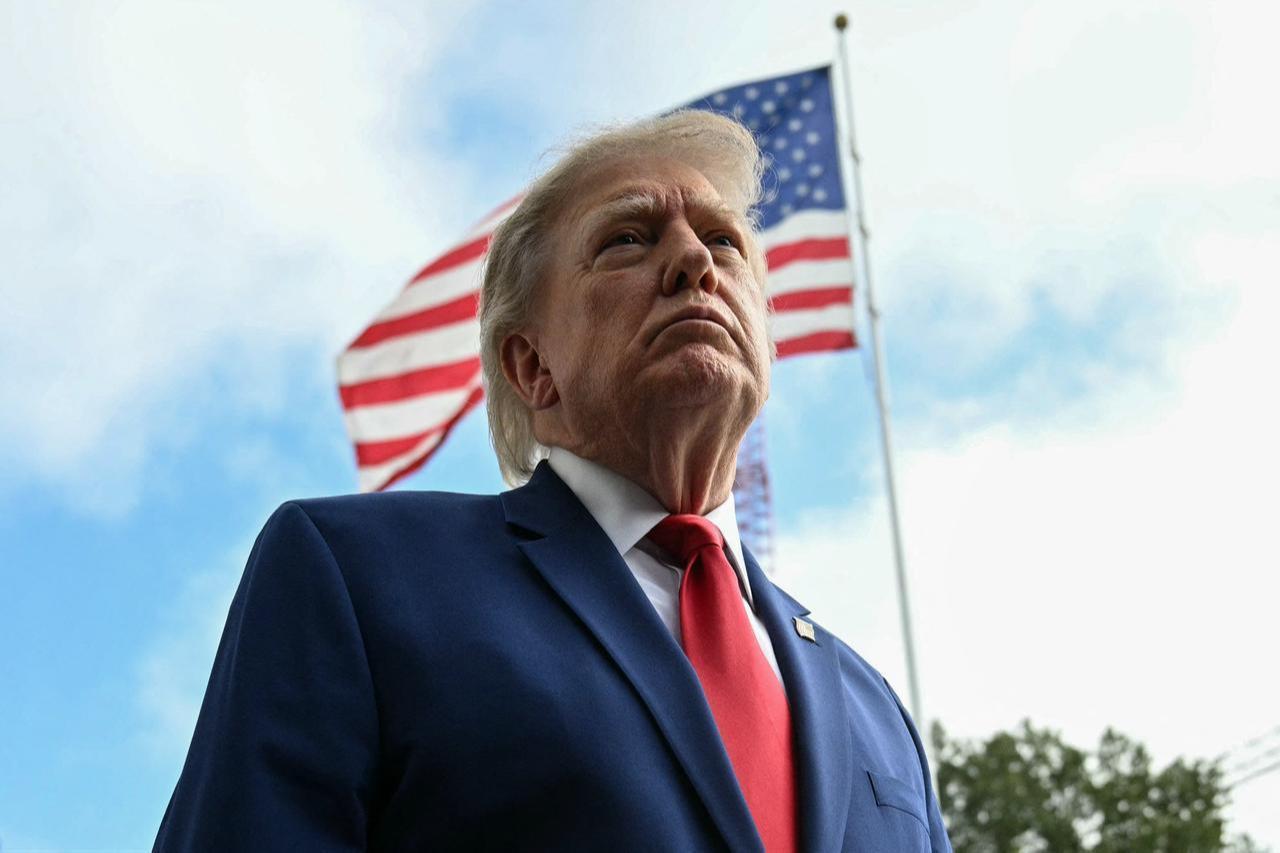
For the legacy of Trumpism, Miller might be the go-guy. According to the Times, people close to the new White House chief of staff said that he has shown no interest in compromising with congressional Democrats and is ready for a fight over subpoenas and investigations. His stated priority is rebuilding the fractured MAGA coalition with policies that energize the 2024 voters.
Losing Congress has also been the start of a comeback. Truman spent 1948 running against what he called the “do-nothing Congress” and won one of the biggest upsets in American history. So the choice for the last two years runs between two historical models.
Clinton found the narrow deals and survived. Truman ran against Congress and won. Both men got a second act. Trump gets neither, which leaves him the one thing the hat promises: a veto and a House that can’t override it.
The two readings predict different things, but neither has to wait long. If this is a doubling down, expect the first Miller-run budget standoff to be fought on his terms, and expect the White House to treat the first Oversight Committee subpoena as a declaration of war.
If it is an org-chart story, expect the president’s own instincts to produce whatever comes next, with Miller carrying them out more efficiently than his predecessor did.


 Set as preferred source
 Set as preferred source


 2 min read