

 Newsletters




Russia could attempt a limited military operation against a Baltic NATO member within weeks or months rather than launch a full-scale war with the alliance, a former head of Poland’s Military Counterintelligence Service warned in an interview published Saturday.
Gen. Piotr Pytel told Polish news portal Onet that he had for some time considered it possible that Russia could temporarily seize part of the territory of Estonia, Latvia or Lithuania.
He said such an operation could be intended partly to show Russia’s domestic audience that Moscow’s war in Ukraine had developed into a confrontation with NATO.
“I am not talking about a full-scale war, but about a limited military operation,” Pytel said.
Pytel headed Poland’s Military Counterintelligence Service, known as SKW, from 2014 to 2015.
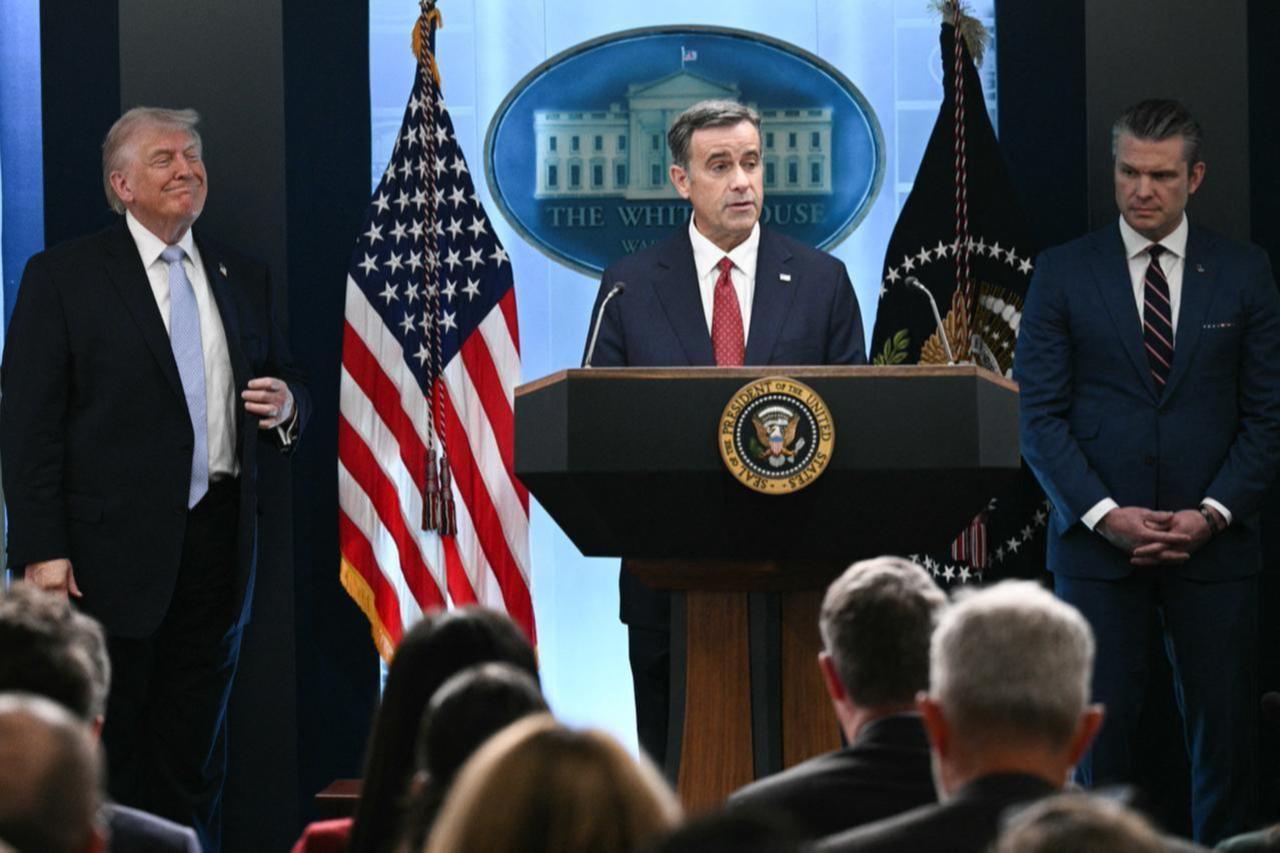
Pytel linked his assessment to the recent unexpected visit to Moscow by CIA Director John Ratcliffe.
He said such high-level intelligence contacts generally take place when governments need to communicate urgent information or manage a developing crisis.
Pytel said one possible explanation was that U.S. intelligence had detected preparations for a Russian operation and that Ratcliffe had traveled to Moscow to warn the Kremlin of the consequences.
He stressed, however, that this was an interpretation rather than confirmed information.
The warning comes amid heightened concern over Russian activity around NATO’s eastern flank and speculation surrounding Ratcliffe’s Moscow visit.

Pytel said that if Russia were preparing a significant ground operation, indicators could include movements of fuel and other supplies, the establishment of command and communications posts, increased readiness of military units and the deployment of electronic reconnaissance capabilities.
Such logistical preparations would be difficult to conceal, he added.
Asked about the possible timeframe, Pytel said that, if his interpretation were correct, the threat concerned “the coming weeks or months” rather than years.
He noted that late autumn and winter weather could restrict some military operations.
 2 min read
Pytel also pointed to increasingly confrontational Russian rhetoric toward NATO countries, including recent comments by Foreign Minister Sergey Lavrov concerning Britain.
He argued that such statements could serve to prepare Russian public opinion for further escalation.
Pytel said the Kremlin’s primary motivation would not necessarily be territorial expansion, but the maintenance of domestic political control by reinforcing the narrative that Russia faces an external enemy.
“The most important thing is maintaining power,” he told Onet.
He argued that war and the management of fear had become instruments of Russia’s political system.


 Set as preferred source
 Set as preferred source


 1 min read


