Newsletters


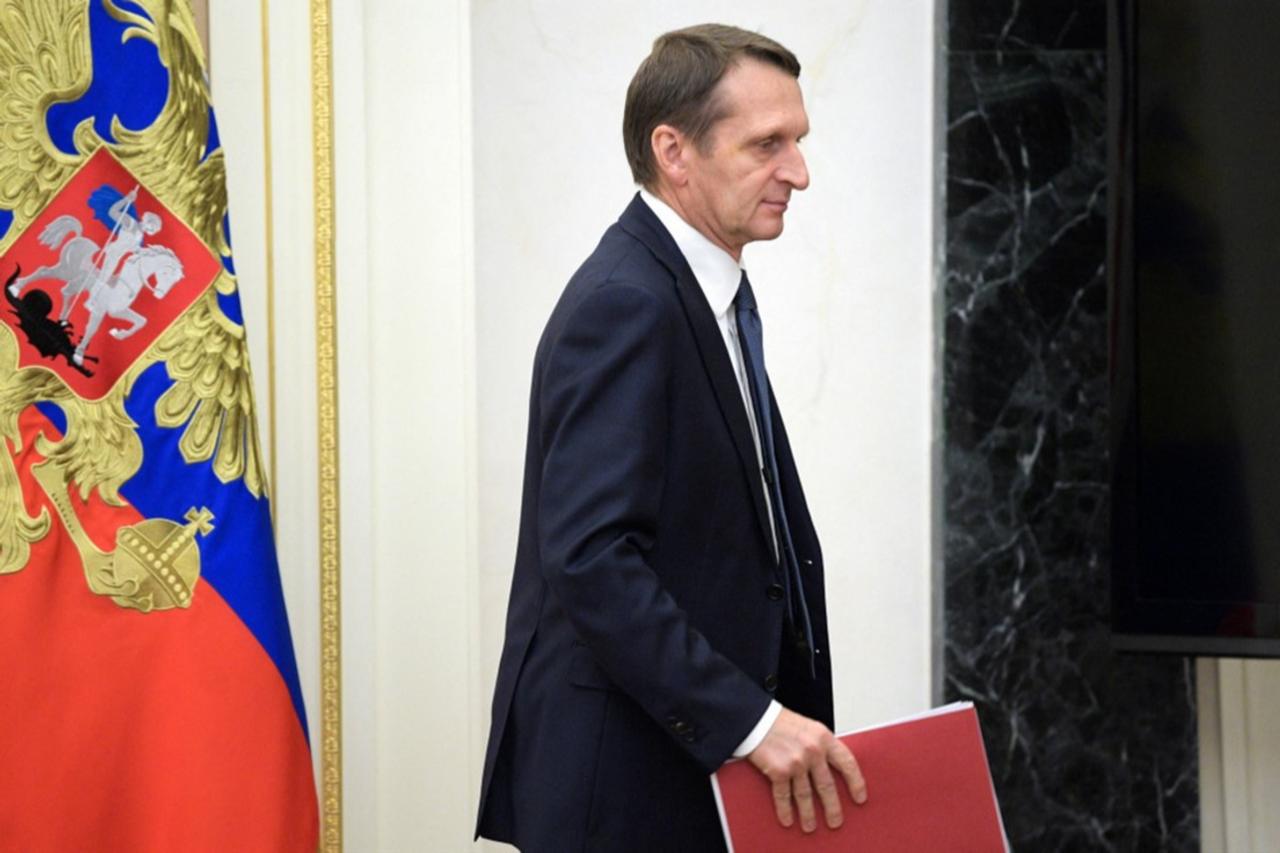


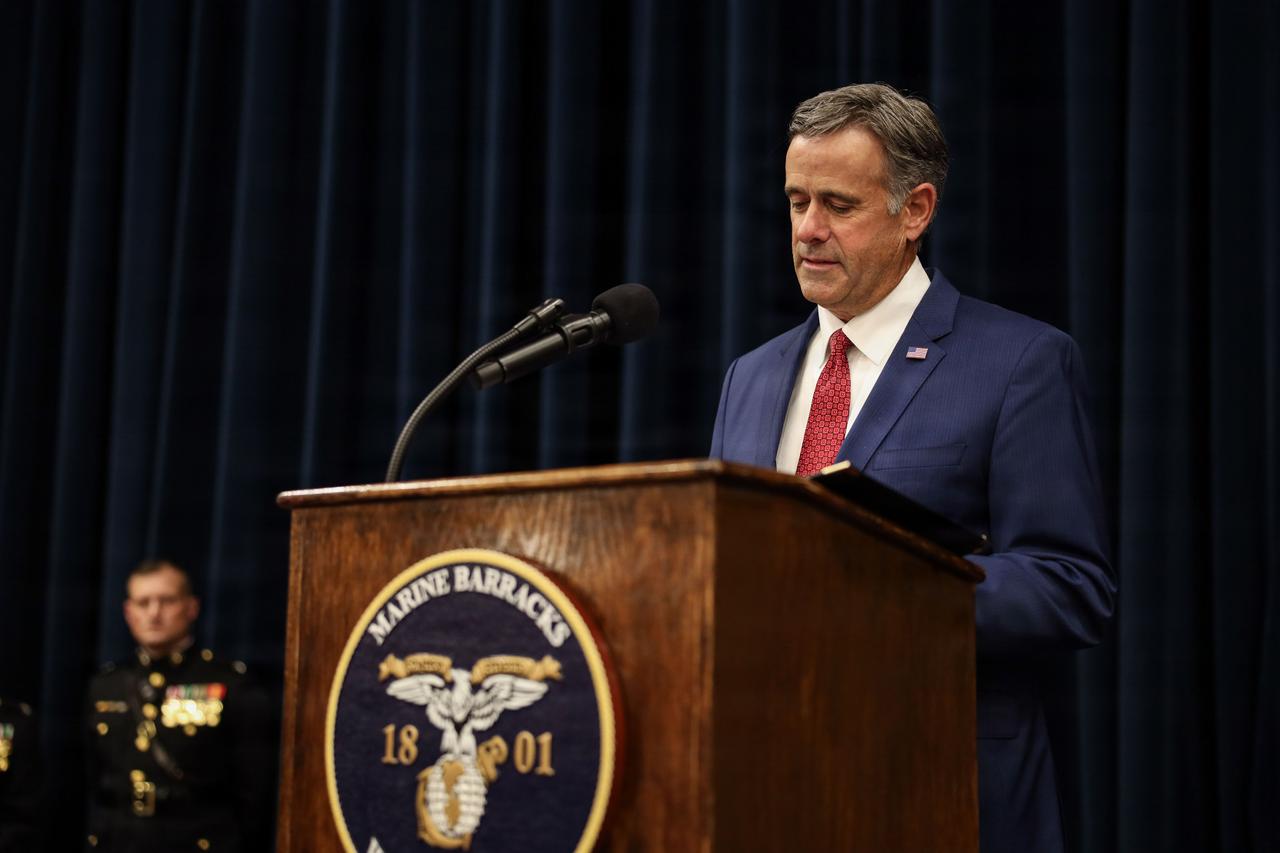
The head of Russia’s foreign intelligence service said Thursday that he held a “working-level meeting” with CIA Director John Ratcliffe in Moscow earlier this week, after U.S. media reported that the visit was aimed at warning Russia against any attack on NATO member states.
Sergei Naryshkin, head of Russia’s SVR foreign intelligence service, said he and Ratcliffe discussed unspecified and sensitive matters falling within the remit of their respective intelligence services.
Naryshkin said there was nothing unusual about the fact that the meeting took place.
His remarks came after The Wall Street Journal and CBS News reported Wednesday that Ratcliffe’s highly unusual trip to Moscow was intended to dissuade Russia from attacking NATO members amid U.S. intelligence assessments that Moscow could seek to test the alliance.
The Wall Street Journal said Russian President Vladimir Putin could test the North Atlantic Treaty Organization with a “limited assault” in the next few years.
U.S. President Donald Trump sought to downplay Ratcliffe’s visit, describing it as “semi-routine” and suggesting that the intelligence chief was in Moscow to discuss the war in Ukraine.
“He’s there, very sort of semi-routine. I hate to disappoint people. We would like to see the war with Ukraine end,” Trump said in an interview with conservative radio host Glenn Beck.
Trump dismissed reports that the visit was linked to potential Russian military threats against NATO or the United Kingdom.
“None of the above,” Trump said when asked about rumors of Russia testing allied resolve or planning a strike on Britain.
He described Ratcliffe as a “fantastic guy” and said the CIA director had not traveled to Moscow for those reasons.
“Now something may come out of it. We’re working very hard to get that war ended,” Trump said, referring to the Russia-Ukraine war.
Trump claimed that both Moscow and Kyiv appear ready for a settlement, saying that “frankly, they both want to see it ended at this point.”
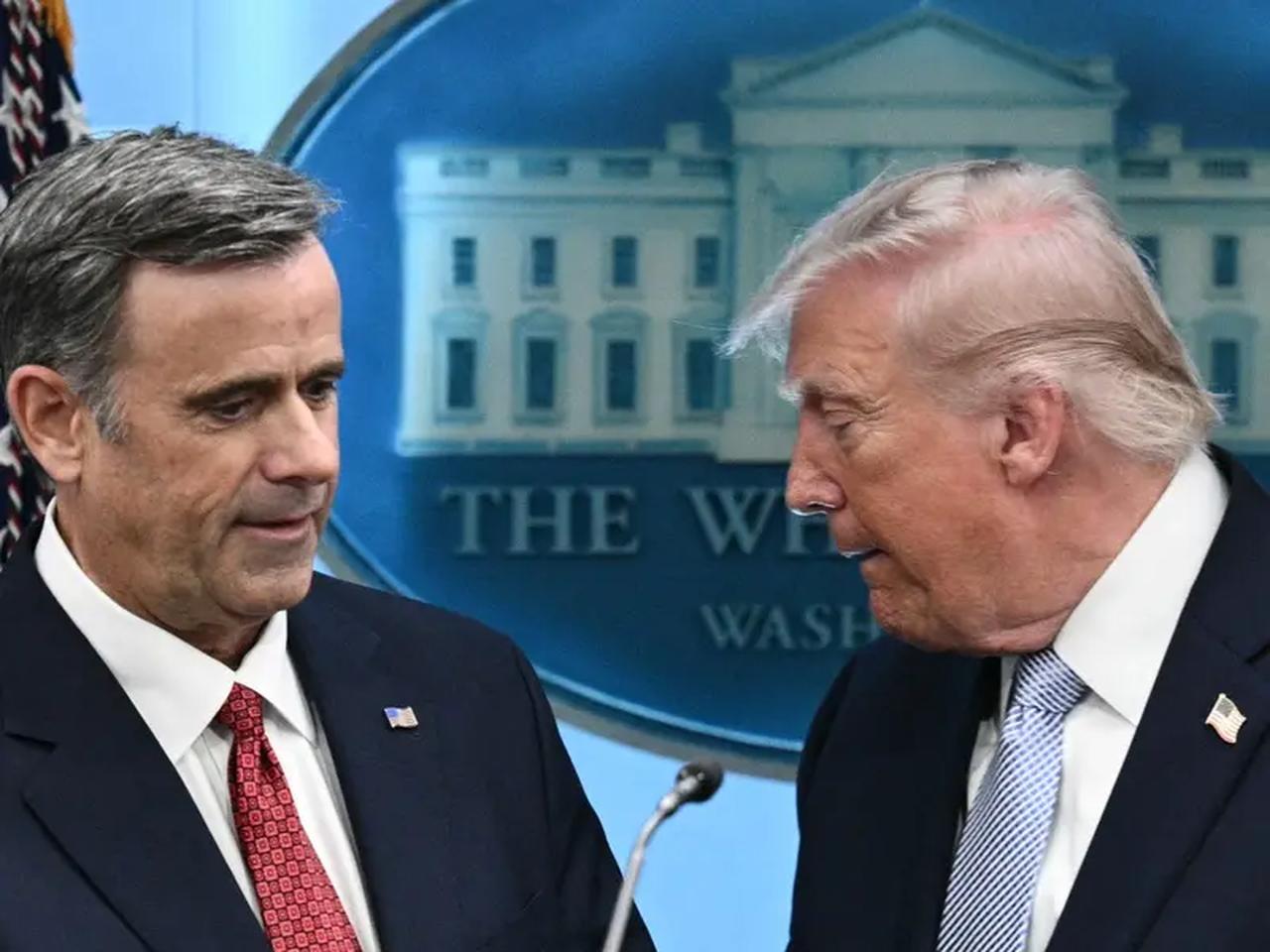
The Kremlin said Wednesday that Ratcliffe had “contacts” with Russia’s special services during his visit to Moscow but did not meet Putin.
Kremlin spokesman Dmitry Peskov said Putin was briefed on the talks but declined to say whether the Ukraine war was discussed.
“Contacts through the intelligence services are a positive development in and of themselves,” Peskov said. “It is too early to say how this will affect the process of resolving the crisis in our relations.”
Ratcliffe is one of the highest-ranking U.S. officials to visit Russia since its war with Ukraine began in 2022.
The visit also marked the first time a CIA director had traveled to Moscow since November 2021, when William Burns warned Russia against sending troops into Ukraine.
Weeks later, Russia launched its attack, which developed into Europe’s worst conflict since World War II.

Citing people briefed on the trip, The Wall Street Journal reported that Ratcliffe’s surprise visit was aimed in part at warning Russia against attacking NATO members.
The trip came after new U.S. intelligence assessments that Putin could seek to test NATO’s resolve with a limited attack on an alliance member within the next few years, according to the Journal.
U.S. officials are concerned that Russia, facing difficulties in its war against Ukraine and mounting domestic pressure, could consider actions ranging from cyberattacks to a limited military incursion, potentially targeting one of the Baltic states, the report said.
Another factor could be shortages of critical Western munitions, according to the Journal.
U.S. weapons stocks have been reduced by arms transfers to Ukraine since Russia’s 2022 war, as well as by the demands of the conflict involving Iran.
Ratcliffe’s trip therefore provided an opportunity for Washington to deliver a direct warning to Moscow while maintaining intelligence contacts between the two sides.
During the visit, Ratcliffe also discussed the war with Iran and warned of additional sanctions if the Strait of Hormuz does not reopen to shipping traffic, CBS News reported, citing people familiar with the matter.
The visit came amid an escalation in Moscow’s offensive in Ukraine, with attacks this summer increasing the civilian death toll, while U.S.-brokered peace talks have stalled.


 Set as preferred source
 Set as preferred source


 2 min read
 1 min read