Newsletters


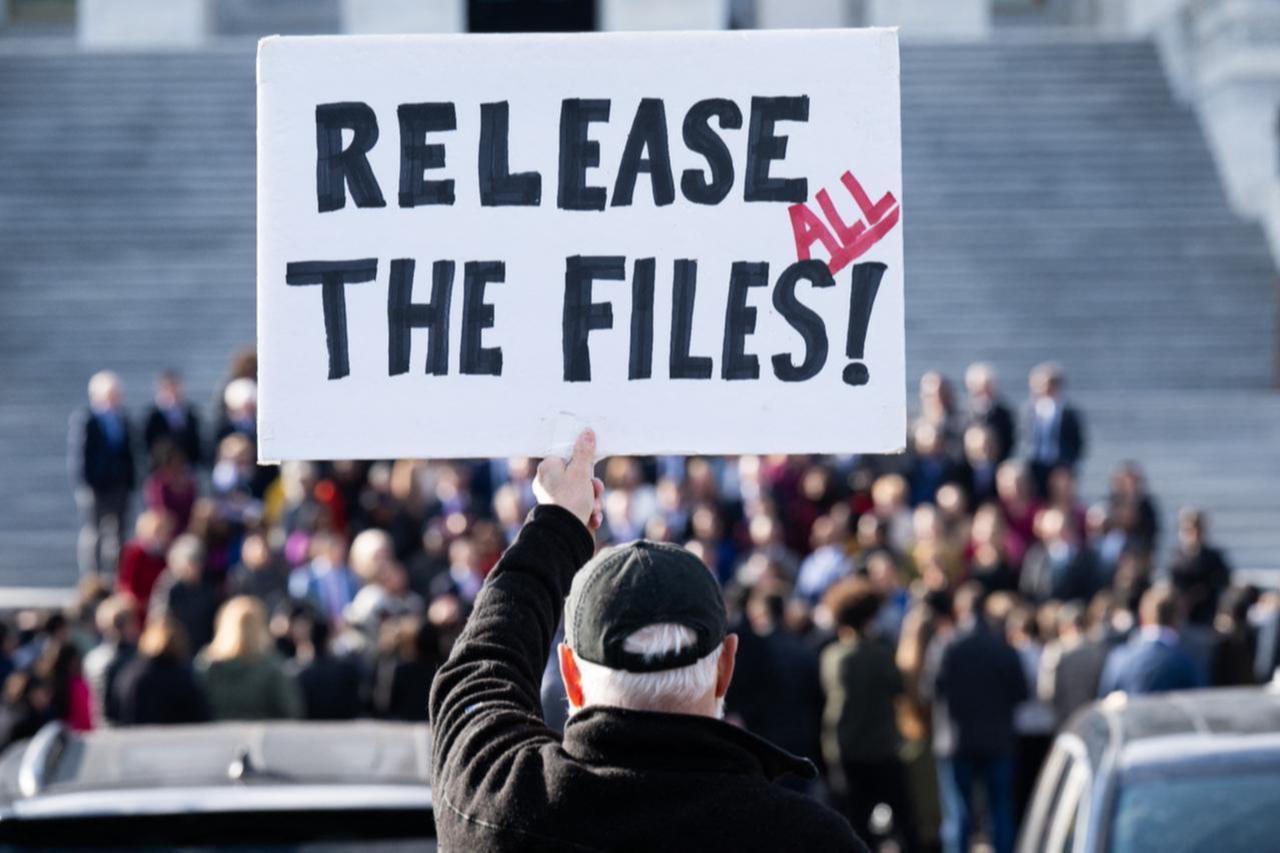


The U.S. Justice Department’s large document release last week includes photographs taken at Jeffrey Epstein’s properties, capturing prominent political figures and celebrities and offering a visual record of the convicted sex offender’s far-reaching social ties to powerful individuals in the 1990s and 2000s.
Türkiye appears in these files not through a single accusation, but at the crossroads of intelligence disclosures, legal networks in Washington, an international meeting in Istanbul, and unresolved allegations of cross-border abuse.
From the murder of Jamal Khashoggi in Istanbul to post-coup lobbying efforts in the United States, the references extend into periods of domestic strain in Türkiye, including the political and institutional turmoil following major earthquakes.


The murder of Khashoggi inside the Saudi consulate in Istanbul in October 2018 marked a turning point in regional and global politics.
Turkish intelligence services revealed the existence of audio recordings documenting the killing, a move that intensified scrutiny of Saudi Arabia’s leadership.
Internal correspondence later made public shows that these disclosures unsettled figures far beyond the Middle East.
In private emails, Epstein’s concern appears to be about how Turkish authorities obtained the recordings and why this question was not being publicly interrogated.
The tone of these messages suggested unease, and in some cases irritation, over Ankara’s intelligence capabilities and its willingness to use them in the international arena.
More broadly, the emails of Epstein reflect anxiety about the potential deterioration of U.S.–Saudi relations.
Any rupture between Washington and Riyadh was viewed as an undesirable outcome by those involved in these exchanges, underlining how the Khashoggi affair was seen not as a human rights crisis but also as a geopolitical risk with far-reaching consequences.
Another layer of Türkiye’s appearance in the Epstein files involves the network surrounding the Fetullah Terrorist Organization (FETO), which the Turkish courts proved responsible for the failed coup attempt of July 15, 2016.
In the weeks following the coup attempt, a flurry of legal and media activity unfolded in Washington as the group sought to counter extradition efforts.
The leaked Epstein emails reveal that a Wall Street Journal opinion article portraying the FETO terrorist group and its ringleader in a favorable light was directly shared with Jeffrey Epstein.
The correspondence was handled by a high-profile U.S. lawyer Reid Weingarten, who represented both Epstein and FETO’s leadership in the United States.
Key figures from the organization’s U.S. structure were involved in these exchanges, highlighting an attempt to leverage Epstein's legal and political connections.
These revelations reinforced long-standing claims that FETO relied on opaque networks and powerful patrons to shield itself from legal accountability inside the United States.

Separate documents include an email sent to Jeffrey Epstein from Türkiye in 2012.
An email from that period references a visit to Istanbul for private meetings involving families from Asia, the Middle East, and North Africa. The same message notes that Donald Trump was also in the city that day to attend the opening of Trump Tower Istanbul.
While no direct interaction between Epstein and Trump in Istanbul is documented in these materials, the coincidence of their presence has drawn attention.
These details have added to broader discussions about Epstein’s international reach and the diversity of locations where he cultivated relationships.
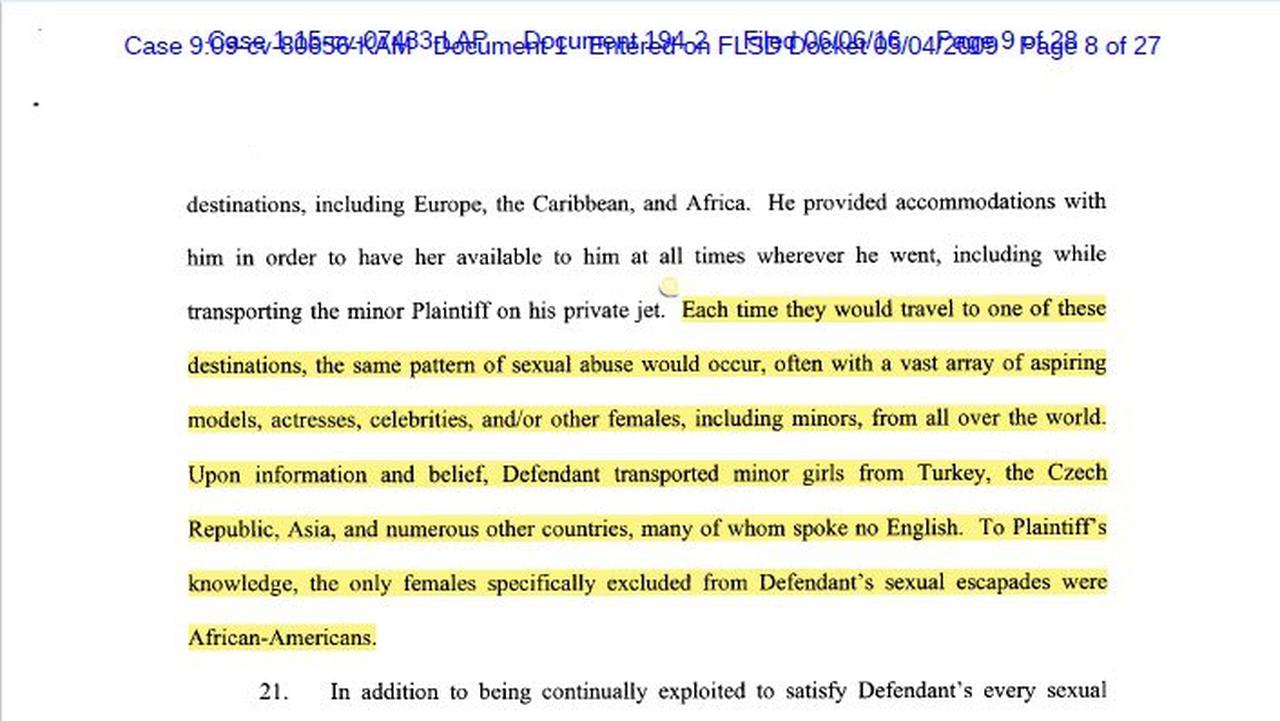
The most serious claims linking Türkiye to the Epstein case emerged in parliamentary debates in Ankara. Citing documents released by the U.S. Department of Justice, Turkish lawmakers alleged that Epstein’s trafficking network may have included minors taken from Türkiye.
According to these claims, the documents reference underage girls from Türkiye, the Czech Republic, and parts of Asia being transported to the United States.
Notes reportedly mention that some victims struggled due to not speaking English, adding a grim layer of detail to the allegations.
While these assertions have not yet resulted in judicial findings within Türkiye, they have intensified calls for transparency and international cooperation.
For a Turkish and international audience alike, they highlight the unresolved questions surrounding Epstein’s operations and the need to fully investigate how far his network extended.


 Set as preferred source
 Set as preferred source


 4 min read