Newsletters


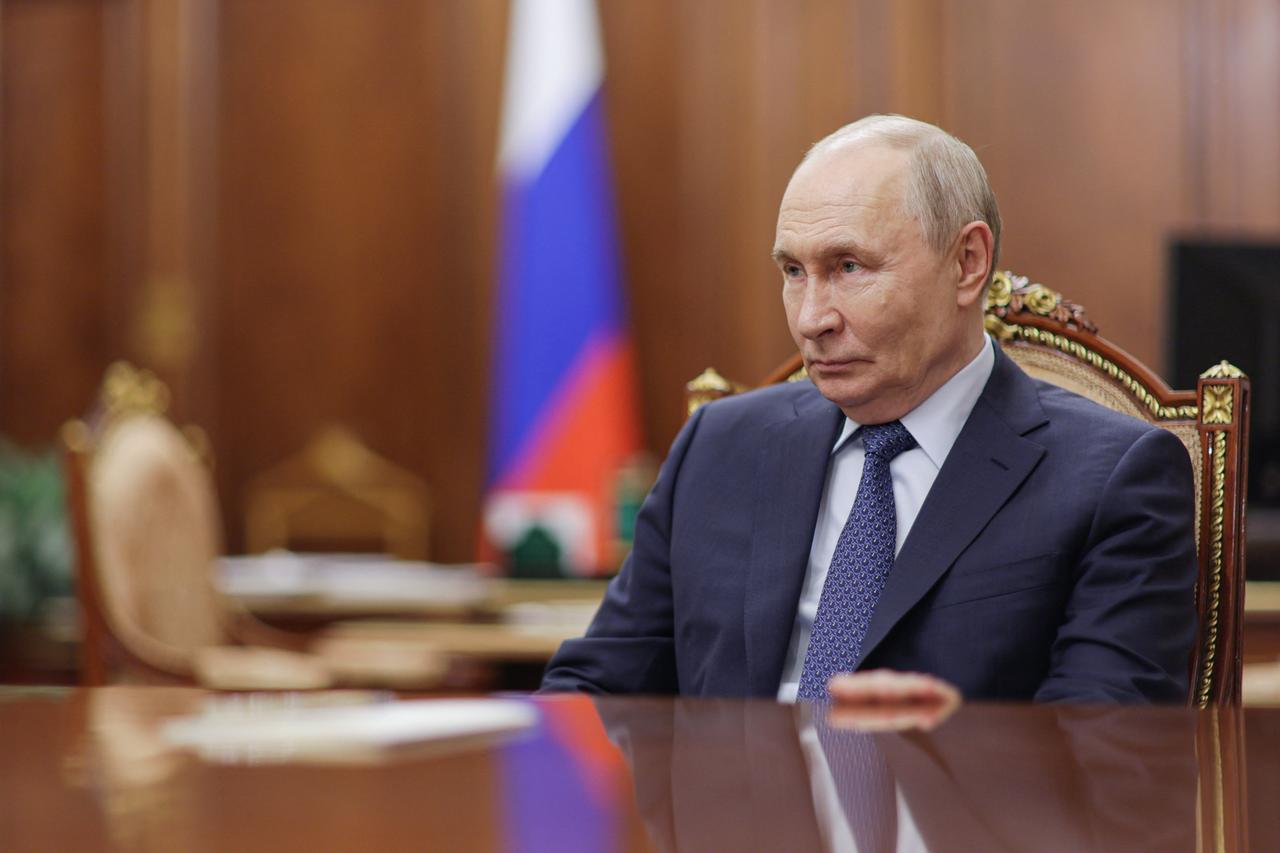


Finnish President Alexander Stubb and Norwegian Prime Minister Jonas Gahr Store held a 90-minute phone call with Russian President Vladimir Putin on Tuesday, the first between pro-Ukraine European leaders and the Kremlin chief in more than a year.
The leaders described the Putin call as "frank and substantive," while the Kremlin said Putin criticized EU and NATO policies as prolonging the war but agreed to keep direct phone contact.
"There are big differences in views," Store told Norwegian media in Helsinki, where Nordic leaders were meeting.
He stressed that he and Stubb spoke only on behalf of their own countries.
The call was the first direct exchange between Putin and Ukraine’s main European allies since French President Emmanuel Macron spoke with him in July 2025.
"The discussion was frank and substantive. We are neighbouring countries to Russia. The outcome of this war will have a direct impact on our and the broader European security. Ending the war requires direct discussions," Stubb said in a joint statement.
"The war comes with enormous human and material costs. The suffering and destruction will impact generations. In the call we stressed the importance of de-escalation," Store said.
The call was "held in consultation with Ukraine" and followed an Oct. 20 meeting in Oslo with Ukrainian President Volodymyr Zelenskyy and U.S. envoy Steve Witkoff, the statement said. Witkoff later met Putin in St. Petersburg.
"The aim of the call was to convey messages directly regarding future negotiations to help to end the war to President Putin. The call was related to the upcoming meetings to be held in Abu Dhabi," the Finnish presidency said.

"Attention was drawn to the confrontational policy of the EU and NATO countries, which is leading to a protraction of hostilities," the Kremlin said in a readout.
The leaders welcomed an agreement to resume trilateral Russia-Ukraine-U.S. talks in Abu Dhabi in the first half of November, the Kremlin said. It said Putin stressed that a "just, long-term peace" is possible only with "full and unconditional consideration of the legitimate interests" of Russia.
The leaders also discussed security in the Baltic Sea region, and Putin informed them of the U.S.-mediated humanitarian operation and temporary ceasefire in Oleshky, according to the Kremlin.
"Alex and Jonas made it clear to the Russian leader that real de-escalatory steps are needed regarding our energy and infrastructure," Zelenskyy said on X after speaking with both leaders.
"There must be peace, de-escalation is needed, and Russia must stop dragging out the war," he added.
"Finland and Norway will continue to support Ukraine, and the efforts to find a just and lasting peace," Stubb wrote.
 2 min read
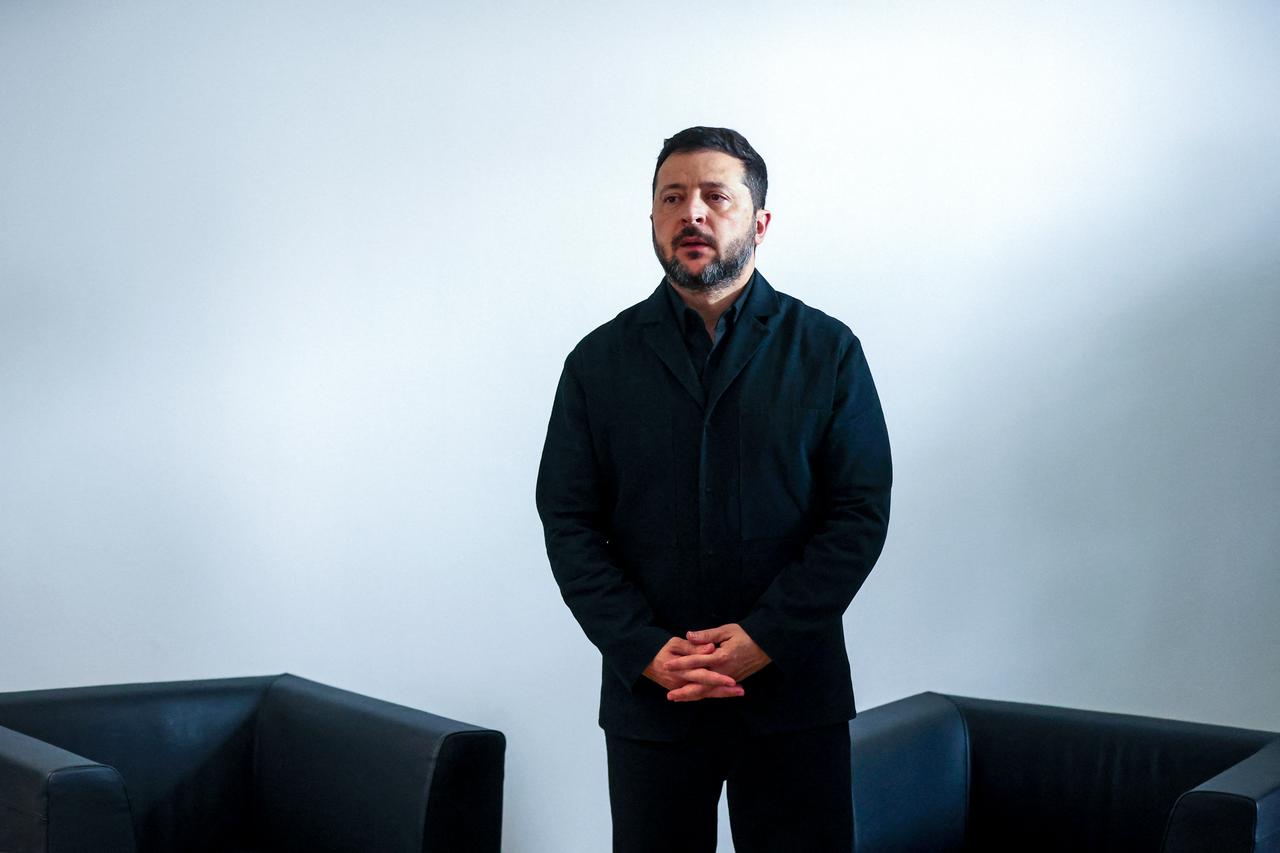
Danish Prime Minister Mette Frederiksen criticized the initiative.
"I’m very sceptical about this Norwegian and Finnish initiative. It hasn’t been coordinated with any of the rest of us," she told reporters in Finland.
"I honestly don’t know what those two countries think they can achieve with this," Frederiksen said, adding, "I think that we should keep Europe together instead of going solo."
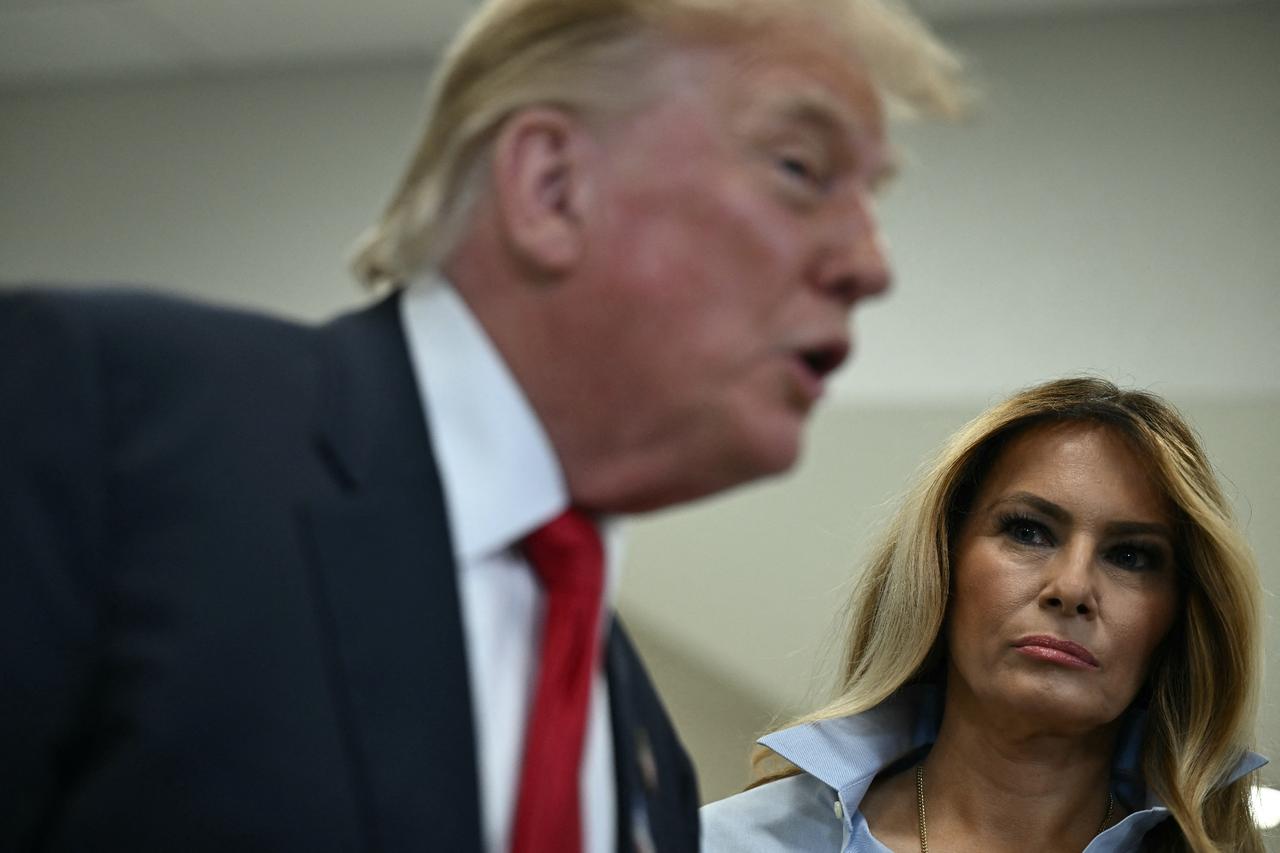
The call came as a local ceasefire in Oleshky, brokered by U.S. first lady Melania Trump, appeared to be holding. Ukrainian negotiator David Arakhamia said it would last until 10:59 p.m. on Nov. 1.
"The enemy is observing the ceasefire," Ukrainian Marine Corps spokesman Pavlo Drogal said Tuesday morning.
Kremlin spokesman Dmitry Peskov said there were no reports of violations.


 Set as preferred source
 Set as preferred source


 1 min read