Newsletters


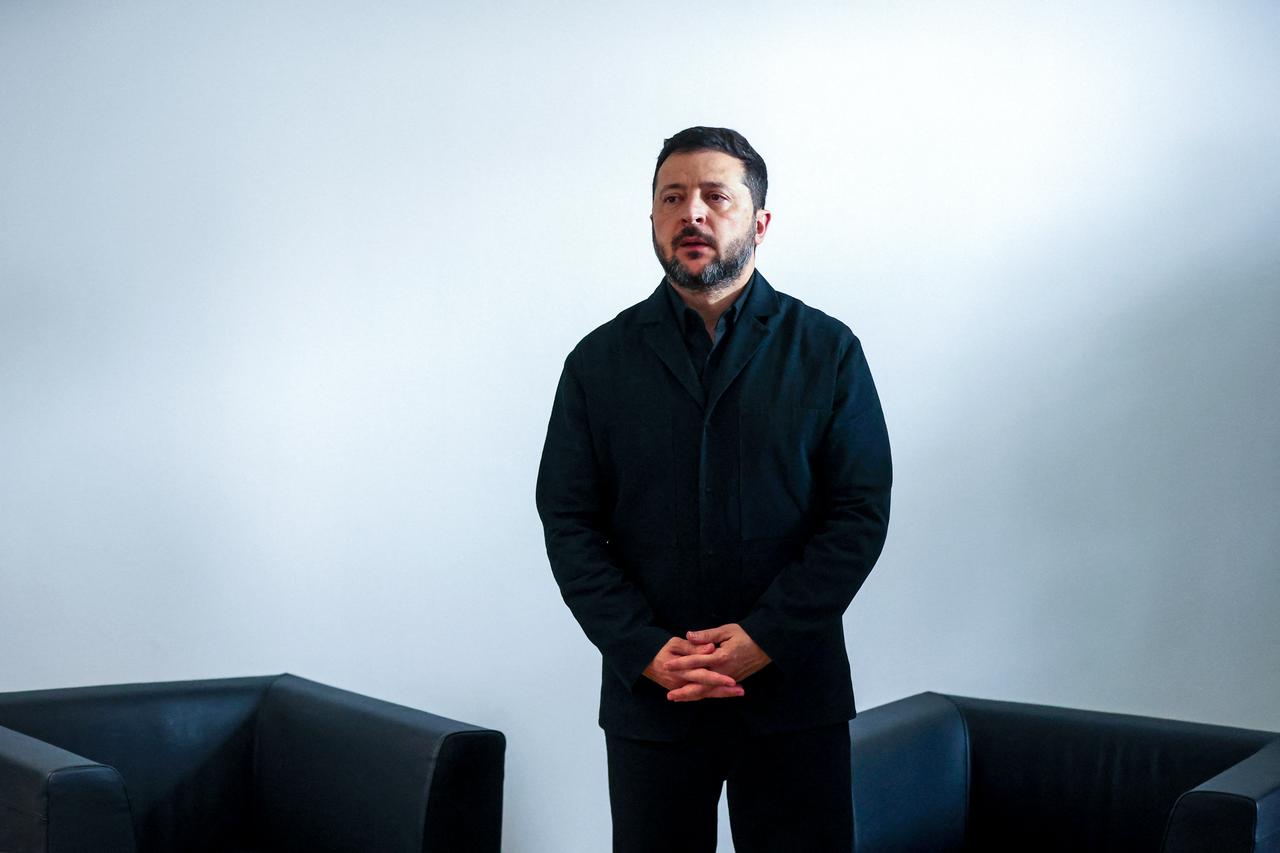


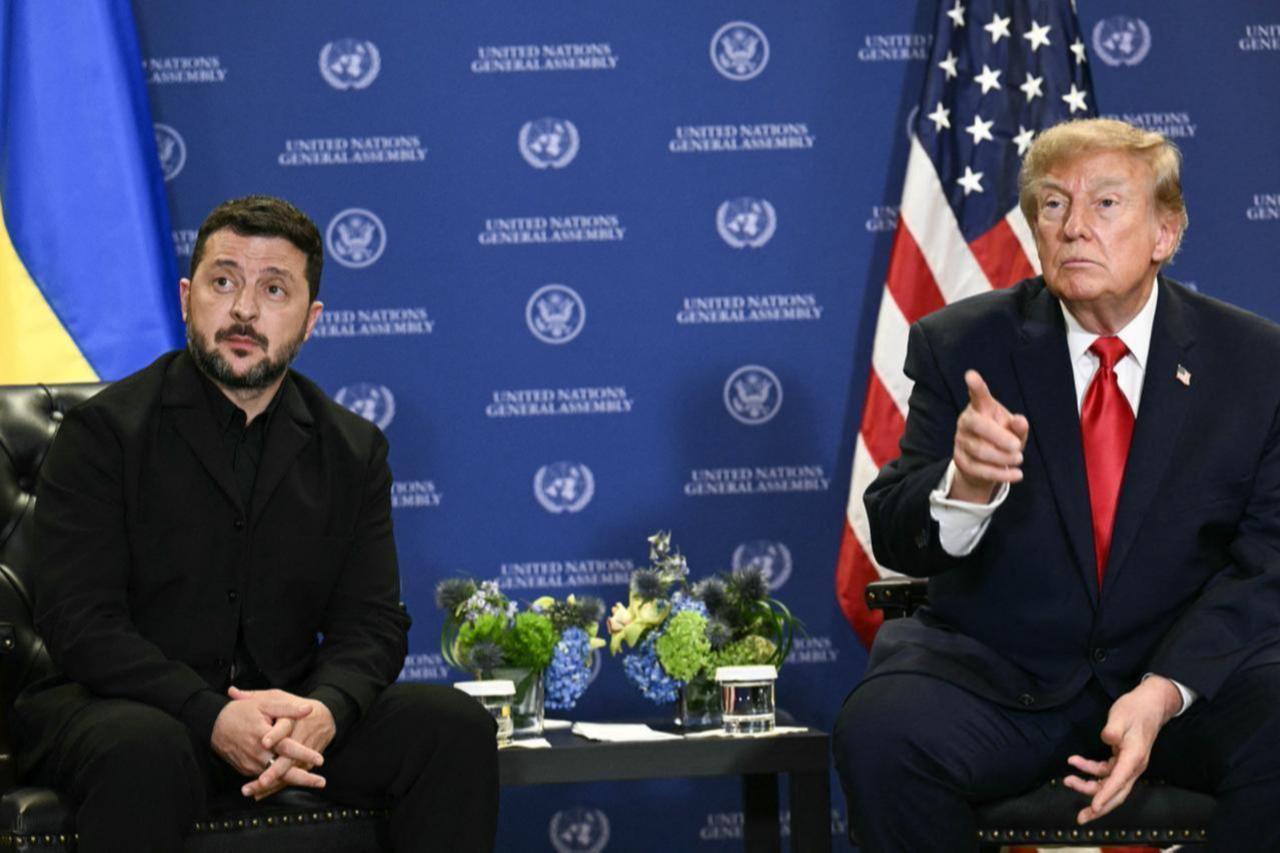
President Trump's renewed pressure on Volodymyr Zelenskyy has brought Ukraine's leadership question back into focus. His latest call for another negotiator suggests that Washington increasingly regards the Ukrainian president as an obstacle to a settlement.
Yet replacing Zelenskyy would leave his successor facing much the same military problems and Russian demands.
The growing pressure for leadership change therefore raises a larger question about how much of Ukraine's war strategy any president can actually change.
The debate tends to intensify when military progress slows, or negotiations fail to produce results. Elections offer a possible way to renew political authority and allow those dissatisfied with Kyiv's approach to challenge its leadership.
But the war itself prevents an orderly electoral process. Ukraine's election authorities estimate that 4 million to 4.5 million voters remain abroad, with only 104 polling stations in consulates. Soldiers at the front and voters in occupied territories present further problems. A brief ceasefire would hardly resolve them.
Political competition inside Ukraine is nevertheless becoming more serious. Former defense minister Mykhailo Fedorov's break with Zelenskyy, ex-commander-in-chief Valerii Zaluzhnyi’s popularity and the growing political influence of Zelenskyy’s chief of staff, Kyrylo Budanov, have weakened the president’s position.
Still, Zelenskyy retains considerable control over the government and can secure parliamentary support. His opponents have gained visibility without establishing a coalition capable of governing.
Growing dissatisfaction may therefore weaken the presidency before producing a credible replacement.
The strongest pressure for change may eventually come from the material costs of the war. Ukraine's persistent manpower problems complicate recruitment and prevent exhausted frontline units from receiving sufficient rest and replacements.
Russian attacks on energy infrastructure are also reducing industrial output and tax revenues. These pressures may gradually increase public demands for a different approach to the war.
However, a new president would inherit the same shortage of trained personnel and the same need to finance the country's defense.
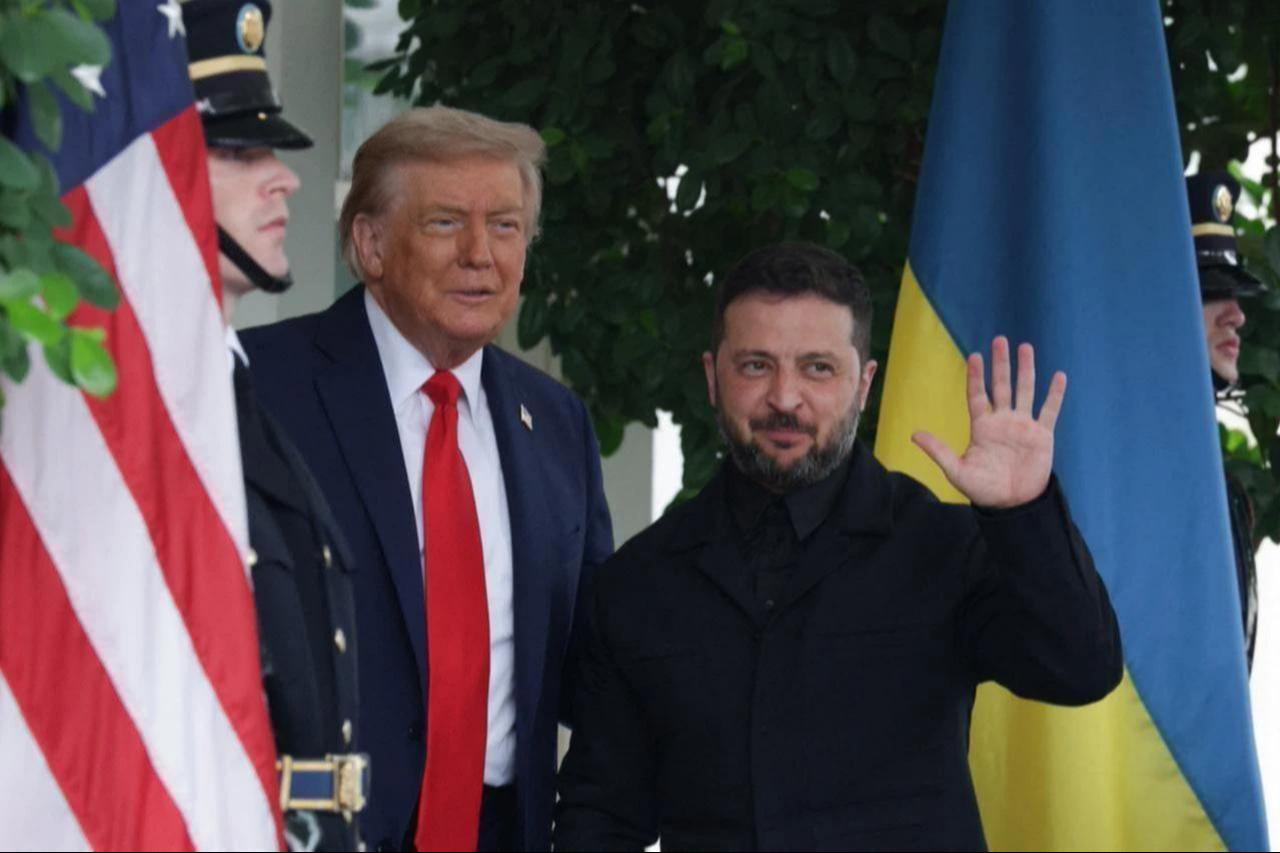

Zaluzhnyi's military reputation could give him greater authority to change mobilization policies or explain difficult compromises to the public.
His experience might also encourage him to resist territorial concessions that he considers militarily unnecessary. Neither outcome can be assumed. Military credibility could help a new president negotiate an agreement while making certain compromises politically harder to accept.
Ukrainian public opinion reinforces this uncertainty. A September survey found that 69% Ukrainian would accept a ceasefire along the existing front line if Ukraine retained the ability to strengthen its army and pursue EU and NATO membership, without legally recognizing occupied territory as Russian.
Support for negotiations therefore leaves considerable disagreement over the terms of a settlement. Furthermore, Ukraine's constitution reserves decisions changing the country's territory for a nationwide referendum.
A new president might find it easier to negotiate a temporary military arrangement than a permanent territorial settlement.
Russia's objectives would also remain. Moscow continues to demand Ukrainian withdrawal from territories it claims but does not fully control, alongside restrictions on Ukraine's future security arrangements.
Whoever succeeds Zelenskyy would face the problem of protecting the country against another offensive while obtaining terms acceptable to Moscow.
Personal relations between leaders may influence negotiations, although the underlying disagreement concerns Ukraine's future military capacity and control of territory.
For Moscow, the election debate itself may offer advantages. Political competition could weaken Kyiv's cohesion or create disputes over the winner's authority.
Yet a successful election could produce a president with a stronger mandate to resist Russian demands. Ukraine's leading potential successors have built their reputations through the country's defense, making the emergence of a more Russia-friendly administration unlikely.
Moscow could therefore benefit from continuing to question Zelenskyy's authority even if replacing him offered no guarantee of a more favorable settlement.
Washington has different interests. Trump seeks progress toward ending the war while facing domestic pressure over energy prices and the costs of American involvement.
The dispute over Ukrainian strikes on Russian refineries illustrates how these concerns increasingly influence military decisions. Zelenskyy's offer to suspend refinery strikes for 30 days in exchange for Patriot interceptors shows how Washington can use essential military supplies to influence Kyiv's choices.
American pressure may nevertheless complicate the settlement it seeks. Reduced intelligence sharing or delayed air-defense supplies could weaken Ukraine's negotiating position, encouraging Moscow to believe that continued fighting might secure better terms.
Washington may want a quicker agreement, while Russia may calculate that Ukraine's dependence on American support offers opportunities for further gains.
Their dissatisfaction with Zelenskyy can temporarily overlap without giving them a common preferred outcome.
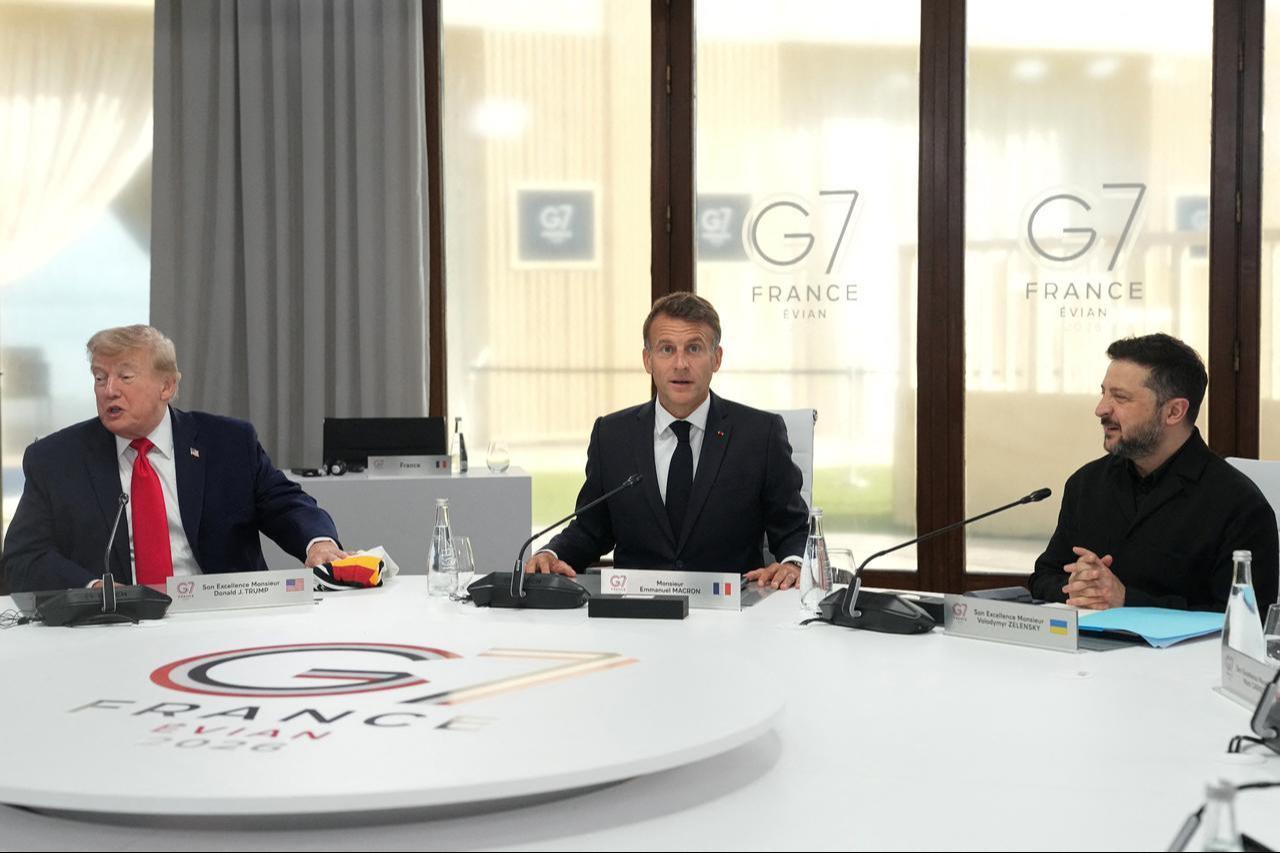
Ukraine's growing dependence on European financing adds another constraint to any political transition. Europe is providing much of Kyiv's financial support, yet American weapons remain important to its defense.
Funding also depends on parliamentary decisions and reforms required by international lenders. A newly elected president would inherit a parliament chosen in 2019 and might lack a reliable majority.
Even a popular successor could struggle to maintain the flow of resources while reorganizing the government.
Russia faces mounting costs of its own as its defense expenditure continues to increase alongside fiscal pressure, although higher energy revenues help sustain the war effort.
Both countries have reasons to consider a pause in fighting, while neither faces an inevitable near-term military or economic collapse. The costs of the war may create stronger incentives to negotiate without producing agreement on the conditions for peace.
For now, Zelenskyy appears more likely to remain in office while adjusting his policies and sharing more influence within the government.
A leadership transition would become more plausible if military and economic pressures continued to weaken his position, political rivals formed an effective coalition and a sustained ceasefire allowed credible elections.
Whether the resulting government could govern effectively would depend on its relationship with parliament, the military and Ukraine's foreign supporters.
Ukraine may eventually replace Zelenskyy before reaching a durable peace. Such a change could open new political possibilities, but the forces shaping the war would remain largely intact.
The question of who governs Ukraine is becoming more urgent, while the question of what that government can realistically achieve remains considerably harder to answer.


 Set as preferred source
 Set as preferred source


 1 min read
 1 min read