Newsletters


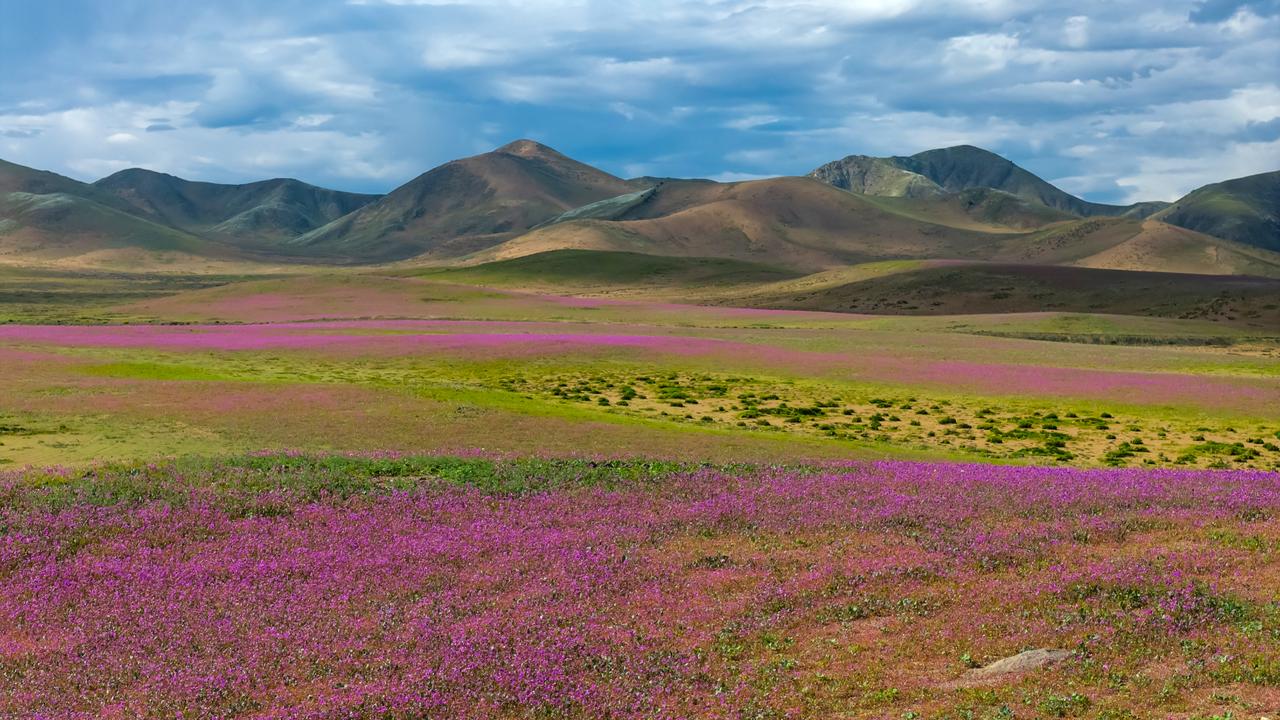
Flowers have burst into bloom across Chile’s Atacama Desert, one of the driest places on earth, after heavy El Nino rains soaked the region.
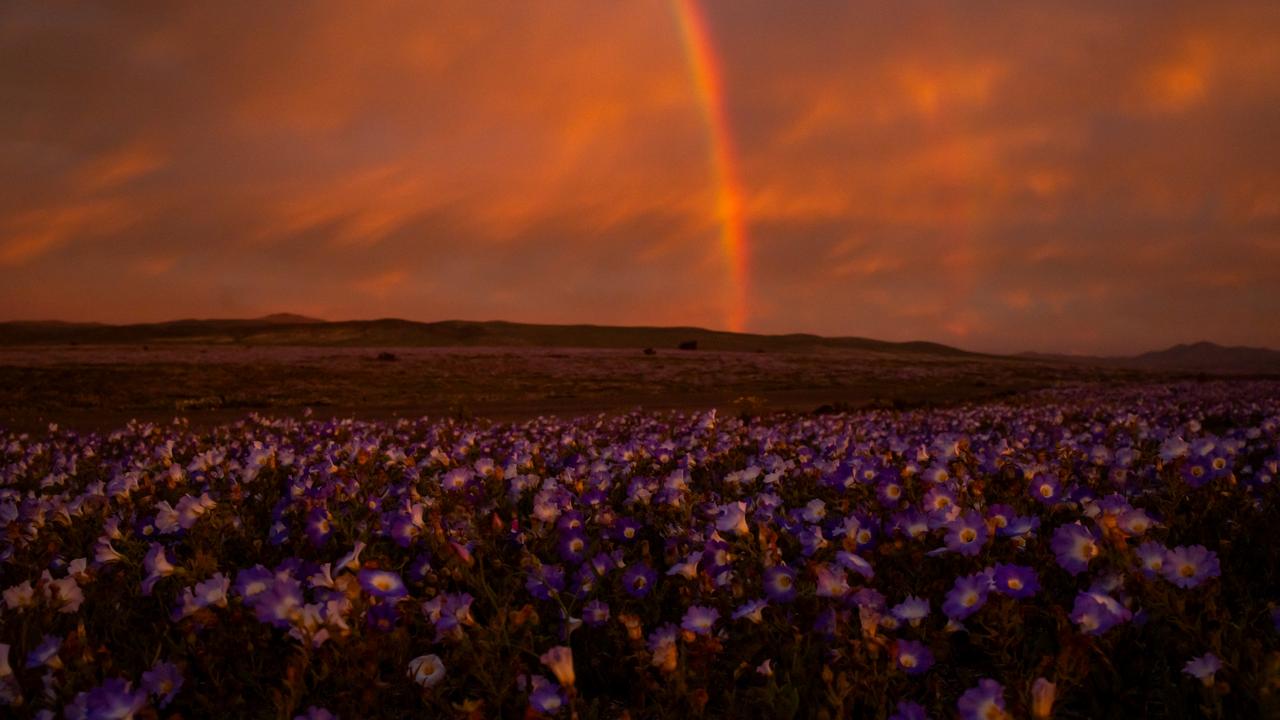
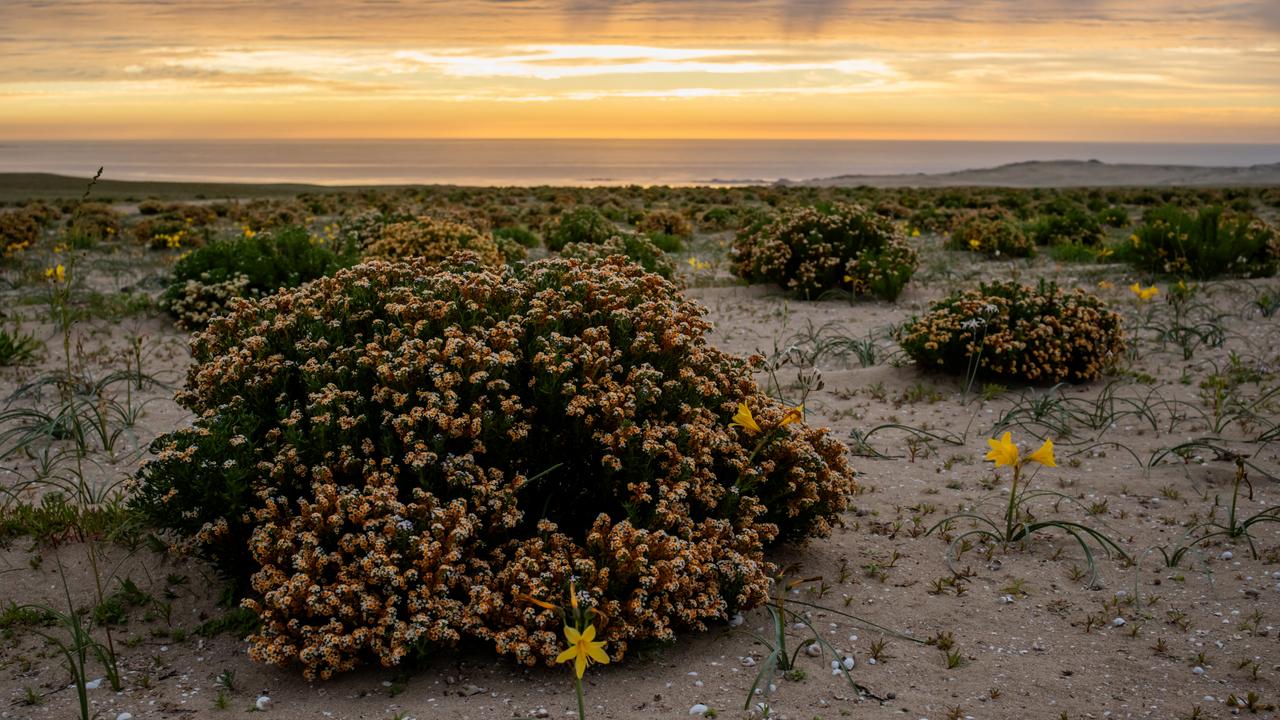
Seeds and bulbs from about 200 species, numbering in the millions, remain hidden beneath the usually dry ground until water arrives.
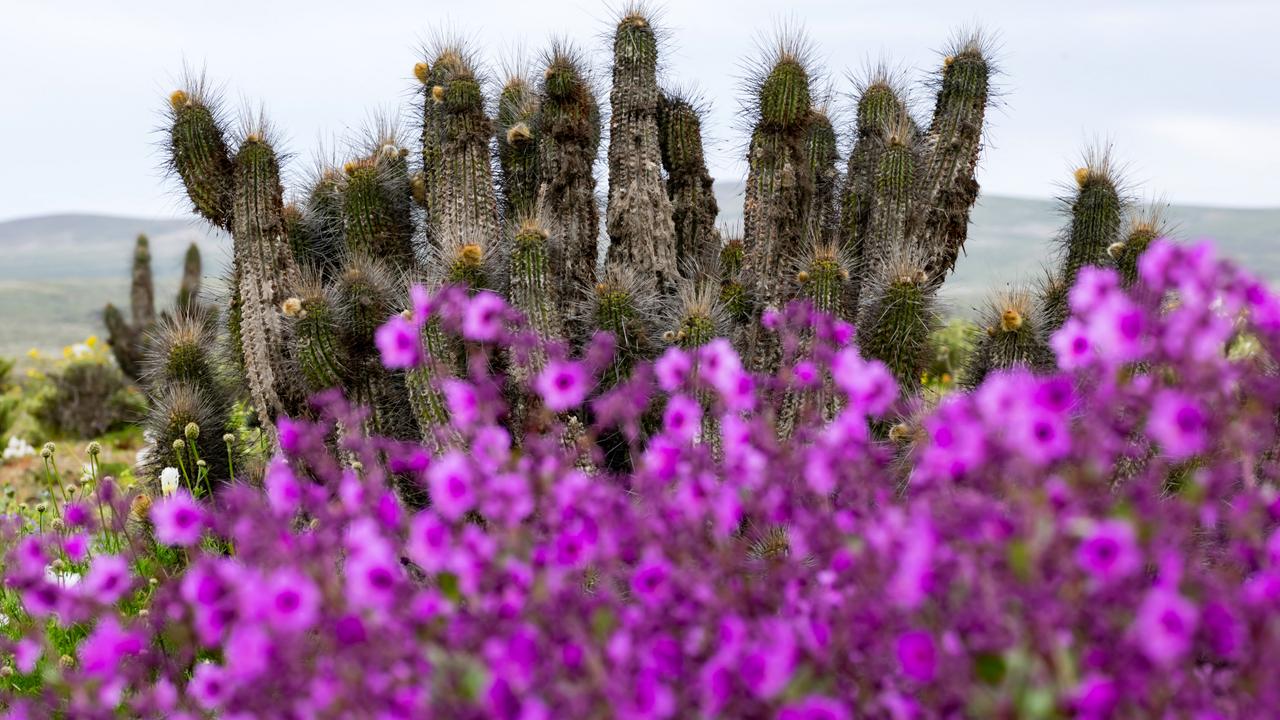
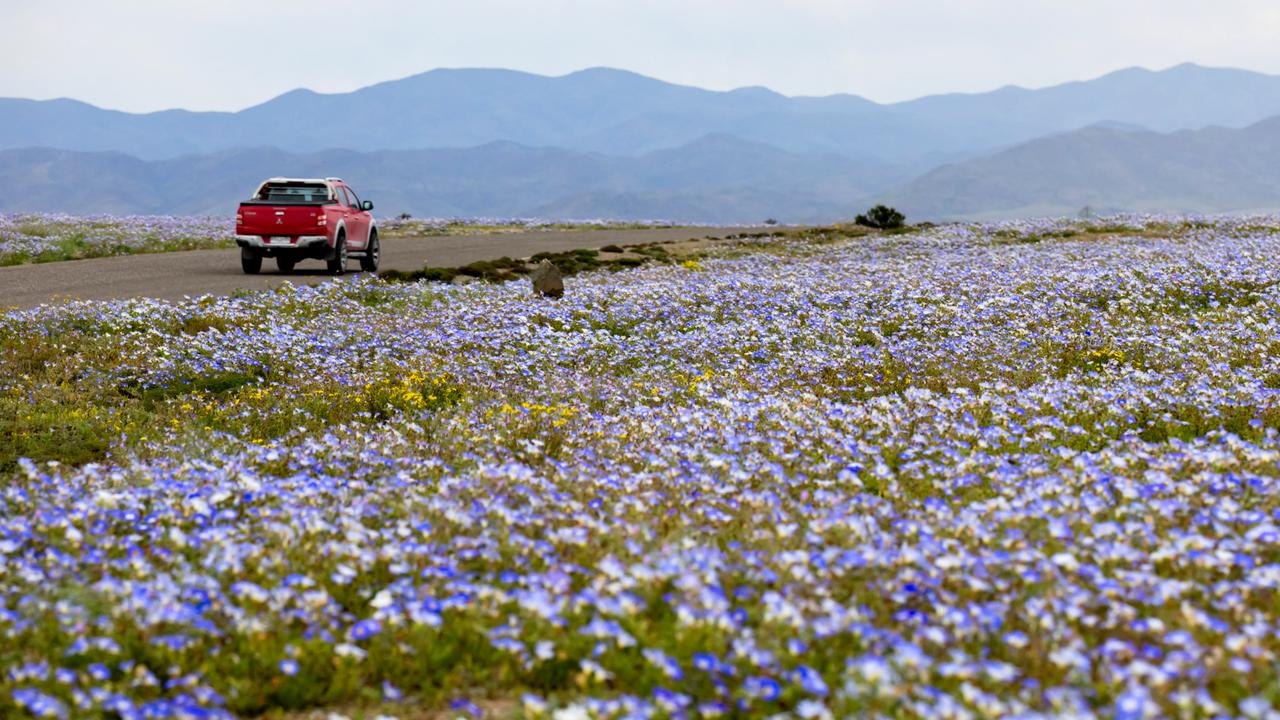
Recent heavy rains have brought rare life to northern Chile, coaxing a hidden ecosystem out of dormancy. The usually arid desert landscape has transformed dramatically, blanketed by vast carpets of violet and white blossoms poking through the dry ground.
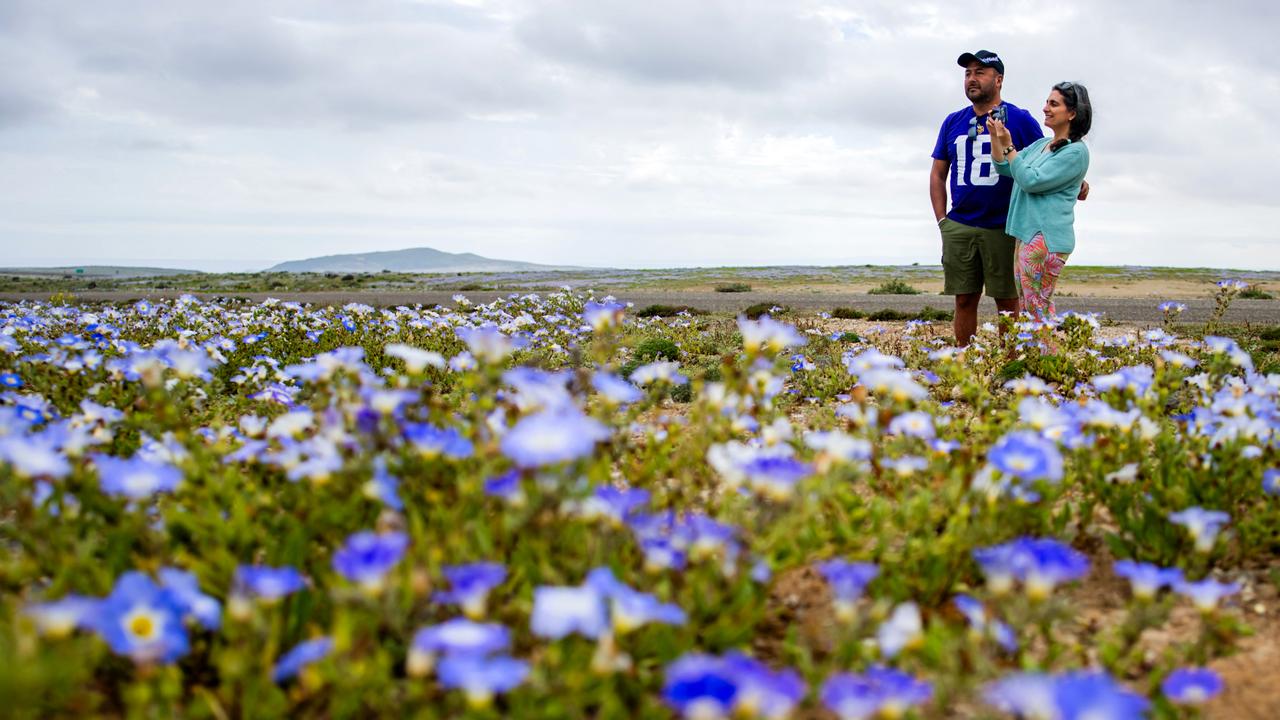
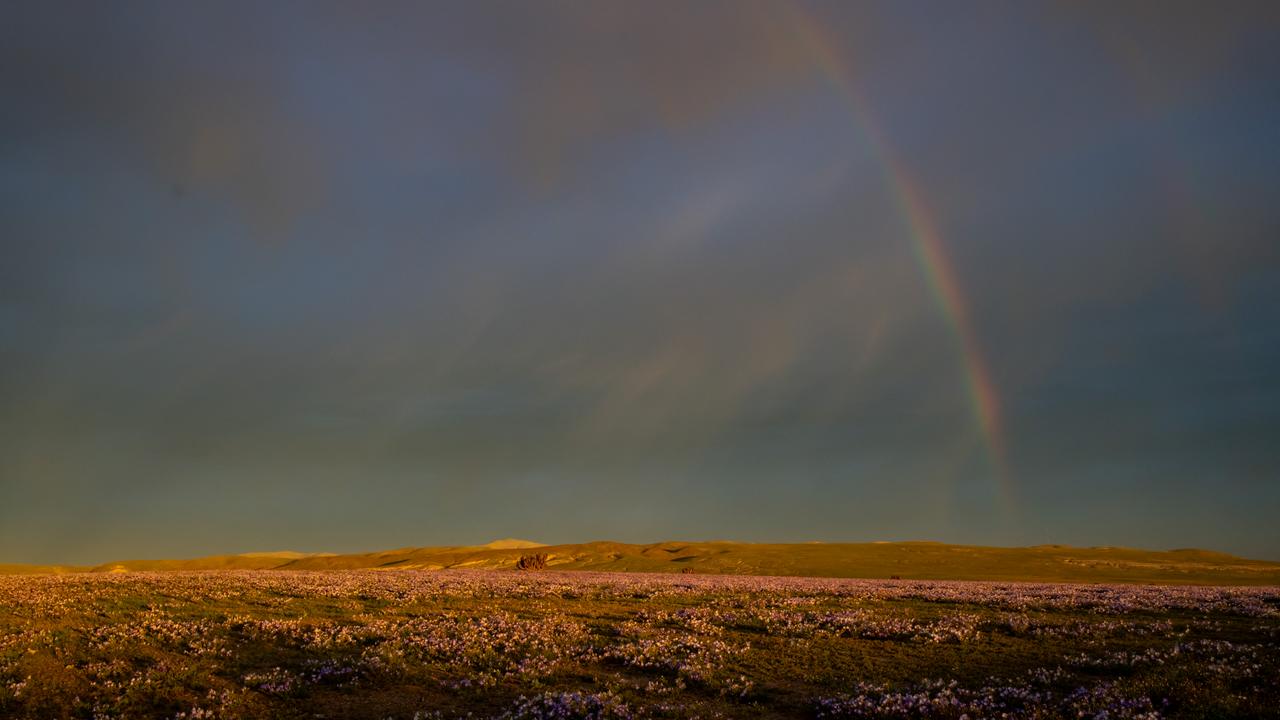
Tourists by the dozens stop along the road to photograph the landscape, and lucky ones may spot a rainbow arcing across a deep red sunset.
Cesar Pizarro, head of Atacama biodiversity for Chile’s forestry body CONAF, told Agence France-Presse (AFP) that seasonal rainfall topping 180 millimeters in some areas “had never been recorded before.” The water soaked deeper into the sand than usual, reviving the nature reserve about 800 kilometers (500 miles) north of Santiago.
The bloom will peak in October, CONAF said, which estimates that 15,000 hectares will blossom and burst into color. Forecasts call the current El Nino the most powerful in four decades of comparable records.
El Nino heats surface waters in the central and eastern equatorial Pacific and causes global changes in winds and rainfall, as well as erratic weather conditions. Torrential rains that battered Chile in July killed 13 people and destroyed or severely damaged roughly 4,000 homes.
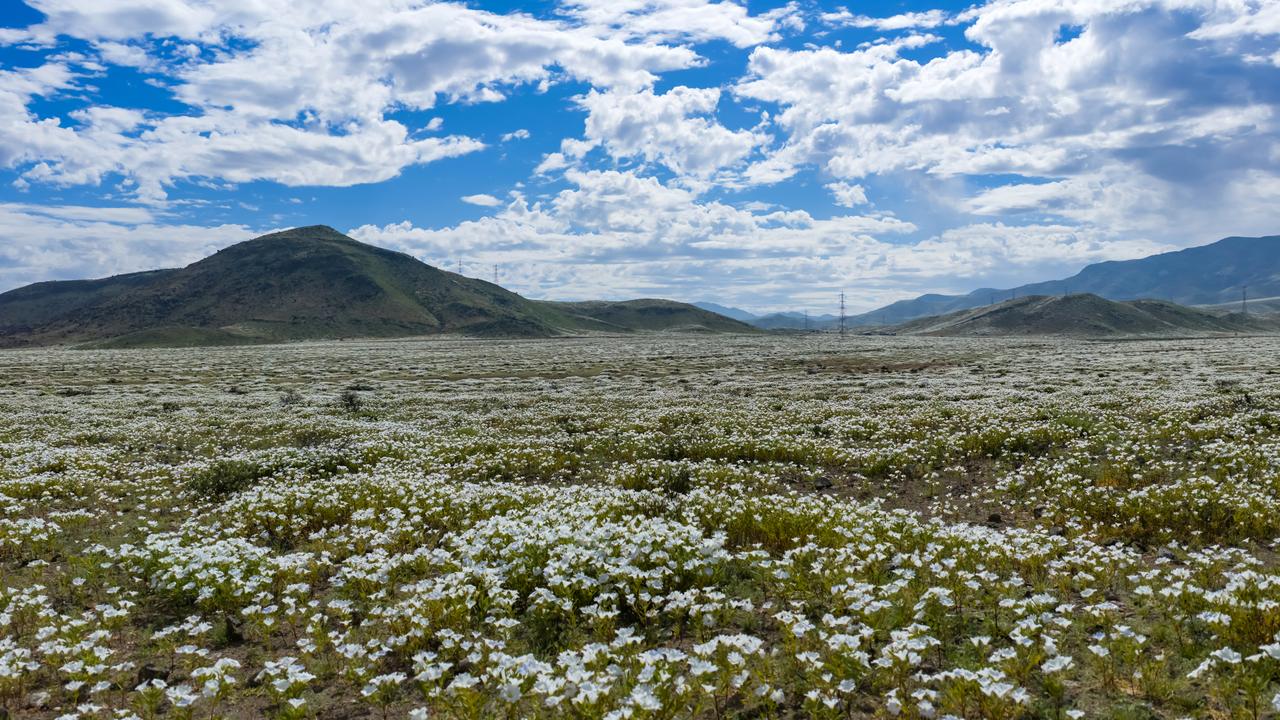
While acknowledging these devastating effects, Pizarro also highlights that nature can benefit from El Nino. "Although there is great concern… about the impacts it is causing in many places, it also generates life," he said.
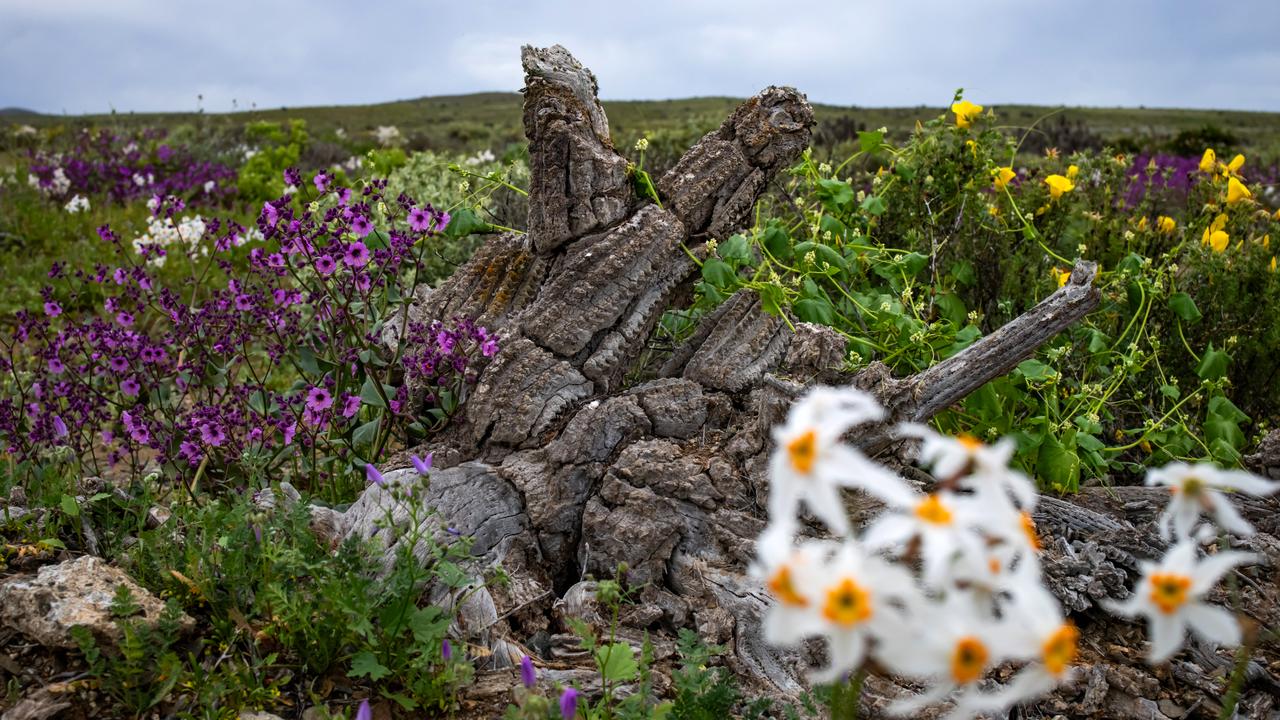
He added that insects, snails, birds, reptiles and mammals are multiplying as well. Bees pollinate the blooms, while beetles feast on the leftovers and enrich the soil with nitrogen-rich droppings before the next rains.
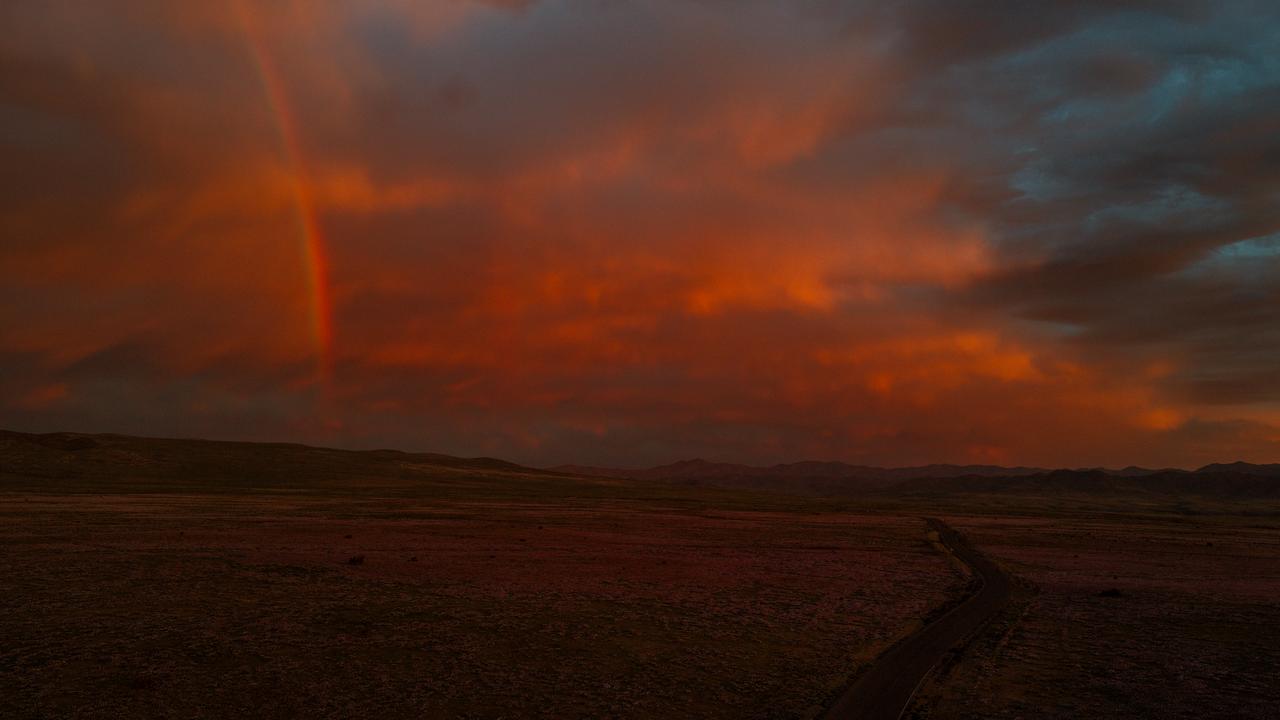
Pizarro hopes that a massive influx of tourists won't wreak too much damage on the natural haven, stressing the importance of using established footpaths and leaving pets at home.
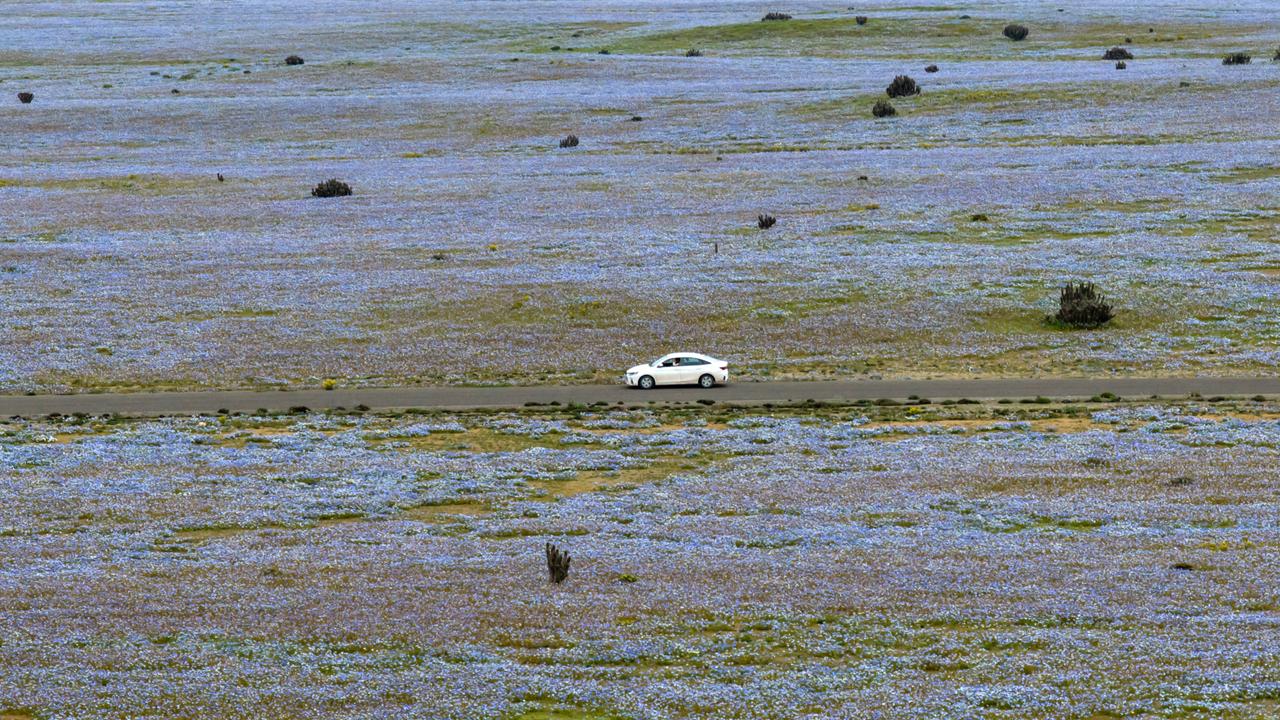
"For our country, the flowering desert is a source of pride. It is part of our heritage," he said, admiring the yellow beauties sprouting all around him. "Although there are several deserts that bloom when it rains, the territorial extent and the diversity of species we have here are unique," he said.


 Set as preferred source


 3 min read