Newsletters


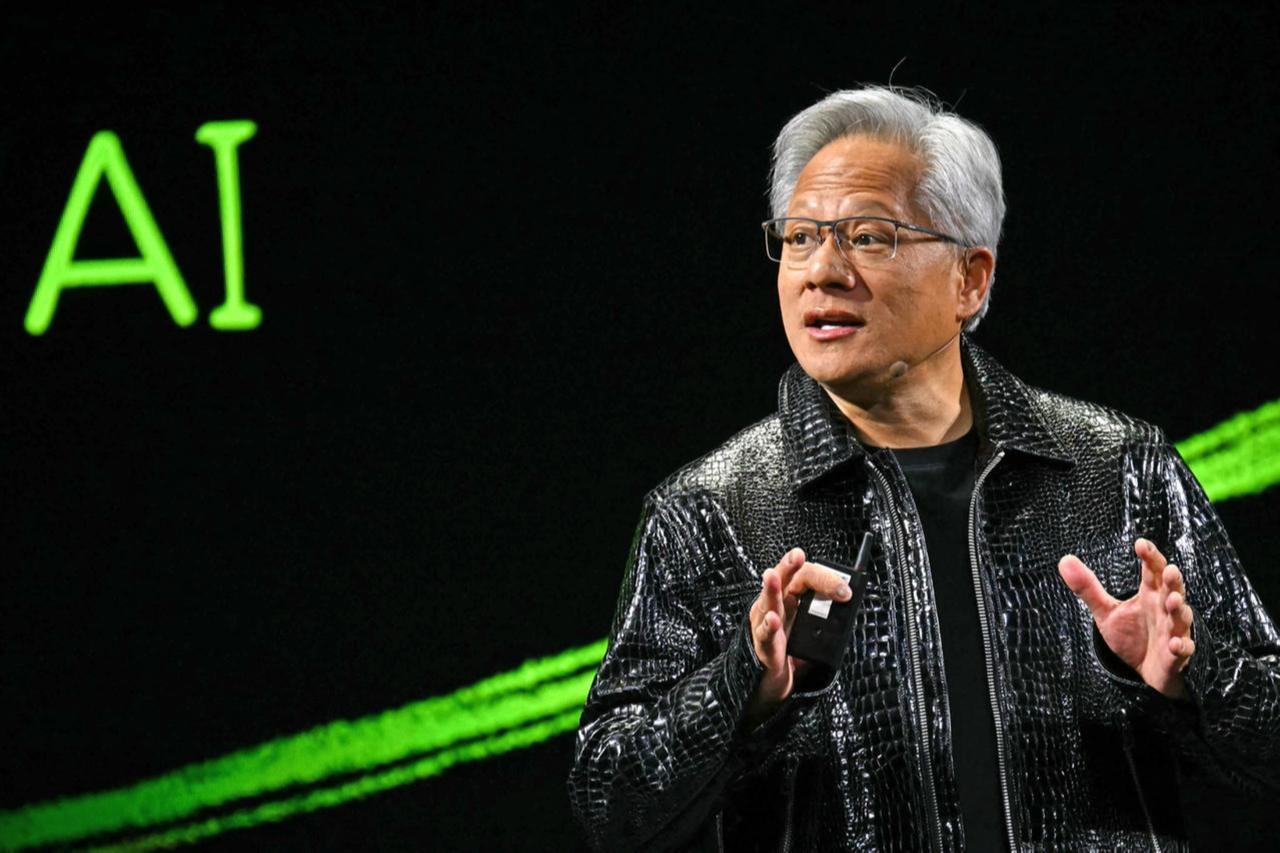


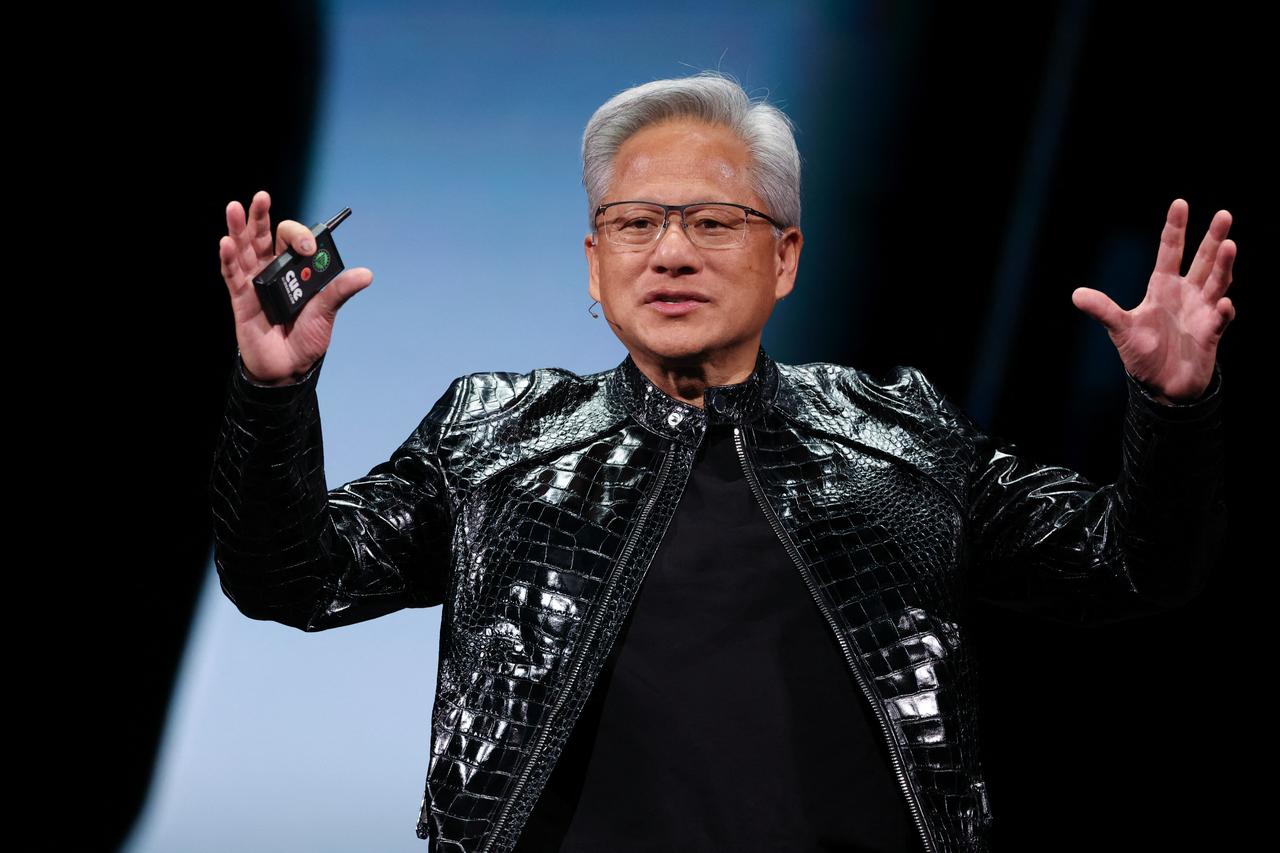
Former Nvidia Chief Executive Jensen Huang and company representatives have agreed to a voluntary, closed-door interview with three US House committees, the chair of one of the panels said Sunday. The agreement removes the immediate need for a congressional subpoena.
“We are in the process of discussing exact dates, but yes, they said they will be forthcoming and work with the committee,” Rep. John Moolenaar, a Michigan Republican who chairs the House Select Committee on the Chinese Communist Party, told CBS News.
The joint session will involve the House Foreign Affairs Committee, the House Intelligence Committee and Moolenaar’s select committee. The three panels invited Huang on Thursday to a “closed-door, transcribed” interview on Dec. 1. They warned that a failure to cooperate would lead to a subpoena.
Moolenaar said the voluntary arrangement makes compulsory process unnecessary for now, though no exact date has been finalized.
Lawmakers want to establish “to what degree privileged information was accessed,” Moolenaar said. They also want to know whether an alleged Chinese intelligence asset influenced Nvidia’s corporate approach to artificial intelligence and export controls.
Washington has tightened restrictions on sales of advanced AI chips to China in recent years, and Nvidia, a company Huang co-founded, sits at the center of that debate. The select committee, created in 2023, examines strategic competition between the United States and Beijing.
The inquiry focuses on Alice Huang, a Chinese national and former executive at Megaspeed, a Singapore-based cloud firm that gained access to high-end Nvidia chips.
That access has prompted federal investigations into whether the processors were smuggled into China in violation of US export restrictions. Alice Huang left Megaspeed in August 2025.
 1 min read
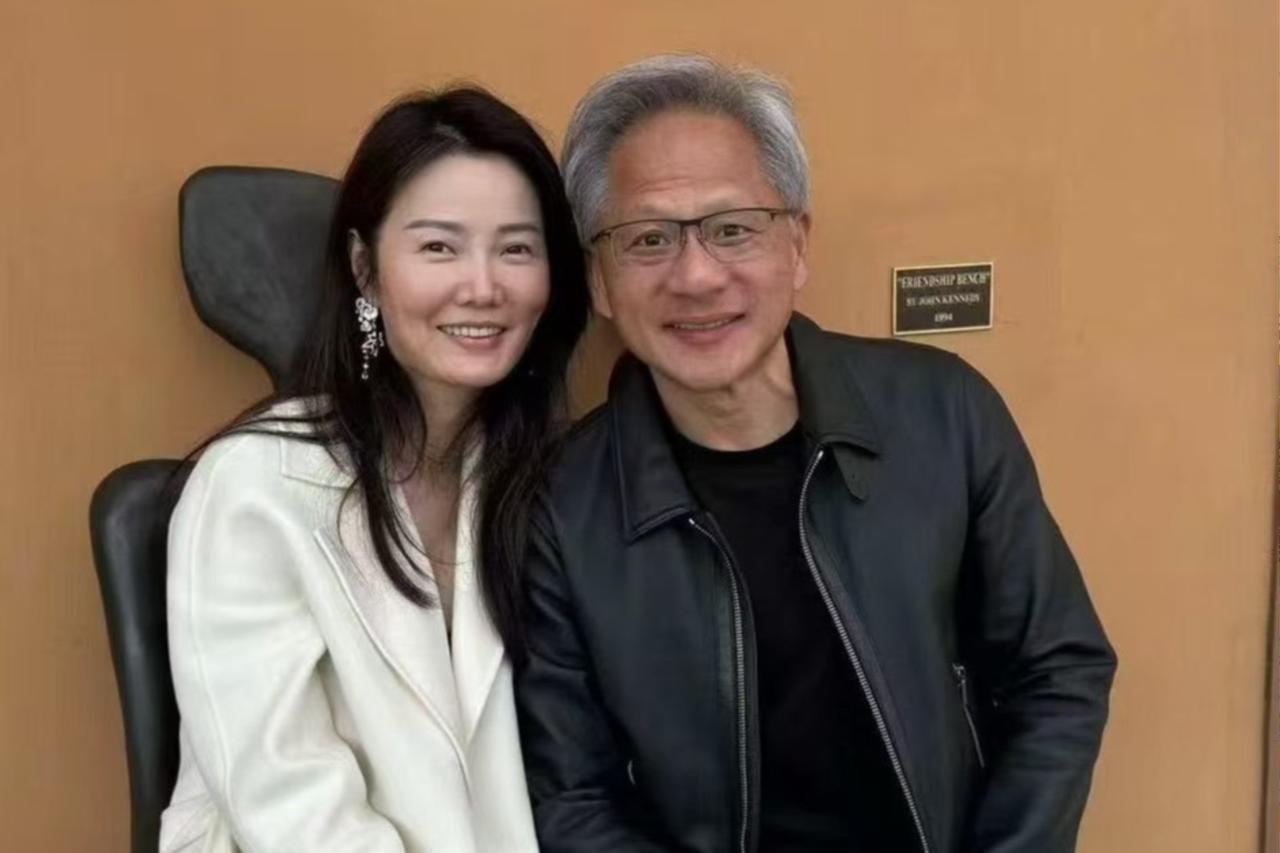
Jensen Huang resigned on Nov. 12 after more than three decades leading the chipmaker. His departure followed reports linking him to an extramarital relationship with Alice Huang.
Moolenaar defended his earlier assessment that Huang “severely compromised” US national security. He pointed to what he described as Beijing’s “all-of-society” intelligence model and to national security laws in Hong Kong. He cited imprisoned publisher Jimmy Lai as an example of the pressure Chinese citizens face to comply with intelligence directives.
“And for Jensen Huang to be in a relationship like that, knowing that every Chinese national can be pressured by the Chinese Communist Party to comply whatever directives they have from the intelligence, that was simply irresponsible and a direct threat to our national security,” Moolenaar said.


 Set as preferred source
 Set as preferred source


 1 min read