Newsletters


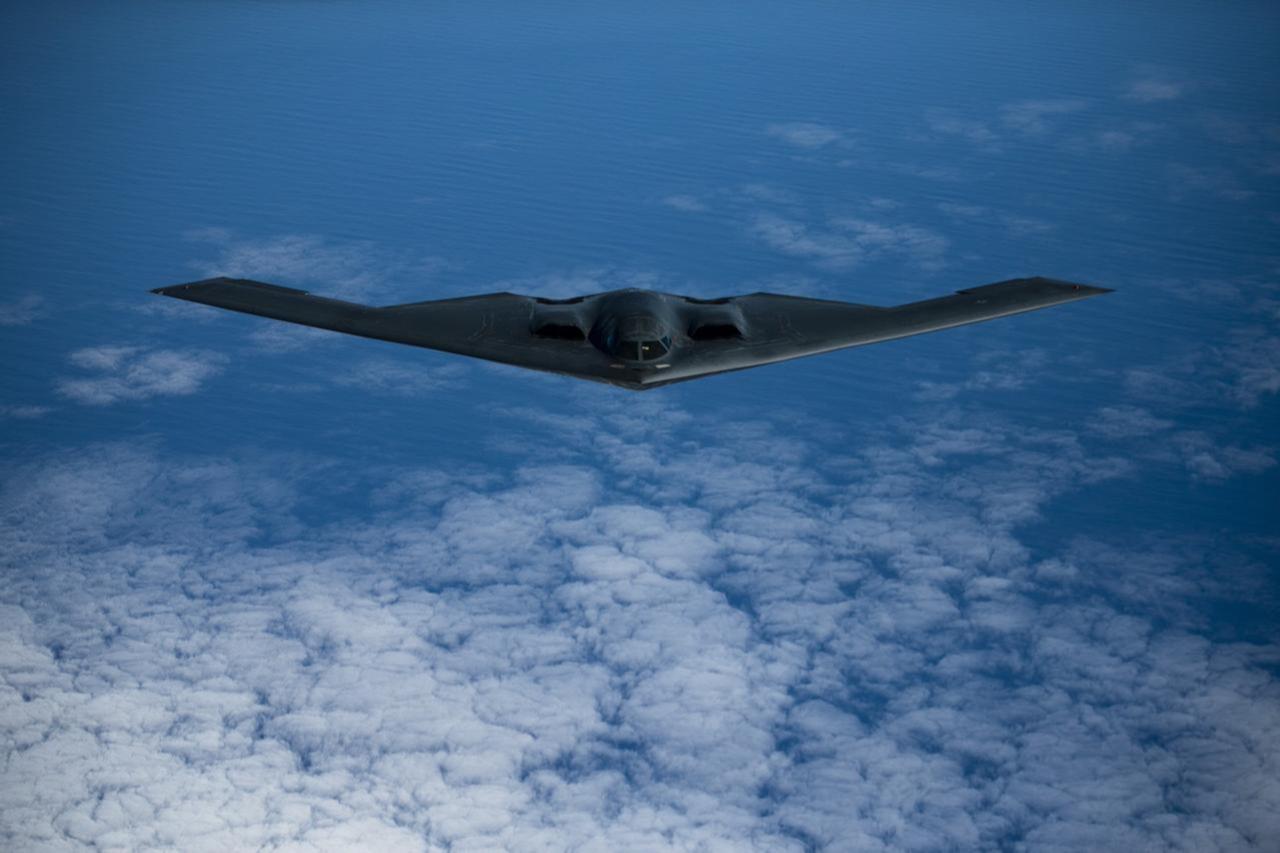


Four U.S. Air Force B-2A Spirit stealth bombers conducted a round-trip strike mission from the continental United States to Iran as part of the opening night of Operation Epic Fury, the American component of the joint U.S.-Israeli military campaign launched on Feb. 28, according to radio communications intercepted on standard air traffic control frequencies and a U.S. official who spoke to Fox News.
The bombers, flying under the callsign PETRO41, were tracked over the Strait of Gibraltar on their return leg to Whiteman Air Force Base in Missouri, supported by a fleet of KC-46 tanker aircraft staged from Lajes Air Base in the Azores. An unnamed U.S. official confirmed to Fox News correspondent Jennifer Griffin that the four B-2s "dropped dozens of 2,000 lb bombs on underground ballistic missile sites in Iran."
The Pentagon has not officially confirmed the bombers' involvement. The mission marks the second known use of the B-2 against Iranian targets following Operation Midnight Hammer in June 2025, when the aircraft struck nuclear enrichment facilities at Fordow, Natanz, and Isfahan.
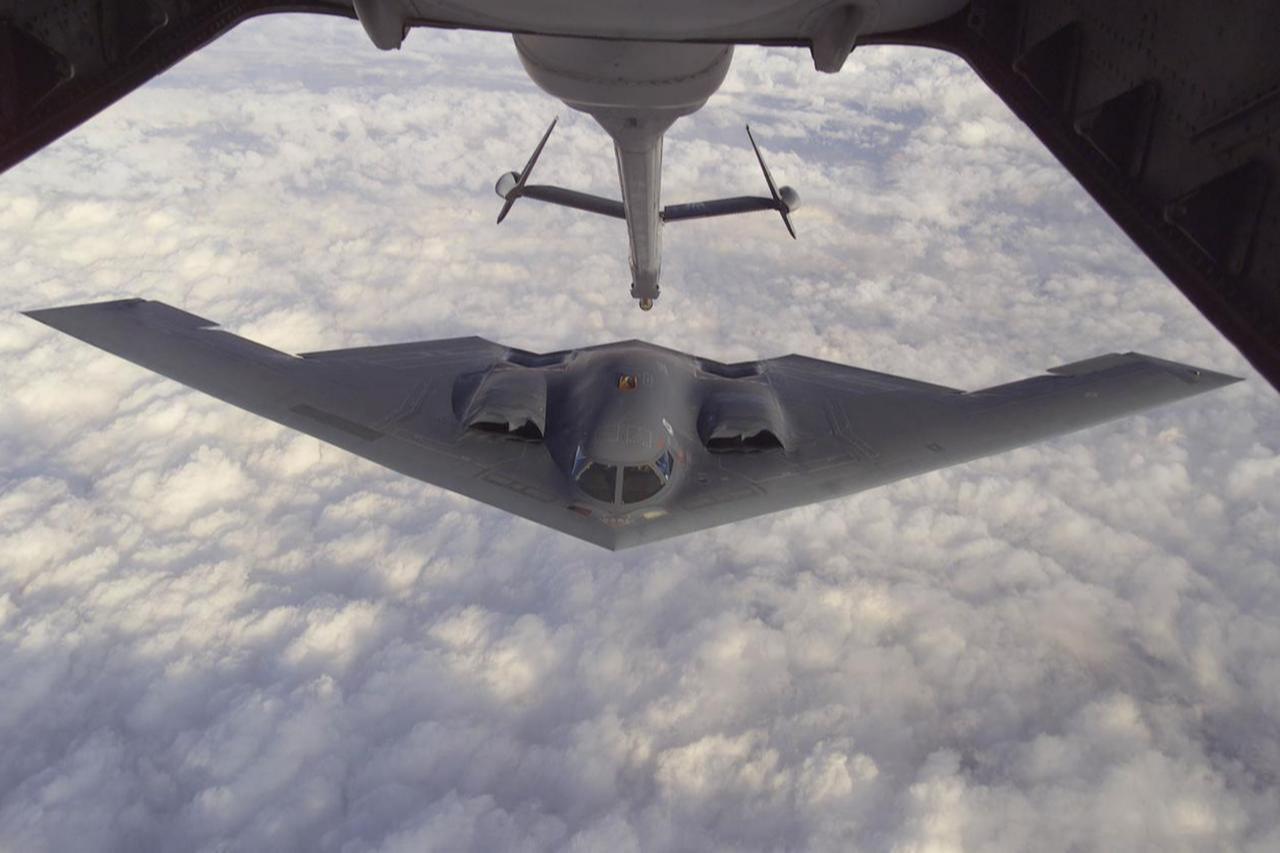

The PETRO41 flight followed a pattern nearly identical to Midnight Hammer, transiting the Atlantic Ocean with aerial refueling support staged at Lajes, a Portuguese air base in the Azores that has long served as a waypoint for U.S. bomber missions crossing the ocean. A video captured at Lajes showed five KC-46 tankers departing in rapid 30-second intervals, with one aircraft possibly serving as a spare. The tankers used the RCH, or Reach, callsign, while the bombers flew under the PETRO designation, a callsign typically associated with tanker aircraft. The apparent callsign swap may have been a deliberate attempt to obscure the bombers' identity on open radio frequencies, a tactic also employed during the June 2025 strikes.
One of the KC-46 tankers confirmed during ATC communications that the PETRO41 flight comprised four aircraft. The B-2 Spirit, built by Northrop Grumman, can carry over 40,000 pounds of ordnance, ranging from up to 80 500-pound GBU-38 Joint Direct Attack Munitions to 16 2,000-pound GBU-31 JDAMs or 16 AGM-158 Joint Air-to-Surface Standoff Missiles.
The reference to underground ballistic missile sites suggests the bombers may have employed the GBU-31(V)3/B variant, which pairs the JDAM guidance kit with the 2,000-pound BLU-109/B penetrator warhead designed to strike hardened and buried targets. The deployment of B-2s does not necessarily indicate the use of the 30,000-pound GBU-57 Massive Ordnance Penetrator, as the aircraft's versatile payload capacity allows for a range of munitions depending on the target set.
 1 min read
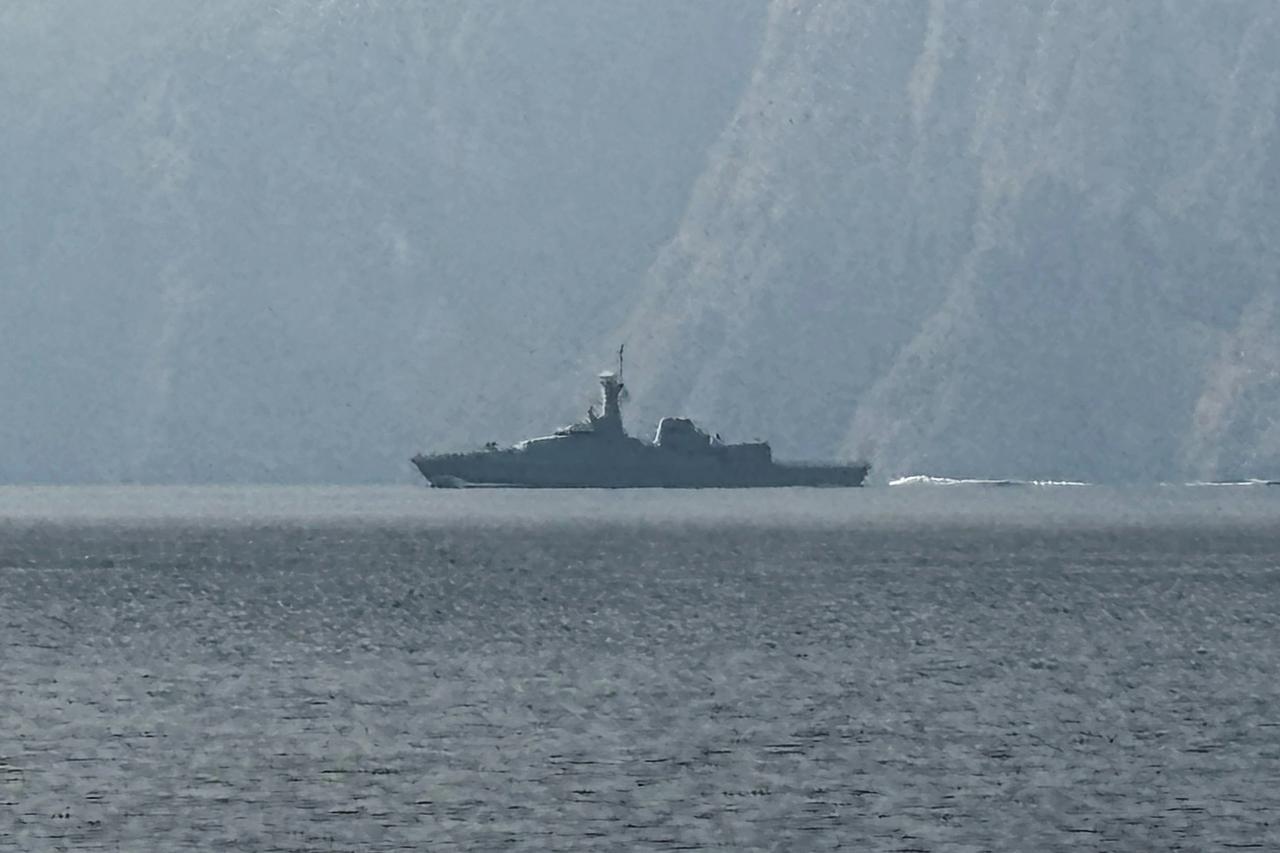
As the joint operation moved into its second day, U.S. Central Command announced that three American service members had been killed in action and five were seriously wounded, with several others sustaining minor shrapnel injuries and concussions. The casualties appeared linked to Iranian retaliatory strikes against U.S. bases in the region.
CENTCOM also moved to counter Iranian claims that ballistic missiles had struck the USS Abraham Lincoln (CVN-72) aircraft carrier, stating flatly that the vessel was not hit and that "the missiles launched didn't even come close." The Lincoln, operating in the North Arabian Sea as part of a massive U.S. naval buildup that included the USS Gerald R. Ford carrier strike group in the Eastern Mediterranean, continued to launch aircraft in support of ongoing operations.
Images and video released by CENTCOM offered the first visual accounting of the weapons systems employed during the campaign's opening day. Among the platforms visible was what appeared to be the U.S. Army's Precision Strike Missile, or PrSM, launched from an M142 High Mobility Artillery Rocket System, known as HIMARS. PrSM, which entered production in recent years as a replacement for the aging Army Tactical Missile System, represents one of the newest precision-strike capabilities in the U.S. arsenal.
Also visible were RGM-109 Tomahawk Land Attack Missiles, at least one of which appeared to carry a glossy black coating reminiscent of the finish used on the AGM-158C Long Range Anti-Ship Missile. Additionally, CENTCOM imagery showed an F-15E Strike Eagle armed with four LAU-131 rocket pods, each capable of carrying seven AGR-20F FALCO rockets, a recently introduced counter-drone munition, alongside four AIM-9X Sidewinder and four AIM-120C/D AMRAAM air-to-air missiles.
Photographs also depicted F-35C Lightning II fighters from the U.S. Marine Corps' VMFA-314 squadron aboard the Lincoln, with visible discoloration on the aircraft's radar-absorbent material coating caused by oxidation of iron-based particles, a cosmetic effect that does not impair the jet's stealth performance.
The overnight period between Feb. 28 and March 1 saw both sides continue attacks. In a significant escalation that brought the conflict closer to European territory, UK Defence Secretary John Healey confirmed that British forces based at RAF Akrotiri in Cyprus intercepted two Iranian missiles that were flying toward the island. Healey said it remained unclear whether the missiles were deliberately aimed at UK facilities.
RAF Akrotiri, a British Sovereign Base Area on the southern coast of Cyprus, has long served as a staging hub for UK and allied military operations in the Eastern Mediterranean and the Middle East. The base is currently hosting a detachment of U.S. Air Force U-2S Dragon Lady high-altitude reconnaissance aircraft, one of which was heard communicating with air traffic controllers while recovering at the facility during the operation.


 Set as preferred source
 Set as preferred source



 1 min read