Newsletters




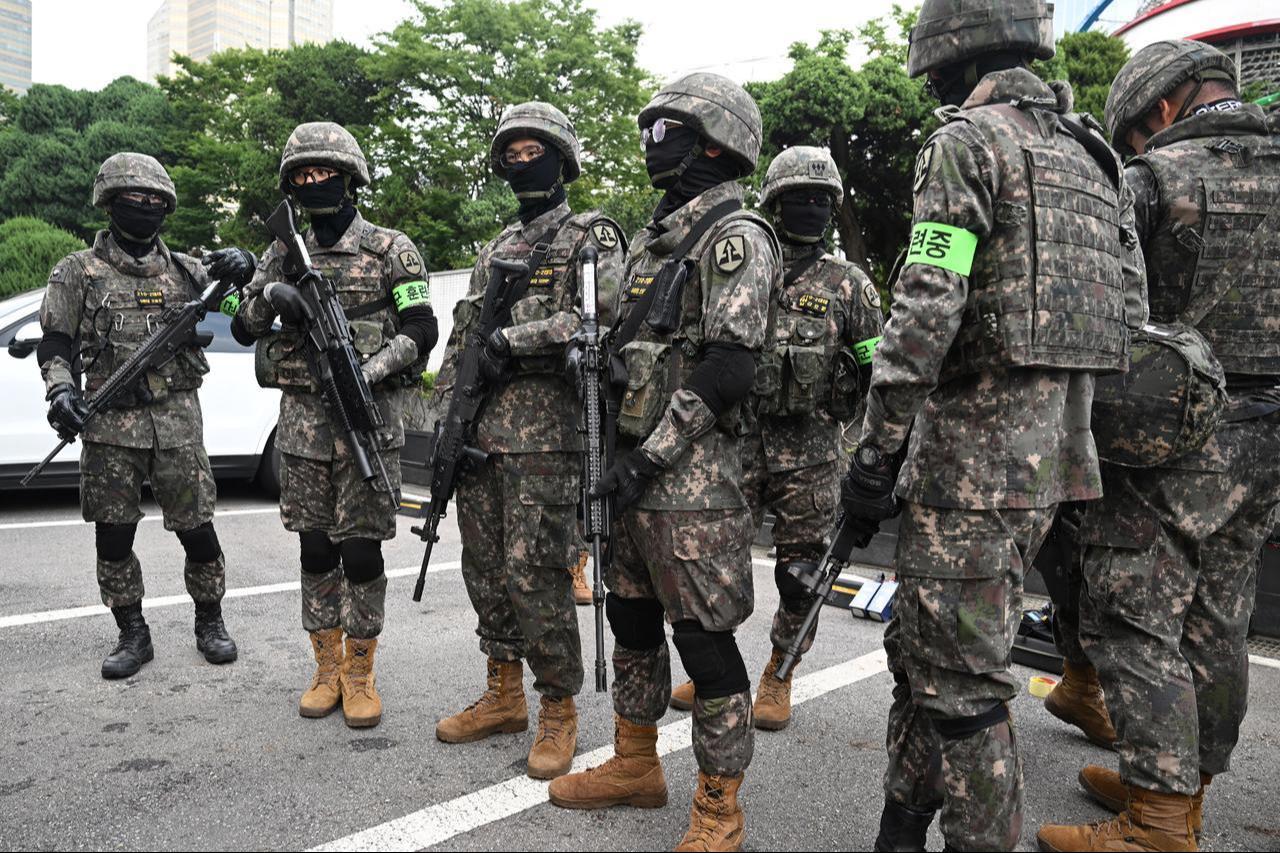
The U.S., South Korea and Japan began a five-day Freedom Edge military exercise Monday in international waters east and south of South Korea’s Jeju Island as North Korean leader Kim Jong Un vowed to turn his navy into a nuclear-armed force.
South Korea’s Joint Chiefs of Staff said the drills are designed to strengthen operational and joint response capabilities across maritime, air and cyber domains while improving deterrence against North Korean nuclear and missile threats.
The exercise began despite U.S. President Donald Trump shortening the bilateral Ulchi Freedom Shield drills with South Korea last month in an effort to encourage Pyongyang to return to talks. North Korea has long described allied exercises as rehearsals for war.

The three countries are deploying six Aegis-equipped destroyers, along with maritime patrol aircraft, fighter jets and refueling tankers, with a joint exercise control group overseeing operations.
South Korea is deploying the 7,600-ton ROKS Yulgok Yi I and ROKS Seoae Ryu Seong-ryong. Japan is sending the 7,700-ton Atago and 5,100-ton Asahi destroyers, P-1 maritime patrol aircraft, SH-60K helicopters and F-15 fighters.
The U.S. Navy said its 6,900-ton Arleigh Burke-class USS Benfold arrived in Busan last week, indicating possible participation. No U.S. aircraft carrier is expected because of the ongoing U.S. war with Iran.
The trilateral exercise, established in 2023, is scheduled to continue through Friday.
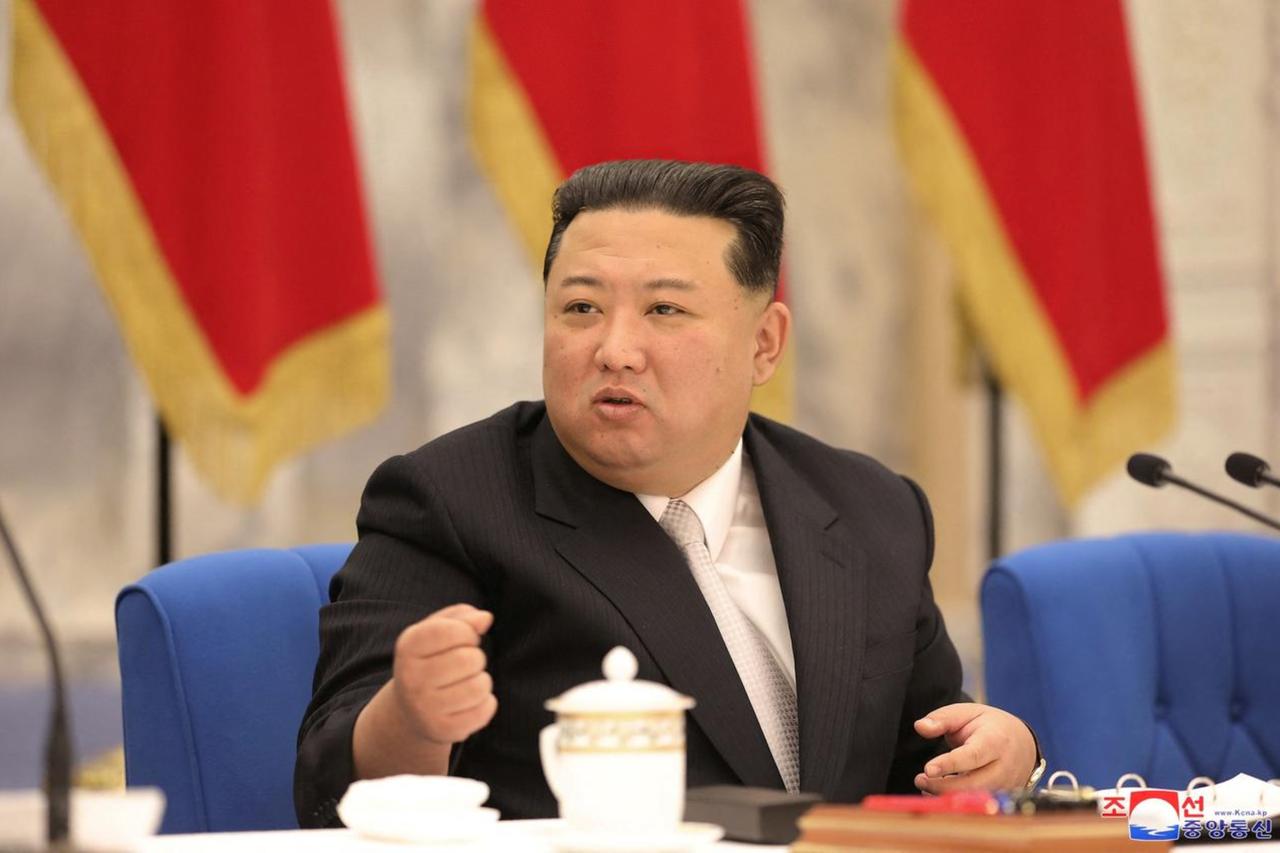
Kim made his remarks Sunday at the commissioning of the Kang Kon, one of two 5,000-ton-class warships launched last year. The vessel partially capsized during its May 2025 launch before being repaired, and Kim oversaw a test of it in July.
“We should make sure that the diversified and effective operation of nuclear combat systems is conducted for an actual war through developing our navy into a nuclear armed force,” Kim said, according to state-run KCNA.
He said the destroyer should be capable of delivering a “deadly retaliatory blow” when ordered and described it as part of North Korea’s nuclear counteraction system.
Kim attended the ceremony with his daughter, Ju Ae, who has reportedly been designated as his successor.
Kyungnam University professor Lim Eul-chul said the “nuclear-armed navy” reference suggested the vessels could serve as launch platforms for tactical nuclear-capable cruise missiles.
Kim also said an “important plan” to strengthen the navy would be shown to the world “in eight months.” Lim said this could point to a new strategic asset, such as a submarine capable of carrying submarine-launched ballistic missiles.
He also said deploying the Kang Kon in the East Sea could allow Pyongyang to keep allied maritime exercises and nuclear assets “directly and within range.”
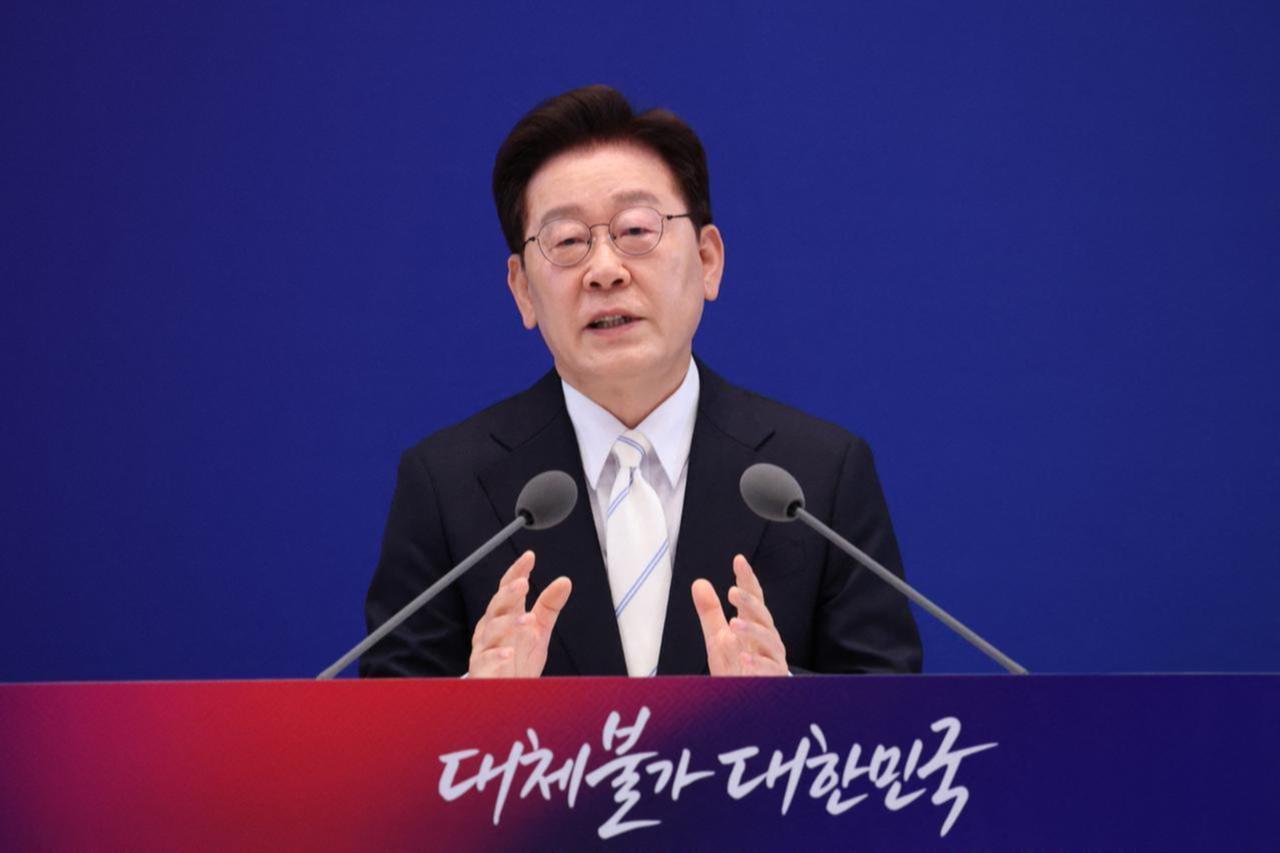
South Korea’s ruling Democratic Party meanwhile called for stronger “independent” security capabilities.
“The days when South Korea could depend solely on the United States are over,” party leader Kim Min-seok told the National Assembly, adding that Washington was becoming “a tough negotiating partner rather than a generous big brother.”
Kim said Seoul should prepare for the possibility of improved U.S.-North Korea relations and a “freeze-first, resolve-later” approach to Pyongyang’s nuclear program, while also helping facilitate dialogue between Washington and Pyongyang.
He also said North Korean leader Kim Jong Un’s “two-state” policy should be considered as a possible basis for peaceful coexistence rather than dismissed outright.
Trump said last month he wanted to meet Kim later this year and ordered the scaling back of a major U.S.-South Korea exercise, arguing the drills were costly and could send a “totally inappropriate and hostile” signal to North Korea.
North Korea, however, has shown little sign of reciprocating, firing missiles and criticizing the reduced drills, U.S. arms sales to South Korea and plans to fund programs documenting human rights abuses in the North.


 Set as preferred source
 Set as preferred source


 1 min read
 1 min read