Newsletters


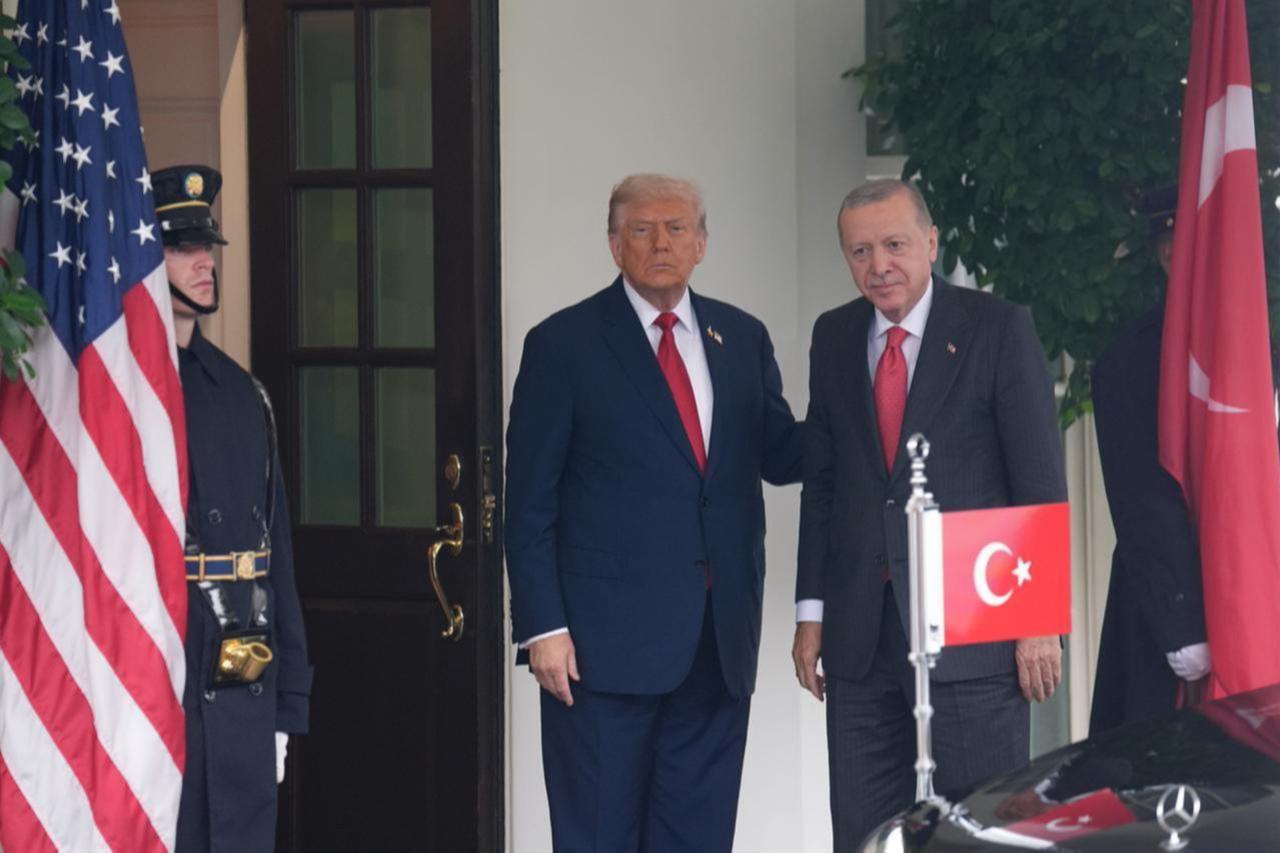


Neither the United States nor the European Union would want to take Türkiye on as an adversary, Financial Times chief economics commentator Martin Wolf said, arguing that the deepening crisis of trust between Washington and Europe represents a “rupture,” not a temporary transition.
Speaking to CNBC-e’s Berfu Guven on the sidelines of the World Economic Forum in Davos, Wolf said Türkiye’s geopolitical weight could increase as transatlantic relations come under strain.
“I think Türkiye is quite fortunate in its ability to maintain reasonable relations with both sides,” Wolf said. “It is a useful power, an important actor, and an ally. Neither side would want to take Türkiye on as an adversary.”
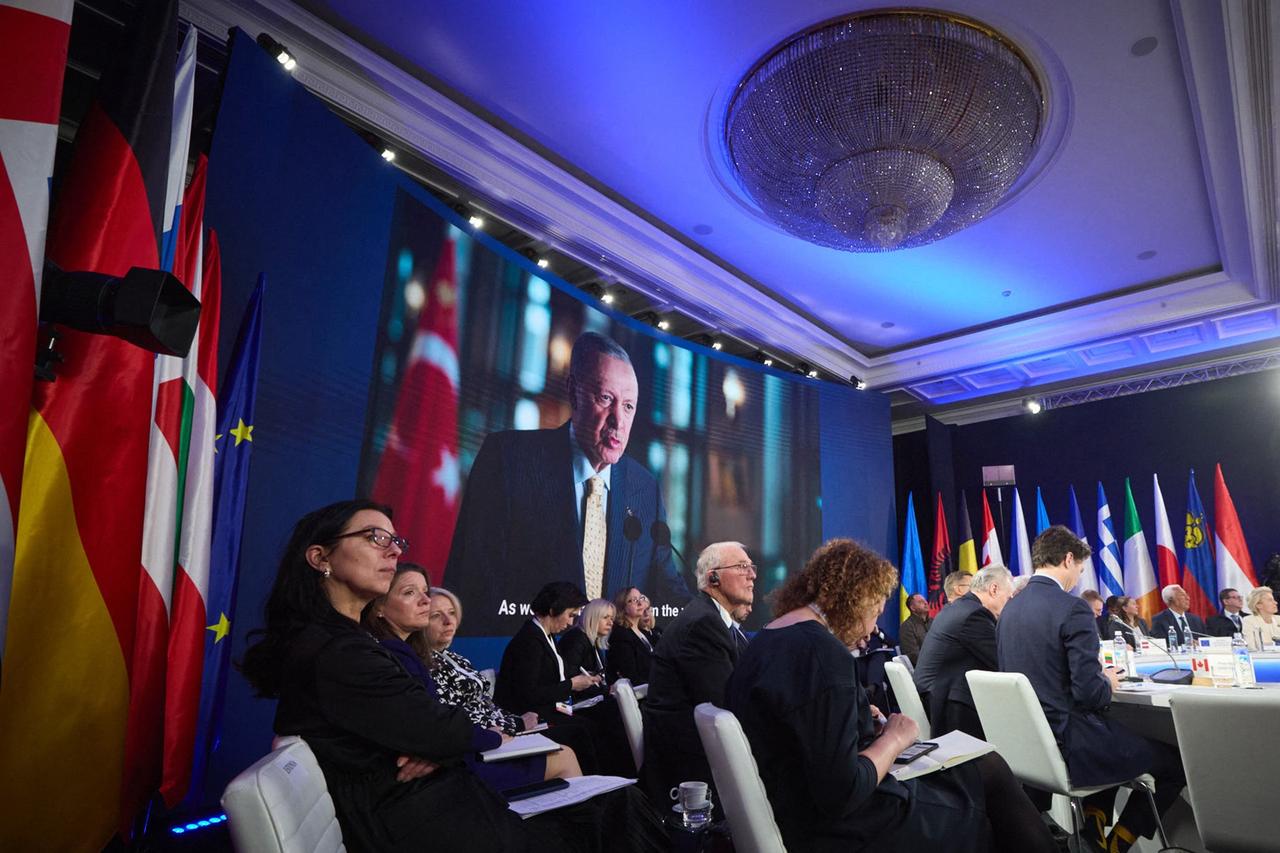

Wolf said Türkiye’s position is strengthened by its NATO membership and its role in Middle East diplomacy.
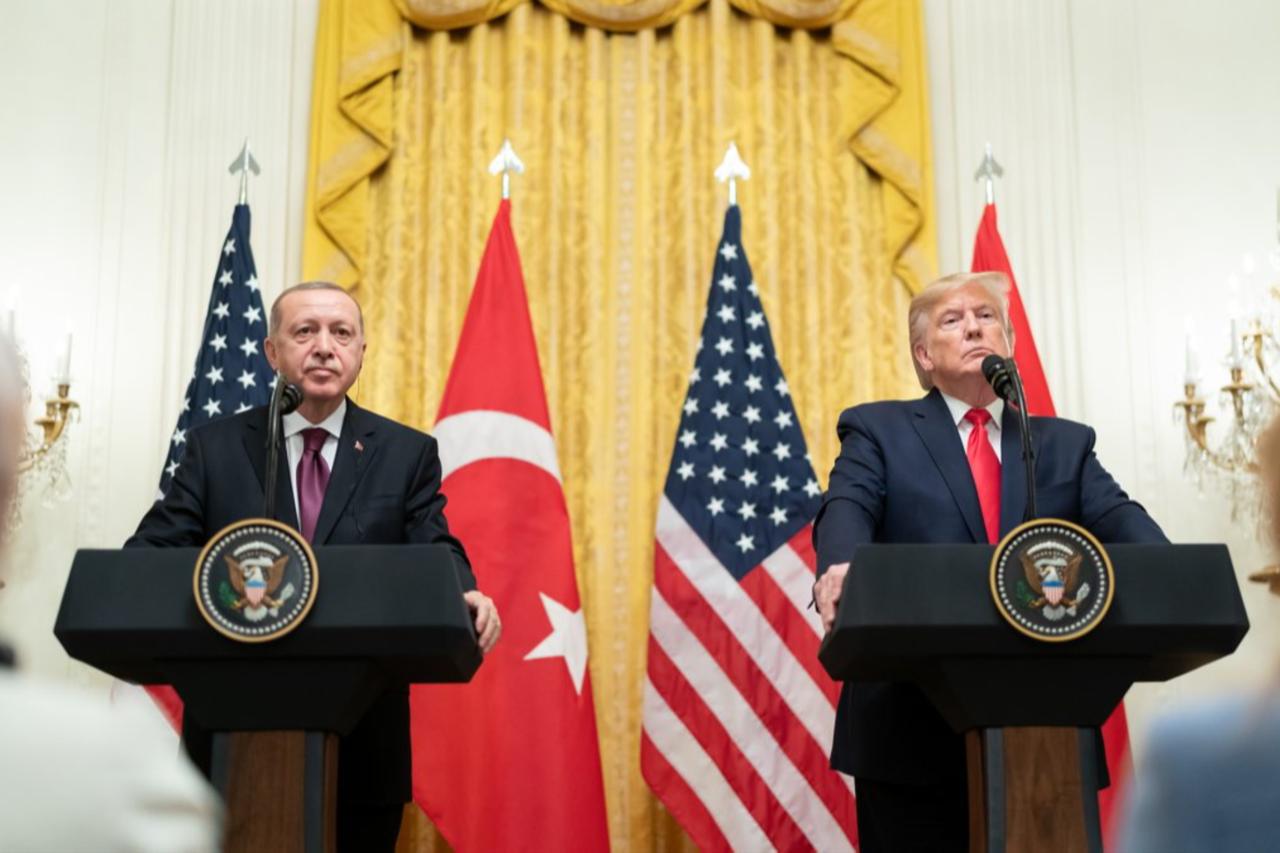
“Türkiye is a NATO member. I think Mr. Donald Trump very much wants to see Türkiye on his side in the policies he is pursuing in the Middle East,” Wolf said. “For this reason, I can say that Türkiye is in a very good position to manage this conflict process.”
Wolf reiterated that the erosion of trust between the United States and Europe should not be seen as a gradual shift.
“This is not a transition. This is a rupture,” he said.
He added that as the transatlantic line weakens, countries capable of maintaining ties with both sides will become more important.
“I think Türkiye is quite fortunate in its ability to maintain reasonable relations with both sides,” Wolf said, describing Ankara as a “useful power” at a time when Western unity is under pressure.
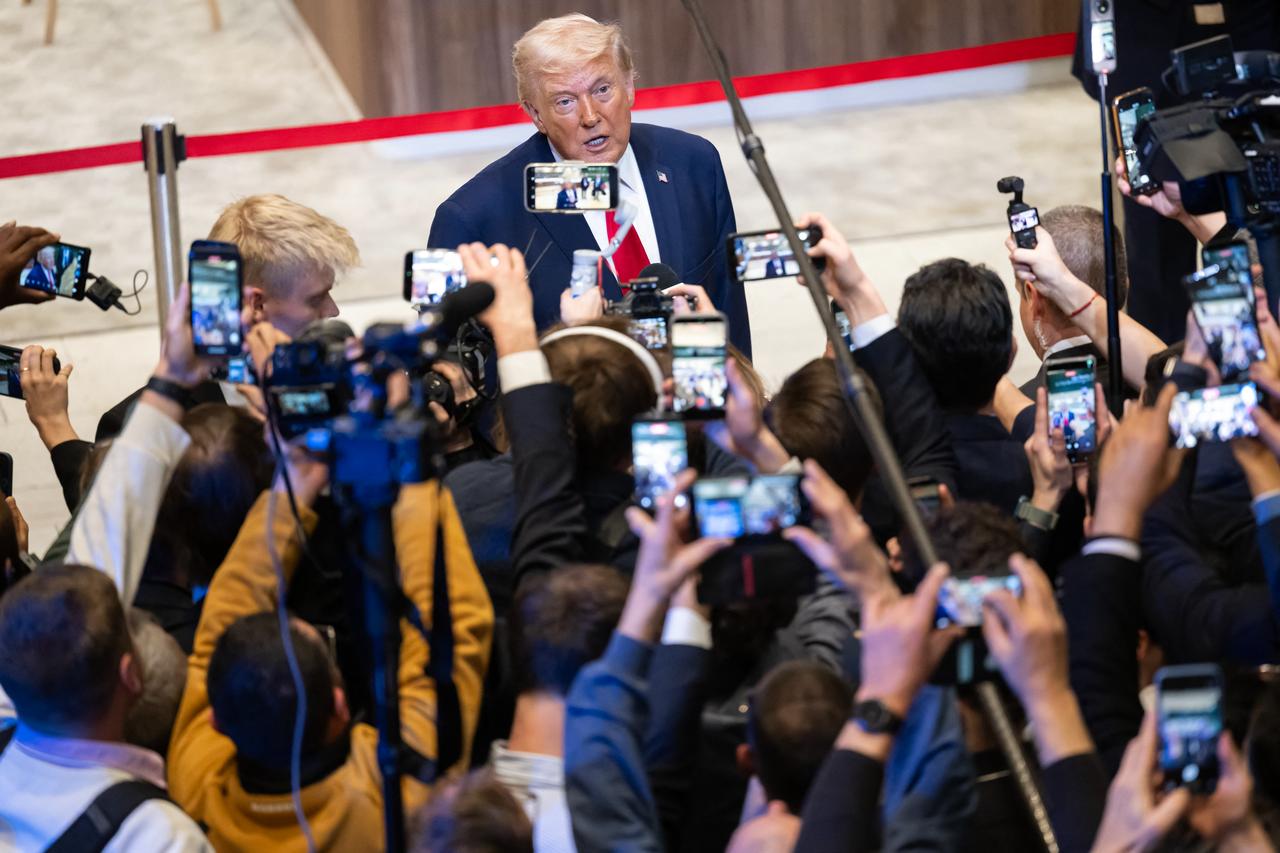
Wolf said the Western alliance appears to be entering a phase of internal conflict, a development that could elevate the role of so-called bridge countries.
If the rift deepens, he said, Türkiye’s ability to balance relations with both Europe and the United States would become a strategic advantage, positioning Ankara as a key diplomatic and security actor rather than just a geographic intermediary.
Another topic raised during the CNBC-e interview was Greenland and recent comments by Trump.
“At least for now, he said he does not intend to take Greenland by force, which I think was an important detail,” Wolf said, adding that Trump had not abandoned the idea entirely.
Last week, Trump said Washington would impose 10% tariffs on goods from Denmark, Norway, Sweden, France, Germany, the United Kingdom, the Netherlands and Finland starting Feb. 1, rising to 25% in June unless there is a deal for the “complete and total purchase of Greenland.”
European leaders rejected Trump’s threats, expressing solidarity with Denmark and pledging collective action.
Greenland has drawn Trump’s attention because of its strategic Arctic location, significant mineral resources and concerns raised by Washington about growing Russian and Chinese activity in the region.
Denmark and Greenland have repeatedly rejected any proposal to sell the territory, reaffirming Danish sovereignty over the island.


 Set as preferred source
 Set as preferred source


 1 min read
 1 min read