Newsletters


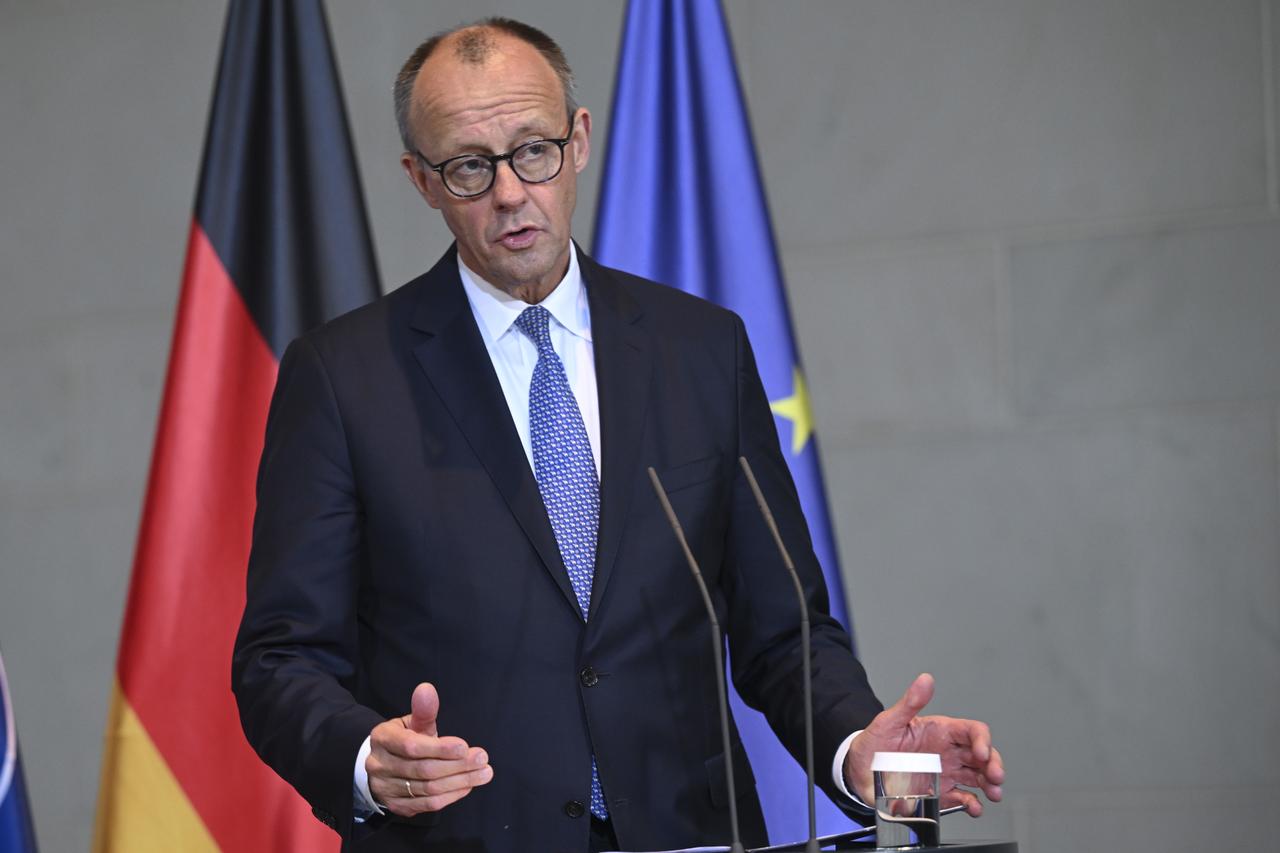


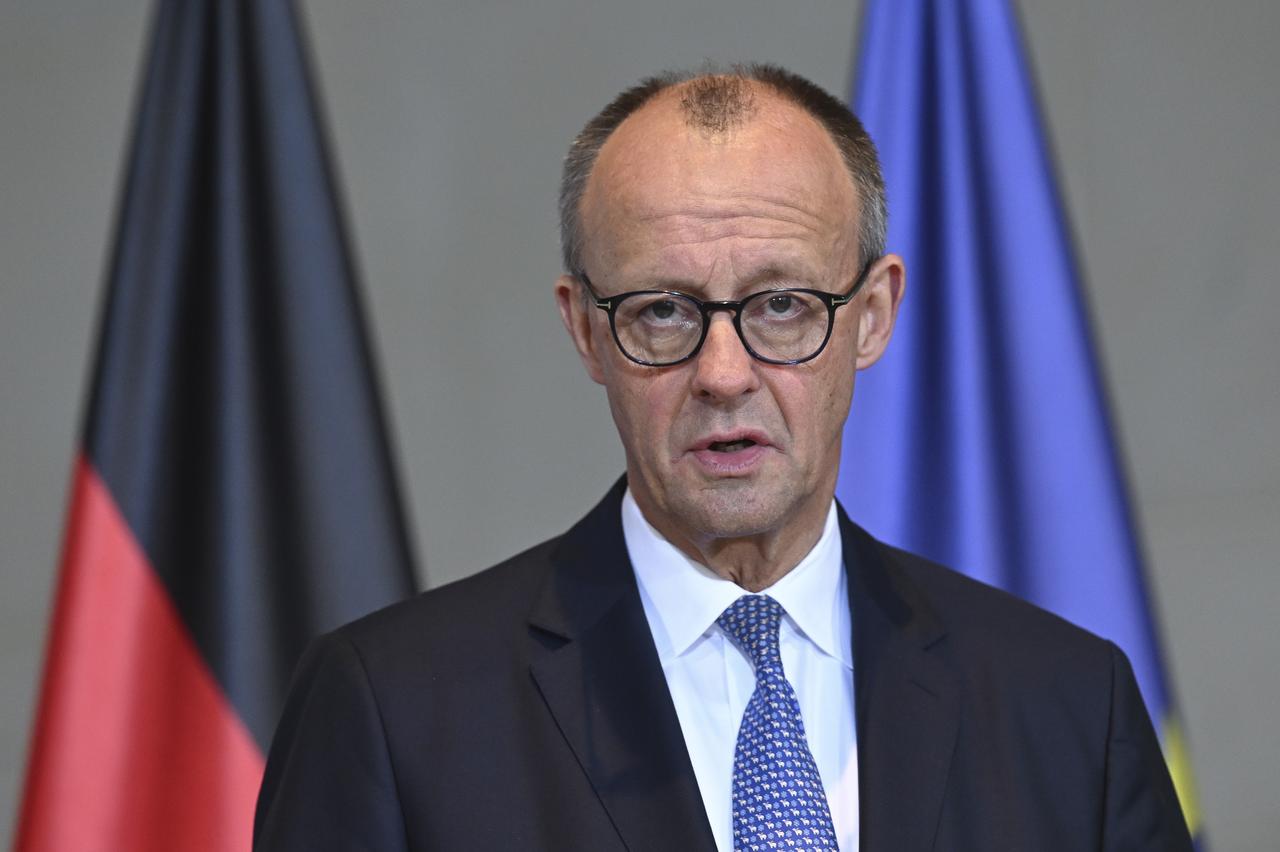
German Chancellor Friedrich Merz traveled to Israel on Saturday for his first visit since taking office, seeking to reaffirm relations that have been strained during the Gaza war.
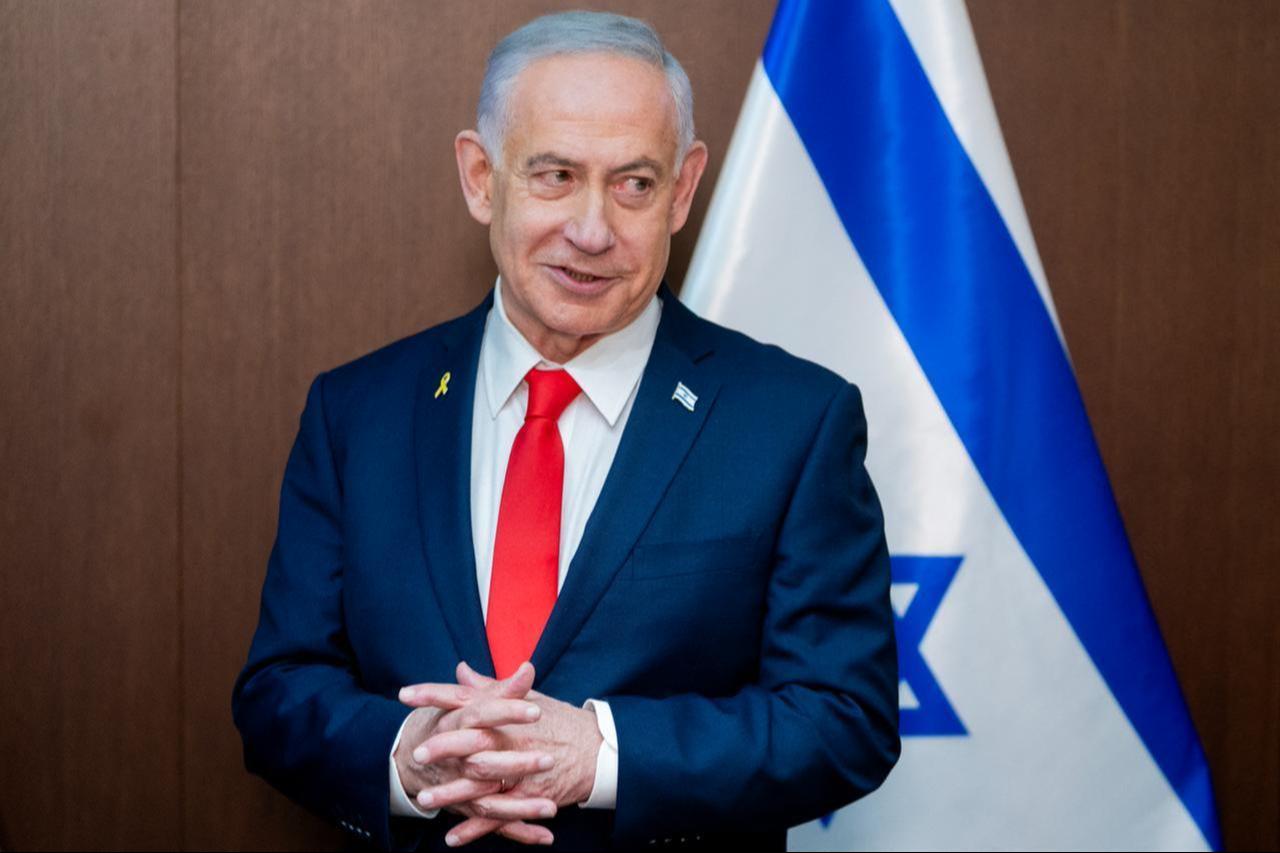
Merz first held talks in Jordan with King Abdullah II before flying to Israel, where he is scheduled to meet Prime Minister Benjamin Netanyahu on Sunday in Jerusalem.
The German leader is also expected to visit the Yad Vashem Holocaust memorial.
Germany has long considered steadfast support for Israel a core element of its foreign policy, shaped by the legacy of Nazi Germany’s genocide of European Jews.
Merz underscored this commitment in September during a ceremony marking the reopening of Munich’s synagogue.
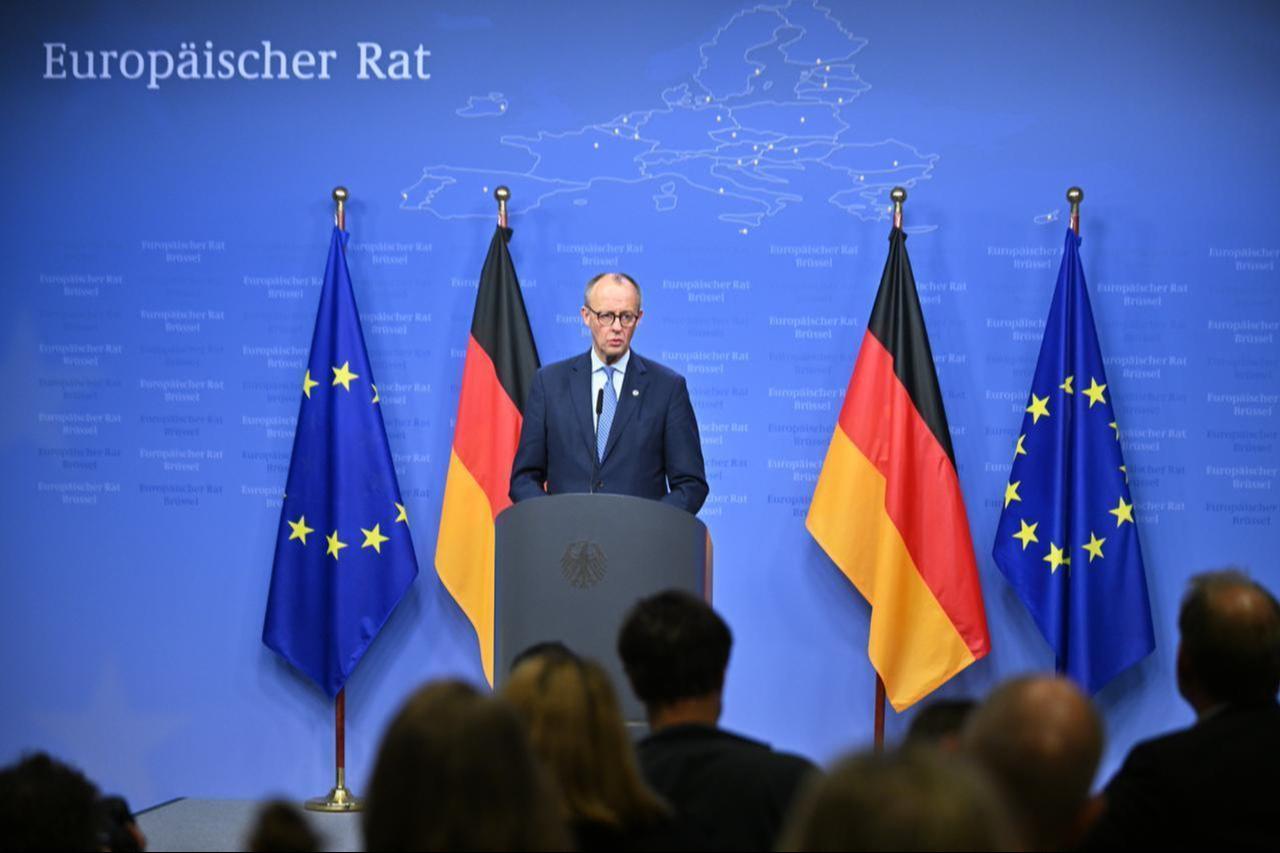

German-Israeli ties were shaken during the Gaza war that followed the Oct. 7, 2023, Hamas attack, the deadliest in Israel’s history.
Since becoming chancellor in May, Merz has repeatedly criticized Israel’s military campaign, which has killed tens of thousands of Palestinians.
In August, his government also moved to restrict arms exports for use in Gaza, though Germany lifted those restrictions after a U.S.-backed ceasefire and hostage deal paused full-scale fighting.
Despite the ceasefire, over 350 Palestinians and three Israeli soldiers have been killed in recent weeks, according to local authorities.
The UN has warned that Israel is still not permitting enough aid into Gaza.
Before departing Berlin, Merz spoke with Palestinian Authority President Mahmud Abbas.
A spokesman said Merz reaffirmed support for a two-state solution and urged Abbas to implement “urgently necessary reforms” so the PA can play a constructive role after the war.
Michael Rimmel, who heads the Jerusalem office of the Konrad Adenauer Foundation affiliated with Merz’s CDU, said Israel expects “a signal of continued support” from the visit.
He said relations have been strained but remain “better than many people think,” though Berlin has little influence on Netanyahu’s government.
Netanyahu has continued settlement expansion in the West Bank and has dismissed calls for a two-state solution.
Rimmel noted that U.S. President Donald Trump holds greater sway over Israeli decision-making, including pushing Netanyahu to agree to the recent Gaza ceasefire.
Gil Shohat, director of the Rosa Luxemburg Foundation’s Tel Aviv office, sharply criticized Merz for visiting Israel at this moment.
He argued that the German chancellor is offering political support to Netanyahu and Israel’s hard-right government, saying: “Netanyahu is a wanted war criminal and is under suspicion of corruption. Going there now and legitimizing him is a fatal sign of normalization in a situation that must not be normalized.”
Despite tensions, defense ties between the two countries remain robust.
Germany activated the first phase of the Israeli-made Arrow missile defense system last week, part of a $4.5 billion deal widely reported as the largest Israeli arms export agreement ever.
Berlin has also turned to Israeli companies for assistance in drone defense.
The German-Israeli Society, which said Merz’s visit should aim to “repair damaged German-Israeli relations,” noted that defense cooperation has transformed: “Israel is no longer dependent on German technology, but rather German defense depends on Israeli technology.”


 Set as preferred source
 Set as preferred source



 4 min read