Newsletters


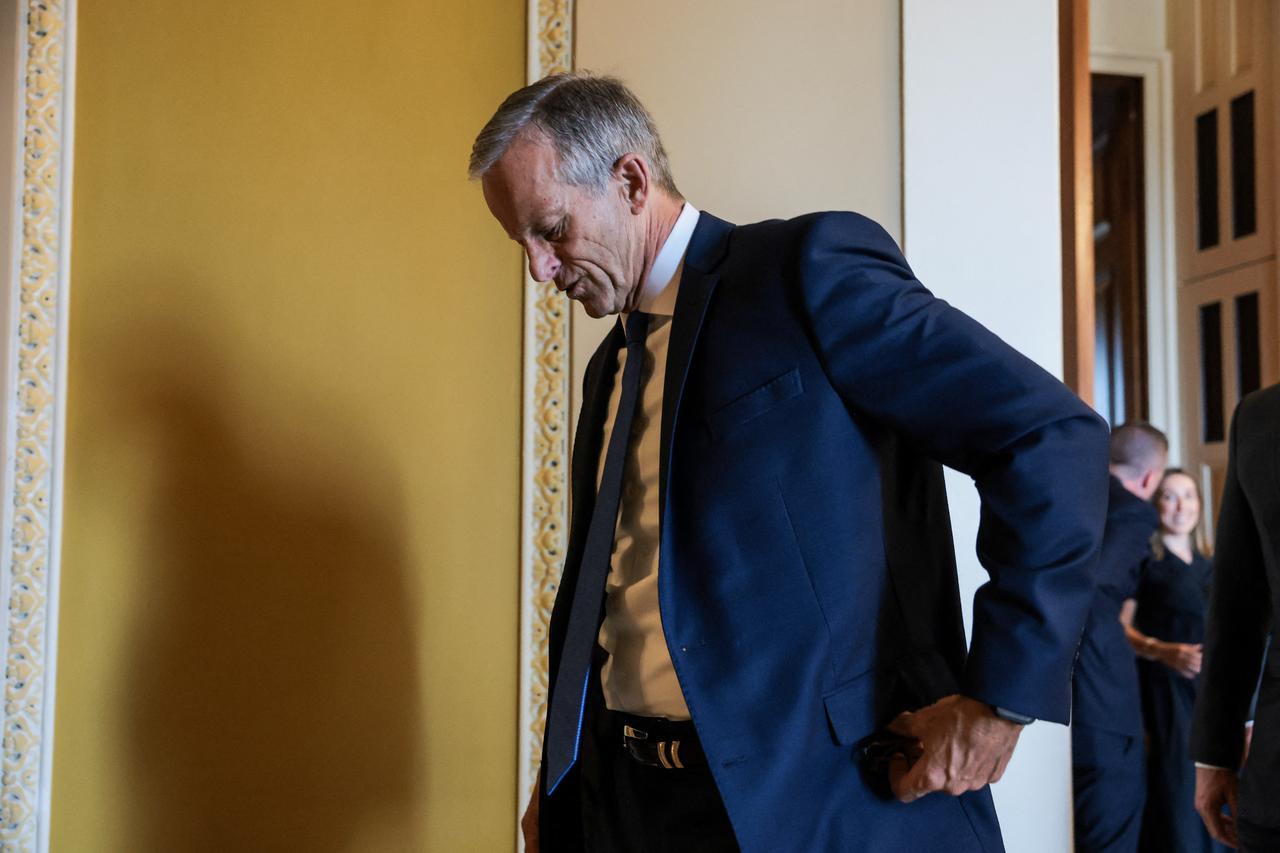


The US Senate on Tuesday handed Democrats their first legislative victory on the Iran war, advancing a resolution that would require President Donald Trump to halt military operations against Tehran unless Congress explicitly authorizes the conflict, as a growing number of Republicans broke ranks with their party and the White House on a conflict now stretching into its third month.
The procedural motion passed 50 to 47, with four Republicans crossing party lines: Sens. Susan Collins of Maine, Lisa Murkowski of Alaska, Rand Paul of Kentucky, and, in the most consequential defection of the night, Bill Cassidy of Louisiana, who voted for such a measure for the first time just days after losing his Senate primary race, in which Trump had endorsed his opponent. Sen. John Fetterman of Pennsylvania was the sole Democrat to vote against.
Three Republican senators, John Cornyn of Texas, Tommy Tuberville of Alabama, and Thom Tillis of North Carolina, were absent, tipping the balance against the White House.
It was the eighth time Democrats had forced a war powers vote on the conflict, and the first time either chamber had advanced such legislation since the war began on Feb. 28.
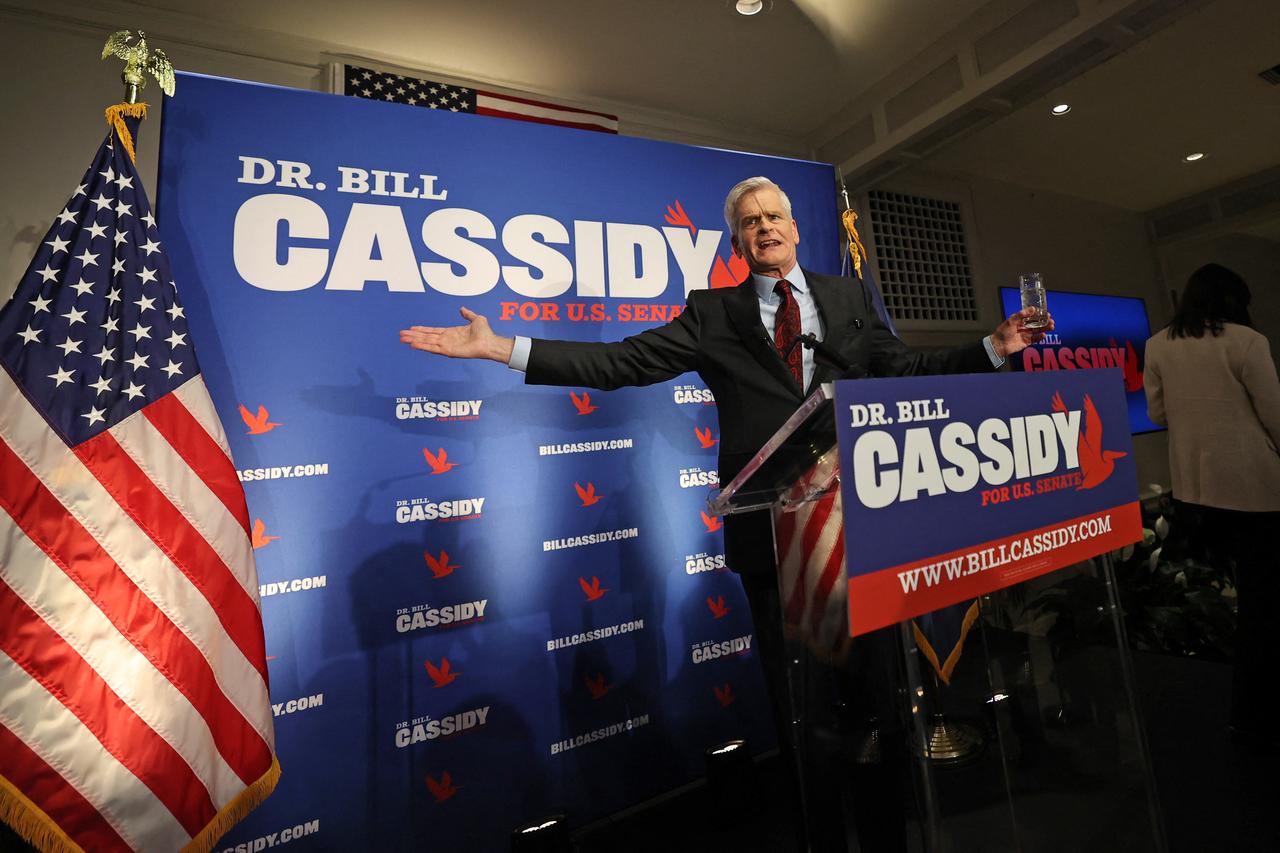

Cassidy's vote carried an unmistakable political charge. Having lost his primary bid for a third Senate term over the weekend, with Trump backing a challenger, Cassidy is no longer constrained by the calculus that has kept most Republicans in line.
"While I support the administration's efforts to dismantle Iran's nuclear program, the White House and Pentagon have left Congress in the dark on Operation Epic Fury," Cassidy said in a statement.
"In Louisiana, I've heard from people, including President Trump's supporters, who are concerned about this war. Until the administration provides clarity, no congressional authorization or extension can be justified."
Murkowski, who had opposed earlier versions of the resolution before flipping the previous week, has argued that the administration's lack of transparency left Congress with no basis to stay silent.
She noted that the 60-day window established by the 1973 War Powers Act had already expired, adding that the administration's own assertion that hostilities had "terminated" under a fragile ceasefire removed any justification for keeping American service members in harm's way without a vote.
Collins, facing a competitive re-election fight of her own, said that any further military action must come with "a clear mission, achievable goals, and a defined strategy for bringing the conflict to a close."
Paul's opposition is rooted in his longstanding non-interventionist record; he has consistently opposed unauthorized military engagements regardless of which party holds the White House.
The four defections visible in the tally represent only a fraction of the unease inside the Republican conference. Anonymous GOP senators, speaking to reporters in recent days, described the political pressure from constituents as mounting rapidly. "Patience is running out," one said.
"Every time senators go home, they hear from voters who are not in favor of the war. Independents absolutely hate it and the energy prices are really starting to hurt." Another warned that any emergency war funding request from the White House would be "a difficult lift."
That funding question may prove the most decisive front in the congressional battle over the war. Iran's near-total stranglehold on the Strait of Hormuz, through which about a fifth of global oil supplies normally flow, has driven fuel prices sharply higher since fighting began, alarming Republican strategists as the November midterms draw closer.
Trump and some Republican lawmakers have floated suspending the federal gas tax as relief for consumers; Sen. Josh Hawley of Missouri has said he would introduce such a bill.
The administration has yet to submit a formal supplemental funding request to Congress, and according to Republicans who spoke on background, that silence reflects awareness that the request may not have the votes to pass.
Sen. John Curtis of Utah, who voted against the Democratic-sponsored resolution but has expressed constitutional reservations about the war's trajectory, said flatly that he does not believe the administration's claim that the 60-day authorization window has not expired.
"I don't think there's any question in my mind that it's expired," he said. Curtis has said he will not support further war funding unless Congress first votes to authorize the conflict.
Senate Majority Leader John Thune of South Dakota, while urging Republicans to stand behind the president, acknowledged that the White House would need to articulate how it plans to wind down operations.
"They do need a plan for how to wind this down, how to get an outcome that actually leads to a safer, more secure Middle East," Thune said. An eventual funding request, he added, would serve as "the big vote."
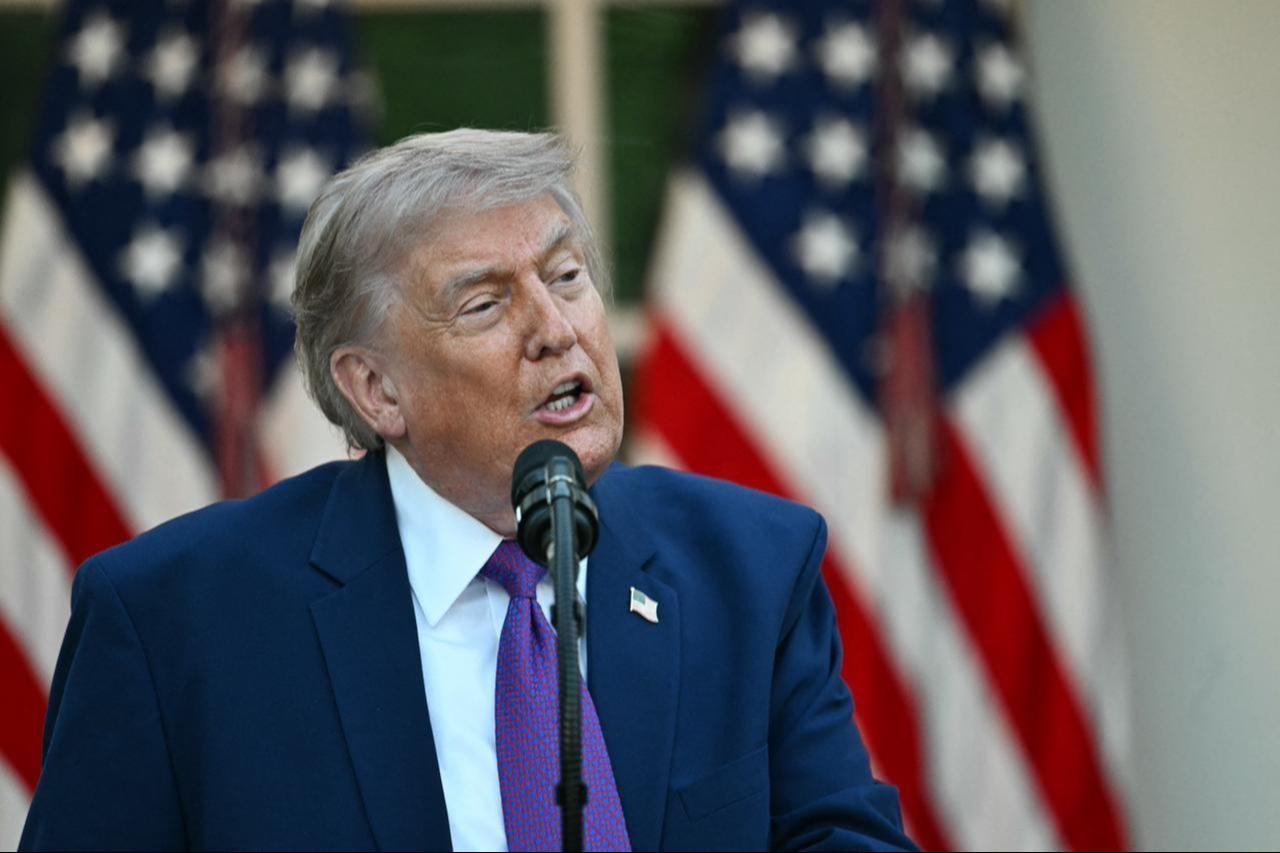
The Trump administration has responded to the growing congressional pressure by asserting that it does not require authorization from Congress.
In a May 1 letter to House Speaker Mike Johnson and Senate President pro tempore Chuck Grassley, Trump wrote that "the hostilities that began on February 28, 2026, have terminated," a claim intended to reset the War Powers Act clock by pointing to the ceasefire announced with Iran.
Defense Secretary Pete Hegseth told senators the administration believes it possesses "all the authorities necessary" to resume strikes if it chooses, without returning to Congress.
That posture has sharpened tensions between the Republican-controlled legislature and the executive branch. Senate Democratic Minority Leader Chuck Schumer cast Tuesday's outcome as evidence that the administration's legal arguments are losing ground within the president's own party.
"Vote by vote, Democrats are breaking through Republicans' wall of silence on Trump's illegal war," Schumer said. "For more than 80 days, Trump has dragged America into a costly, chaotic conflict with no plan, no objective, and no legal authority."
The resolution now faces a final Senate vote, the timing of which has not been set. Even if it passes, three absent Republican senators, Cornyn, Tuberville, and Tillis, could, if present and voting against it, return the tally to a 50-50 deadlock that would effectively kill it.
Should it clear the Senate, it would then face the Republican-controlled House, which has already rejected similar efforts, and a near-certain presidential veto. Overriding that veto would require a two-thirds majority in both chambers, a threshold that remains far out of reach.
A poll conducted in April among 2,560 adults found that 61% of Americans believe the war was a mistake. Opposition is particularly strong among Democrats and independents, with 91 and 71 percent, respectively, saying Trump should not have initiated the conflict.
Among Republicans, support for the war remains high overall, though it drops significantly among those who do not identify with the MAGA wing of the party.
Democrats have made clear they intend to keep forcing weekly votes on war powers resolutions and are also eyeing opportunities to embed restrictions on the conflict within annual defense authorization legislation.
Sen. Jeff Merkley of Oregon, who sponsored a recent version of the resolution, told reporters he sees an unmistakable "erosion of support, erosion of enthusiasm, an increase in skepticism" about the war among his Republican colleagues.


 Set as preferred source
 Set as preferred source


 1 min read

 1 min read