Newsletters


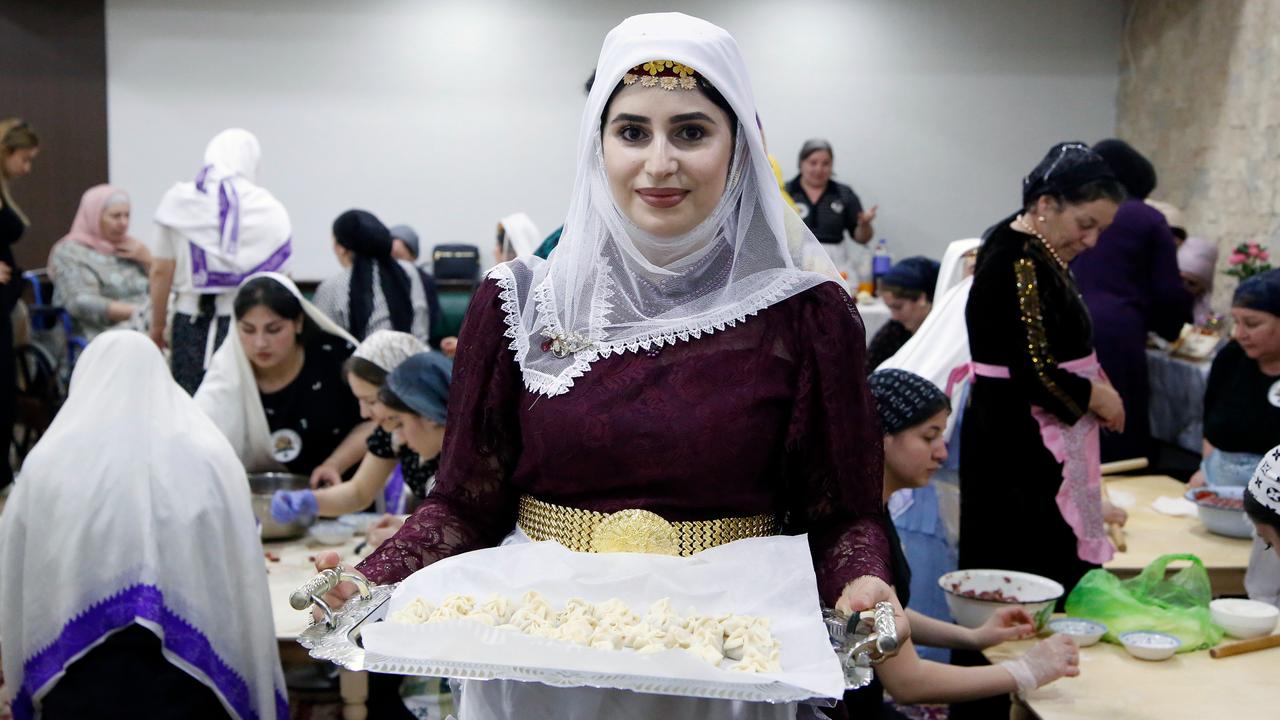
Women in traditional dresses gather at the "Ahiska Hinkal 2026" competition in Bishkek, Kyrgyzstan, organized by the Meskhetian Turkish Youth Union of Kyrgyzstan to preserve the community's culinary heritage, April 27, 2026.
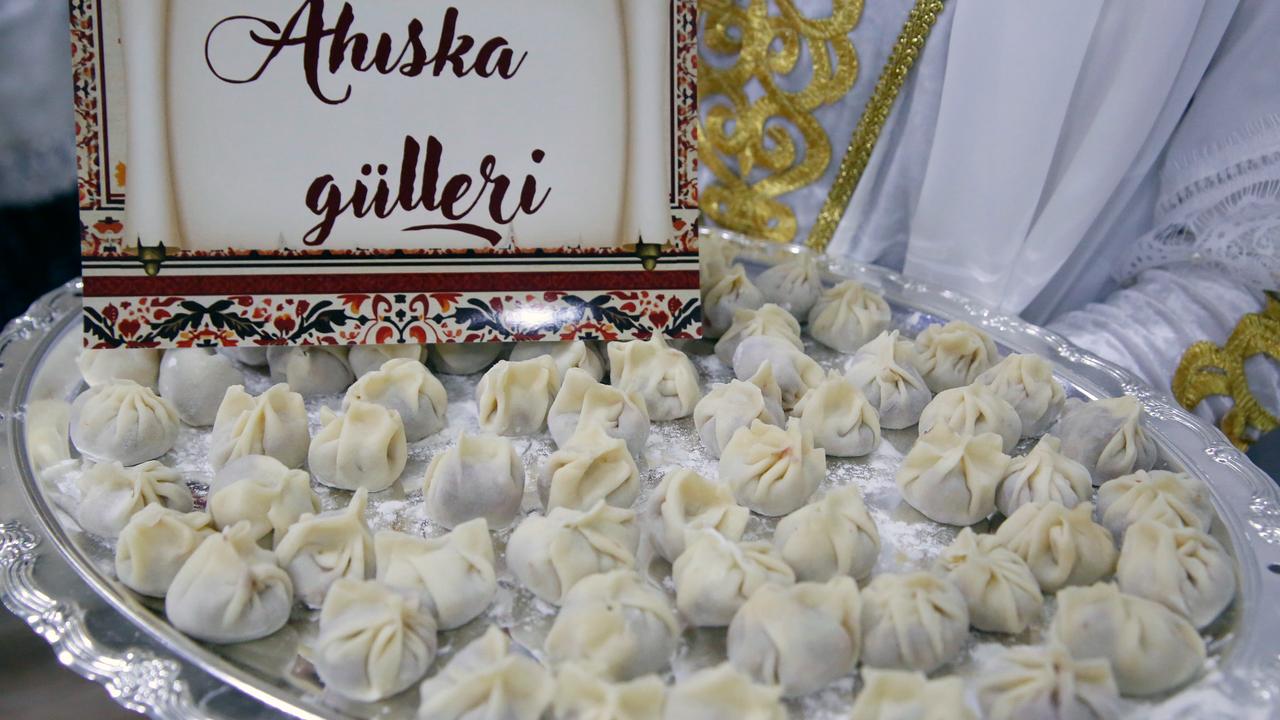
Hinkal, the signature dumpling of Meskhetian Turks, is made from dough, minced meat, onion, and special spices, then boiled in large pots.
The dish carries deep cultural significance for a community that was forcibly deported from the Akhaltsikhe region of Georgia to Central Asia by Soviet authorities on Nov. 14, 1944. It has since maintained its culinary traditions across Kyrgyzstan, Kazakhstan, and Uzbekistan.
Competitors from the "Abastuban Village" team work together on a large round table, rolling and shaping dough in coordinated motion.
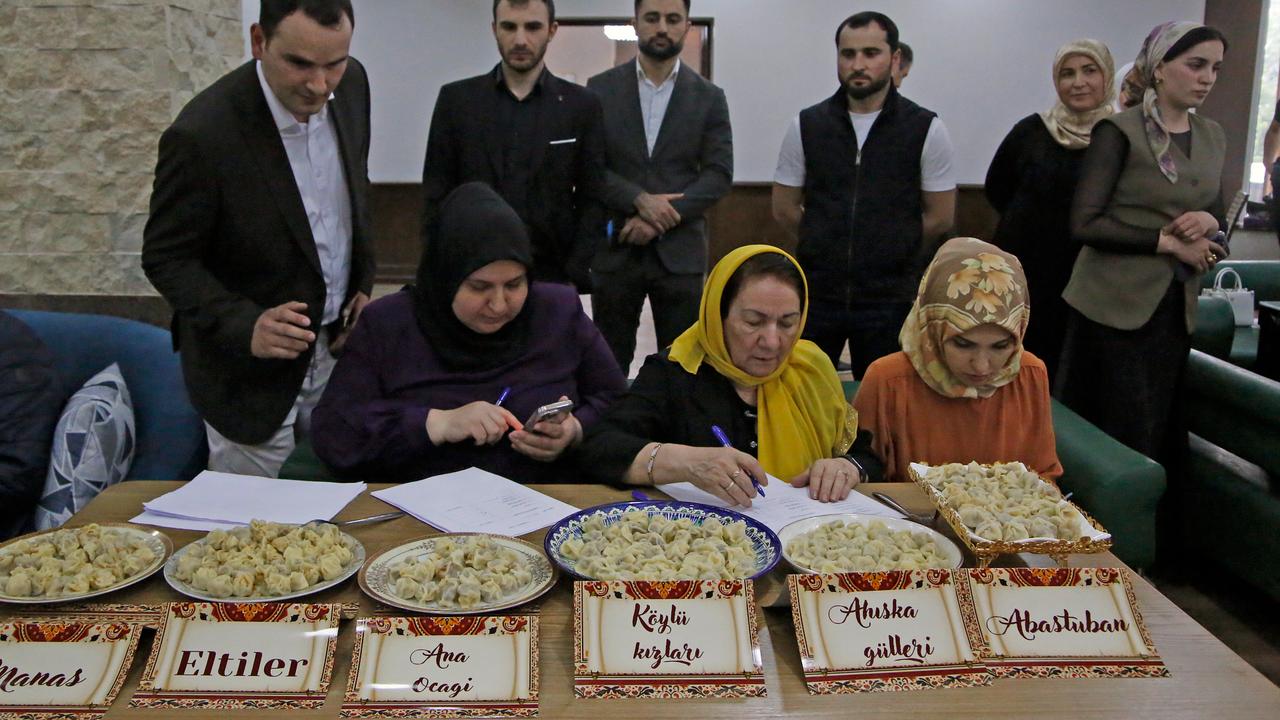
Six teams composed of women and young girls compete to demonstrate their skill and precision.
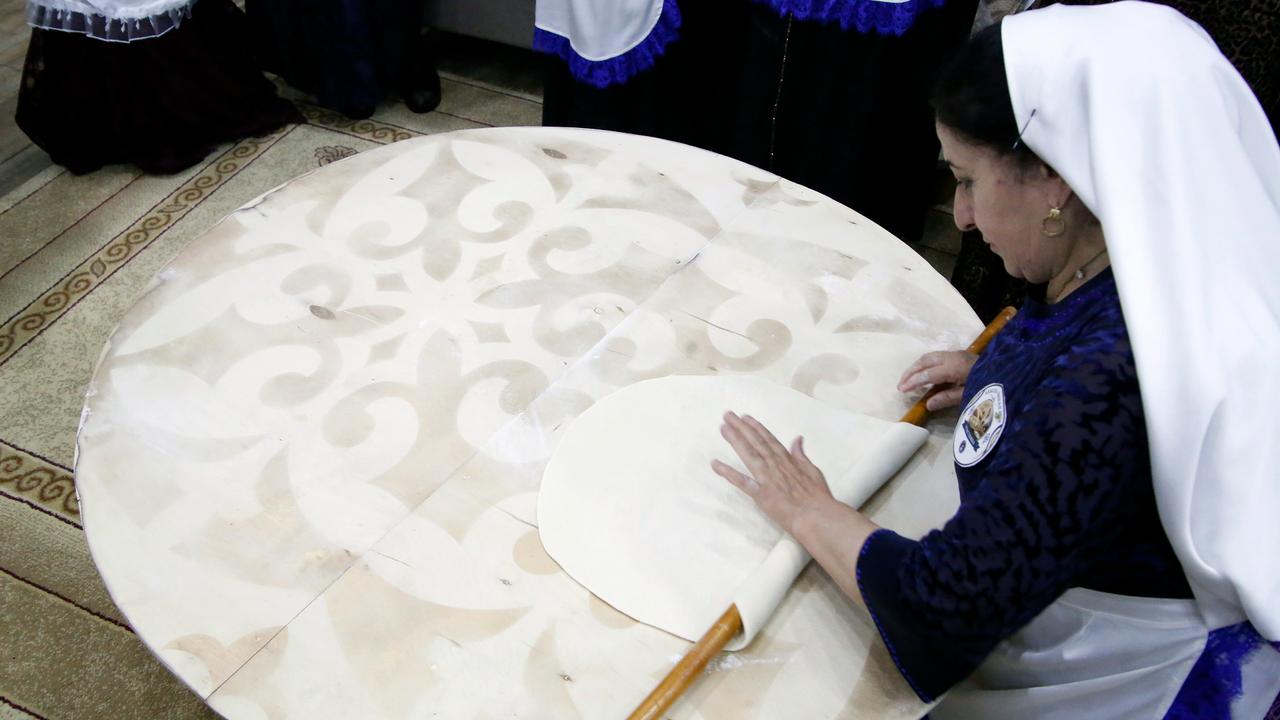
The technique, passed down through generations, reflects the Meskhetian Turkish community's efforts to preserve its food traditions despite decades of displacement.
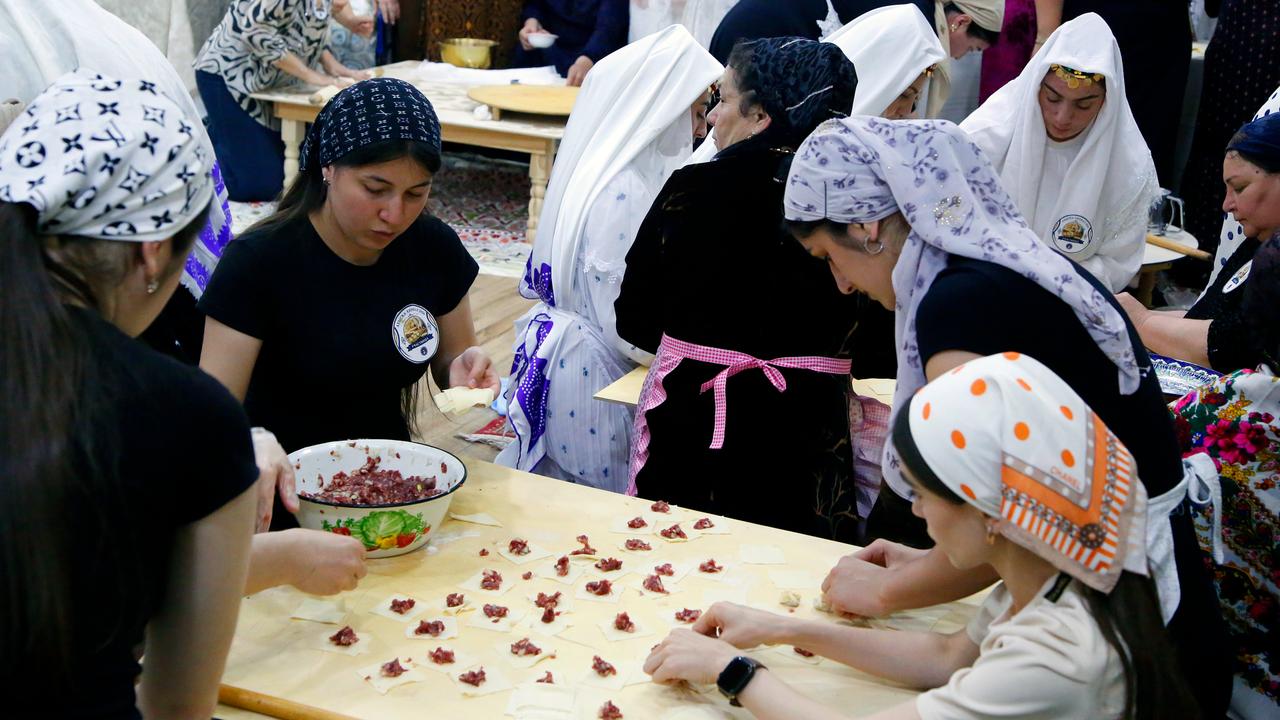
The production process unfolds in a working atmosphere, with multiple teams preparing their entries simultaneously at adjacent tables.
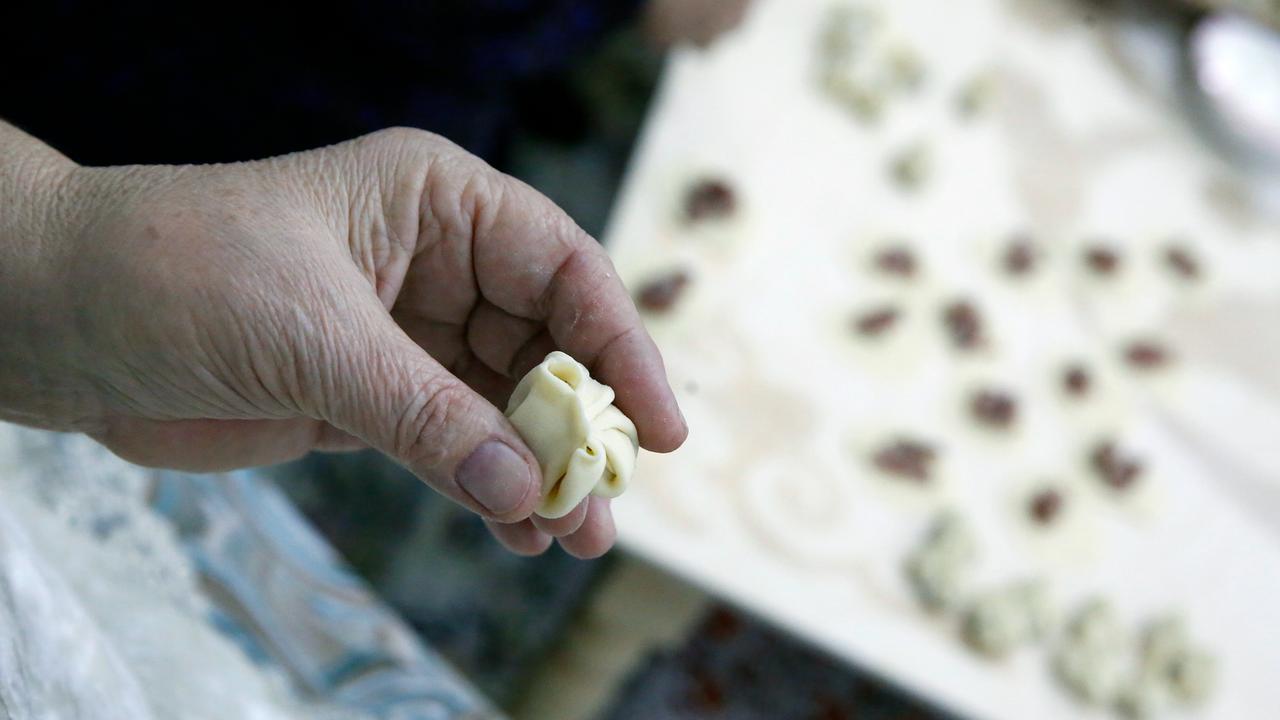
The shape and texture of each piece serve as markers of craftsmanship, and the jury assesses both technique and presentation during the competition.
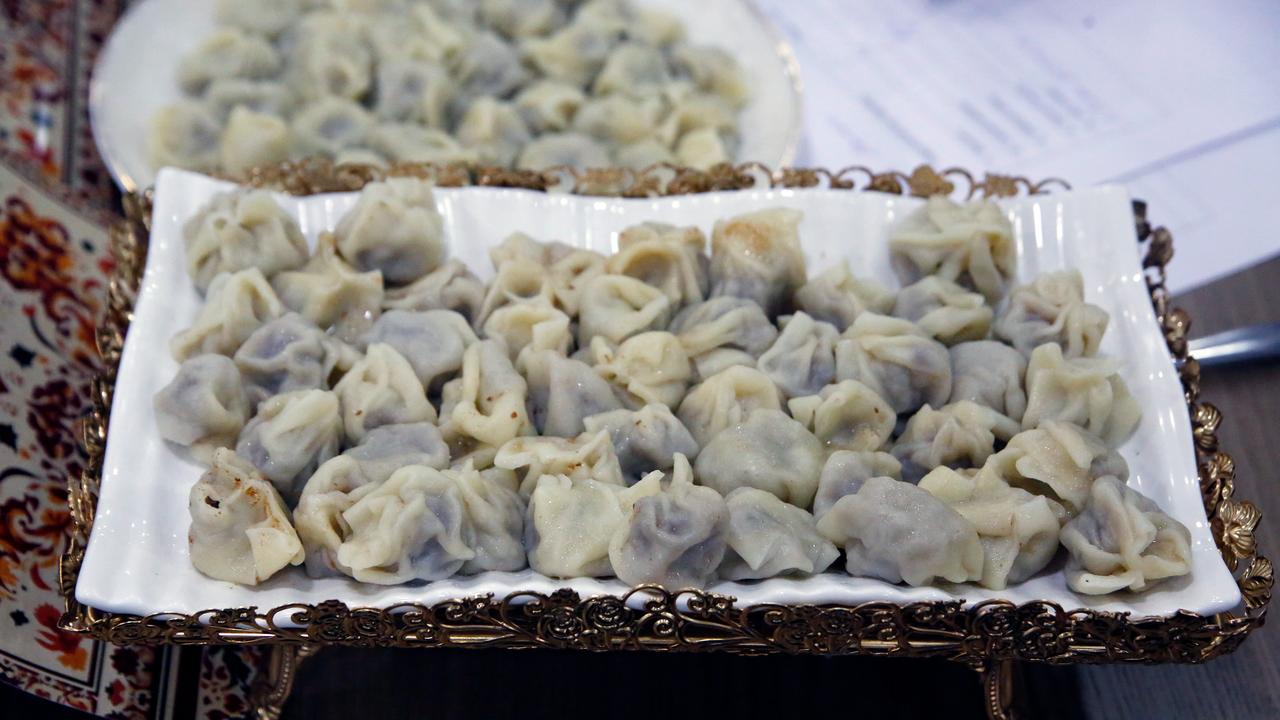
The dish's characteristic pinched-and-gathered form distinguishes it from similar dumplings found across Central Asian and Turkish cuisines.
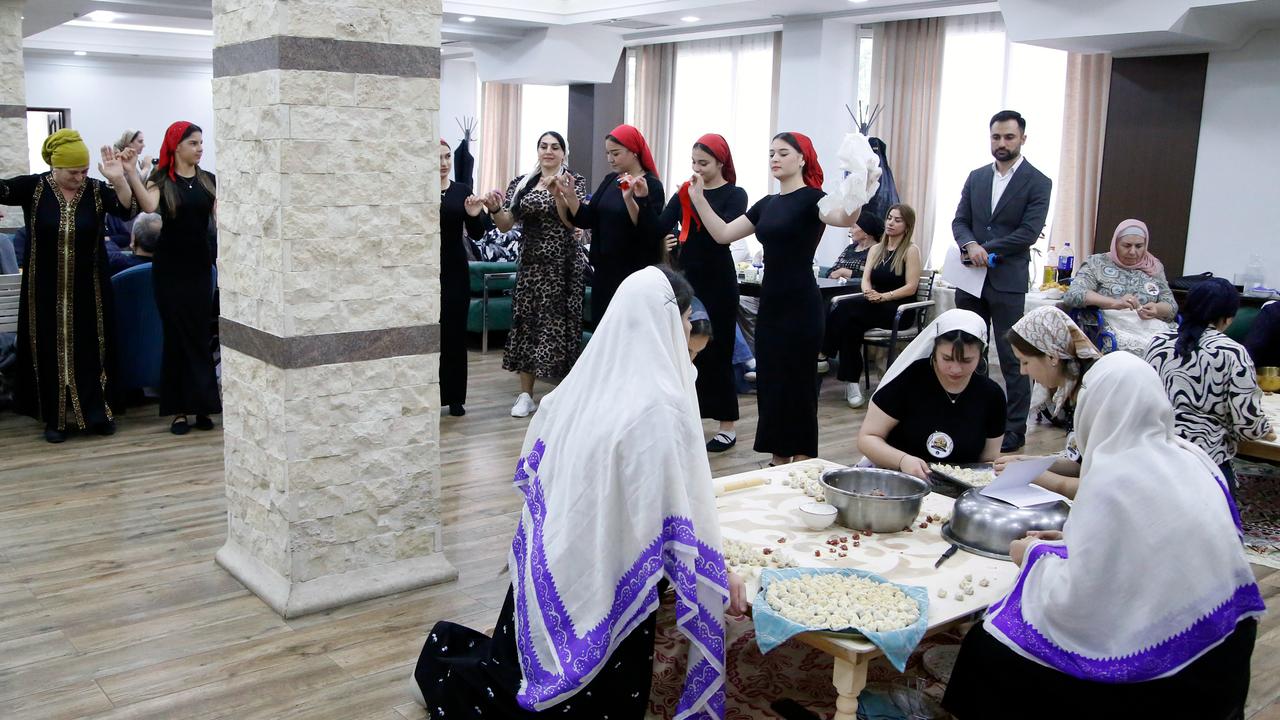
The event closes with cultural performances and an award ceremony for the top-placing teams.


 Set as preferred source


 7 min read