Newsletters


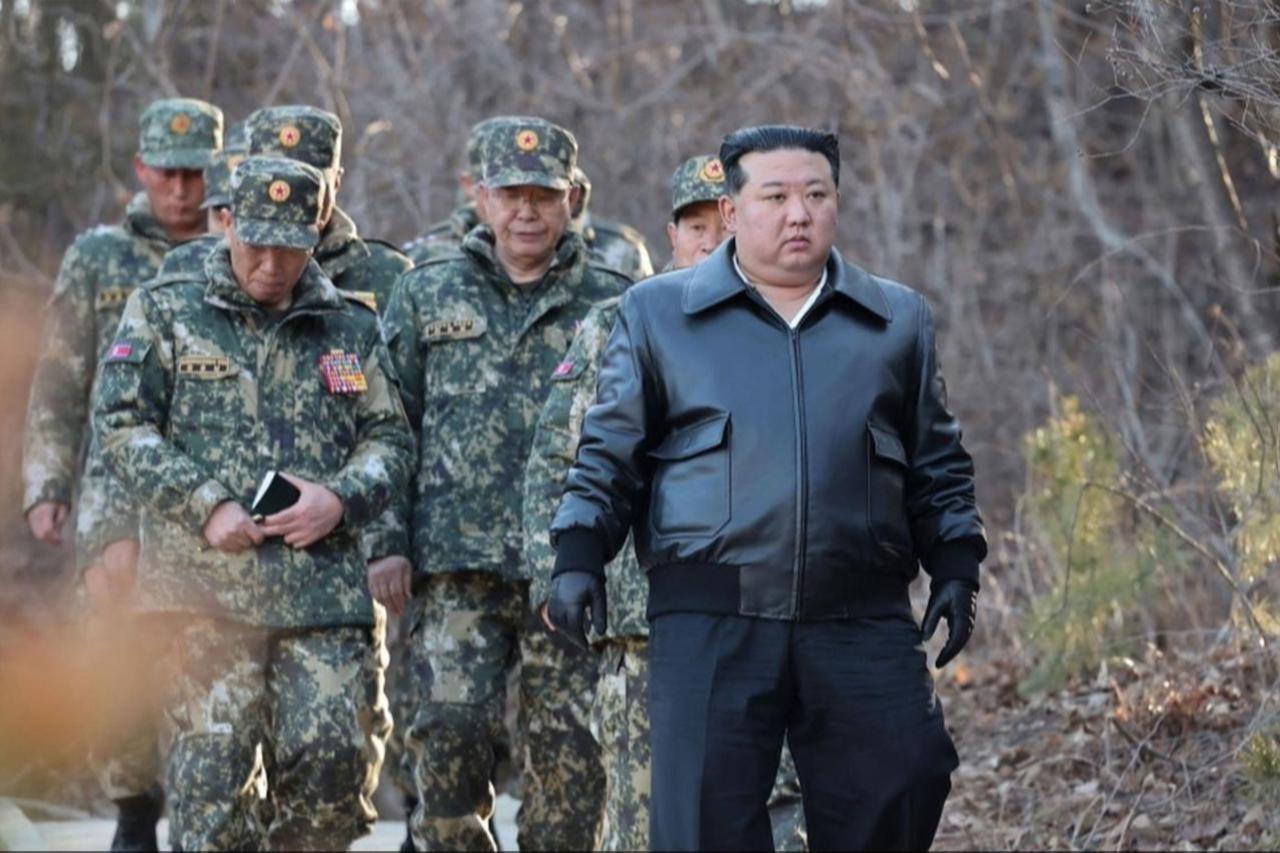


North Korea dramatically increased executions during the COVID-19 pandemic, especially for consuming foreign culture and political offenses, according to a report published Tuesday.
The report by the Transitional Justice Working Group, an advocacy NGO, found that executions and death sentences more than doubled in the nearly five years after North Korea closed its borders in January 2020, compared with the same period before the closure.
The report said North Korean authorities expanded the use of capital punishment for offenses such as consuming South Korean movies, dramas and music.
Death penalty cases linked to foreign culture, religion and “superstition” rose by 250% after the border closure, according to the findings.
The group analyzed 144 known cases of executions and death sentences involving hundreds of people.
The report said the number of condemned people more than tripled after the border closure.
Nearly three-quarters of executions were carried out in public, with most people shot to death.
The group based its findings on data from hundreds of North Korean escapees and media outlets that maintain source networks inside the country.
The report found a major increase in executions for political crimes, including criticism of leader Kim Jong Un.
It said the rise may suggest the government is responding to growing internal dissatisfaction or intensifying state violence to suppress political discontent.
North Korea closed its borders in January 2020 to prevent the spread of COVID-19. Research and media reports have indicated that Pyongyang later strengthened security along its frontiers.
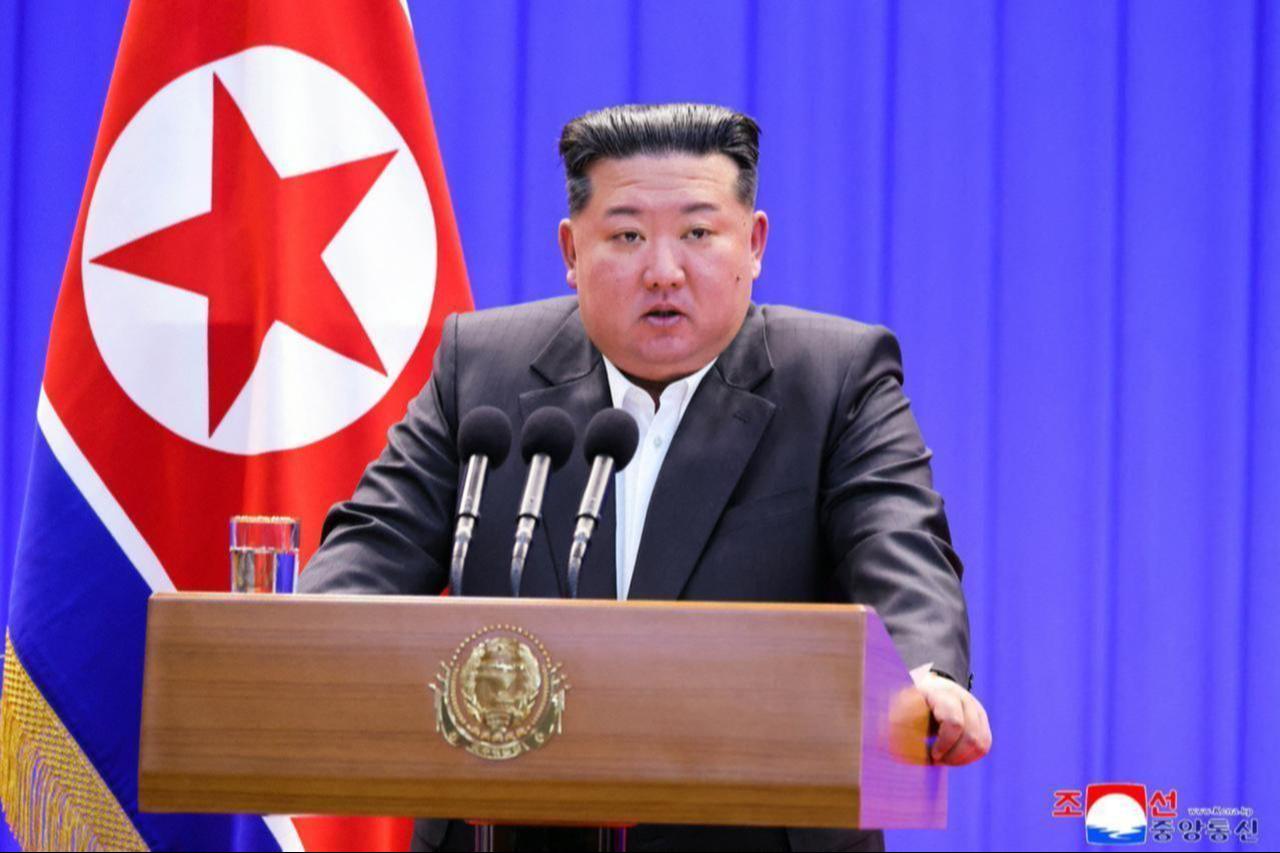

Campaigners have said the border shutdown worsened longstanding human rights abuses in North Korea, whose government is widely described as one of the world’s most repressive.
The North Korean government has also been accused of torture, forced labor and severe restrictions on freedom of expression and movement.
A 2025 report by the Korea Institute for National Unification said North Korea operates four political prison camps where up to 65,000 people are subjected to hard labor.
The U.N. High Commissioner for Human Rights said last year that North Korea’s overall human rights situation had shown no improvement over the past decade and had worsened in many cases.
North Korea has consistently rejected abuse allegations, accusing the United Nations of politicizing human rights to undermine the regime.


 Set as preferred source
 Set as preferred source


 2 min read
 1 min read