Newsletters


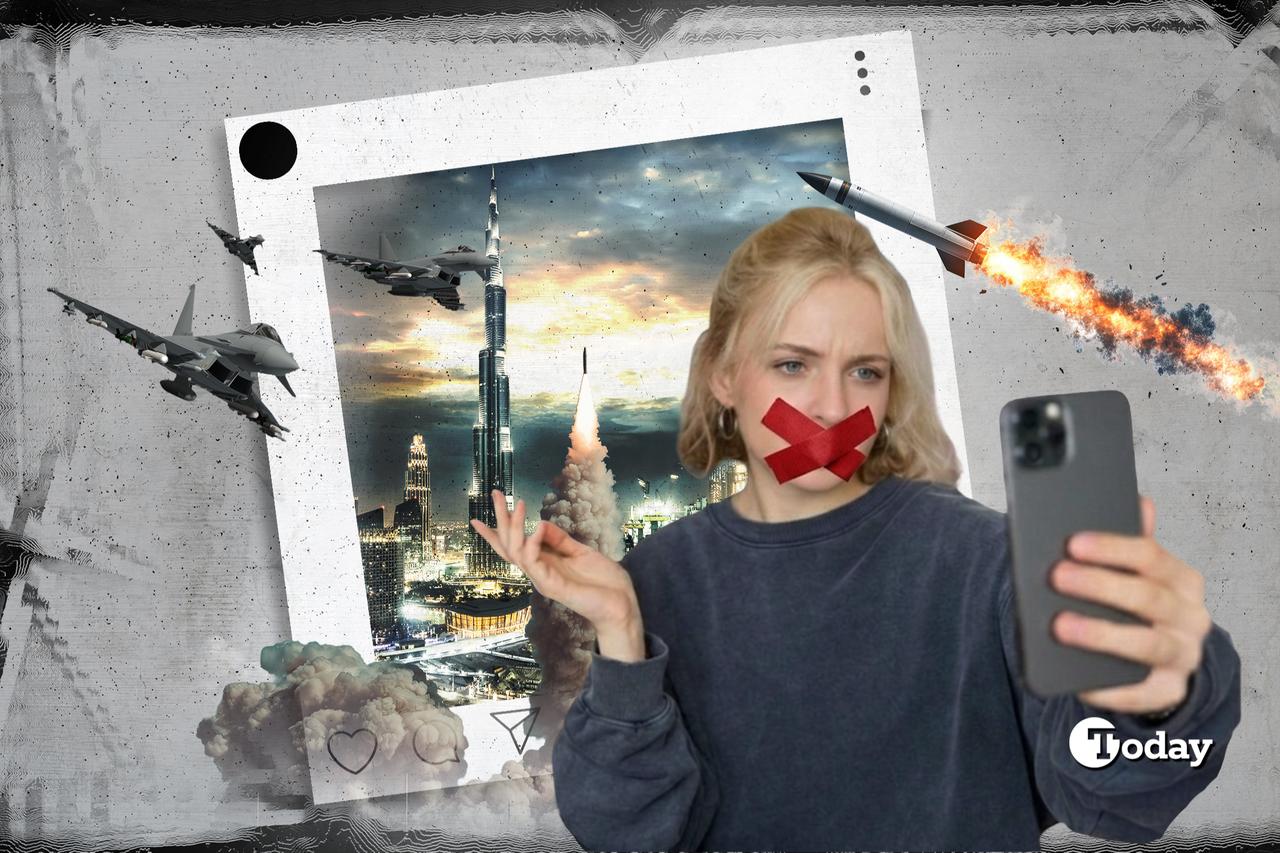


The war in Iran is not a product to be promoted like Dubai Chocolates. Yet there is something bittersweet about influencers in the United Arab Emirates finding themselves in a place where posting too much online can land them in jail instead of a Chanel store.
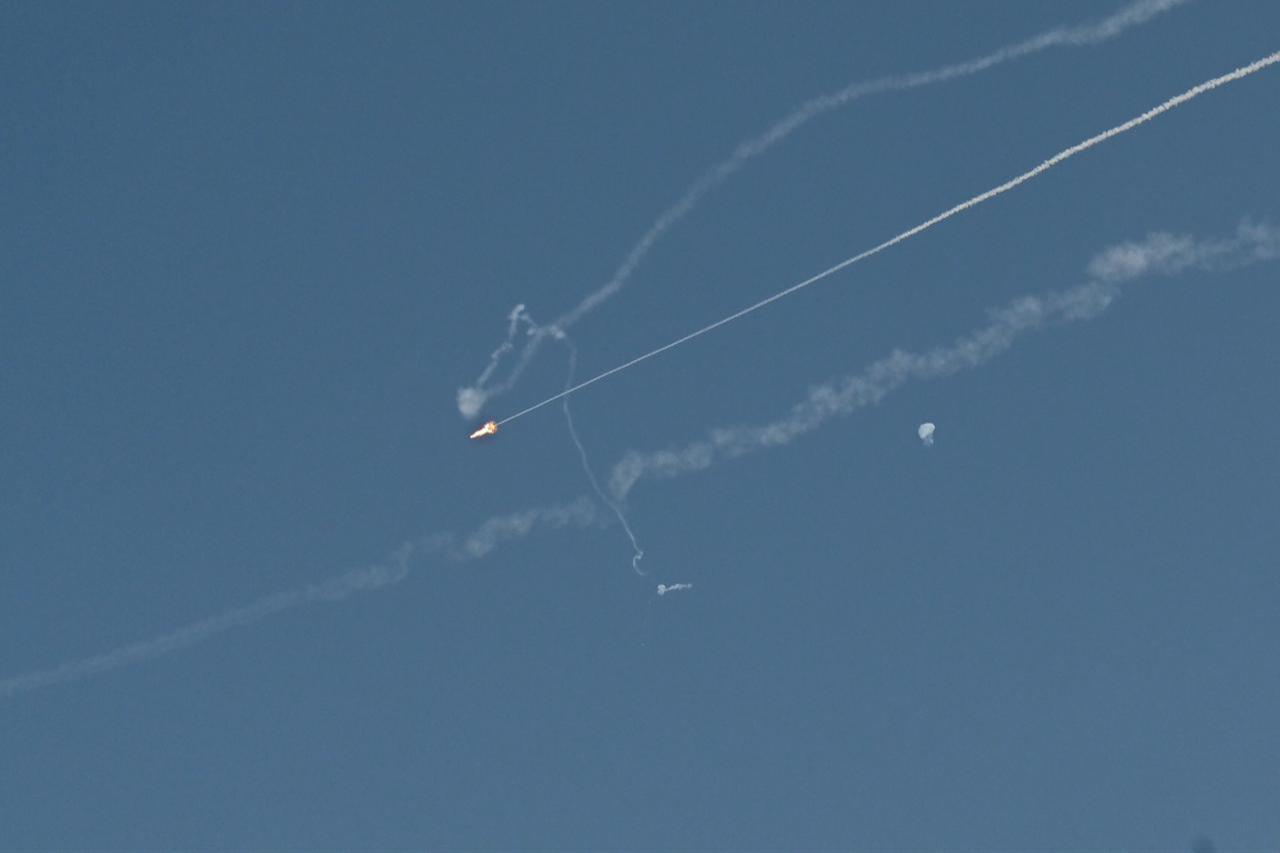
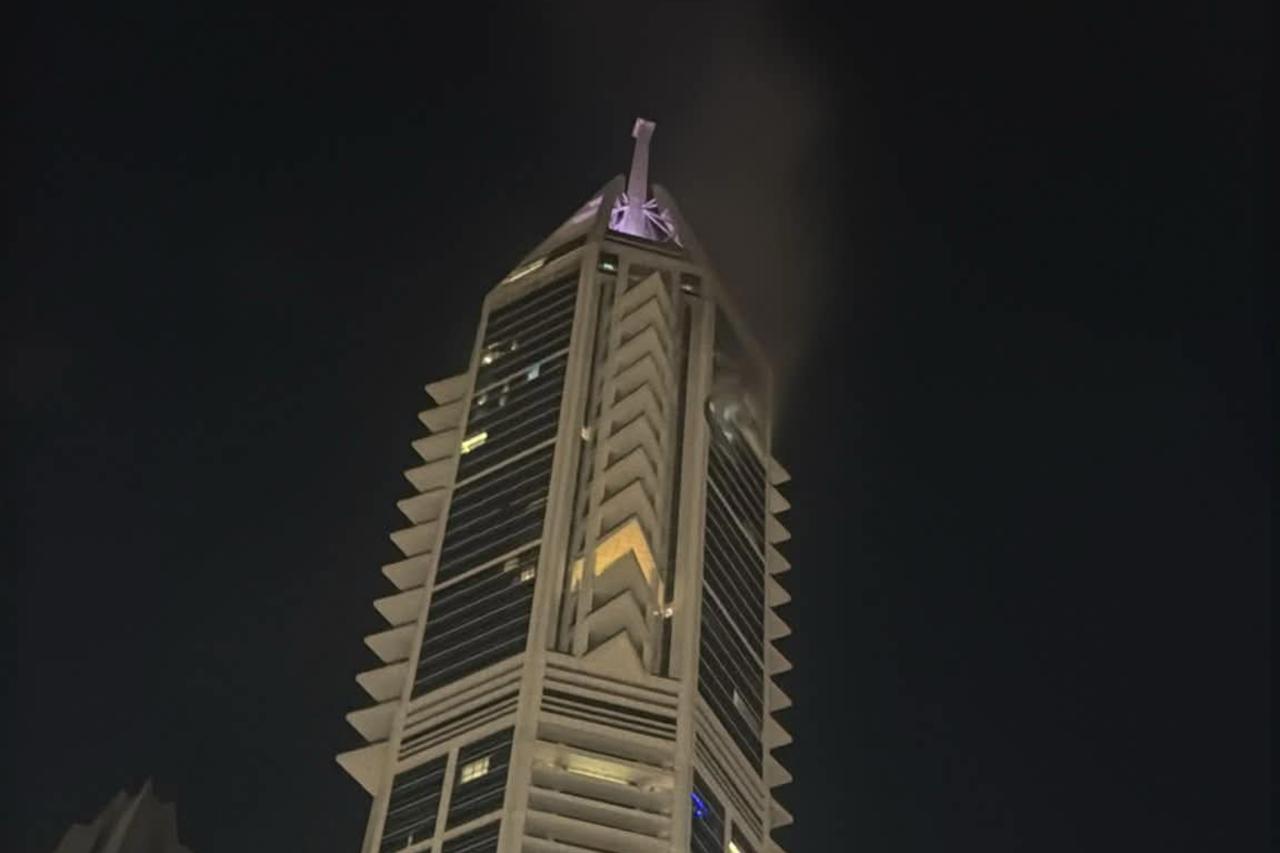
As tensions with Iran escalated and the Gulf’s night skies filled with reports of intercepted missiles and the occasional direct strike, officials in the UAE instructed influencers to keep calm, and above all, keep speculation offline.
The moment posed an awkward choreography.
Their feeds, long curated as glossy runways of sunlit brunches, mirrored skyscrapers, and desert-hued serenity, were suddenly ordered to echo composure.
Stories and posts dutifully displayed the city as it prefers to be seen: unruffled, luminous, and insistently normal. Yet behind the filters and careful framing, in quieter conversations away from the algorithm’s gaze, another mood surfaced. The confidence performed for millions often gave way to the low, persistent hum of unease.
“If you’re looking for a ground report from influencers, trust me, nobody will speak the truth,” one media professional working with influencers told Türkiye Today on the condition of remaining anonymous.
Under the country’s cybercrime laws, posting content that harms public order or spreads misinformation can carry fines of up to 200,000 dirhams, or about $54,000, and in some cases, prison sentences.
The warning has had an immediate effect in Dubai, where many influencers are choosing their words carefully or avoiding the topic entirely.
For creators whose careers depend on documenting daily life, the moment has created an unusual dilemma.
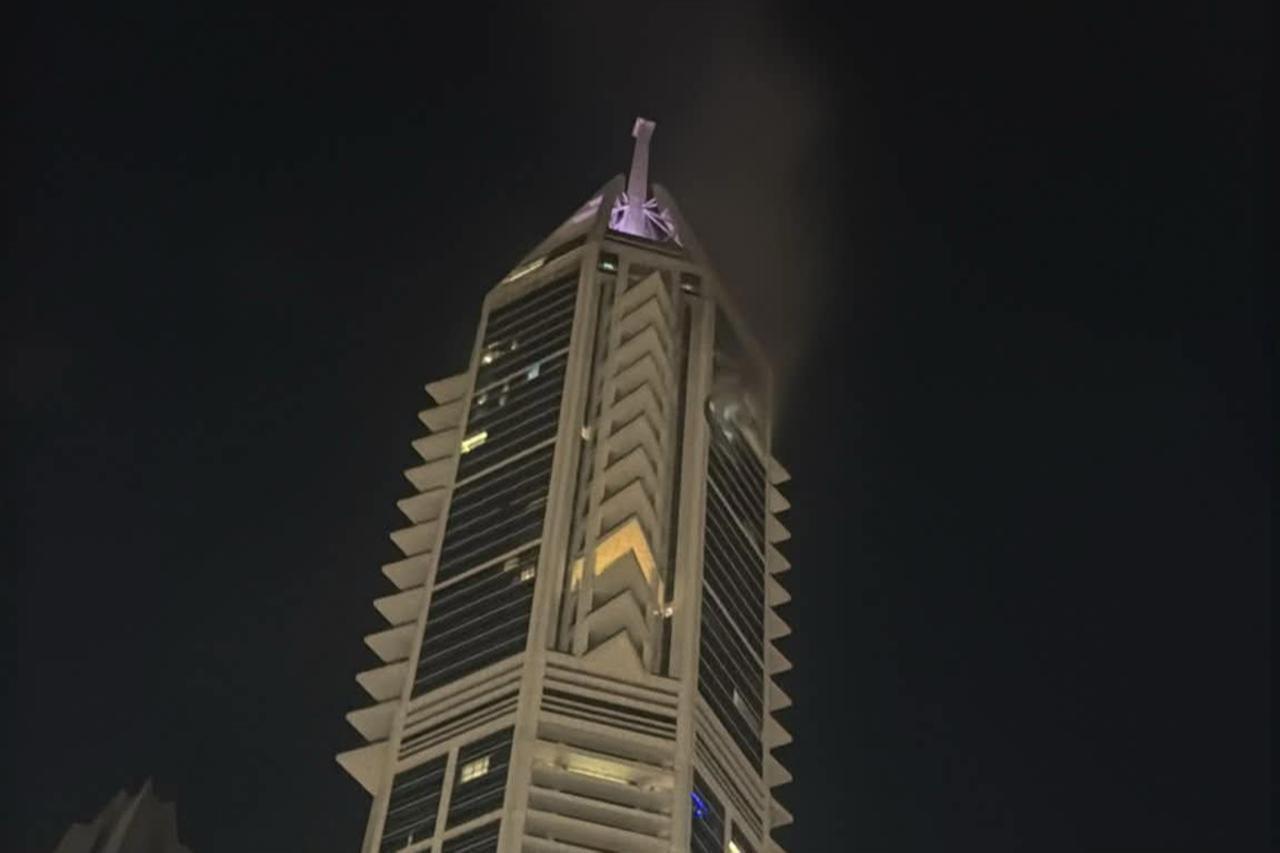

An Iraqi influencer who lives in Dubai described how the ongoing tensions have made her more sensitive to everyday sounds.
“Even when I hear the fountains while sitting in a restaurant, I feel scared,” she shared. “But thank God, so far everything is fine.”
Despite the mounting anxiety, she believes the city remains safe for her.
“We’re protected in the safest country in the world,” she commented.
Recently, with her residency identification nearing expiration, she attempted to leave the country, but her plans were complicated by travel disruptions.
“Today, I went to the airport without purchasing a ticket, hoping that I’d be able to fly,” she said. “But I couldn’t.”
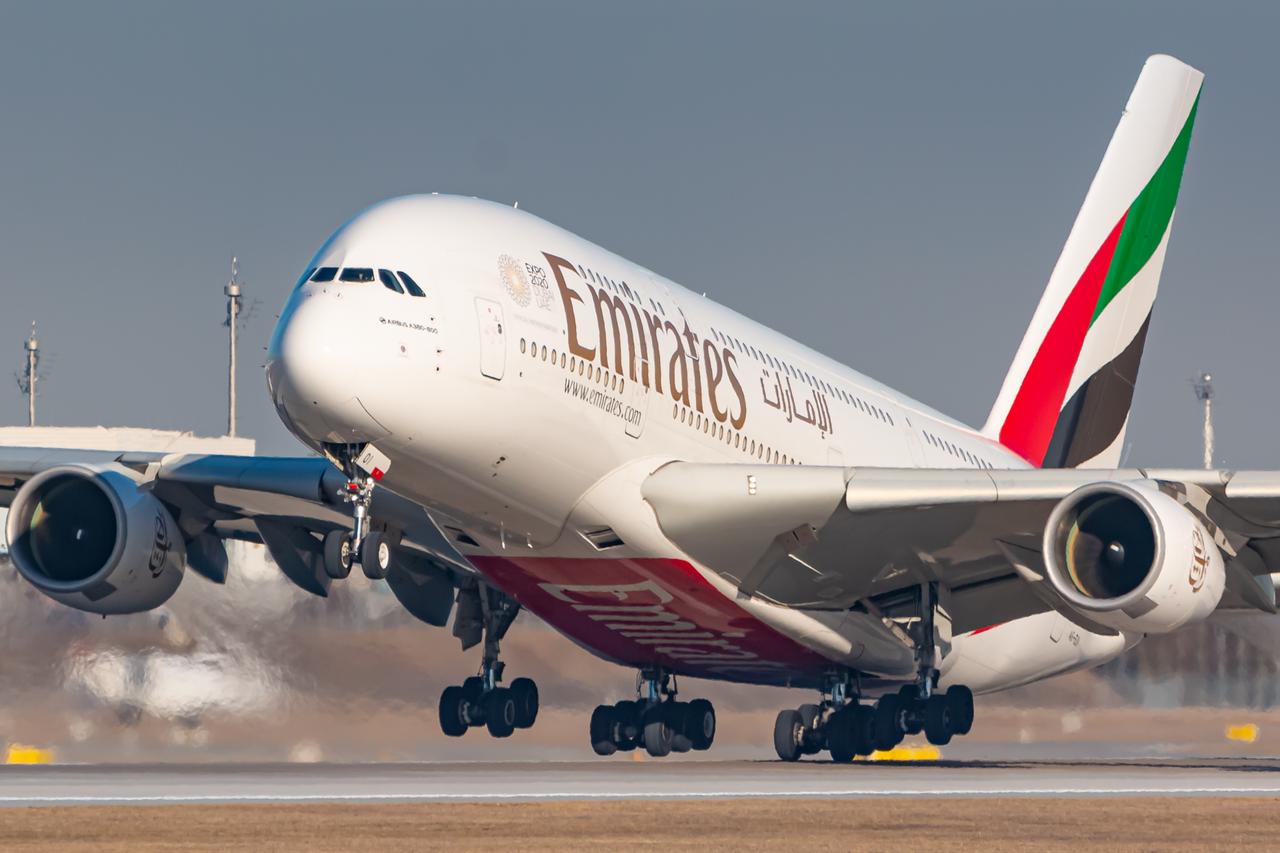
Airlines have warned travelers about delays and disruptions on several routes as the regional situation develops. However, daily life in Dubai still appears calm, according to the Iraqi Dubai-based influencer.
“Even in the middle of the night, we walk safely,” she asserted.
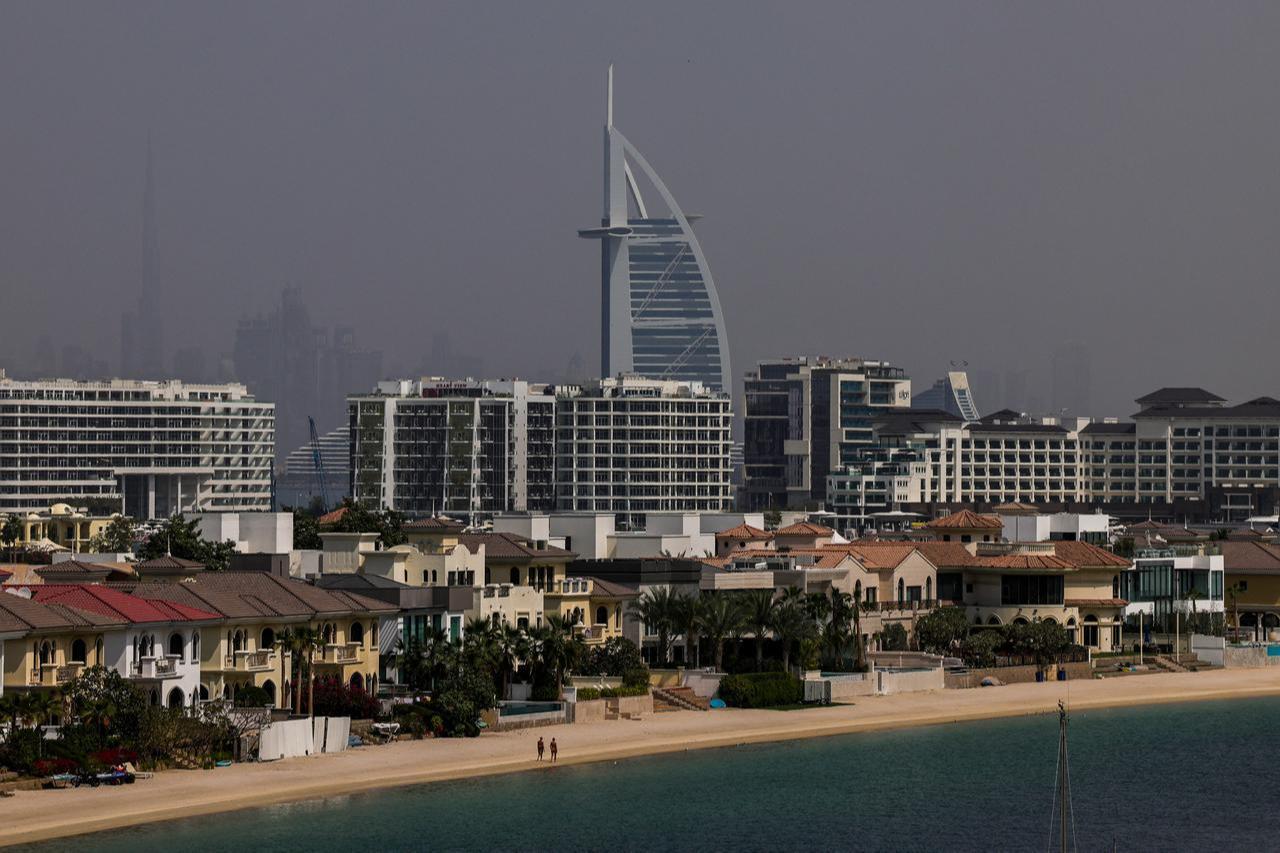
An Emirati influencer conveyed a similar sense of normality: “Yes, thank God everything is fine. There was an attack, but it was not very intense."
He credited the country’s military preparedness.
“Our air defenses responded incredibly well because billions have been invested in it,” he added.
He also dismissed many reports circulating online, saying, “A lot of it is just rumors and AI accounts.”
According to the influencer, the situation on the ground feels far calmer than some international reports suggest.
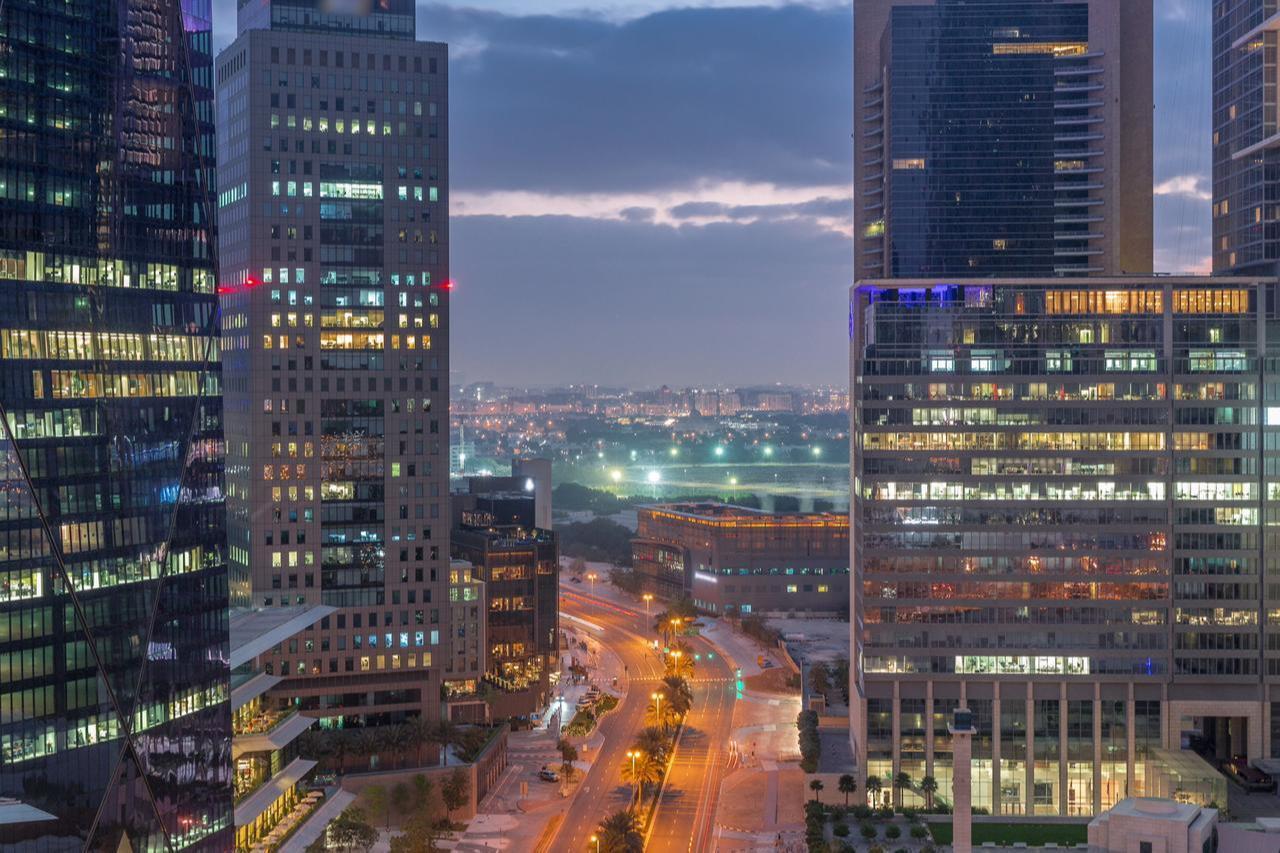
“Every day they write about the (situation in)UAE,” he shared. “But we are going out, going to the gym, to work, and to the malls.”
He added that public appearances by leaders have reassured residents.
“Our sheikhs are in the malls so that people do not feel afraid.” “Hopefully, things will calm down,” he added.
Another Emirati influencer urged people to rely on official information rather than social media.
“People should not worry about what is going on,” he said. “They should not trust anything they see on social media from influencers or others living here—they should trust only what the government publishes.”
Authorities have also issued practical safety advice, a reminder that in times like these, even everyday routines come with official instructions.
Dubai Police recently posted instructions about what residents should do if warning alarms sound while they are driving.
“Your safety comes first,” the police wrote in a message on X.
Drivers were advised to continue calmly, avoid stopping or filming, and seek shelter in the nearest safe place until authorities announce that the danger has passed.
Officials have repeatedly warned that spreading rumors online could carry legal consequences.
The country’s leadership has, of course, sought to reassure the public. The UAE president declared that the nation remains strong and resilient, confidently promising it will emerge stronger from the crisis while lavishing praise on the heroic efforts of the country’s military institutions.
Privately, however, the atmosphere appears more complicated.
A media professional who works with influencers in Dubai said many creators are extremely cautious about speaking openly online.
“If you’re looking for a ground report from influencers, trust me, nobody will speak the truth,” he shared. He added that many influencers worry about penalties for posting content that contradicts official narratives.
“Most influencers are producing content supportive of the UAE,” he noted, adding that some residents fear that controversial posts could lead to heavy fines or legal trouble.
Whether exaggerated or not, that fear appears to have shaped the online response.
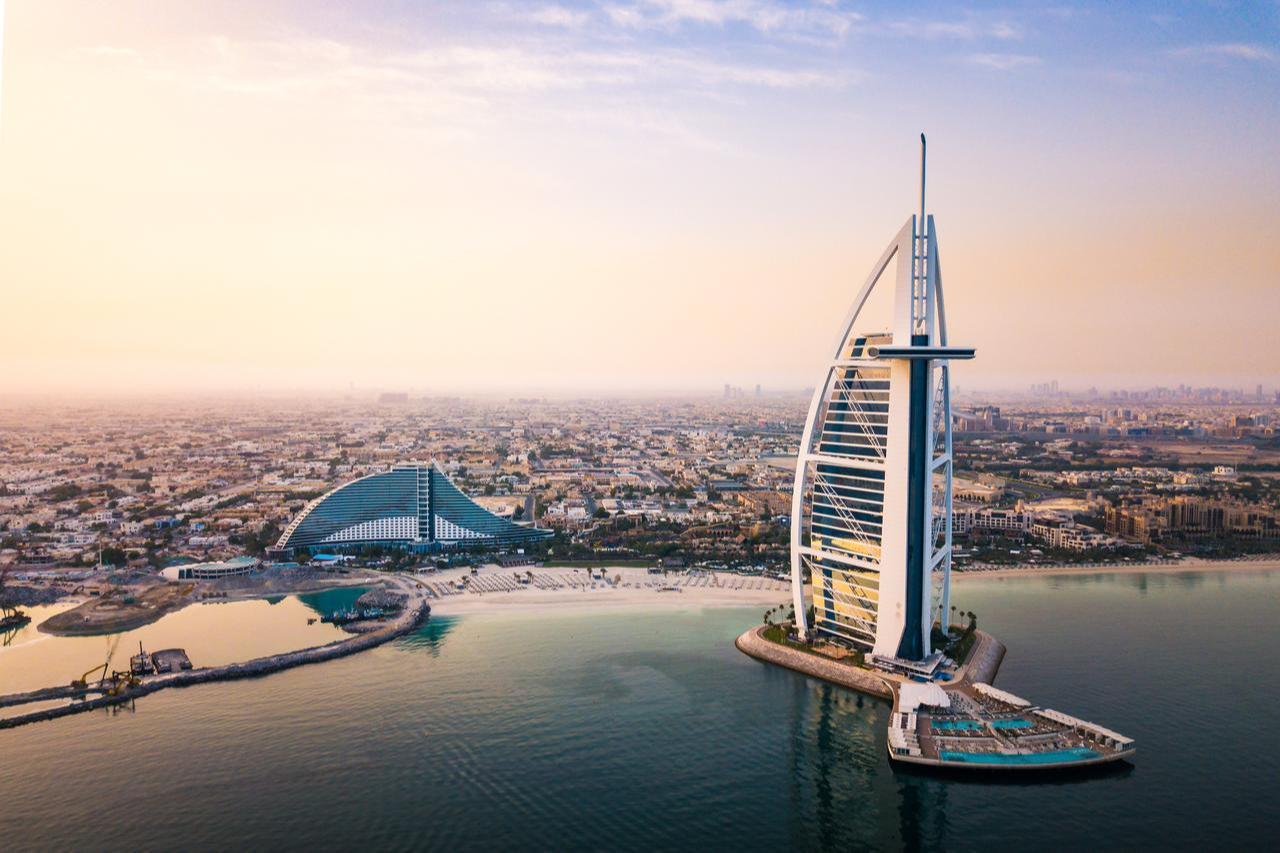
For years, Dubai has invested heavily in building a global influencer economy through creator visas, media hubs, and digital business incentives.
The current conflict, though, has exposed the limits of that openness.
Influencers are accustomed to sharing everything, from meals to travel plans and daily routines.
Still, war creates a different environment.
In places where national security and information control carry legal consequences, even the most visible people on the internet may find that silence is sometimes the safest post of all.


 Set as preferred source
 Set as preferred source


 1 min read
 1 min read