Newsletters


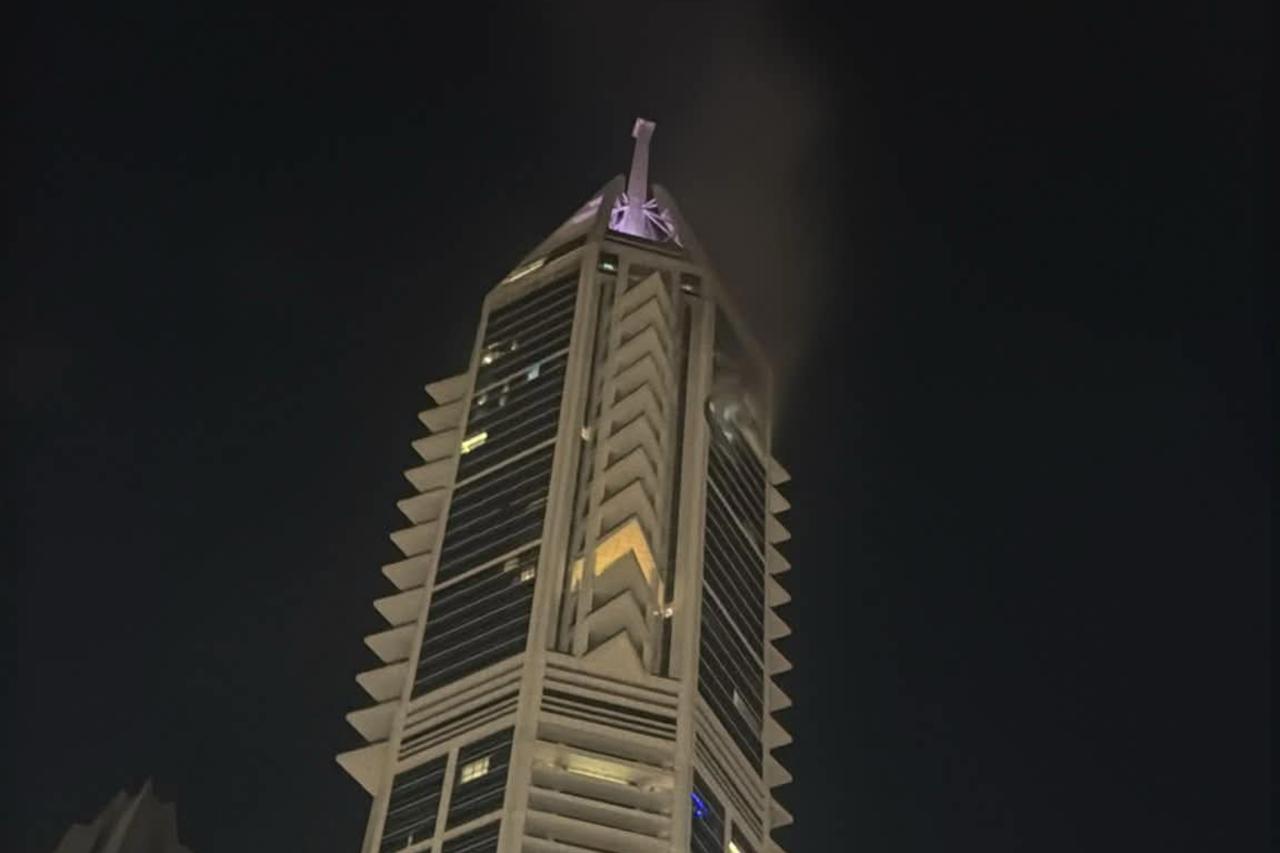


An Iranian drone struck the 23 Marina tower in Dubai's western coastal district on Saturday, with reports indicating the attack targeted what were allegedly Israeli security and command facilities housed inside the high-rise.
The strike on the residential skyscraper, located in the Dubai Marina waterfront area, produced thick smoke visible from surrounding neighborhoods, according to early reports.
The United Arab Emirates’ Dubai media office said that debris from the aerial interception fell onto a vehicle in the Barsha area and killed an “Asian driver.”
This brings the number of people killed in the UAE since the war began to four. Authorities have said all were foreign nationals.
UAE Authorities confirm that debris resulting from a successful interception caused a minor incident on the exterior of a tower in Dubai Marina.
Authorities added that the situation has been contained. No injuries were reported in the tower.
The Marina attack came on a day defined by a stark contradiction between Iranian political rhetoric and military action on the ground. Hours earlier, Iranian President Masoud Pezeshkian delivered a rare televised apology to neighboring countries caught in Tehran's retaliatory campaign, saying he was personally sorry for the attacks and that an interim leadership council had ordered the armed forces to halt strikes on Gulf states unless those nations were used as launch points for operations against Iran.
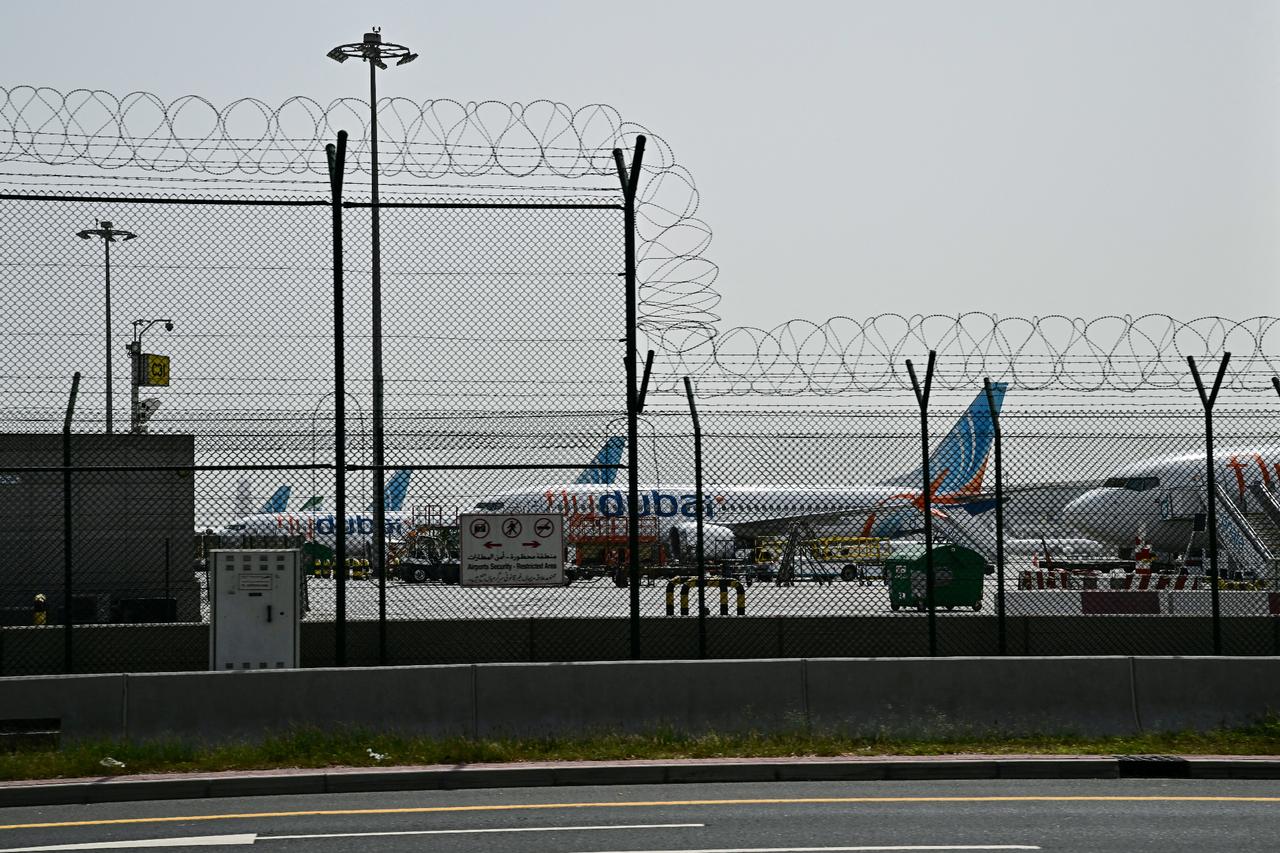
Yet the apology appeared to carry little weight on the battlefield. Multiple reports from AP, NPR, and Euronews confirmed that Iranian missiles and drones continued to hit targets across the Gulf even after Pezeshkian's address, including a drone that exploded near Concourse A at Dubai International Airport, narrowly missing the terminal and a parked aircraft, and forcing another suspension of flight operations at the world's busiest airport for international travel.
The disconnect prompted sharp criticism inside Iran itself. Iran International reported that political figures and media commentators accused Pezeshkian of projecting weakness, with one lawmaker writing that the apology showed "no sign of authority." Iranian state television, after airing the president's speech, immediately returned to praising the country's ongoing attacks.
AP reporting noted the episode underlined the limited powers being exercised by Iran's civilian leadership over the Islamic Revolutionary Guard Corps, which controls the ballistic missiles and drones being used in the campaign.


The Marina strike adds to a growing list of high-profile targets hit in Dubai and across the UAE since Iran launched its retaliatory campaign on February 28 following coordinated US-Israeli airstrikes on Iran. By March 5, the UAE Defence Ministry reported that Iran had fired 174 ballistic missiles, of which 161 were intercepted and 13 fell into the sea, while 689 drones were launched, with 645 intercepted and 44 striking targets inside the country. Eight cruise missiles were also detected and destroyed.
Three civilians have been killed, all foreign nationals from Pakistan, Nepal, and Bangladesh, and 78 others injured across the Emirates. Among the sites damaged: Dubai International Airport, Jebel Ali Port, the Fairmont Hotel on Palm Jumeirah, the Burj Al Arab, the US Consulate in Dubai, a French naval air base near Abu Dhabi, and an Amazon Web Services data center.
The UAE shut its embassy in Tehran and withdrew all diplomatic staff, calling the strikes a flagrant violation of sovereignty and international law.
On Saturday, the UAE said it was targeted by a further 16 ballistic missiles and more than 120 drones, with mobile phone alerts sounding across Dubai urging the public to seek immediate shelter. Saudi Arabia also reported intercepting drones aimed at its Shaybah oil field, while Bahrain confirmed buildings were damaged in a fresh Iranian attack.


 Set as preferred source
 Set as preferred source


 1 min read
 1 min read