Newsletters


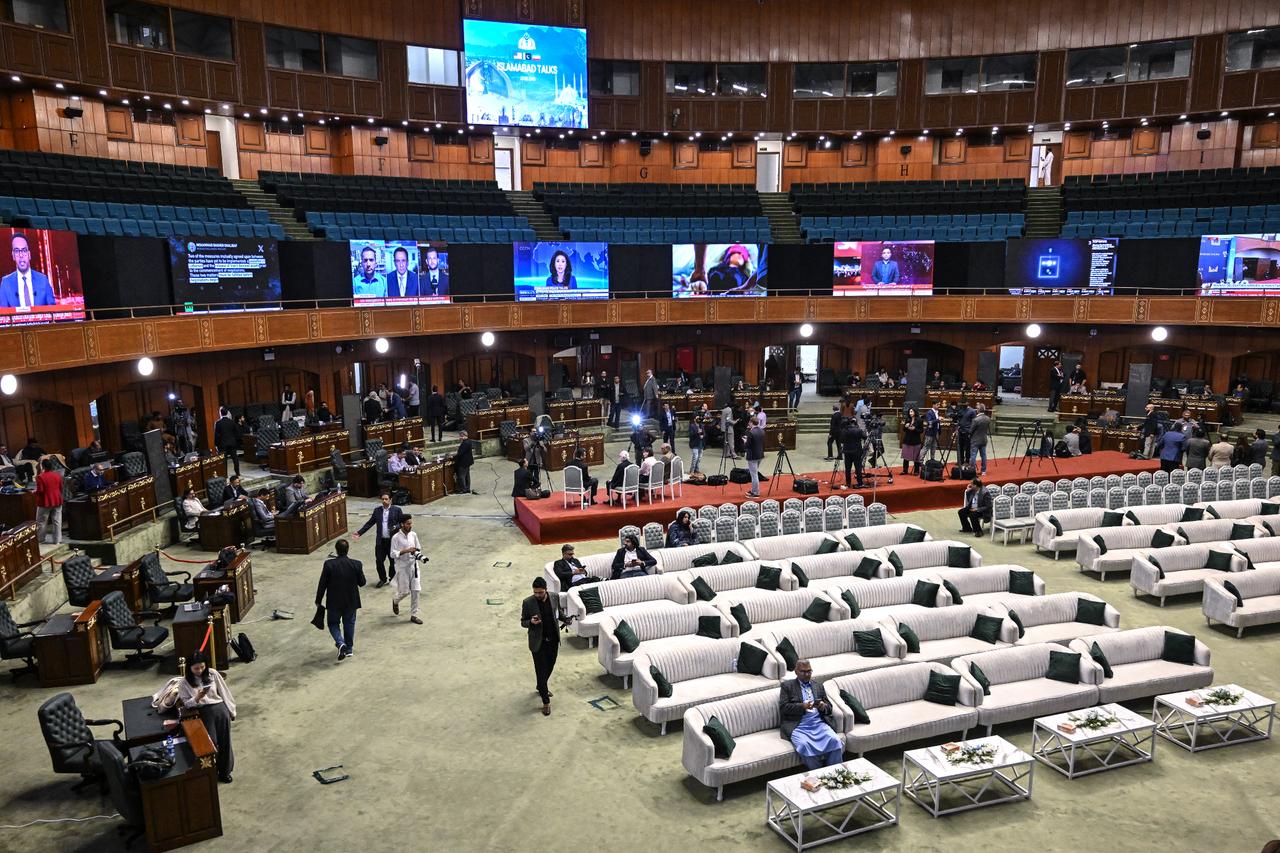


Iran and the United States concluded another round of face-to-face negotiations in Islamabad on Sunday morning, with significant differences between the two delegations still unresolved, Iran's semi-official Tasnim news agency reported.
Following the direct session, both sides returned to exchanging written texts, with expert teams from each country participating alongside senior negotiators.
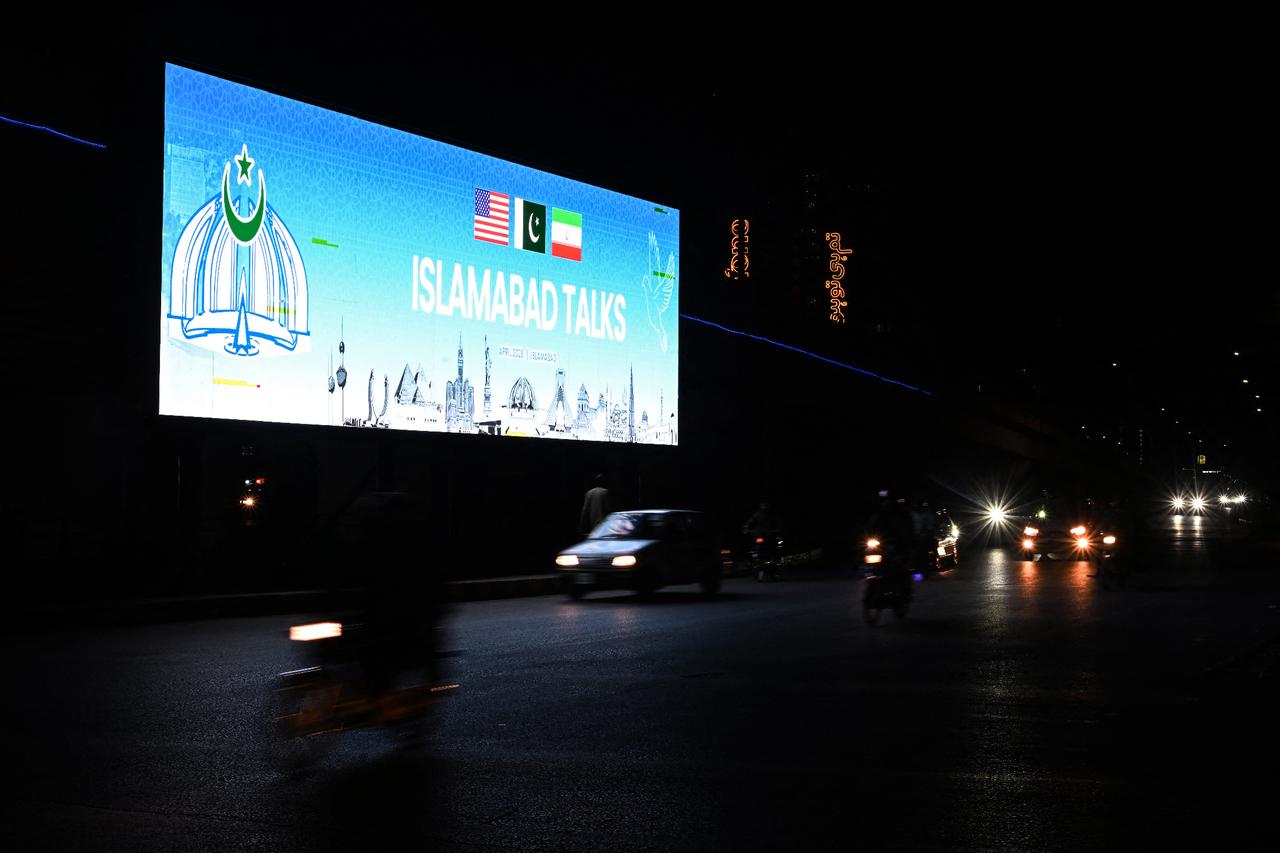
The talks, brokered and hosted by Pakistan, represent the highest-level direct engagement between Washington and Tehran since the founding of the Islamic Republic in 1979.
They come against the backdrop of a fragile two-week ceasefire that took hold on April 8, pausing a conflict that erupted on Feb. 28 when the United States and Israel launched coordinated strikes on Iran. The truce is set to expire on April 22, lending the negotiations an urgency.

Despite the face-to-face format, Tasnim reported that substantive differences between the delegations remain.
The shift back to written exchanges following direct talks is consistent with a pattern seen in earlier sessions, in which negotiators move between direct discussion and mediated text exchange as they work through contested language. Pakistan has served as the primary facilitator and host throughout the process.
Iran arrived in Islamabad with a delegation of roughly 70 people, including technical and expert committees covering economic, security, and political affairs.
Parliament Speaker Mohammad Bagher Ghalibaf is leading the Iranian team, joined by Foreign Minister Abbas Araghchi and senior hardline negotiator Ali Bagheri Kani. The United States delegation is led by Vice President JD Vance, alongside special envoy Steve Witkoff and presidential adviser Jared Kushner.
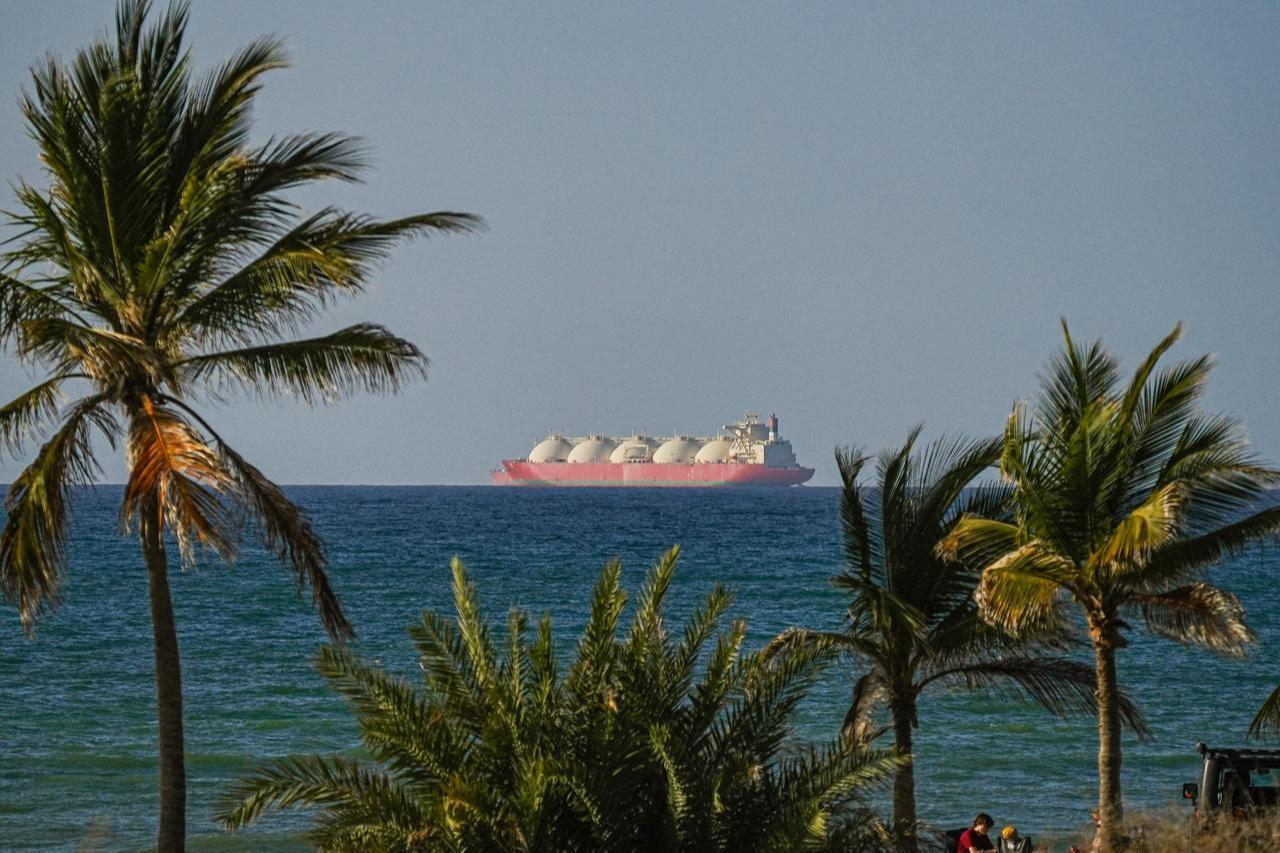
The two sides entered the current round holding substantially divergent positions. The US has put forward a 15-point proposal that, according to multiple reports, calls for Iran to commit to no nuclear weapons, surrender its highly enriched uranium stockpile, limit its ballistic missile capabilities, end support for regional armed groups, and fully reopen the Strait of Hormuz.
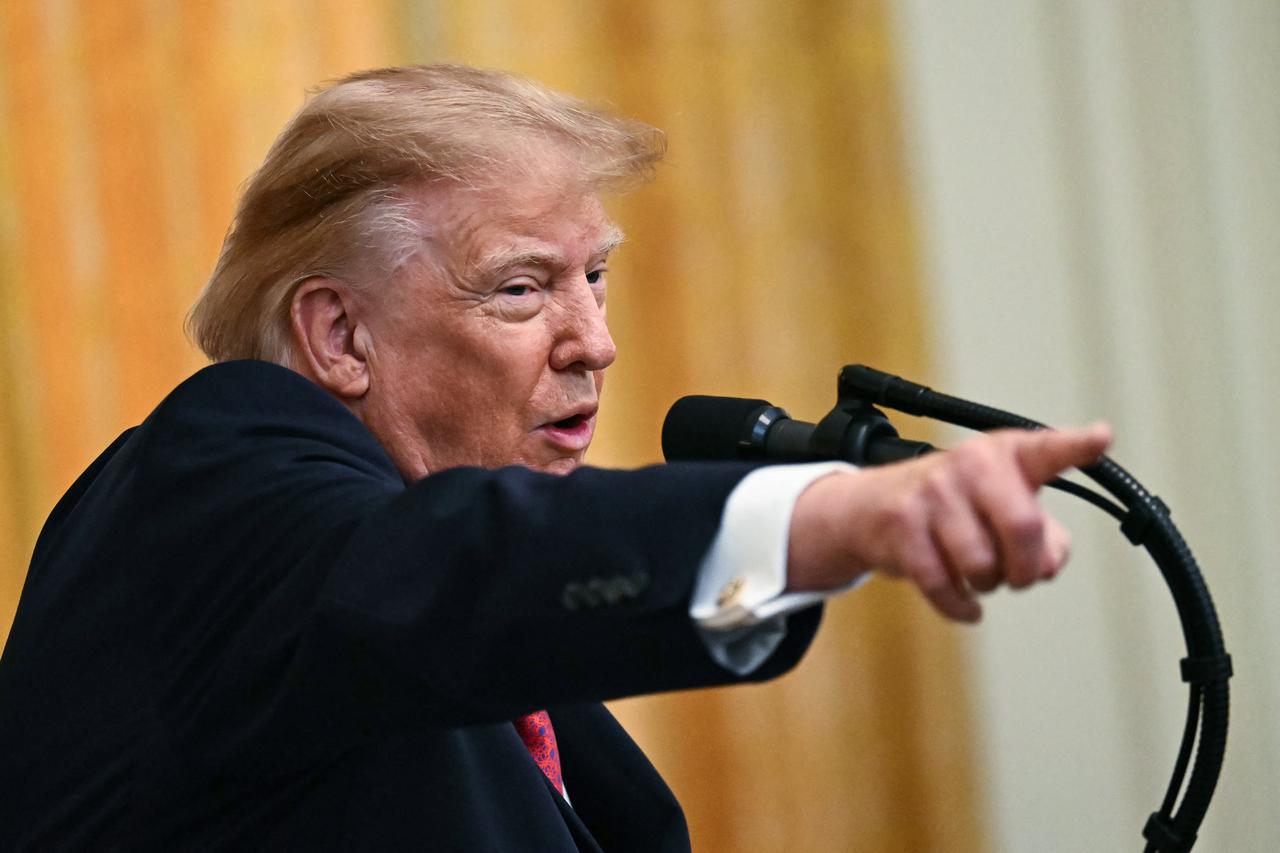
U.S. President Donald Trump has described denuclearization as the near-total focus of the talks, saying, "No nuclear weapon. That's 99% of it."
Iran, for its part, has presented four conditions it describes as non-negotiable: full sovereignty over the Strait of Hormuz, complete war reparations from what it characterizes as the aggressor, the unconditional release of frozen assets abroad, and a durable ceasefire across the broader West Asia region. Tehran has also demanded formal recognition of its right to enrich uranium, a point Washington has treated as a red line.
A senior Iranian source told Reuters on the sidelines of the talks that the US had agreed to release frozen assets held in Qatar and other foreign banks, describing it as a signal of seriousness, though no US official has confirmed the claim.
The negotiations are further complicated by a parallel dispute over whether the ceasefire covers Israeli strikes on Lebanon. Iran and Pakistan, which co-brokered the truce, maintain that it does. The United States and Israel insist it does not.
Hours after the ceasefire came into effect on April 8, Israel launched strikes on Lebanon that Lebanese health authorities said killed more than 350 people. Iran's foreign minister has warned that continued attacks on Lebanon could cause Tehran to abandon the ceasefire altogether.
Iran's parliament speaker struck a tone of guarded skepticism upon his arrival in Islamabad. "We have goodwill, but we do not trust," Ghalibaf told Iranian state media, adding that if the United States was "ready for a genuine agreement," Iran could be as well.
Pakistan, which formally offered to host the talks in late March and spent weeks conducting back-channel diplomacy, has set a deliberately modest benchmark for the current round.
Officials close to the mediation effort have said the primary goal is to keep the parties talking and establish enough common ground to extend the process, rather than to reach a final agreement. "Pakistan has succeeded in getting them together," Pakistan's former UN ambassador Zamir Akram said before the talks began. "Now it is for the parties to decide whether they are willing to make the sacrifices necessary."


 Set as preferred source
 Set as preferred source


 1 min read
 1 min read