Newsletters


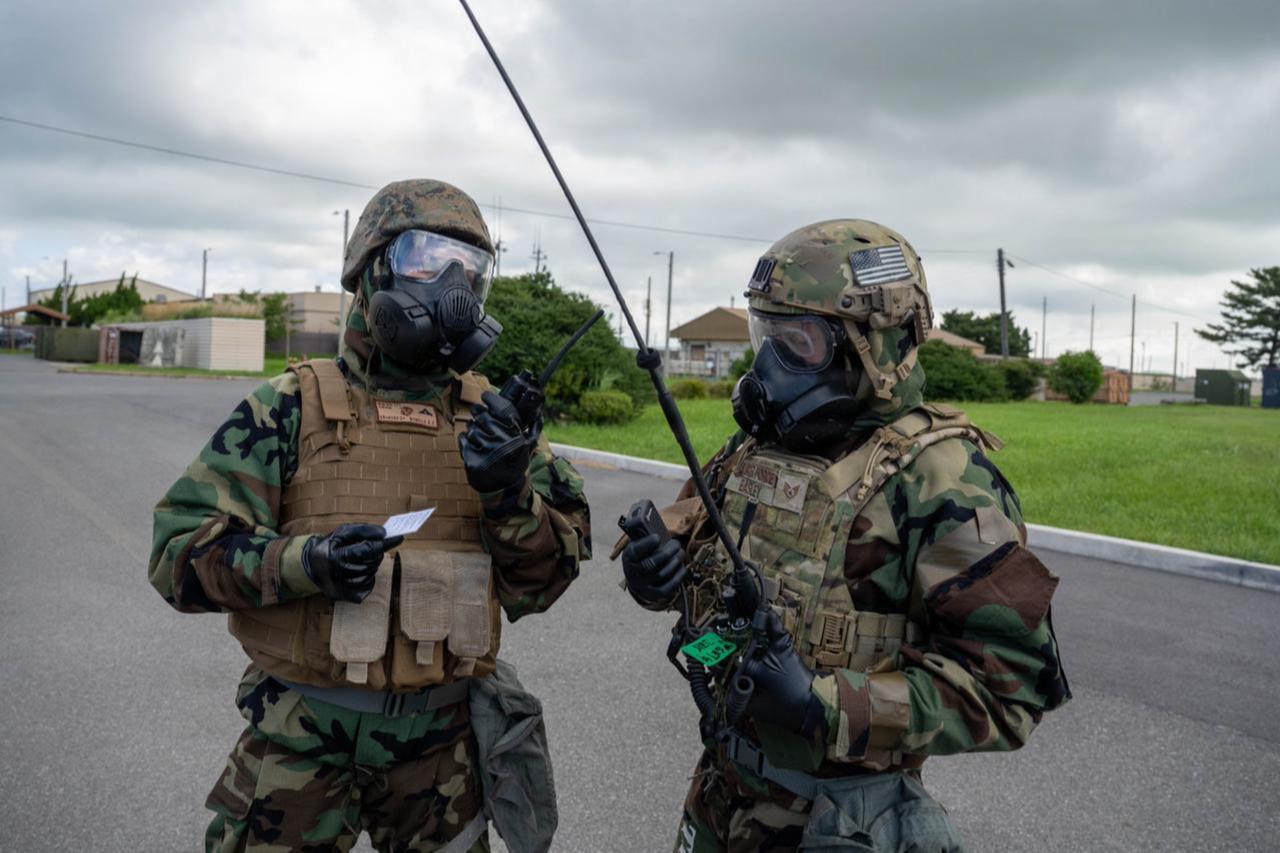


Israel has given the United States intelligence asserting that Iran is considering using chemical weapons against its adversaries. Some American officials are alarmed by it and others are deeply skeptical, according to U.S. and regional officials cited in an exclusive report by The New York Times.
Some U.S. officials see the information as part of a pressure campaign by Israeli Prime Minister Benjamin Netanyahu’s government to persuade the Trump administration to return to major combat operations against Iran.
Others say the claims deserve to be taken seriously, given a recent run of warnings about Iranian preparations to attack American interests.
Israel has also shared some of the information with officials in Gulf countries. Several of them doubted that Iran was developing plans to use chemical weapons and believe Israel is trying to push the United States and its partners back toward a more intense phase of the war, the report said.
The people interviewed spoke on condition of anonymity because of the secrecy of the Israeli intelligence, the sensitivity of Iranian planning and the classified nature of American discussions.


In conversations with U.S. spy agencies and other officials over the past two weeks, Israeli officials have described the chemical weapons threat as more urgent than Iran’s nuclear ambitions, according to the report.
They have told American counterparts they believe Iran is moving rapidly to develop the technology to put such weapons on a missile, or to smuggle them into Israel or another country for an attack.
A regional official said Israel had briefed Gulf governments on its assessments but shared no evidence. Gulf officials found the claims unserious, the official said.
Opinions differ on how quickly or effectively Iran could use such a weapon. Weapons experts and U.S. officials say mounting a chemical weapon on a ballistic missile is not difficult, but making sure it disperses a chemical agent effectively is.
Smuggling a bomb across a border carries its own challenges, and using a drone is another possibility.
Israel’s own preparations appear to point the other way. The Home Front Command, the military unit that handles civilian emergency response, is running drills across the country this week but has not made chemical weapons preparation a major part of them.
Two unit officials said it has also not issued widespread safety reminders to officers or the public about such a scenario. The Israeli military declined to comment.
A spokesman for Netanyahu’s office said Israel “closely tracks every threat posed by the Iranian terror regime and is prepared to deal with it.” A spokesman for Iran’s mission to the United Nations did not respond to a request for comment.
The White House did not comment, though a U.S. official said President Trump would keep America and its allies safe from any potential threat. The C.I.A. declined to comment.
American claims about Iranian chemical weapons go back decades. In 2003, Iran acknowledged it had developed chemical capabilities during the Iran-Iraq war in the 1980s but said it later dismantled them.
In recent years, the United States has said in its annual unclassified intelligence assessments that Iran “likely aims” to continue research and development of such weapons. Iran has publicly denied having chemical weapons and has described such allegations as psychological warfare waged by Israel and Netanyahu.
The subject is especially sensitive for Iran, which suffered chemical attacks by Saddam Hussein’s forces during the Iran-Iraq war. Iranian experts say the attacks killed thousands and caused decades of health problems for roughly 100,000 veterans and civilians.
For some American officials, the new claims recall the flawed U.S. intelligence of 2002 about Iraq’s weapons of mass destruction.
Iraq had largely abandoned or frozen its nuclear, chemical and biological programs by then, yet U.S. agencies told the White House of President George W. Bush that their assessment was ironclad.
There is little debate within the U.S. intelligence community that Iran is developing chemical weapons. The dispute is over whether its leaders would ever use them, particularly if not provoked by further attacks.
The U.S. director of national intelligence warned in 2024 that Iran “probably aims to continue research and development of chemical and biological agents for offensive purposes.”
Dana Stroul, the Pentagon’s top Middle East policy official in the Biden administration and now with the Washington Institute for Near East Policy, said it has been known for more than two decades that Iran stockpiled components for chemical weapons, but that Tehran has never deployed them.
She said Iran might nonetheless feel “existentially pressured and potentially crossed the line to direct offensive use of these unconventional weapons.”
A current and a former Iranian official said Tehran would use chemical weapons only if the United States or Israel attacked Iran with a nuclear bomb.
U.S. officials have said the Trump administration has no intention of using a nuclear weapon, but Iranian officials are not so sure, the report said.
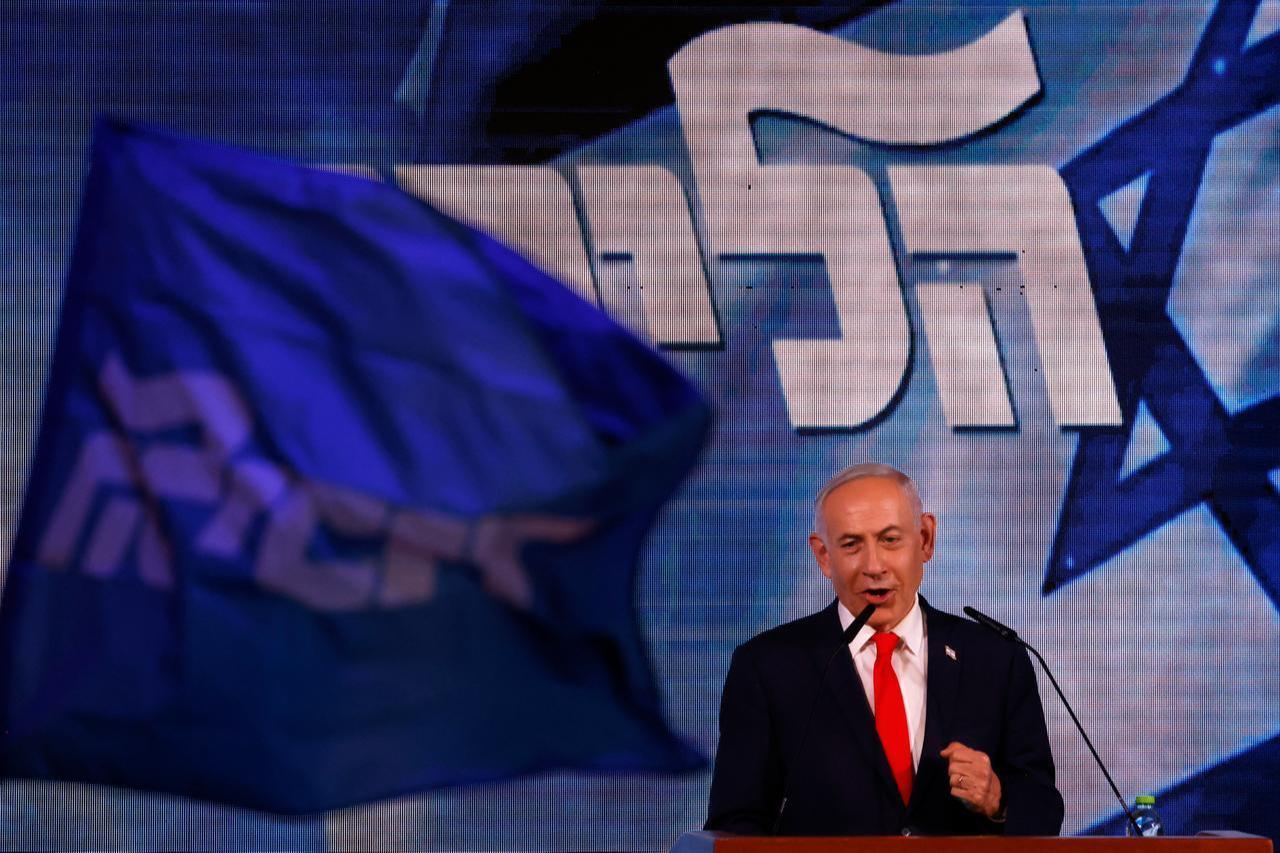
The debate comes as Netanyahu fights for his political survival.
He failed to secure a clear path to forming a government in elections last week, and some analysts believe he may be trying to use a security emergency as leverage to compel opposition leaders to join a coalition.
After eight months of war, the United States and Iran are in something of a holding pattern, exploring a possible diplomatic breakthrough while preparing for renewed fighting.
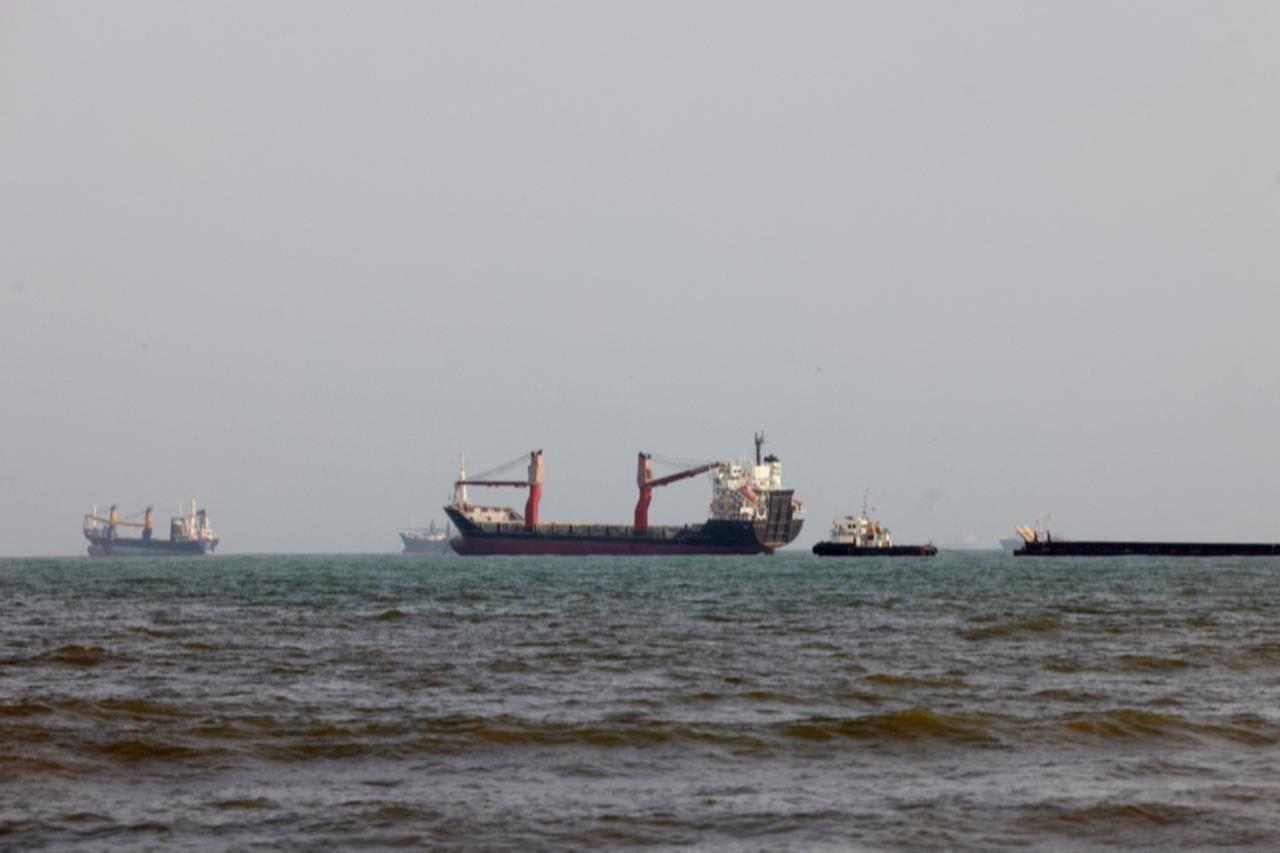
U.S. and other diplomats are trying to forge an agreement that would reopen the Strait of Hormuz, address Iran’s nuclear program and put off further military action. Meanwhile, Iran has stepped up attacks on commercial ships in the strait, seeking maximum economic pressure on Washington ahead of Tuesday’s U.S. elections.
The U.S. military has assembled naval ships, fighter planes and bombers in the region, ready to launch a relatively short campaign of intense strikes after the midterms if Trump authorizes it.
U.S. Central Command has a plan to begin striking Iran as early as Wednesday, with three aircraft carriers in the region, U.S. officials said.
Those conditions will last only briefly: after early November, one carrier must return to its home port, and the period of moonless nights that the military favors for such attacks will end. The buildup may be meant as much to support the diplomatic push as to prepare for war, the report said.
Some Trump cabinet members argue for more time to let economic pressure work, saying a U.S. blockade and sanctions will eventually bring down the Iranian government.
Other officials note that Iran has withstood the pressure so far and that there is little sign its government will collapse without further military action.
 1 min read
The warnings about Iran extend beyond chemical weapons. U.S. intelligence collection intensified after the discovery of an Iranian plot to attack a military base in Britain used by American warplanes.
On Oct. 23, Director of National Intelligence Jay Clayton sent Secretary of State and national security adviser Marco Rubio a memo warning of Iranian attacks, and U.S. diplomats and other personnel were put on high alert.
U.S. agencies assess that the threat to Americans in the Middle East and several other countries is at its highest since the war began in February, officials said.
Stephanie Walker, a senior national security and intelligence official at the F.B.I., said last week that the Iranian threat to U.S. interests was “a top focus right now for the entirety of the U.S. government.”
Speaking at a national security conference in Sea Island, Ga., she said Iran’s goals include espionage, influence and cyberattacks. Iran-linked hackers targeted scores of water systems across the United States this summer, prompting some counties to issue boil-water advisories.
She also said Iran has tried to impersonate people online to trick their associates into giving up sensitive access, a practice made much easier by artificial intelligence, “especially with vishing,” or voice-based phishing.
The war, Walker said, “changed Iran’s calculus for what they were willing to do here against us.”


 Set as preferred source
 Set as preferred source


 1 min read