Newsletters


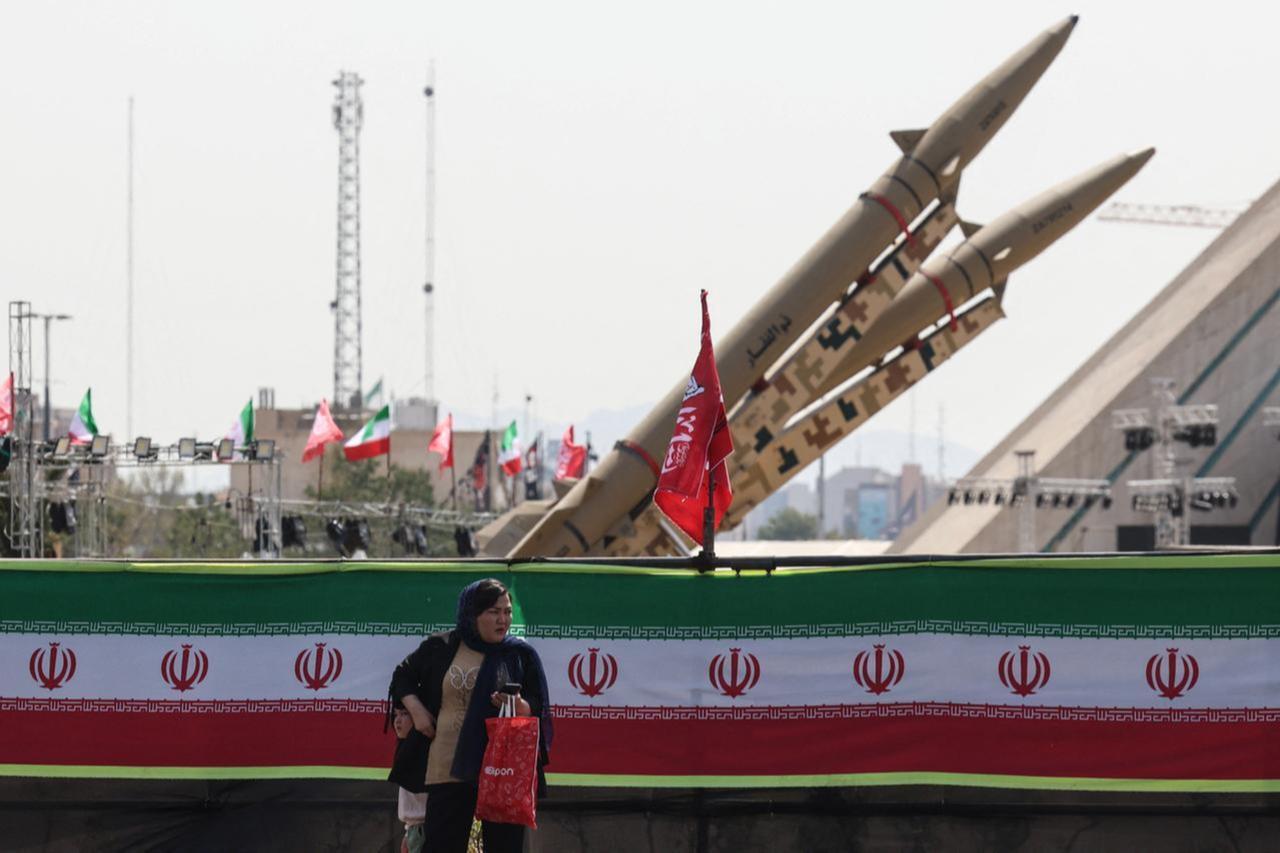


Iran would not limit its response to legal action if the United States used nuclear weapons against the country, Deputy Foreign Minister Kazem Gharibabadi warned, as Tehran accused Washington of continued military aggression following strikes on Qeshm Island in the Strait of Hormuz.
Gharibabadi also cautioned that an official threat by a nuclear-armed country to use such weapons against Iran would undermine the credibility of the international nuclear nonproliferation framework.
Speaking to reporters Tuesday, the Iranian deputy foreign minister stressed that Tehran retained the right to defend itself until military aggression against the country ended completely and permanently.
"The Islamic Republic of Iran retains the right to legitimate self-defense until the military aggression has been completely and permanently brought to an end," Gharibabadi was quoted as saying by Iran's ISNA news agency.
The warning followed U.S. strikes on Iranian targets on Qeshm Island on Monday. U.S. media described the operation as limited and defensive, indicating that the military targeted Iranian positions after the Islamic Revolutionary Guard Corps fired at an American aircraft.
Gharibabadi warned that an official threat to use nuclear weapons against Iranian facilities would undermine the international nuclear order and the credibility of the Nuclear Non-Proliferation Treaty (NPT).
Although Tehran had seen no official U.S. statement threatening a nuclear strike, he cautioned that such threats could have serious regional and global consequences.
He also rejected the idea that Iran would limit its response to legal proceedings if nuclear weapons were used against the country.
"It is not the case that Iran would be left empty-handed and merely watch if nuclear weapons were used against the country," he said, adding that Tehran would take appropriate measures depending on the circumstances.
Gharibabadi said Iran remained in a state of war and considered the military aggression against it ongoing, rejecting the suggestion that retaliatory action would amount to starting a war.
"We did not seek war and did not start a war; rather, war was imposed on us," he said.
He added that Iran remained open to diplomatic negotiations despite its distrust of Washington, but warned that it would respond more forcefully if the U.S. pursued military escalation.
"If the Americans are serious about diplomatic talks, the Islamic Republic of Iran will be equally serious; but if they pursue other scenarios, Iran will defend itself with greater determination and intensity," he said.
Meanwhile, Washington and Tehran continued exchanging messages through intermediaries, including Qatar, with Iran maintaining that its existing proposal remained the basis for a diplomatic settlement.
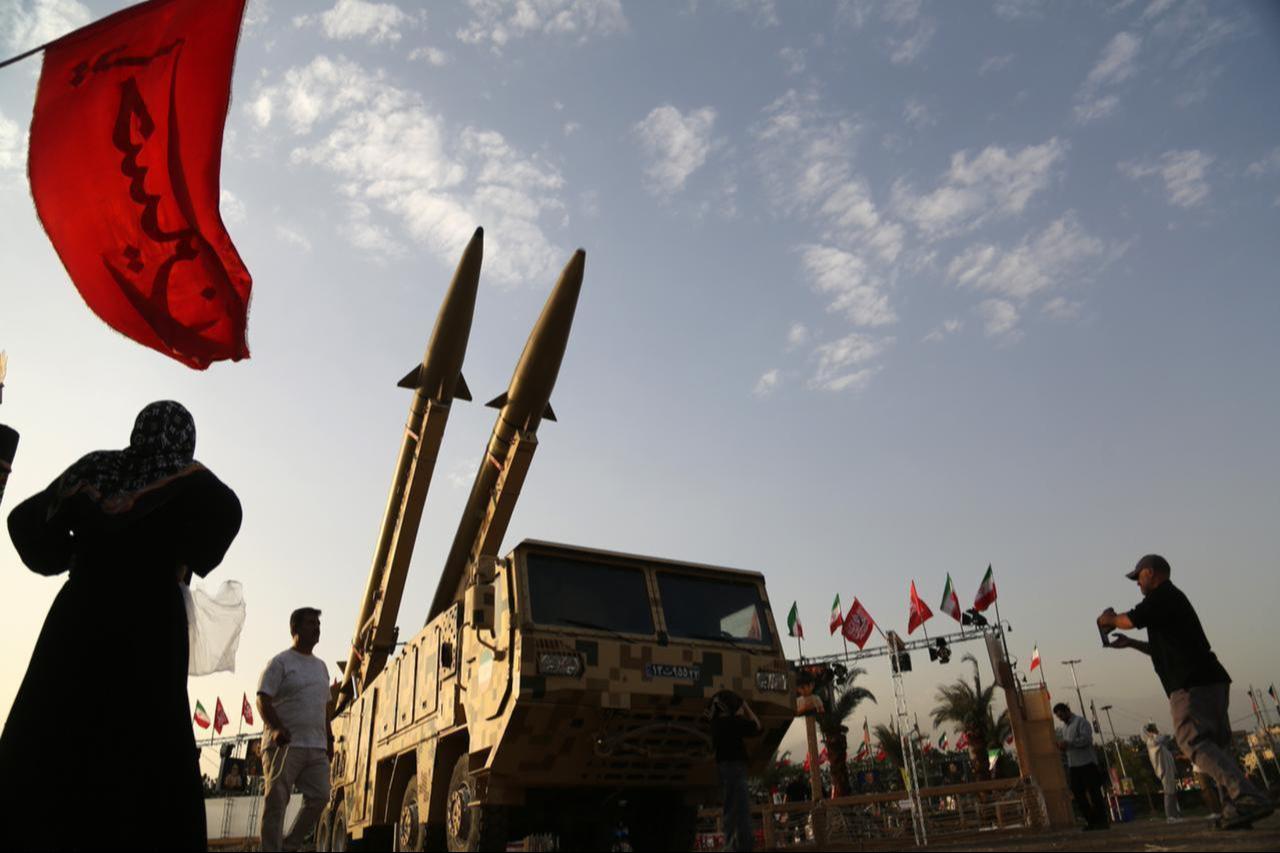

Tehran was also preparing additional legal proceedings against the United States and Israel, with cases involving the killing of Iran's supreme leader and the Dena naval vessel added to its existing investigations into the Minab and Lamerd attacks.
Gharibabadi said the Foreign Ministry had requested supporting documents from the judiciary and was examining options for pursuing the cases internationally.
Iran had already registered a case at the International Court of Justice (ICJ) over the 12-day war and planned to file another concerning the 40-day war.
The ministry was also preparing cases in foreign national courts under the principle of universal jurisdiction, initially focusing on the Minab and Lamerd attacks.
For the Minab case, involving a Feb. 28 U.S. strike on the Shajareh Tayyebeh elementary school that killed more than 100 children, Iranian lawyers were collecting evidence and developing legal strategies to help victims' families file complaints in foreign courts.
Gharibabadi added that Iran had prepared more than 200 specialized communications during the 40-day war, sending reports and supporting documents to international organizations, including the World Health Organization and the International Telecommunication Union.
Gharibabadi dismissed the prospect of Iran adjusting its foreign policy according to U.S. election results.
"We have never waited for U.S. elections to shape our policies," he said, stressing that Tehran made decisions based on its national interests and security priorities.


 Set as preferred source
 Set as preferred source


 1 min read
 1 min read