Newsletters


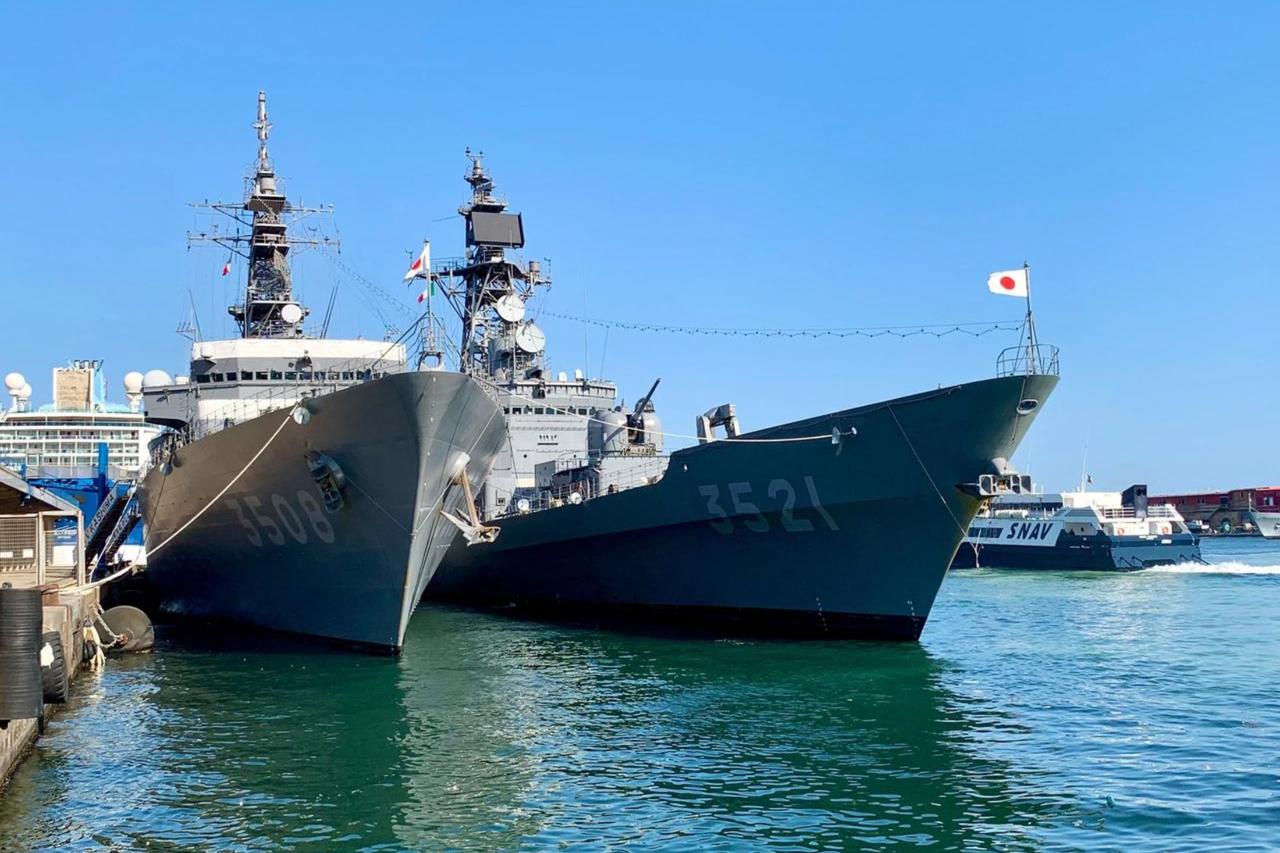


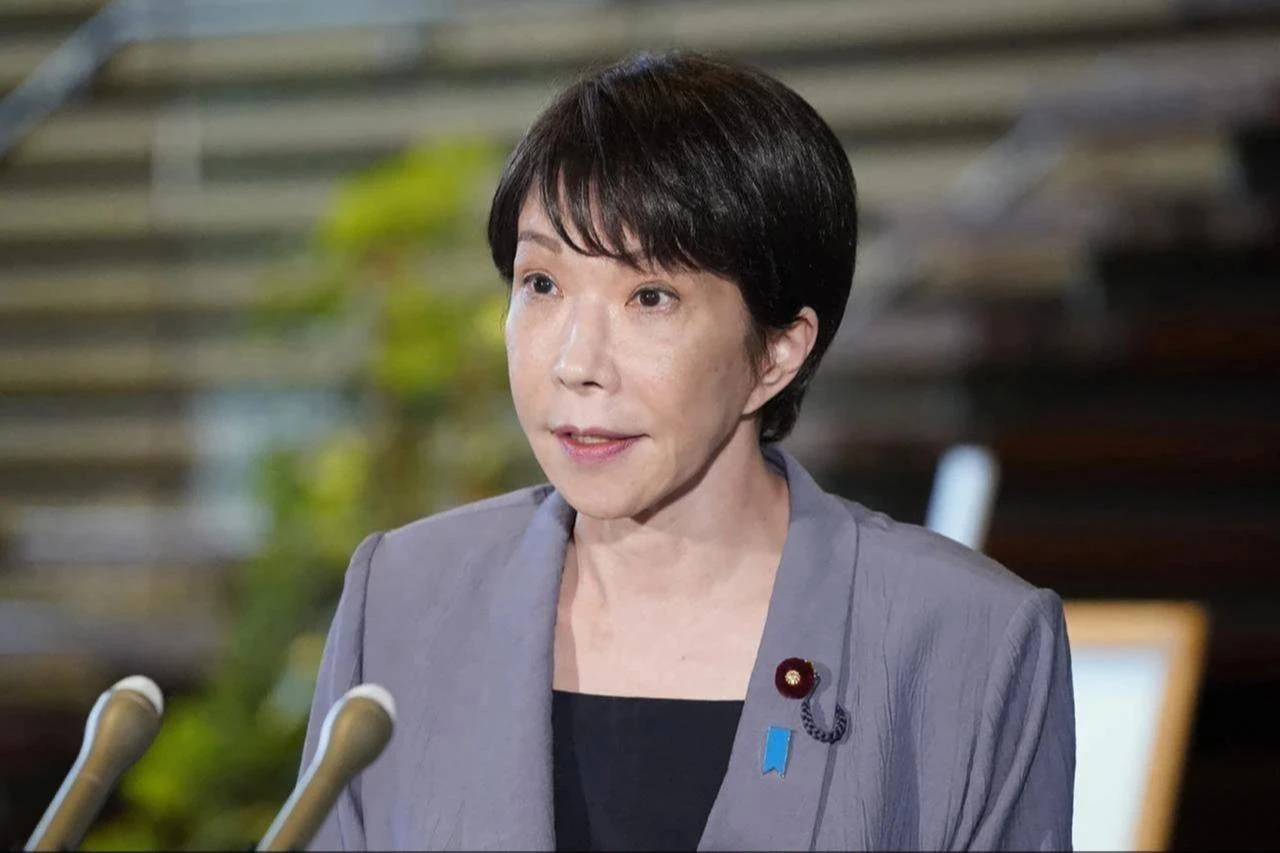
Japanese Prime Minister Sanae Takaichi said her government is moving ahead with a major reorganization of the country’s defense structure, including transforming the Air Self-Defense Force into an “Air and Space Self-Defense Force” and expanding military capabilities in Okinawa.
In a post on X, Takaichi said two defense-related laws were enacted during the parliamentary session that ended in July as Japan works to strengthen security policy amid what she described as the most severe and complex security environment since World War II.
Takaichi said the first major change will be the reorganization of the Air Self-Defense Force into the Air and Space Self-Defense Force.
She said space has become a foundation for both Self-Defense Force operations and civilian life, warning that disruption to its stable use could affect military missions as well as economic and social activity.
Japan has therefore been strengthening defense capabilities in the space domain, she said.
In fiscal 2026, the Defense Ministry and Self-Defense Forces plan to launch their first independently owned and operated Space Domain Awareness, or SDA, satellite.
The Air Self-Defense Force will also establish a new Space Operations Group.
Takaichi said those steps reflect the growing importance of space as an operational domain for the Self-Defense Forces and form the basis for reorganizing the service into the Air and Space Self-Defense Force.
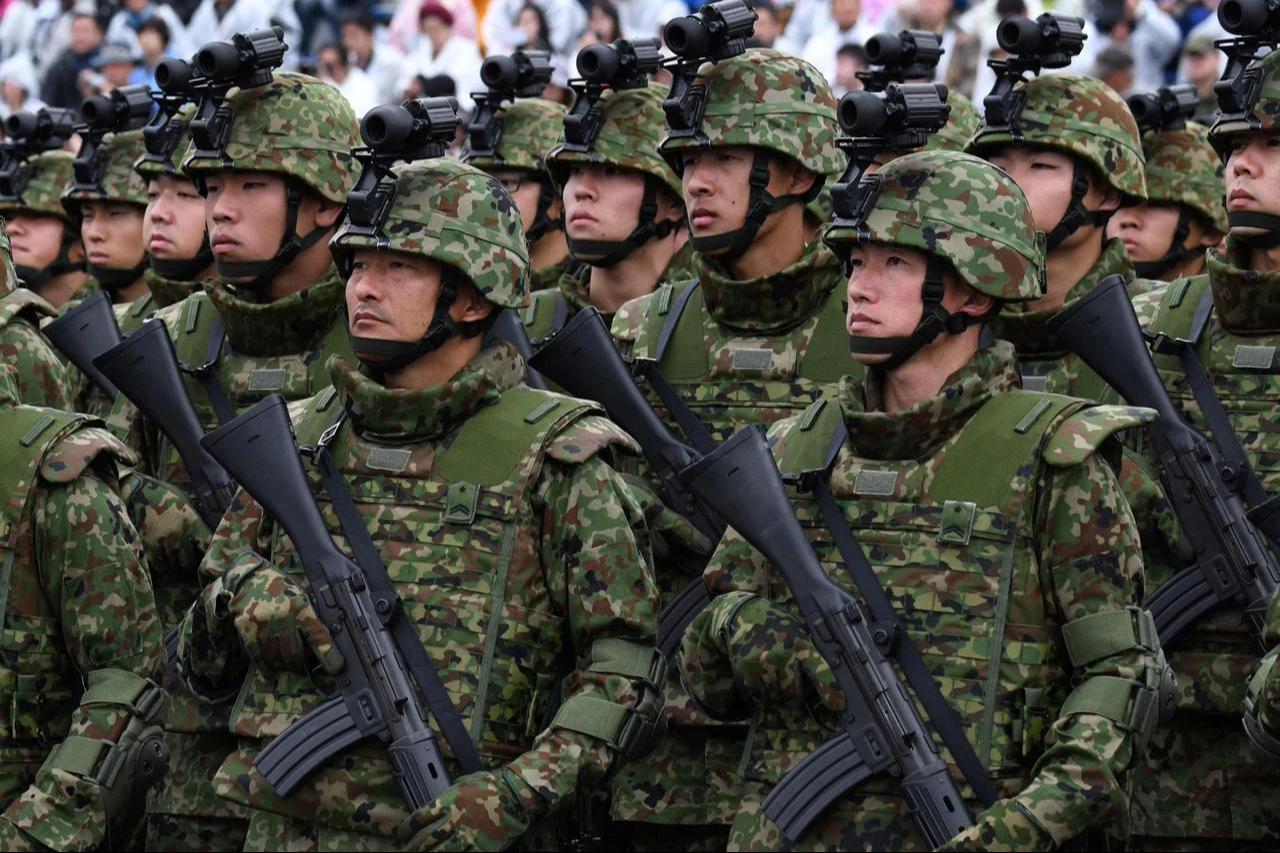

The second major change involves upgrading the Ground Self-Defense Force’s 15th Brigade in Okinawa into the 15th Division in fiscal 2026.
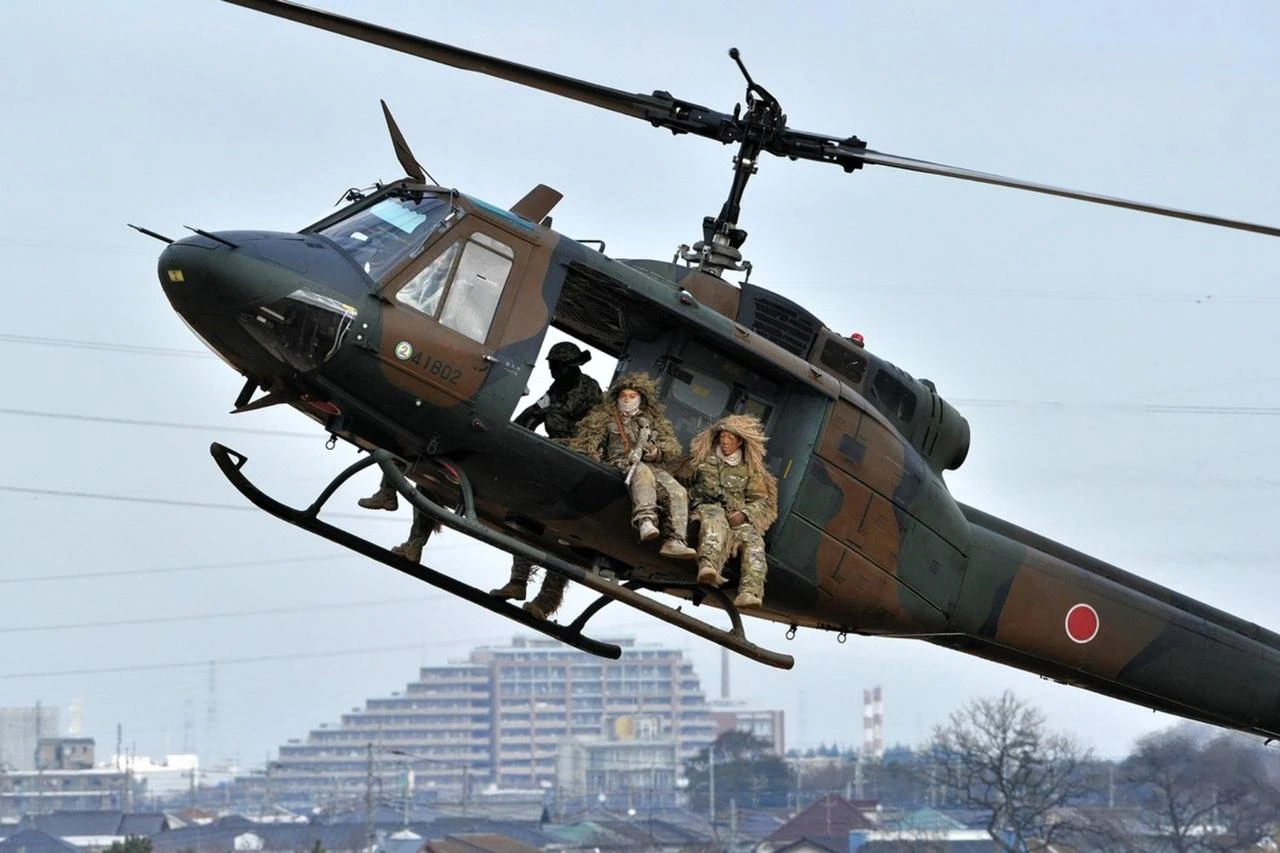
Japan currently deploys nine Ground Self-Defense Force divisions and six brigades nationwide, with the 15th Brigade headquartered in Naha, Okinawa.
Under the reorganization, an additional infantry regiment will be created, while security units stationed on Miyakojima and Ishigaki will be placed under the division’s command.
Personnel will increase from about 2,300 to roughly 3,900, strengthening Japan’s defense posture in the southwestern region, Takaichi said.
Takaichi also announced plans to increase the number of deputy defense ministers from one to two as the Defense Ministry and Self-Defense Forces face a growing number of policy responsibilities.
She said Japan needs to deepen and expand defense cooperation and exchanges with other countries, leading to a steady increase in overseas travel by the defense minister, deputy ministers and parliamentary vice ministers.
When the defense minister is abroad, another cabinet minister is designated as acting defense minister. Takaichi said an emergency or large-scale natural disaster during such a period could place a heavy burden on the acting minister, who would have to handle both roles.
The government therefore plans to strengthen political support for the defense minister by adding a second deputy defense minister.
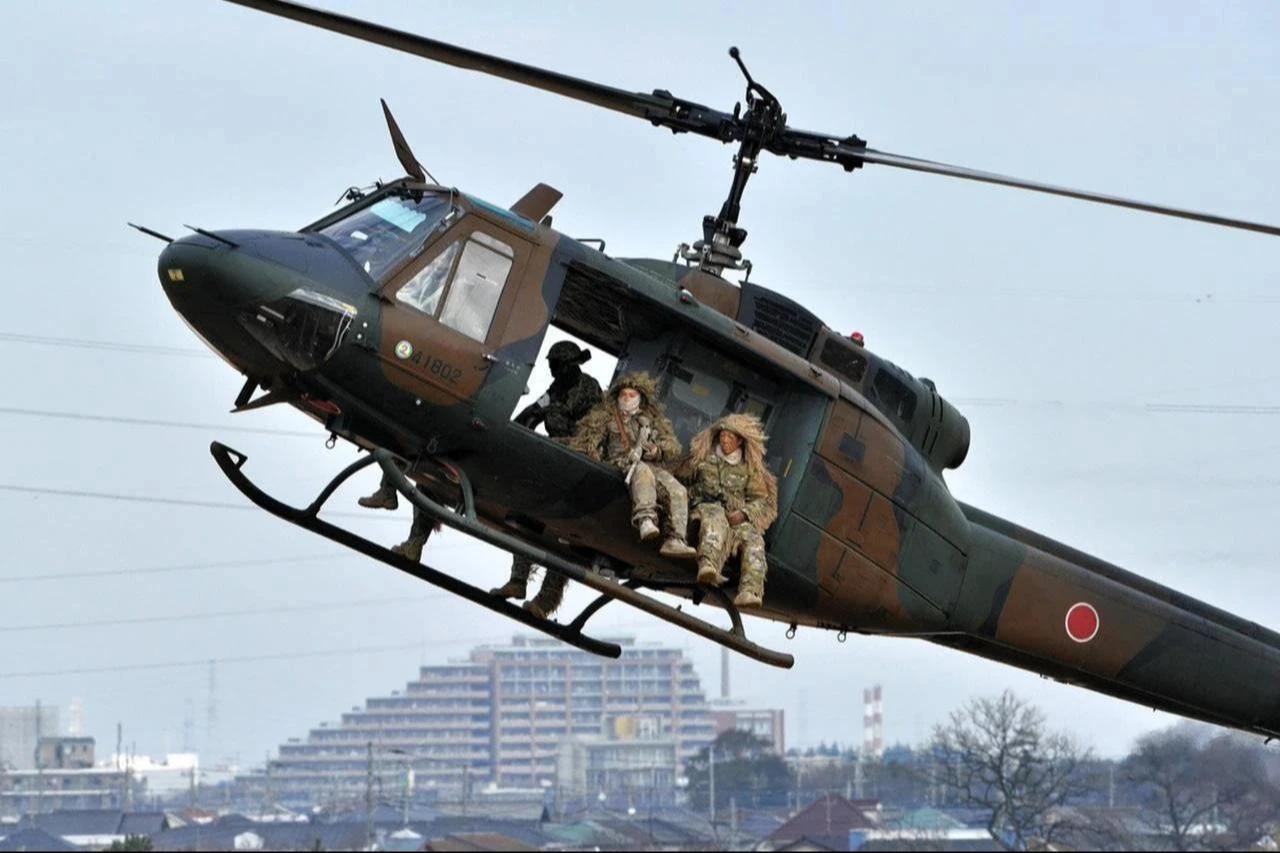
Takaichi said the measures are being carried out under Japan’s existing three key security documents: the National Security Strategy, National Defense Strategy and Defense Buildup Program.
She added that the government is working to review all three documents by the end of this year as it continues efforts to fundamentally strengthen Japan’s defense capabilities.


 Set as preferred source
 Set as preferred source


 1 min read
 1 min read