Newsletters




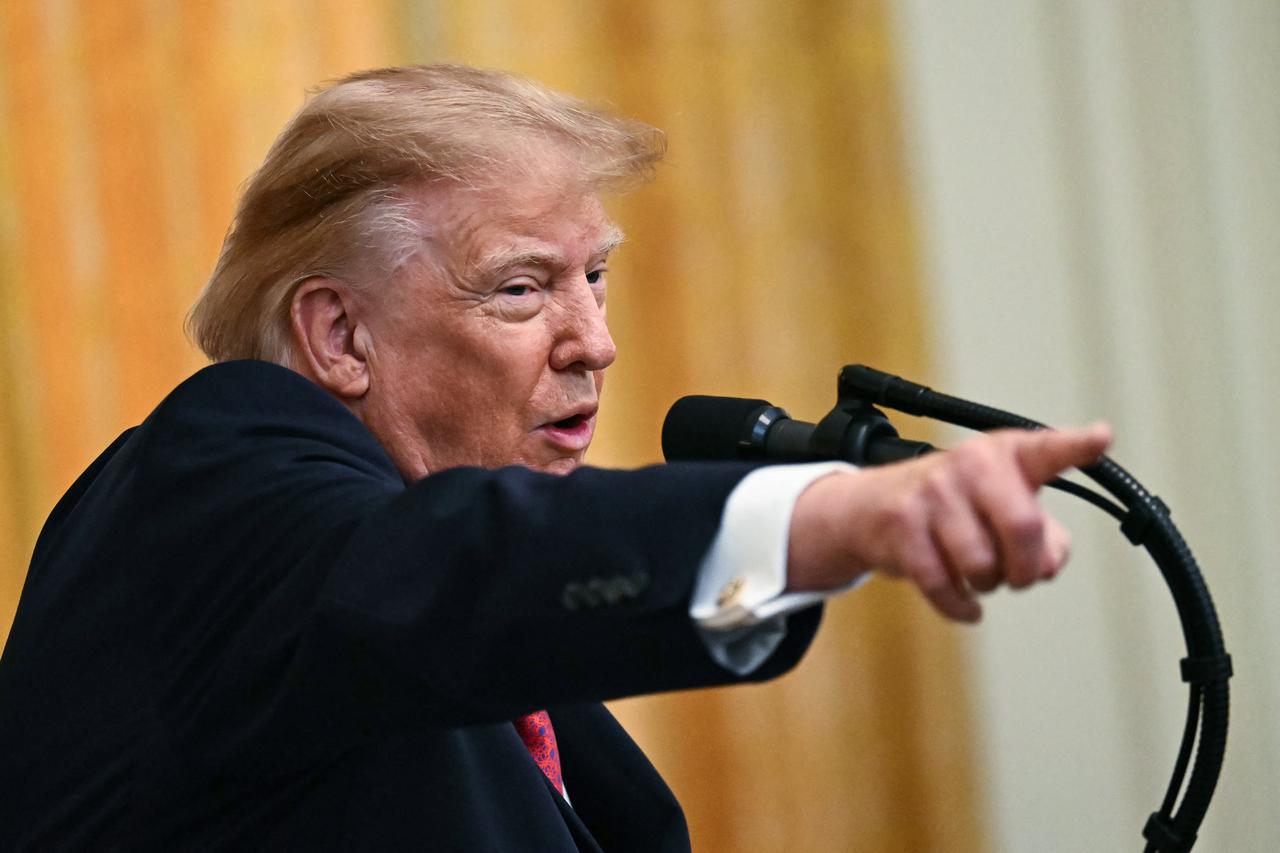
Japan on Tuesday stressed the “critical” importance of security cooperation with the U.S. and South Korea after President Donald Trump ordered joint military drills with Seoul scaled back while highlighting his relationship with North Korean leader Kim Jong Un.
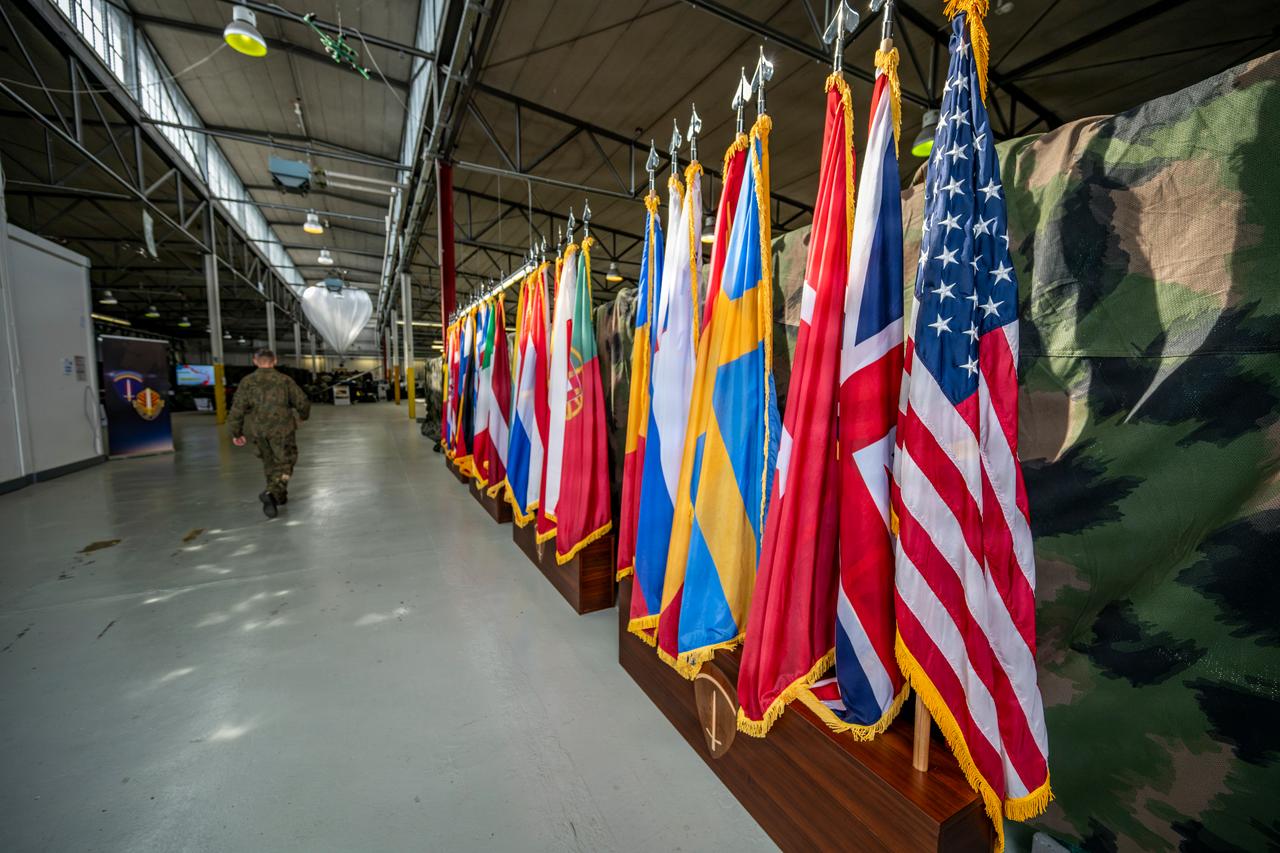
Japanese Defense Minister Shinjiro Koizumi, speaking during a visit to Australia, said that trilateral cooperation remained essential as Japan faces what he described as its most severe and complicated post-war security environment.
“As Japan faces the most severe and complicated security environment in the post-war era, the cooperation among Japan, the United States and South Korea is critical to the peace and stability of the region,” Koizumi told reporters.
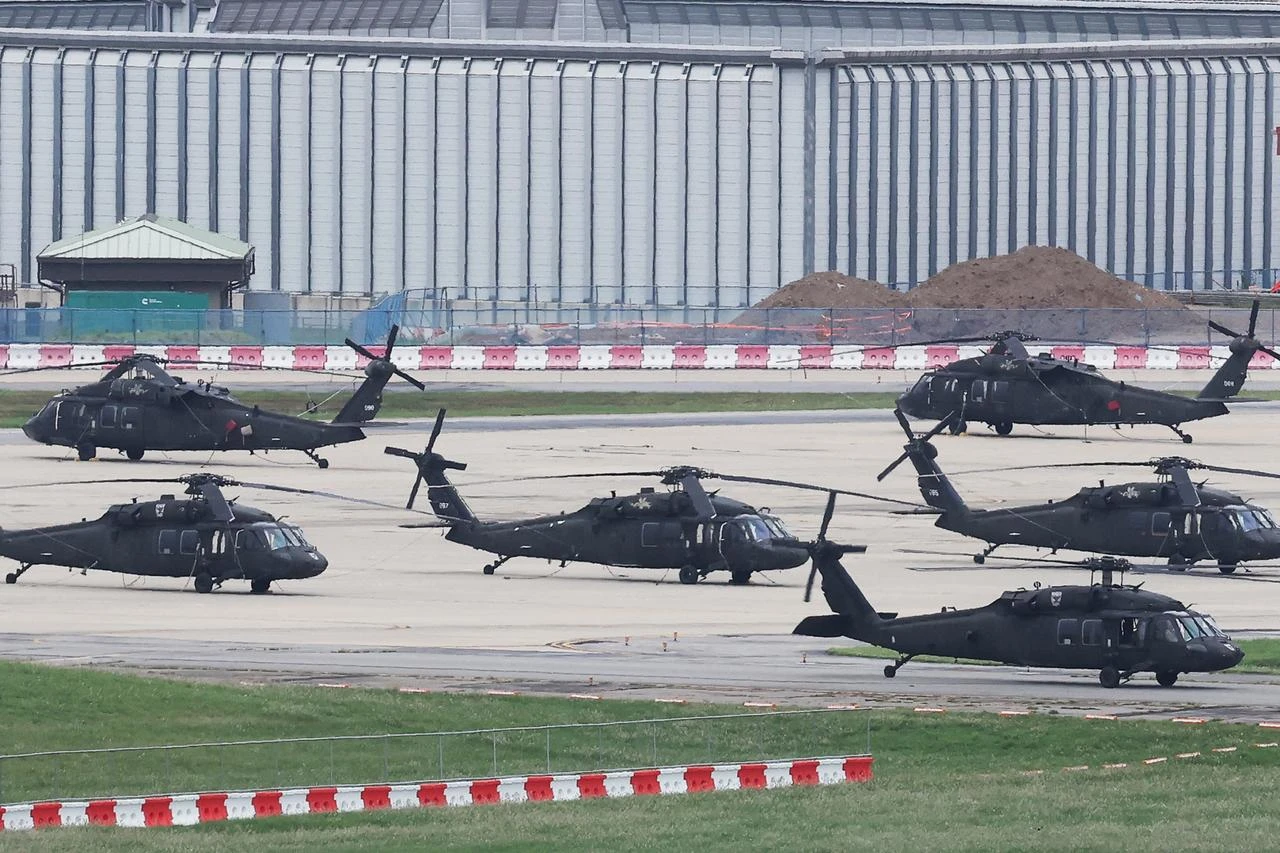
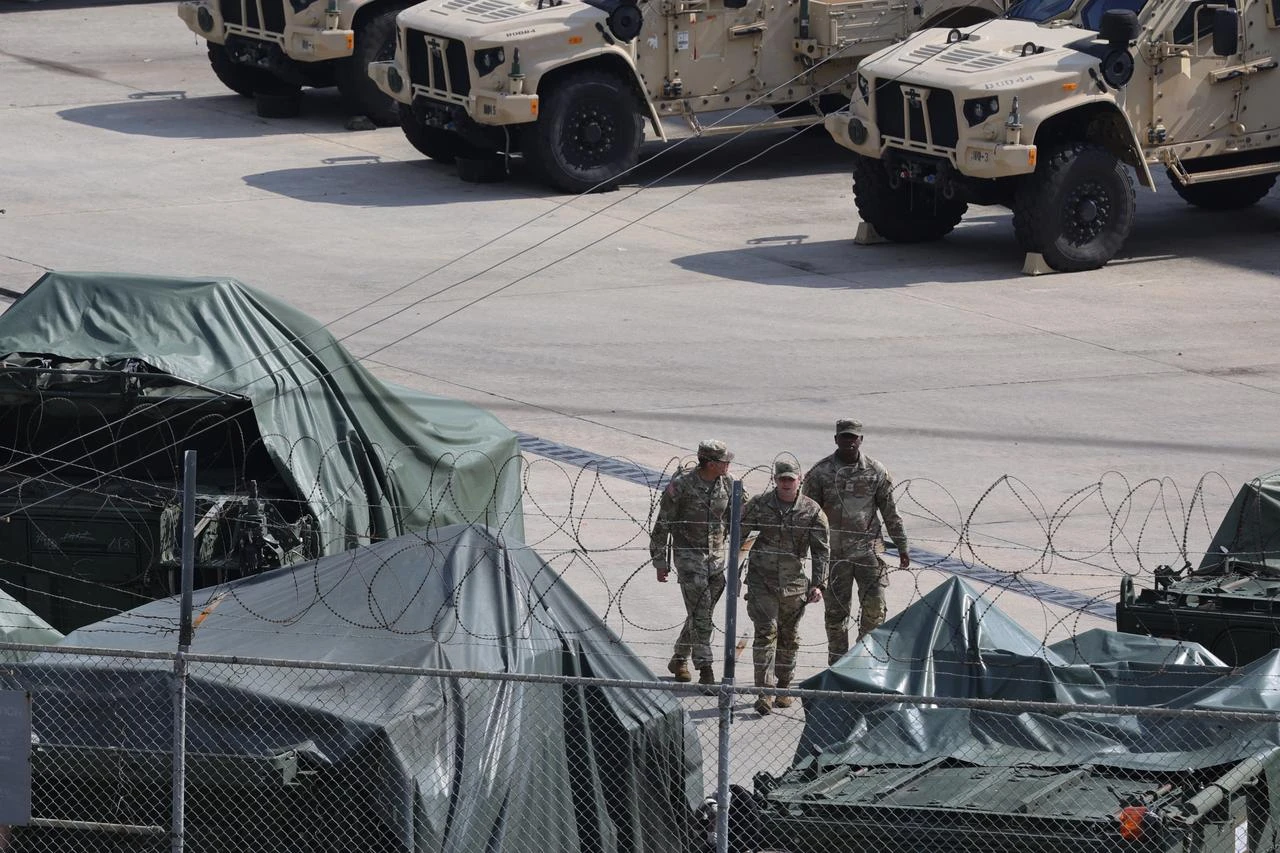
Trump announced Sunday that he had ordered the Pentagon to reduce what he called “inappropriate and hostile” joint exercises with South Korea, one day before the annual Ulchi Freedom Shield drills began.
Trump said Monday that his relationship with Kim had reduced tensions and made the situation “much safer.”
“Kim Jong Un has always treated me with great respect,” Trump said. “I understand him. He understands me.”
Trump met Kim three times during his first presidential term but has not met him since returning to the White House.
Asked Monday whether Kim had responded to his messages, Trump said, “Yeah, he has.”
He described the exchanges as “very positive” but did not provide further details.
South Korea’s Unification Ministry, which handles relations with North Korea, said it “cannot verify the specific content of the exchanges” between Washington and Pyongyang.
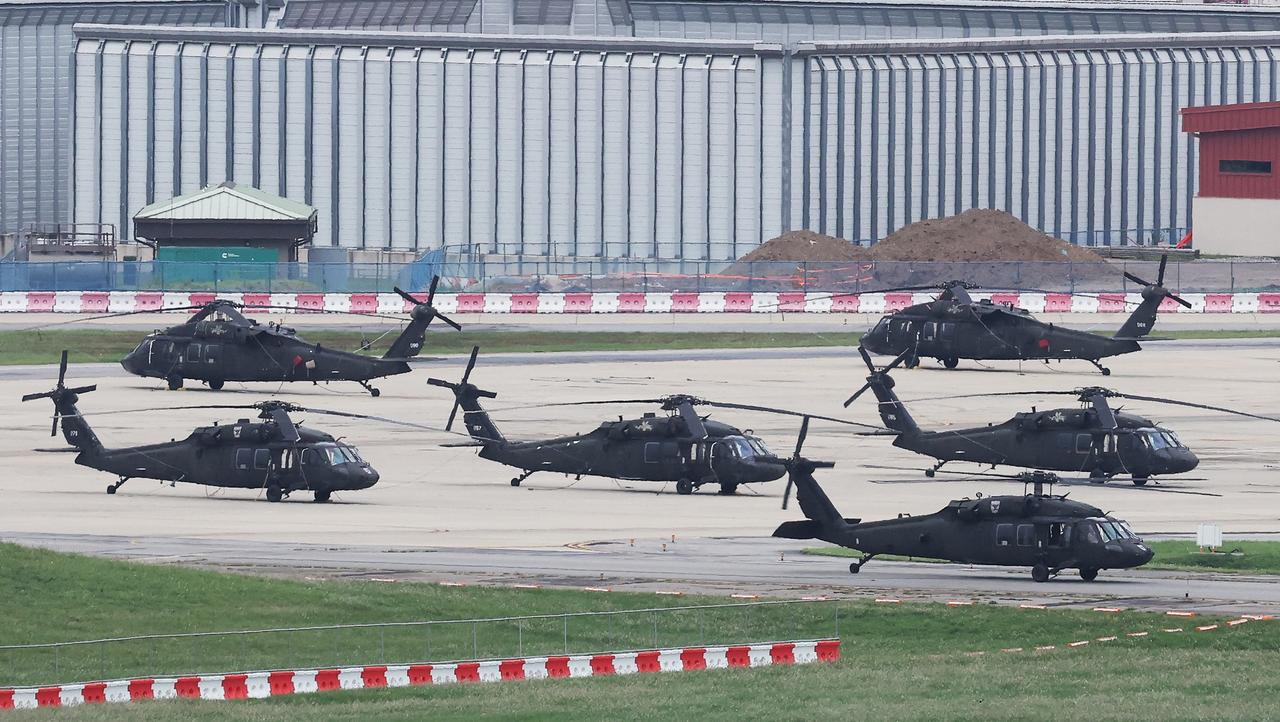

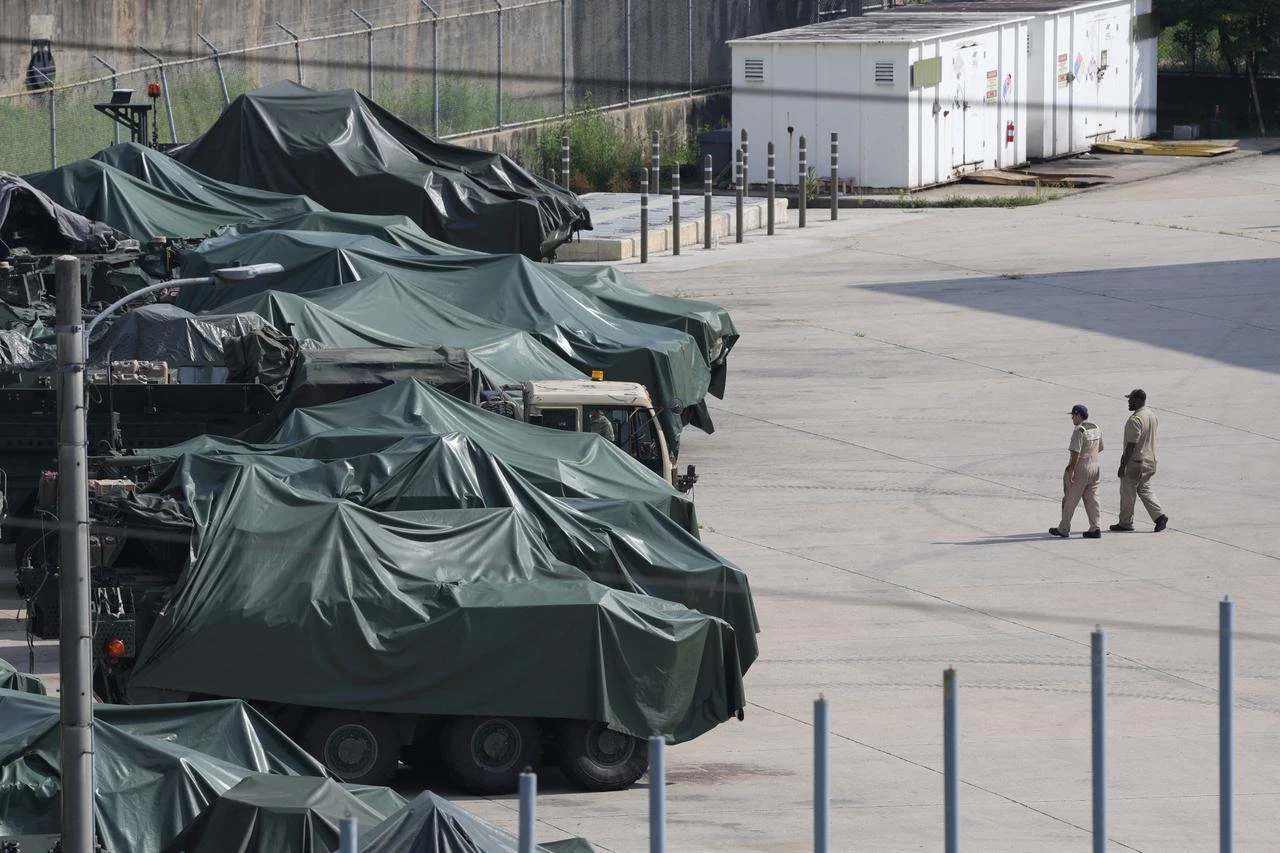
The 11-day Ulchi Freedom Shield exercises are designed to prepare U.S. and South Korean forces for a possible conflict with North Korea.
Pyongyang has repeatedly condemned the exercises as rehearsals for an invasion.
South Korean officials said the drills began as planned and expressed hope that Trump’s relationship with Kim could help restart dialogue.
Seoul’s presidential office said Tuesday that the exercises reflected no “intention to attack North Korea or escalate tensions on the Korean peninsula.”
North Korea has not publicly responded to Trump’s decision to scale back the exercises.
Australia’s Defense Minister Richard Marles, who hosted Koizumi, said Canberra remained “very concerned about North Korea’s nuclear program as well as its missile program.”
Trump also criticized South Korea on Monday for not helping Washington in its war against Iran, which he has said is aimed at preventing Tehran from obtaining a nuclear weapon.
“We have 39,000 soldiers over there, guarding you from Kim Jong Un, your next-door neighbour, and you’re not going to help us on a very easy military operation in Iran. That’s strange,” Trump said in the Oval Office.
The figure cited by Trump exceeds the official number of U.S. troops stationed in South Korea.
About 28,500 U.S. troops are based in South Korea to support the country’s defense, a deployment dating from the aftermath of the 1950-53 Korean War, which ended with an armistice rather than a peace treaty.
South Korea said Tuesday that it had taken part in consultations with the U.S. and other partners concerning freedom of navigation in the Strait of Hormuz and possible military contributions.
National security adviser Wi Sung-lac said Seoul had reviewed “practical military contributions” it could make while considering its defense readiness and domestic legal procedures.
Trump’s repeated criticism of longstanding alliances has raised questions about U.S. security commitments in East Asia.
His decision to scale back the South Korea drills came as the USS George Washington, the only U.S. aircraft carrier operating in the Pacific region, was being redeployed to the Middle East to relieve the USS Lincoln.
The Lincoln has been the subject of concerns over crew mental health and supply problems after a prolonged deployment.
U.S. partners across the region are also facing pressure to increase defense spending.
Taiwanese President Lai Ching-te pledged record defense spending for 2027 on Monday as his government faces strong U.S. pressure to spend more on security.
Taiwan has pledged to raise defense spending to 5% of gross domestic product by 2030.
China claims Taiwan as part of its territory and has threatened to use force to take control of the island.


 Set as preferred source
 Set as preferred source


 1 min read
 1 min read