Newsletters




South Korean President Lee Jae Myung on Tuesday renewed his push to regain wartime operational control of the country’s military from the U.S. during his term and called for faster progress on nuclear-powered submarines, days after U.S. President Donald Trump ordered a substantial reduction in joint military exercises with Seoul.
Lee said at a Cabinet meeting that South Korea should proceed “without wavering” with the planned transfer of wartime operational control, known as OPCON, before his term ends in 2030, Yonhap News Agency reported. The Guardian separately reported that Lee described greater military independence and the U.S.-South Korea alliance as mutually reinforcing.
“A strong alliance makes the foundation of security stronger, and strengthening our own capabilities increases our value and necessity as an ally,” Lee said.
He said the transfer had become more important as warfare increasingly shifts toward hybrid forms and the global security environment changes rapidly.
Lee also ordered officials to accelerate South Korea’s plans to acquire nuclear-powered submarines and called for progress in developing officers capable of conducting integrated operations in future conflicts.
He further called for the planned integration of South Korea’s three military academies into a single institution to proceed “without wavering.”

The issue of wartime command dates back to the 1950-53 Korean War, which ended with an armistice rather than a formal peace treaty, leaving North and South Korea technically at war.
South Korea transferred wartime operational control to the U.S.-led United Nations Command during the conflict.
The authority later came under the South Korea-U.S. Combined Forces Command in 1978. Wartime OPCON is exercised through the commander of the Combined Forces Command, a position that has always been held by a U.S. four-star general, according to The Guardian.
Seoul regained peacetime operational control of its military in 1994, but wartime command has remained under U.S. control.
Reclaiming wartime OPCON has been a South Korean security objective for more than two decades but has been repeatedly delayed under successive governments.
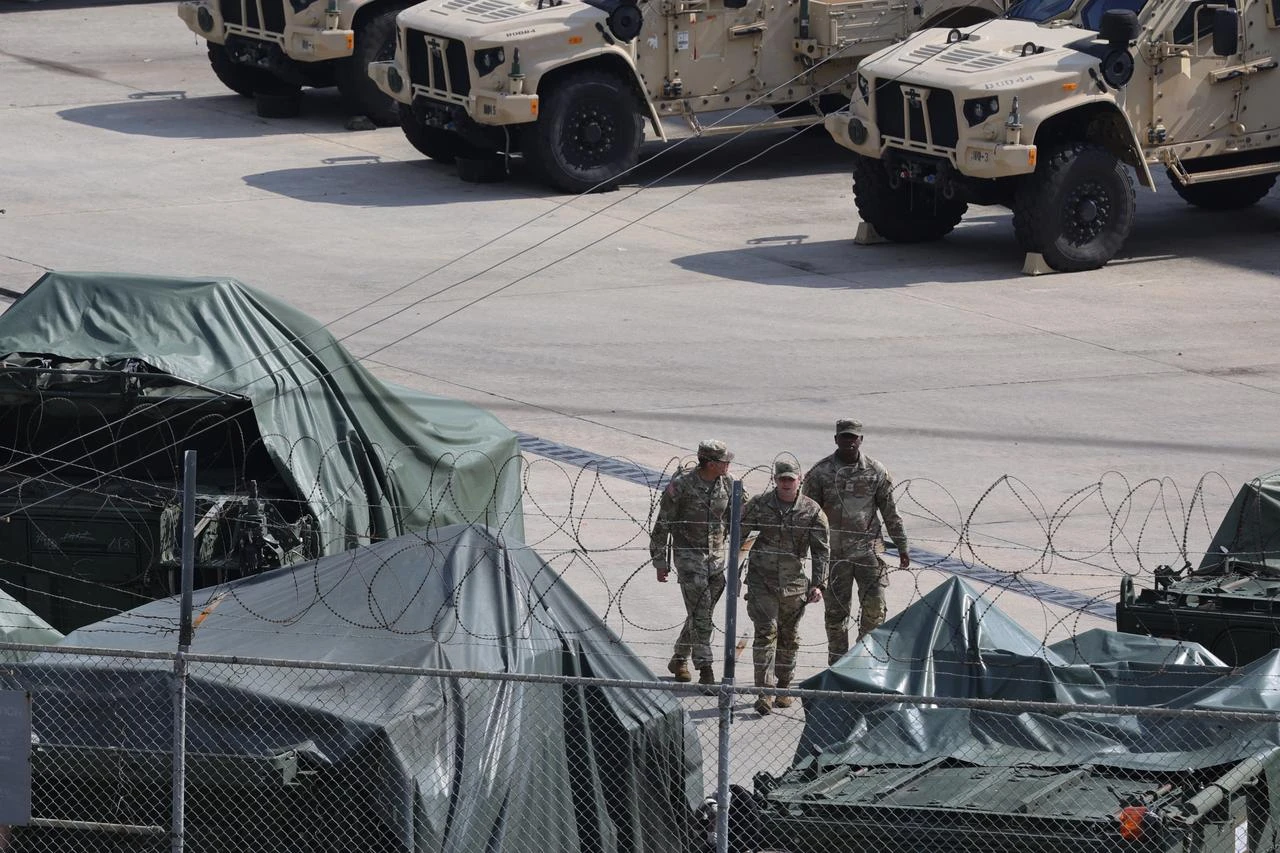
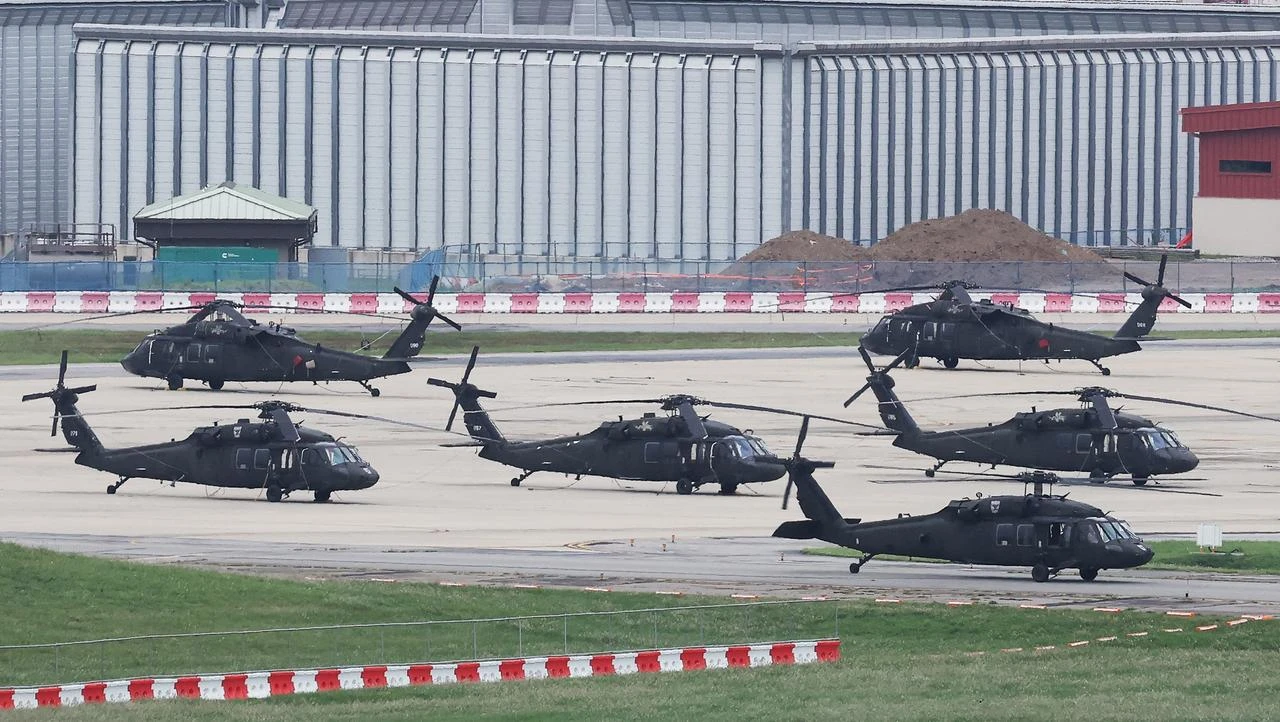
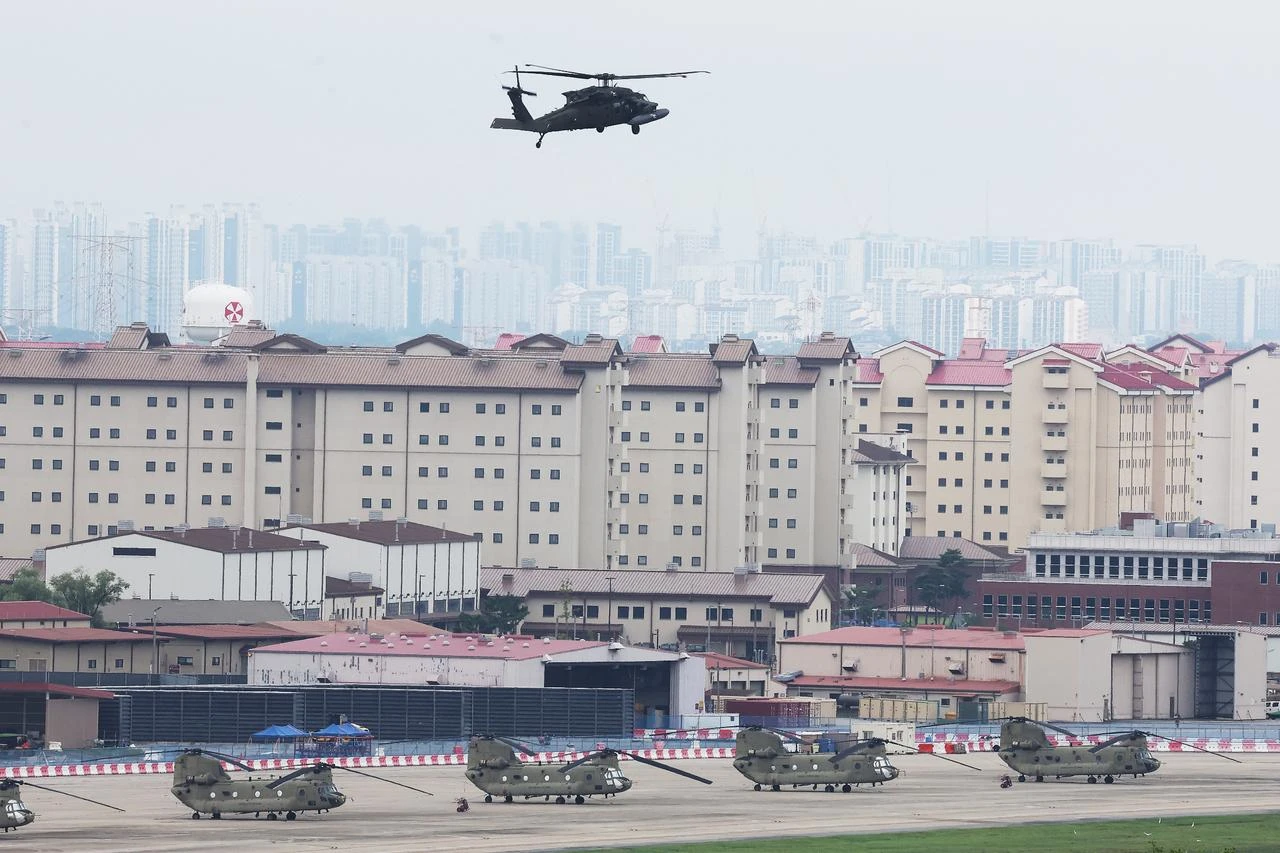
U.S. forces have remained stationed in South Korea since the Korean War, and the country hosts Camp Humphreys, described by The Guardian as the largest American military base outside the U.S.
South Korean and U.S. forces train and operate closely together, including through large annual military exercises.
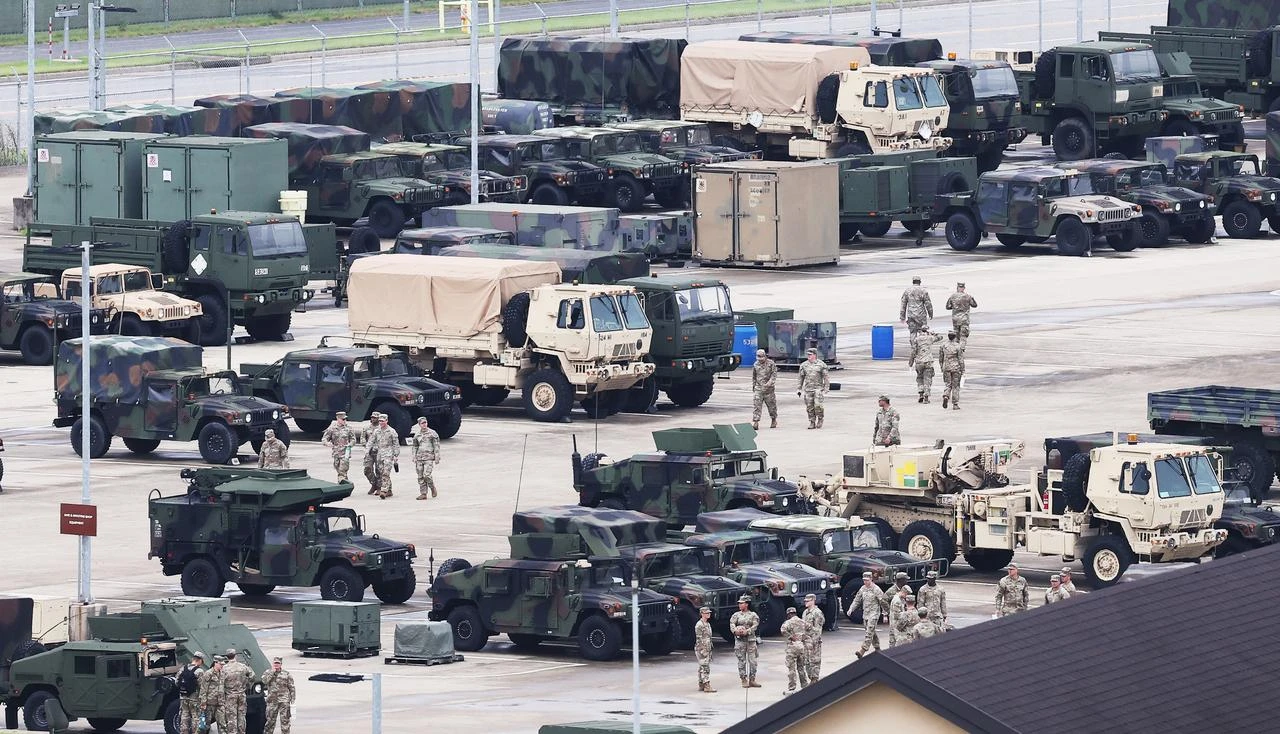
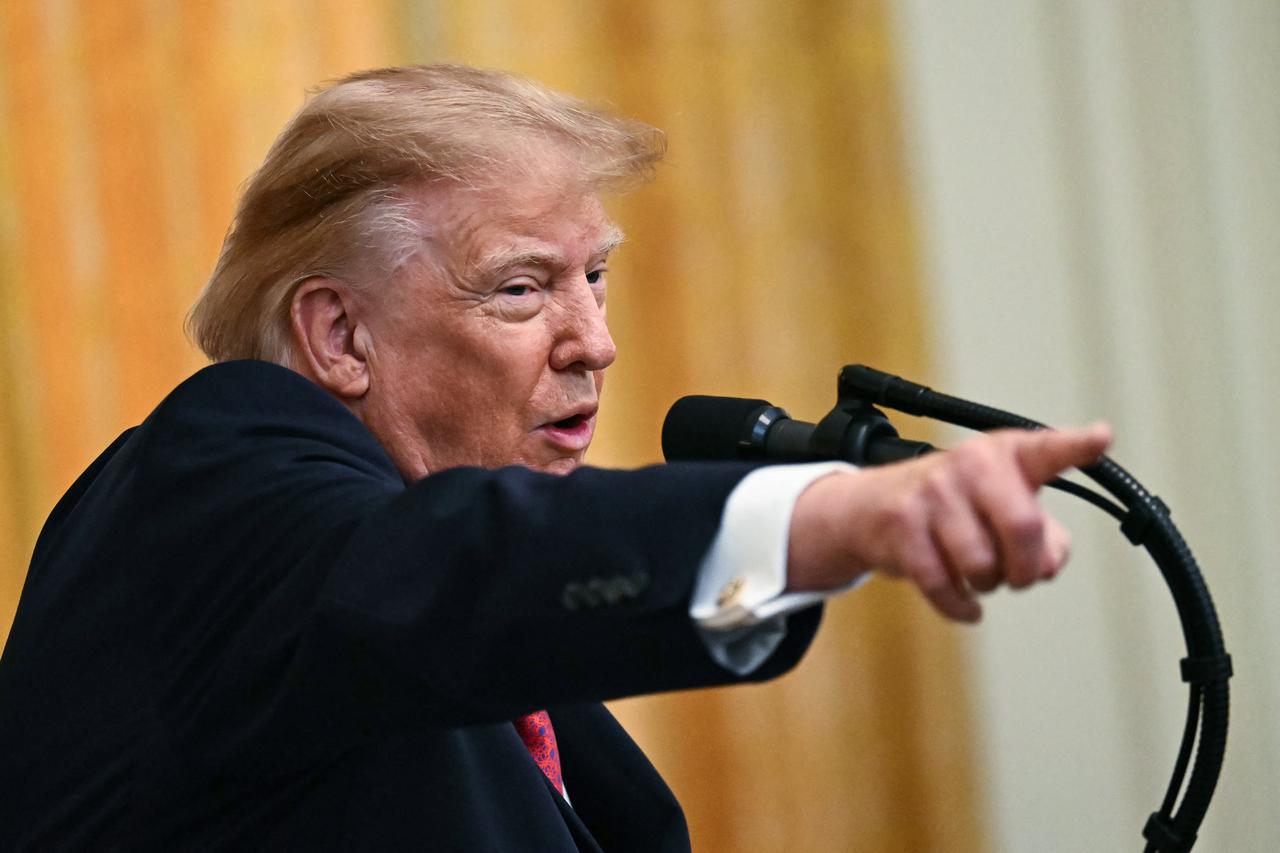
Lee’s comments came after Trump said Sunday that he had ordered Defense Secretary Pete Hegseth to “substantially reduce” the Ulchi Freedom Shield exercises.
Trump said on Truth Social that he was unhappy with U.S. participation in the drills because of their cost and his relationship with North Korean leader Kim Jong Un.
He described North Korea as “unthreatening and respectful” during his presidency and said the exercises sent an “inappropriate and hostile” signal.
Trump said it was too late to cancel the drills entirely.
The Ulchi Freedom Shield exercise began Monday. It was scheduled to run for 11 days, while The Guardian described the planned exercise period as 10 days.
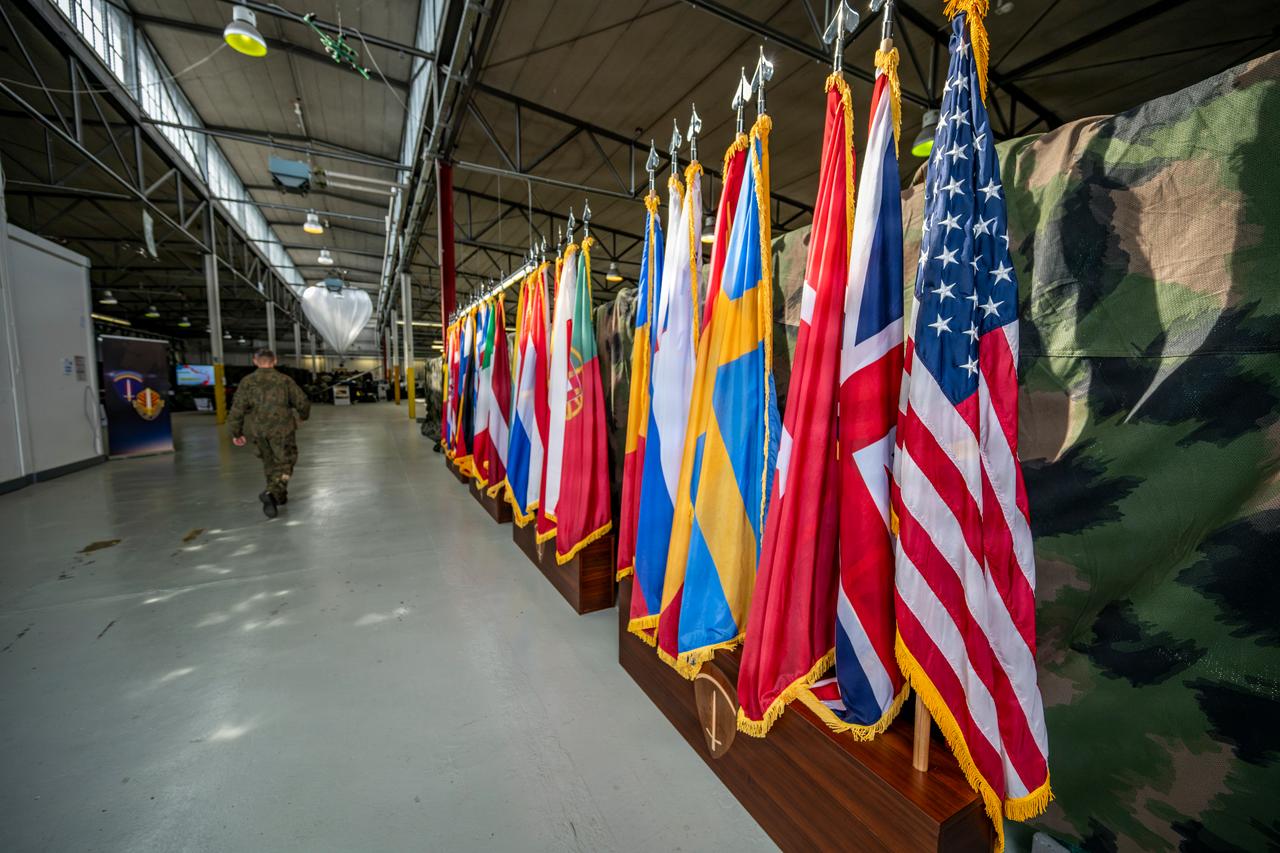
The drills were expected to involve about 18,000 South Korean troops, U.S. forces and personnel from 11 of the 18 member states of the United Nations Command, the multinational body overseeing the 1953 armistice.
The exercises had also been intended to help assess South Korea’s readiness for the eventual transfer of wartime operational control, according to The Guardian.
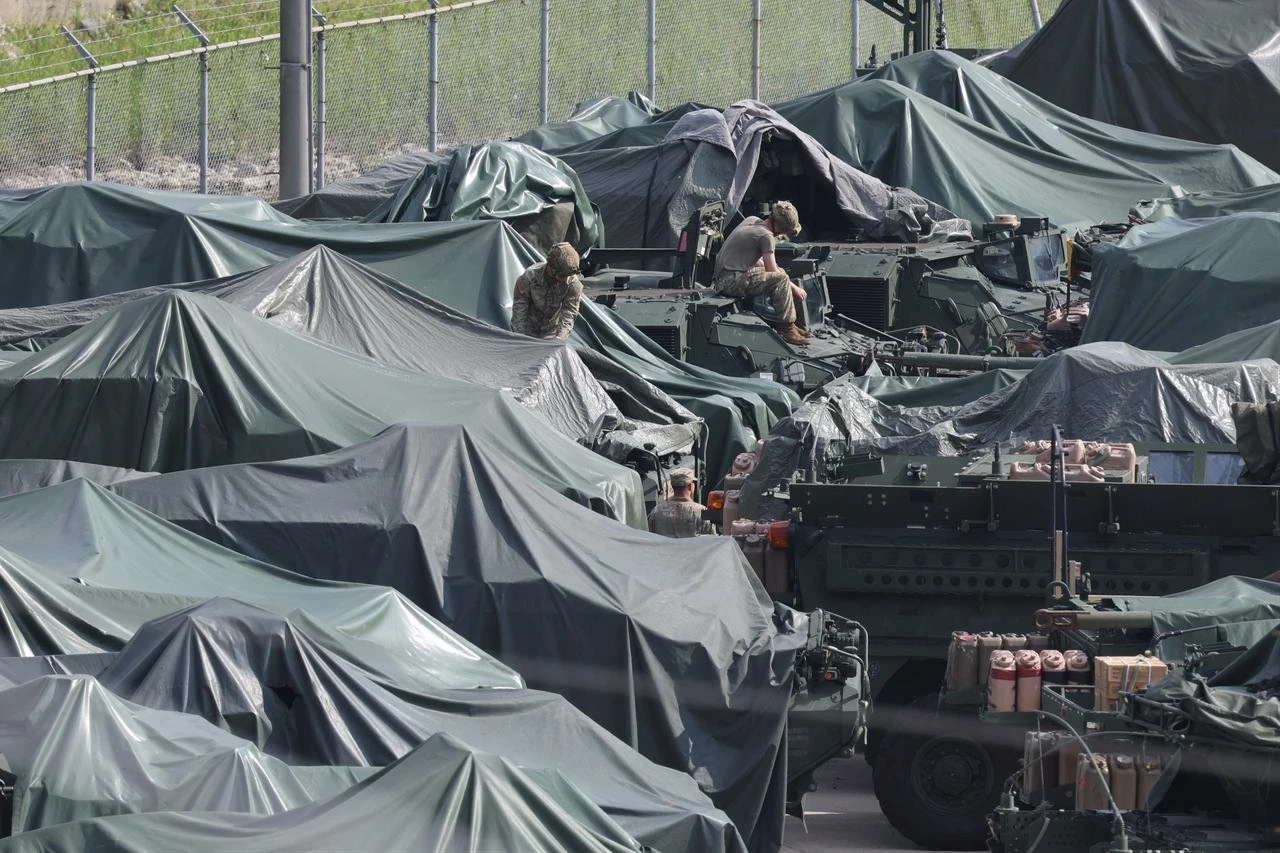
Speaking to reporters in the Oval Office on Monday, Trump said Kim had responded to his decision to scale back the drills but did not provide details.
Asked about the status of discussions with Kim, Trump said, “It’s very positive.”
Trump also again praised his relationship with the North Korean leader.
“You see, I’m actually making it much safer. Kim Jong-un has always treated me with great respect,” Trump said. “I understand him. He understands me.”
Trump has previously suspended or reduced major U.S.-South Korean exercises while pursuing diplomacy with Kim.
After their first summit in 2018, the Ulchi Freedom Guardian exercise scheduled for that year was canceled, while other drills were suspended or scaled back. The exercises were later redesigned and resumed in modified form under different names.
Trump last met Kim in person in 2019.
The decision to reduce the exercises came despite warnings from U.S. and South Korean military officials that North Korea has gained new battlefield experience through its military cooperation with Russia.
North Korea has deepened military ties with Moscow since the two countries signed a comprehensive strategic partnership agreement in June 2024.
Pyongyang has provided troops, artillery ammunition and ballistic missiles to support Russia’s war against Ukraine.
Col. Ryan Donald, public affairs director for the U.S.-led commands in South Korea, said last week that North Korean forces had taken battlefield lessons from the war in Ukraine back home.
“They’ve taken those lessons they learned there and brought them back to North Korea, that changes the DPRK capability,” Donald said.
“Our training accounts for that threat; that is why the exercise looks different (from previous exercises), and over the last five years it’s continually evolved.”
Military officials said this year’s Ulchi Freedom Shield exercise would incorporate lessons from North Korea’s battlefield experience, including the use of drones.
Earlier reports also said the drills would place greater emphasis on drone warfare, GPS disruption and cyberattacks.
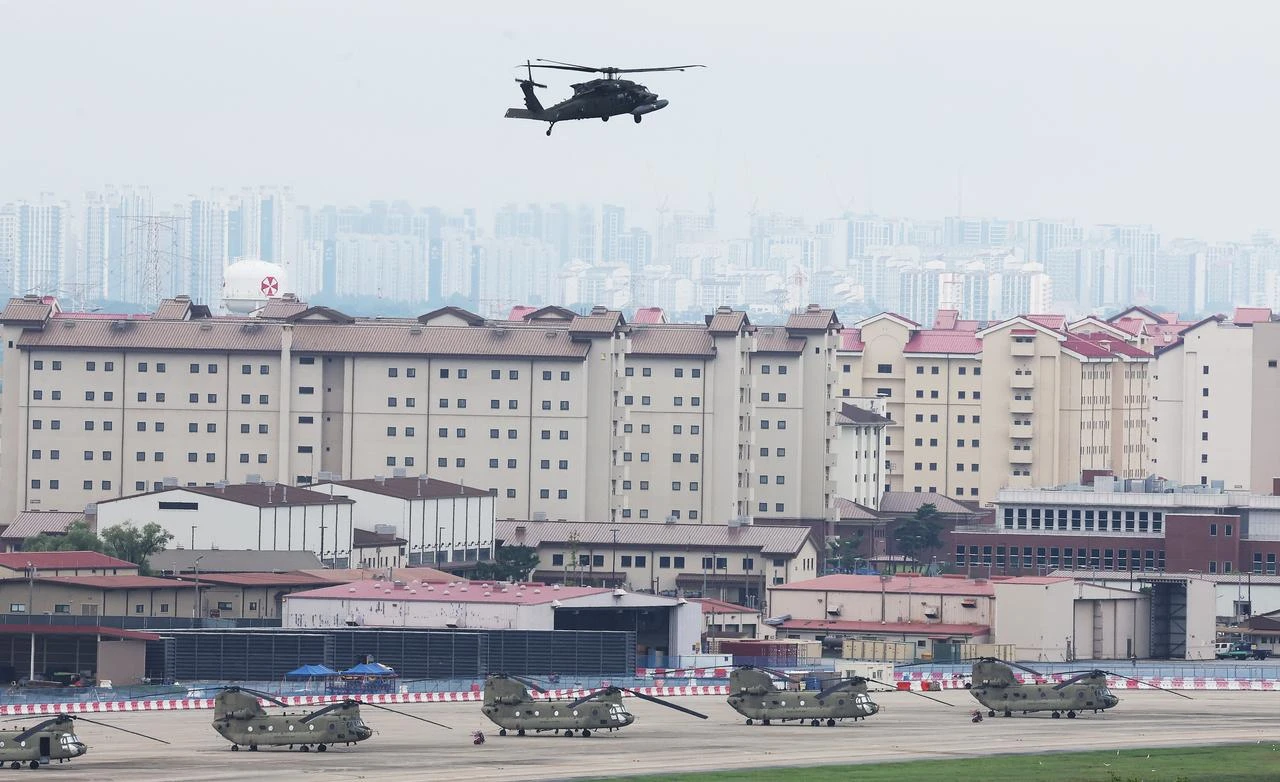
South Korea’s presidential office said Tuesday that the drills did not reflect “any intention to attack North Korea or escalate tensions on the Korean peninsula.”
Lee’s office said the fundamental purpose of the exercises was “not to treat a specific entity as an adversary, but to safeguard the safe and peaceful daily lives of the people.”
The South Korean government has also expressed hope that Trump’s relationship with Kim could lead to renewed dialogue.
Lee, who took office in June 2025, has repeatedly offered talks with Pyongyang without preconditions, but North Korea has not responded.
Lee said strengthening South Korea’s independent defense capabilities should not weaken its alliance with Washington, arguing that a stronger South Korea would become more valuable as a U.S. ally.


 Set as preferred source
 Set as preferred source


 1 min read
 1 min read