Newsletters


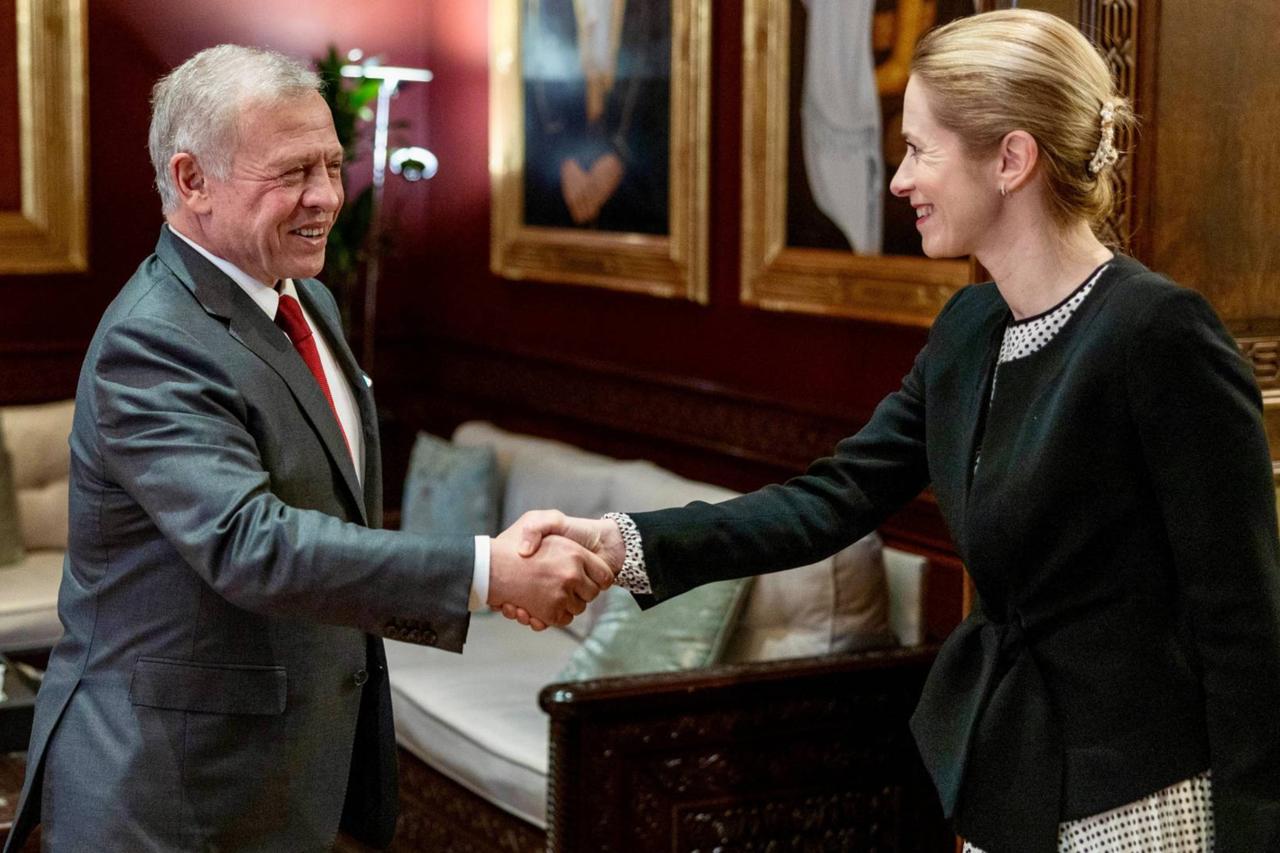


Jordan's King Abdullah II and European Union foreign policy chief Kaja Kallas committed to expanding bilateral cooperation during talks in Amman on Sunday, with both sides focusing on economic opportunities and the escalating crises in Gaza and Syria.
The meeting centered on strengthening ties under the Jordan-EU strategic partnership framework, with particular attention to economic collaboration ahead of a major summit next month, according to a royal court statement.
 1 min read
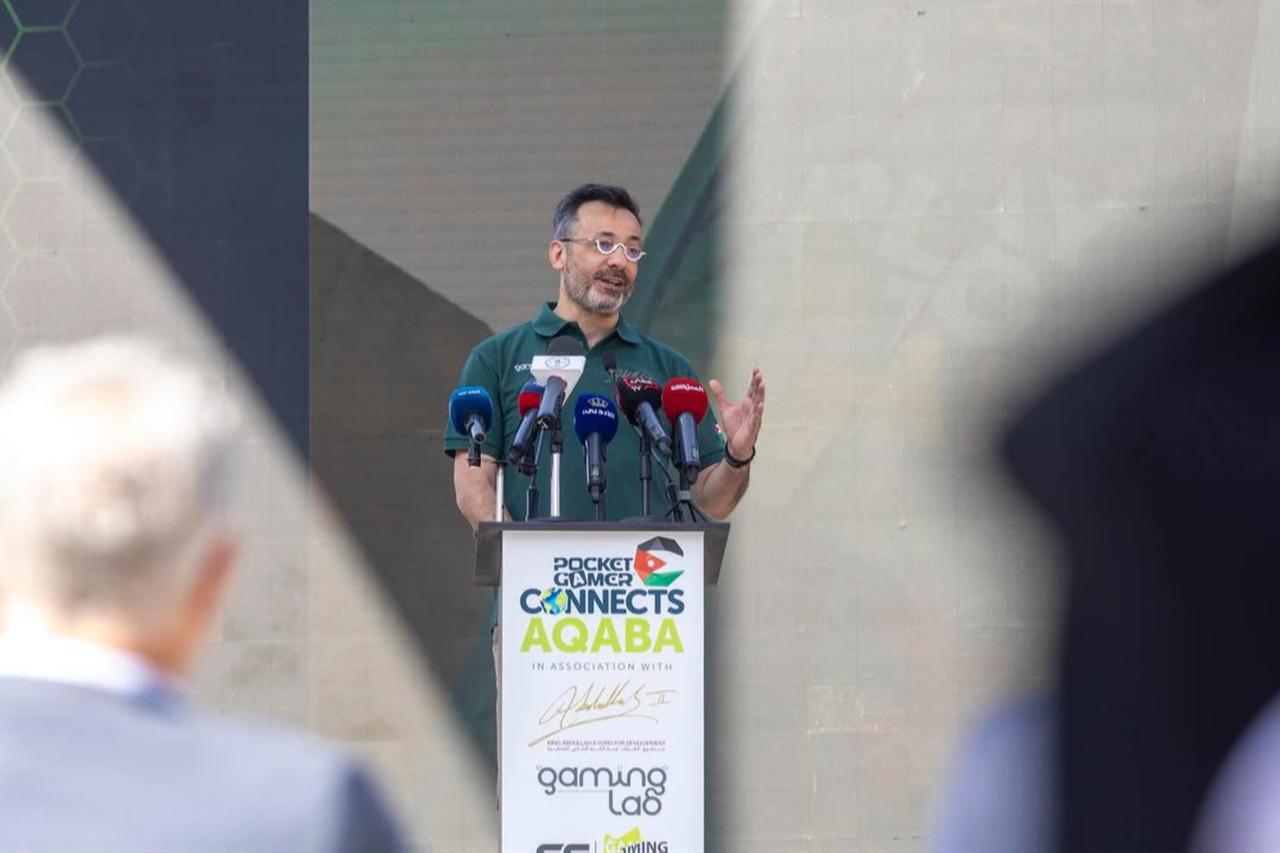
Both leaders emphasized building on commercial ties through the Jordan-EU Summit, scheduled for Jan. 8 in Amman. The gathering will bring together King Abdullah, European Council President Antonio Costa, and European Commission President Ursula von der Leyen. Officials are also planning a joint economic forum in 2025 that will convene investors from both regions to explore business opportunities.
Kallas underscored the importance of the EU's relationship with Jordan and highlighted the kingdom's "pivotal role in the region," the statement said. The royal court did not specify when Kallas arrived in Jordan or the duration of her visit.
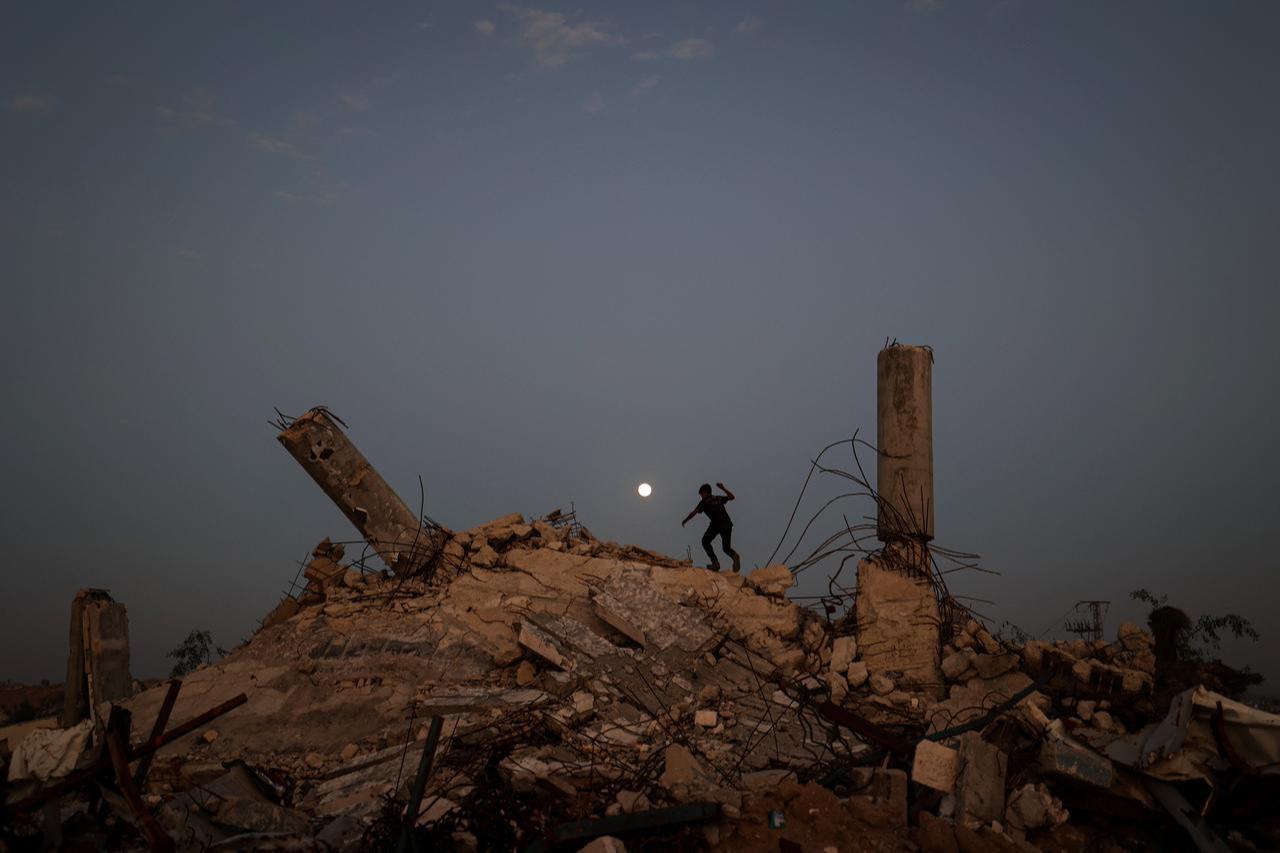

The discussions addressed mounting regional instability, with both sides calling for a comprehensive calm and respect for state sovereignty across the Middle East. King Abdullah and Kallas reaffirmed their support for a two-state solution as the only viable path to resolving the Palestinian-Israeli conflict, a position long backed by international consensus that envisions independent Israeli and Palestinian states.
The Jordanian monarch pressed for full implementation of the Gaza ceasefire agreement, stressing the need to ensure humanitarian aid reaches the territory and halt Israeli actions against Palestinians in the occupied West Bank. A ceasefire brokered by Türkiye, Egypt, and Qatar with U.S. backing took effect Oct. 10, ending a two-year Israeli military campaign that Palestinian authorities say has killed more than 70,000 people, predominantly women and children, and wounded over 171,000 since October 2023.
Palestinian officials have reported daily ceasefire violations by Israel, claiming more than 370 deaths and approximately 1,000 injuries since the truce began.
In a separate meeting with Jordanian Foreign Minister Ayman Safadi, Kallas discussed preparations for next month's summit and developments in Syria. Safadi reiterated Jordan's support for Syria based on principles that preserve its unity, security, sovereignty, and territorial integrity, according to the Foreign Ministry.
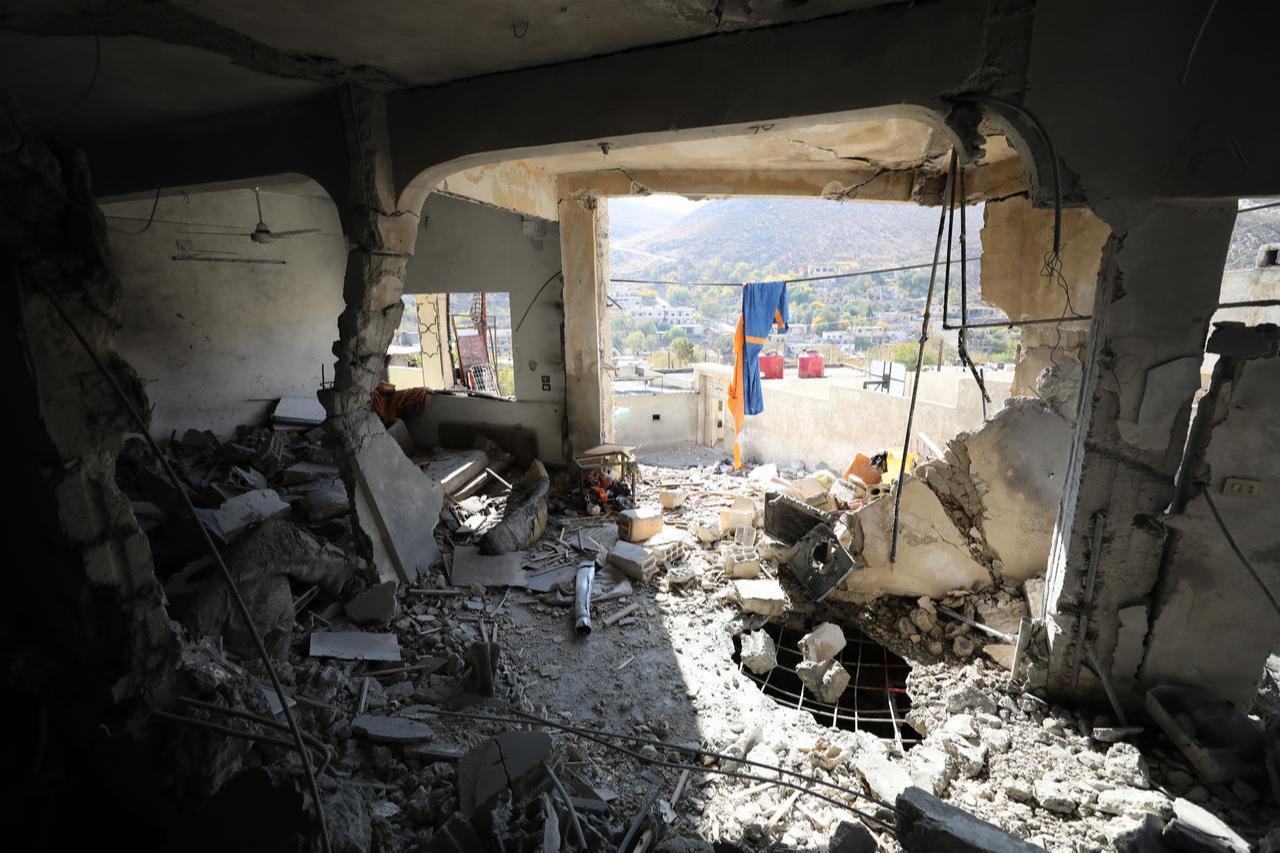
The foreign minister condemned ongoing Israeli strikes on Syria and Israel's occupation of Syrian territory as violations of the UN Charter and Arab sovereignty. Following the collapse of Bashar al-Assad's regime last year, Israel expanded its presence in the Syrian Golan Heights by seizing the demilitarized buffer zone, breaching a 1974 disengagement agreement between the two countries.


 Set as preferred source
 Set as preferred source


 1 min read