Newsletters




North Korean leader Kim Jong Un oversaw tests of upgraded artillery and missile systems as South Korea said it would accelerate the deployment of a domestically developed long-range suicide drone system, according to state media and officials.
North Korea's state news agency KCNA reported on Friday that Kim supervised Thursday's tests of "major weapons," including an upgraded multiple rocket launcher, a tactical ballistic missile warhead and extended-range artillery shells.
The tests came as South Korean Defense Minister Ahn Gyu-back said Seoul would speed up the fielding of the K-Lucas, a long-range loitering munition, as part of a broader effort to strengthen unmanned warfare capabilities.
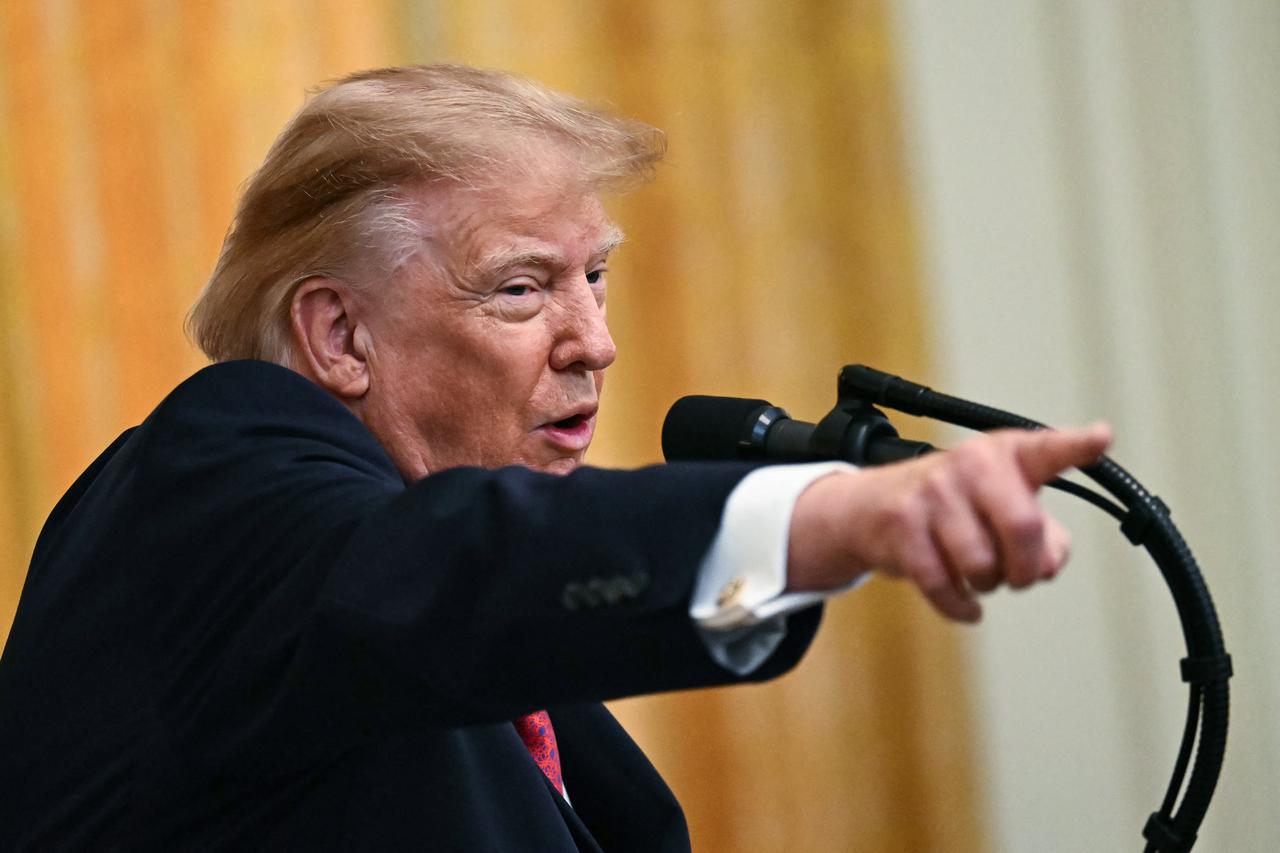
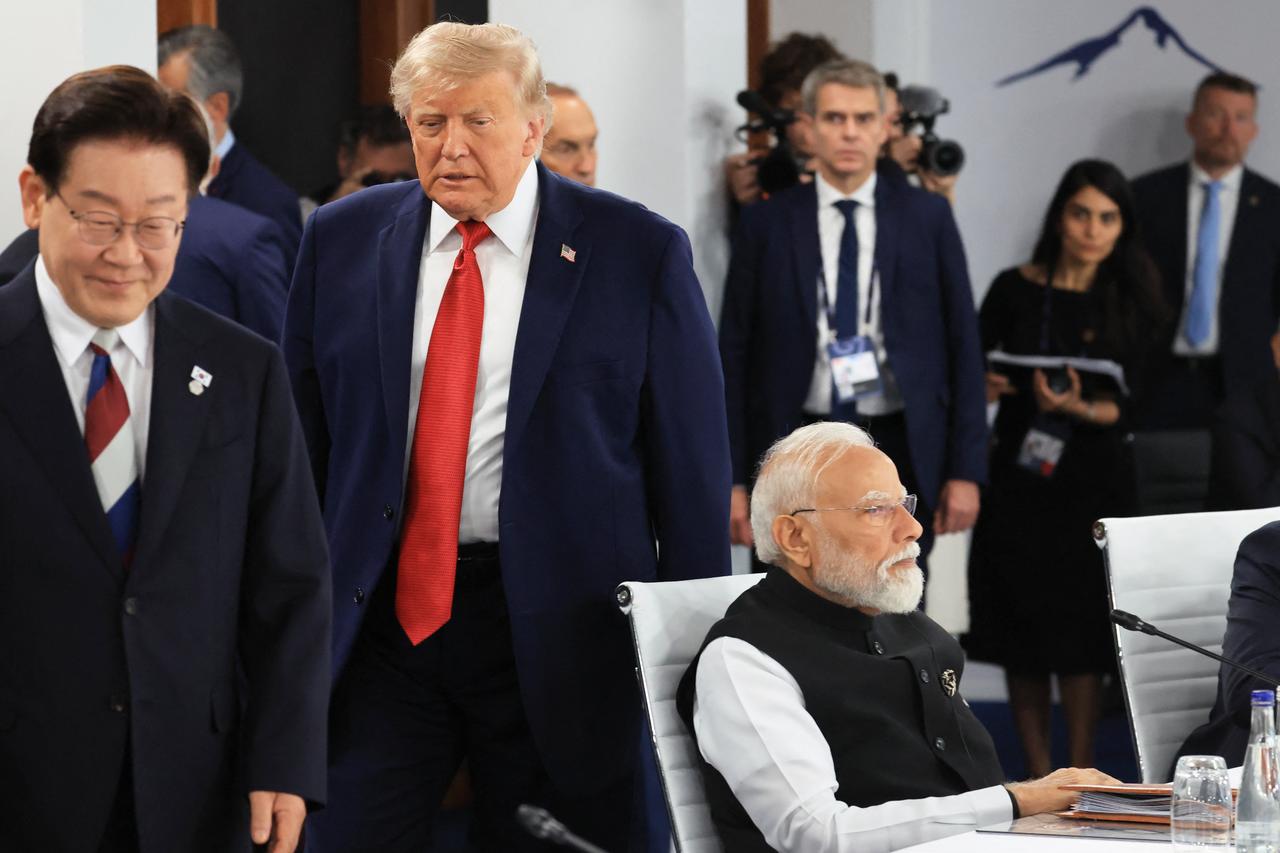
Pyongyang has made several defense-related declarations in recent days after South Korean President Lee Jae Myung discussed the situation of the Korean Peninsula with U.S. President Donald Trump at the G7 summit in France.
Trump told Lee it was time to "pay attention to the North Korea issue," Lee said after returning home.
KCNA said the exercises were carried out as part of a five-year national defense modernization plan.
The tests assessed the combat performance of an upgraded 240mm-caliber 24-tube multiple rocket launcher system, a tactical ballistic missile equipped with a special mission warhead, and 155mm self-propelled howitzer shells with an extended firing range.
KCNA said the tests "analyzed and evaluated the combat characteristics of the upgraded 240mm-calibre 24-tubular multiple rocket launcher system, the power of special mission warhead of tactical ballistic missile, and the hit accuracy of shells with an extended firing range of the 155mm self-propelled gun-howitzer."
The upgraded multiple rocket launcher now has a firing range of 90 kilometers, or 56 miles, and features an automated fire-control system with self-guided precision technology.
That range is enough to reach parts of the Seoul metropolitan area from positions near the inter-Korean border.
KCNA also said the new artillery shells have an effective range of 65 kilometers.
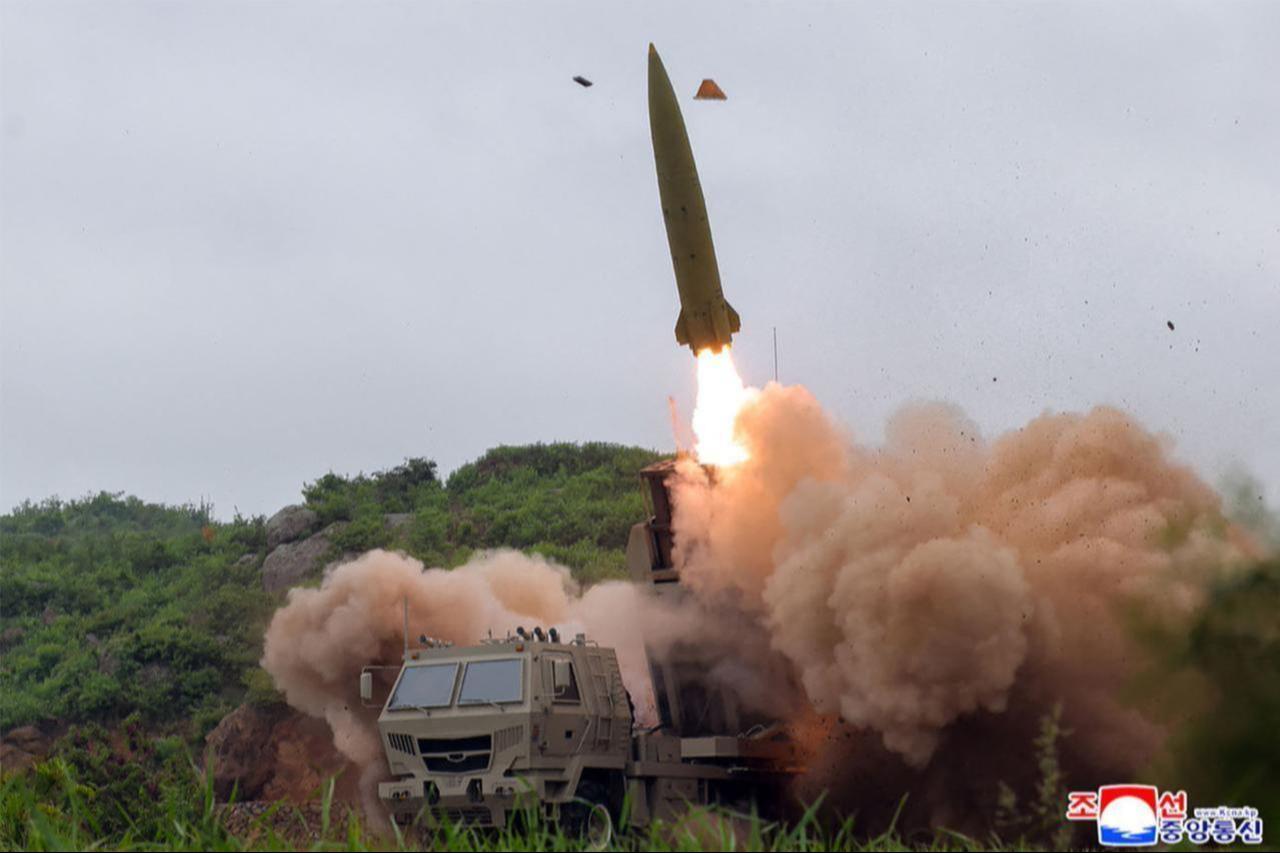

KCNA said the tactical missile's special mission warhead is designed to strike strategic targets, including airfields, ports and power facilities.
The warhead "is aimed at inflicting fatal damage on major targets including airfields, ports and power facilities of the enemy," KCNA said.
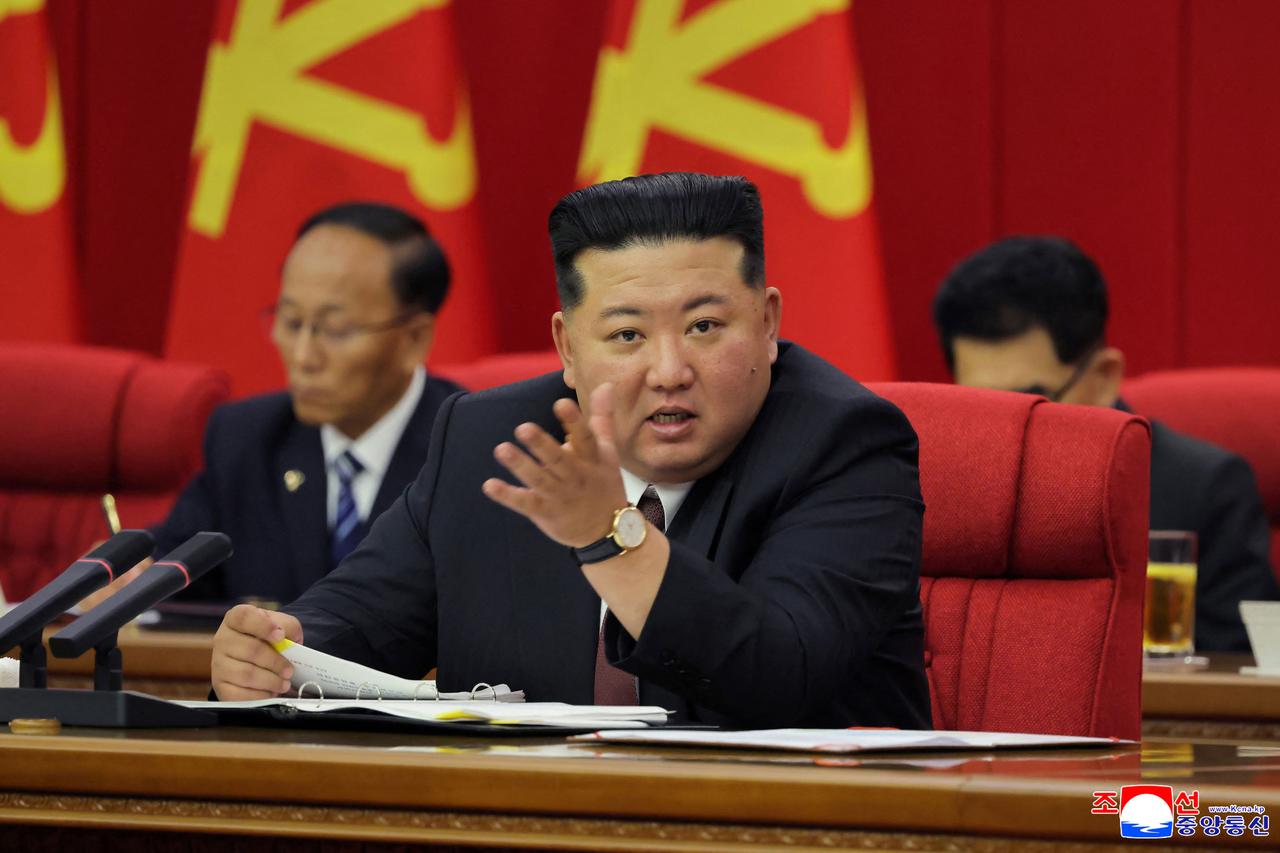
Kim expressed satisfaction with the results and said the tests demonstrated progress in boosting firepower along the southern border through greater automation, longer range and higher precision.
He pointed to the need for "national defense development" to ensure that "no enemy dares to confront" North Korea.
Kim said the current international situation makes strengthening defense capabilities an essential national priority.
"The present international situation, in which sovereignty can be defended and existence guaranteed only by having a complete upper hand in strength, makes it unnecessary to add any rhetoric to explain why the bolstering up of the defense capabilities is the first indispensable national strategic priority," Kim was quoted as saying.
Kim also reiterated that Pyongyang's policy aims not only to strengthen defensive capabilities but also to build "a deadly and destructive offensive posture" to deter potential adversaries.
"We would make the enemies recognize that the long-range strike means of our armed forces have been replaced with upgraded ones in the shortest possible time," Kim said.
Analyst Yang Moo-jin, a former president of the University of North Korean Studies, told AFP that the details provided by Pyongyang amounted to "a show of force against the South Korean capital region."
Yang cited the 90-kilometer range of the multiple rocket launchers, the 65-kilometer range of the howitzers and the identification of targets such as airfields, ports and power plants.
"Notably, it has revealed its strategic intent by framing the provocation of public anxiety and fear through routine displays of military might as a form of war deterrence," Yang said.
North Korea remains technically at war with South Korea.
The diplomatically isolated country is under multiple sets of sanctions over its nuclear program, which its leaders have vowed to pursue as a deterrent to the United States and South Korea.
North Korea is also subject to multiple United Nations sanctions banning its nuclear weapons development and use of ballistic missile technology, restrictions it has repeatedly flouted.
This month, Kim vowed to strengthen North Korea's defense capabilities, citing military modernization efforts by South Korea and the United States that he said were pushing the region "to the brink of a nuclear war."
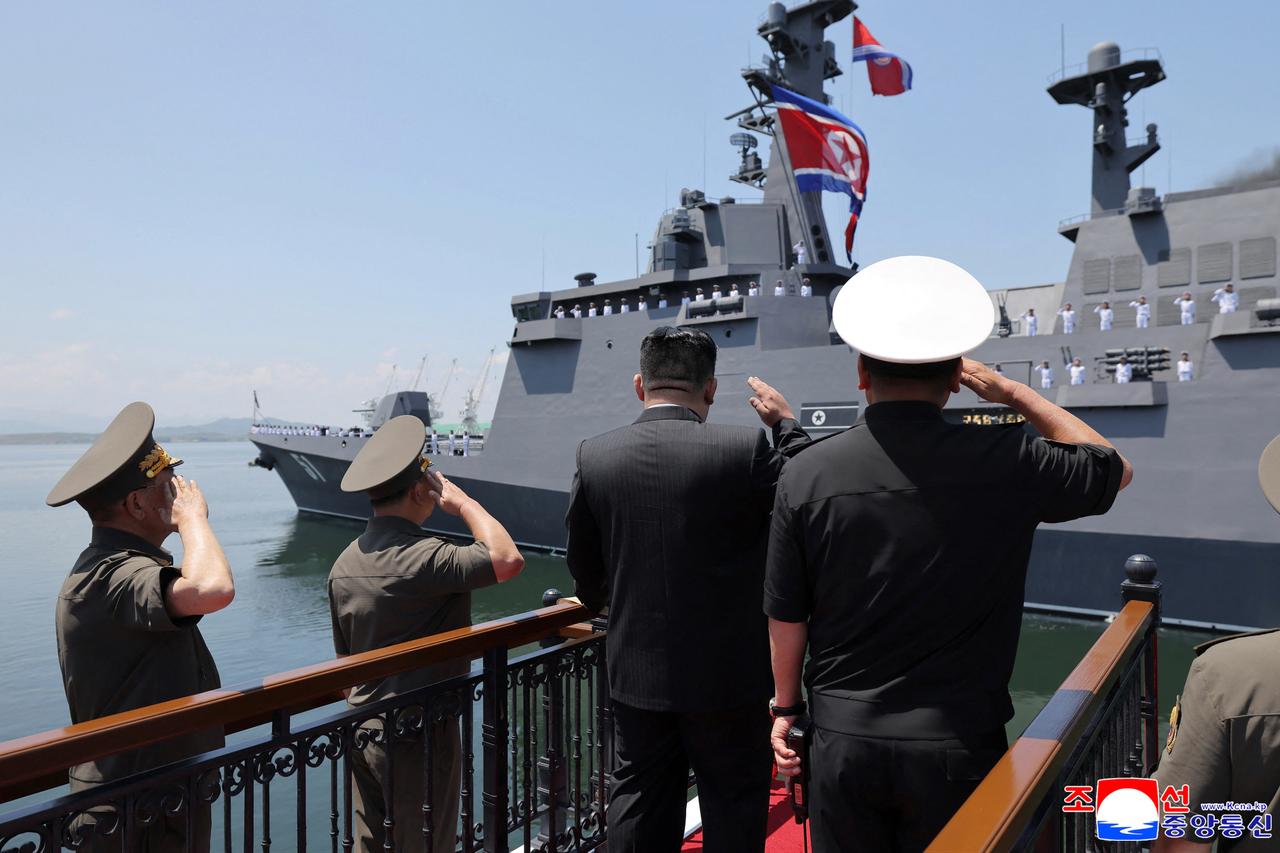
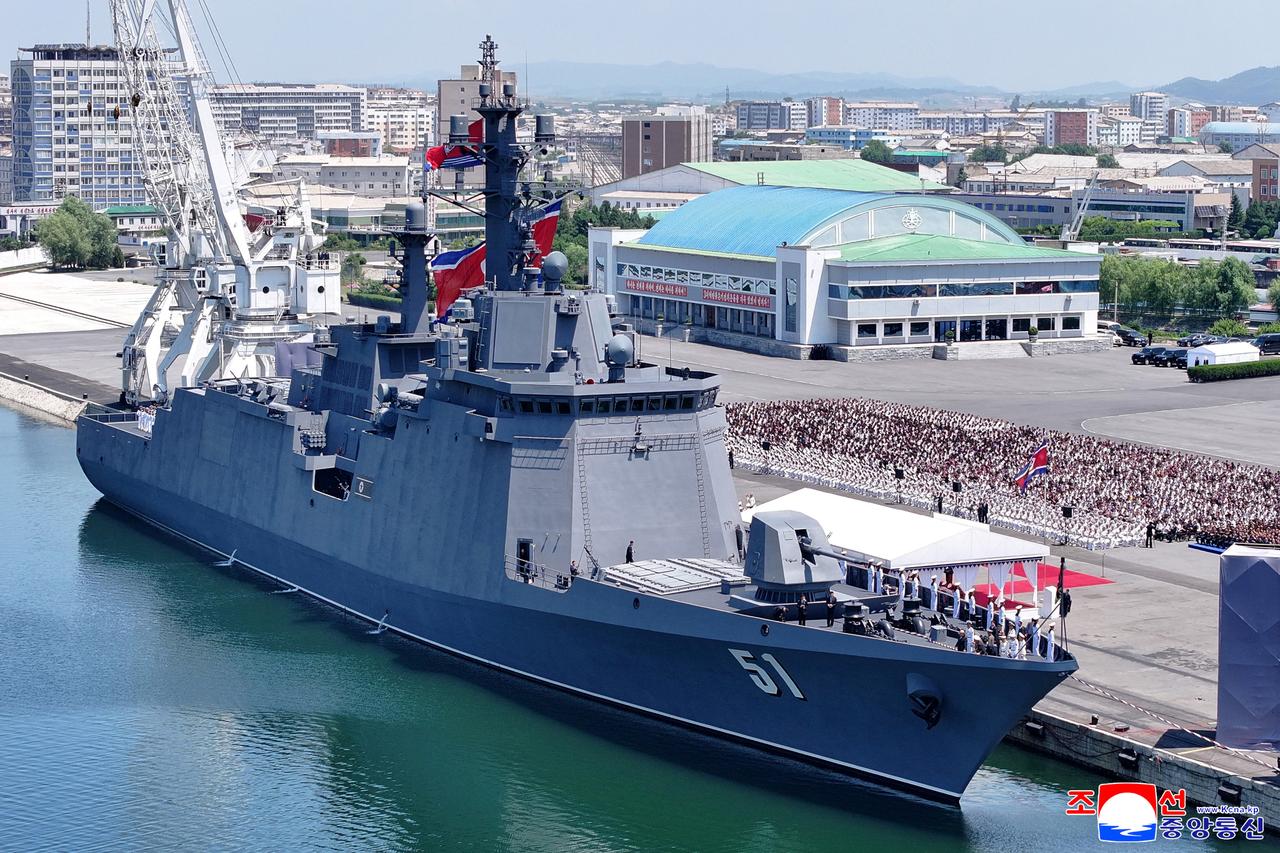
Days later, Kim said North Korea would equip its navy with nuclear weapons and build larger warships.
South Korea will accelerate the deployment of its domestically developed long-range suicide drone system as part of a broader effort to strengthen its unmanned warfare capabilities, Defense Minister Ahn Gyu-back said Friday.
Speaking at a press briefing, Ahn said modern warfare had been transformed by the widespread use of low-cost drones, while North Korea continued to expand its own unmanned aerial capabilities.
He said Pyongyang's drone capabilities posed growing risks to military forces, critical infrastructure and civilian facilities, according to Yonhap News.
"We will accelerate the fielding of the Korean-style long-range loitering munition, the K-Lucas, which can be strategically utilized in modern warfare," Ahn said.
The K-Lucas is a long-range loitering munition, or suicide drone, designed to hover over a target before striking and destroying itself on impact.
The system is reported to have been reverse-engineered from Iran's Shahed-136 drone, which has been widely used in recent conflicts.
South Korea plans to acquire more than 20,000 low-cost drones, including reconnaissance and loitering munitions, by 2030.
Seoul also plans to develop next-generation technologies such as artificial intelligence-powered drone swarms.
Ahn reaffirmed the goal of training 500,000 "drone warriors," aiming to ensure all service members can operate drones.
The announcements from both Koreas came as Pyongyang continued to highlight advances in artillery, missile and naval capabilities, while Seoul moved to strengthen its drone-based military capacity.


 Set as preferred source
 Set as preferred source


 2 min read
 1 min read