Newsletters


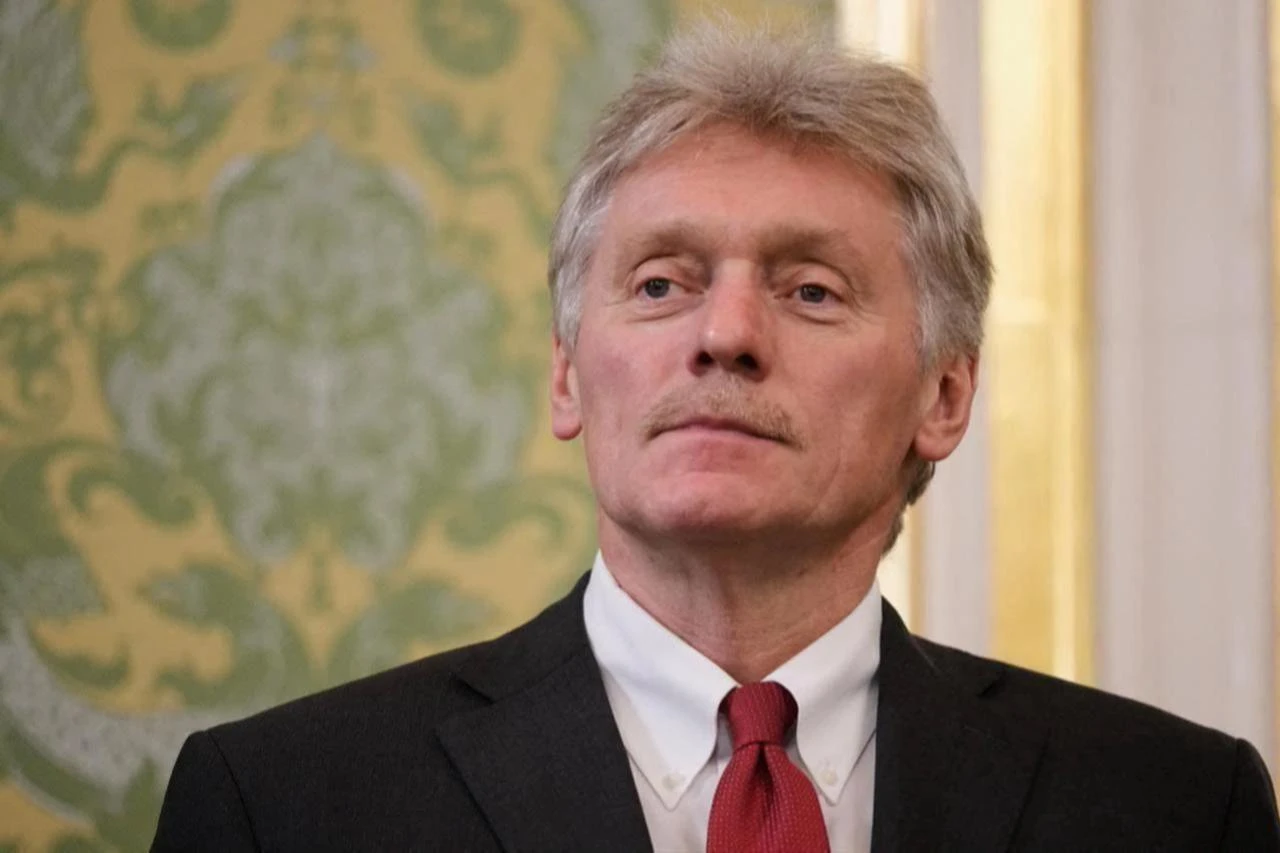


The Kremlin on Saturday dismissed a proposal by Kazakhstani President Kassym-Jomart Tokayev to freeze the war in Ukraine, saying such an outcome was impossible without Kyiv first meeting Moscow's core demands.
Kremlin spokesman Dmitry Peskov said freezing the conflict "as such is not possible," pointing to what he described as Ukraine's unwillingness to meet Russia's conditions.
He added that the war could end "by the end of the day" if Kyiv made the "appropriate decisions," a reference to Moscow's longstanding demands that Ukraine withdraw from the Donbas region and formally abandon its bid to join NATO. "For us there is one main condition, we must achieve our goals," Peskov said.
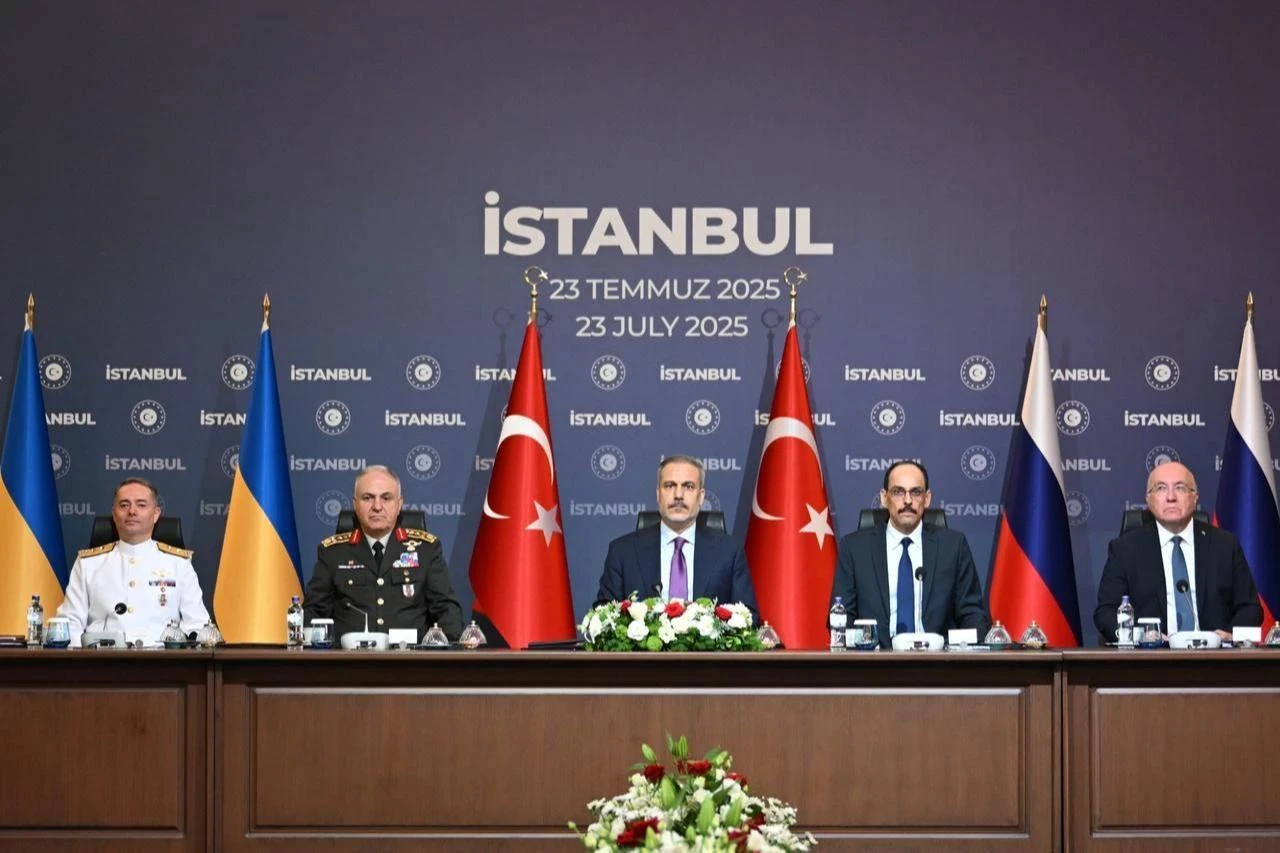

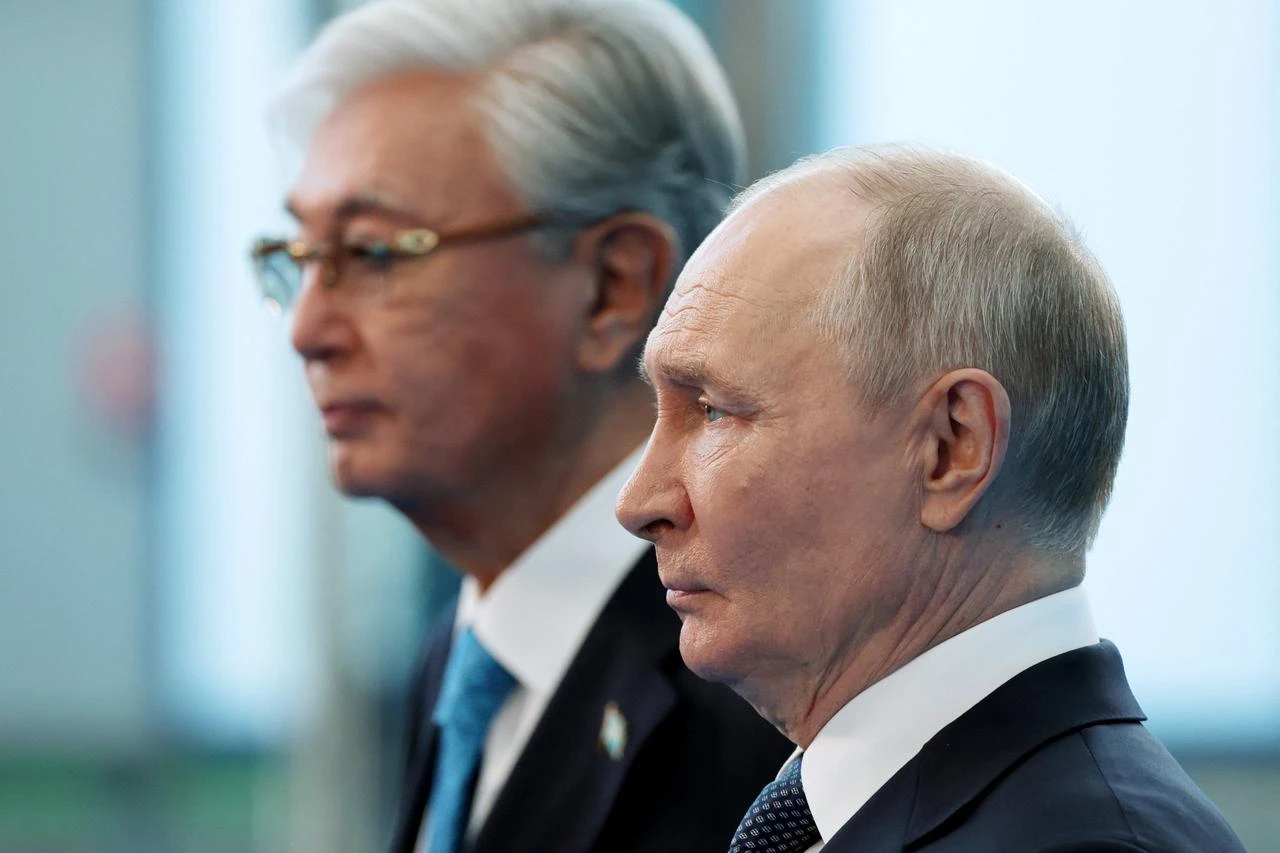
The exchange followed talks between Russian President Vladimir Putin and Tokayev in the Russian city of Omsk earlier Saturday, during which the Kazakhstani leader put forward his proposal. Tokayev suggested the conflict be frozen and negotiations return to what he called the "Istanbul Formula 2.0," a reference to the early-stage peace talks held in Istanbul in 2022 that ultimately collapsed.
"Perhaps this conflict should be frozen," Tokayev said, adding that under guarantees from major powers, including Russia, the parties could "move toward the long-awaited peace."
Peskov said Putin had briefed Tokayev in detail on the progress of what Moscow calls its "special military operation" in Ukraine, a term the Kremlin uses to describe the invasion it launched in February 2022.
The spokesman's remarks underscored Russia's position that any resolution must deliver tangible territorial and political concessions from Kyiv, rather than a simple halt to hostilities along current front lines.
Tokayev's intervention reflects Kazakhstan's delicate position as a close Russian partner that has nonetheless sought to maintain independent foreign policy space since the start of the war.
Nur-Sultan, as Astana was previously known, has refrained from publicly endorsing the invasion and has signaled concern about Western sanctions affecting its own economy.
Tokayev has previously used public forums, including in front of Putin himself, to signal unease with the conflict, making his freeze proposal in Omsk consistent with a broader pattern of cautious mediation signaling from the Central Asian state.


 Set as preferred source
 Set as preferred source


 1 min read
 1 min read