Newsletters


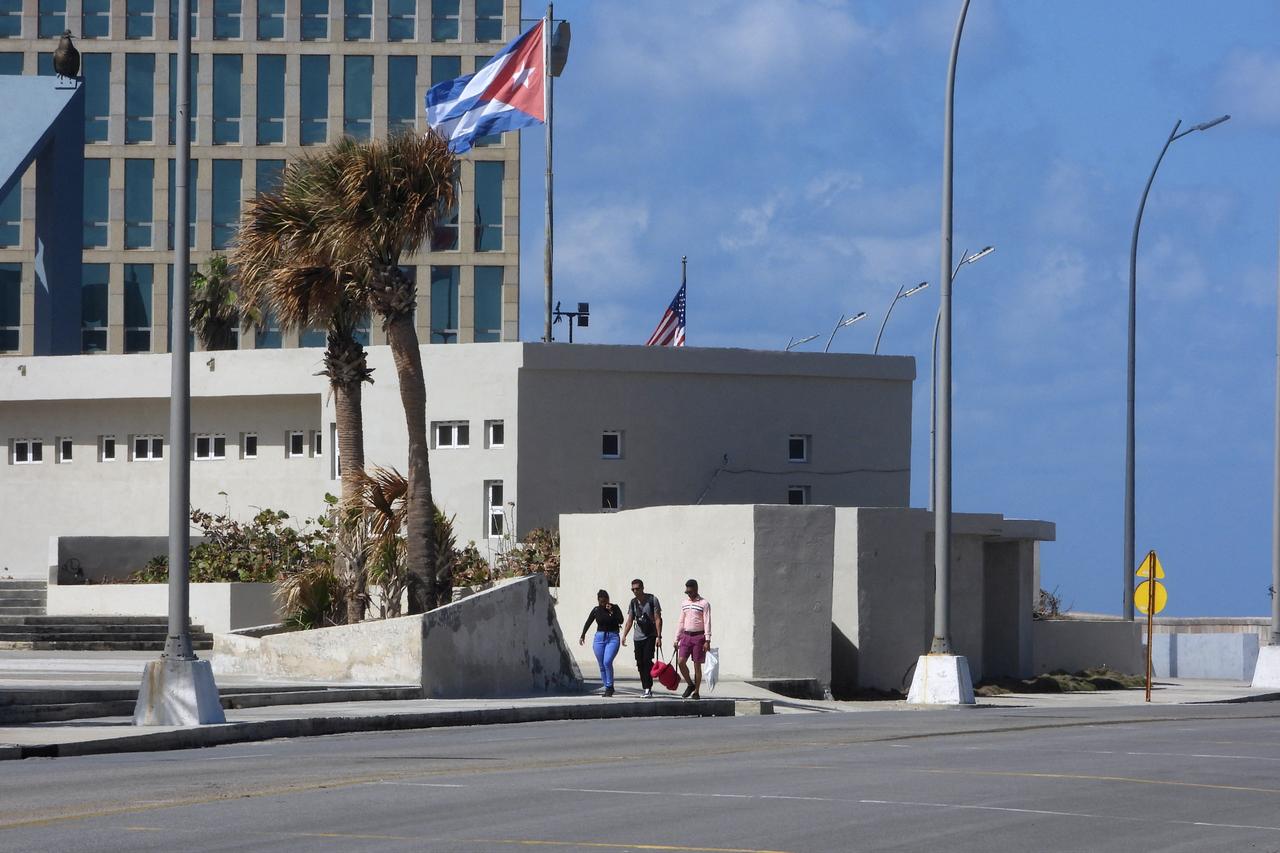


Cuba’s tourism sector reels as fuel shortages and blackouts disrupt daily life, forcing hotel closures and flight cancellations.
Energy supply problems have led to repeated electricity outages lasting several hours, long lines at fuel stations, and suspended airline routes, reducing visitor numbers and straining a sector that provides critical foreign currency income.
Around 30 hotels and resort facilities are being temporarily closed due to weak occupancy levels and fuel rationing measures, according to a document from the Tourism Ministry obtained by AFP. Airlines have also begun canceling regular services due to limited fuel availability.
Multiple governments have issued travel advisories warning against trips to Cuba after the United States tightened long-standing embargo measures and restricted oil flows reaching the island.
Since January, U.S. naval forces have intercepted Venezuelan oil tankers heading to Cuban ports, while Washington has warned other supplier countries, including Mexico, that continued shipments could trigger punitive tariffs.
Some Canadian and Russian airlines have dispatched aircraft without inbound passengers to bring back travelers unable to leave, while other carriers have added refueling stops on outbound routes to manage fuel risk.
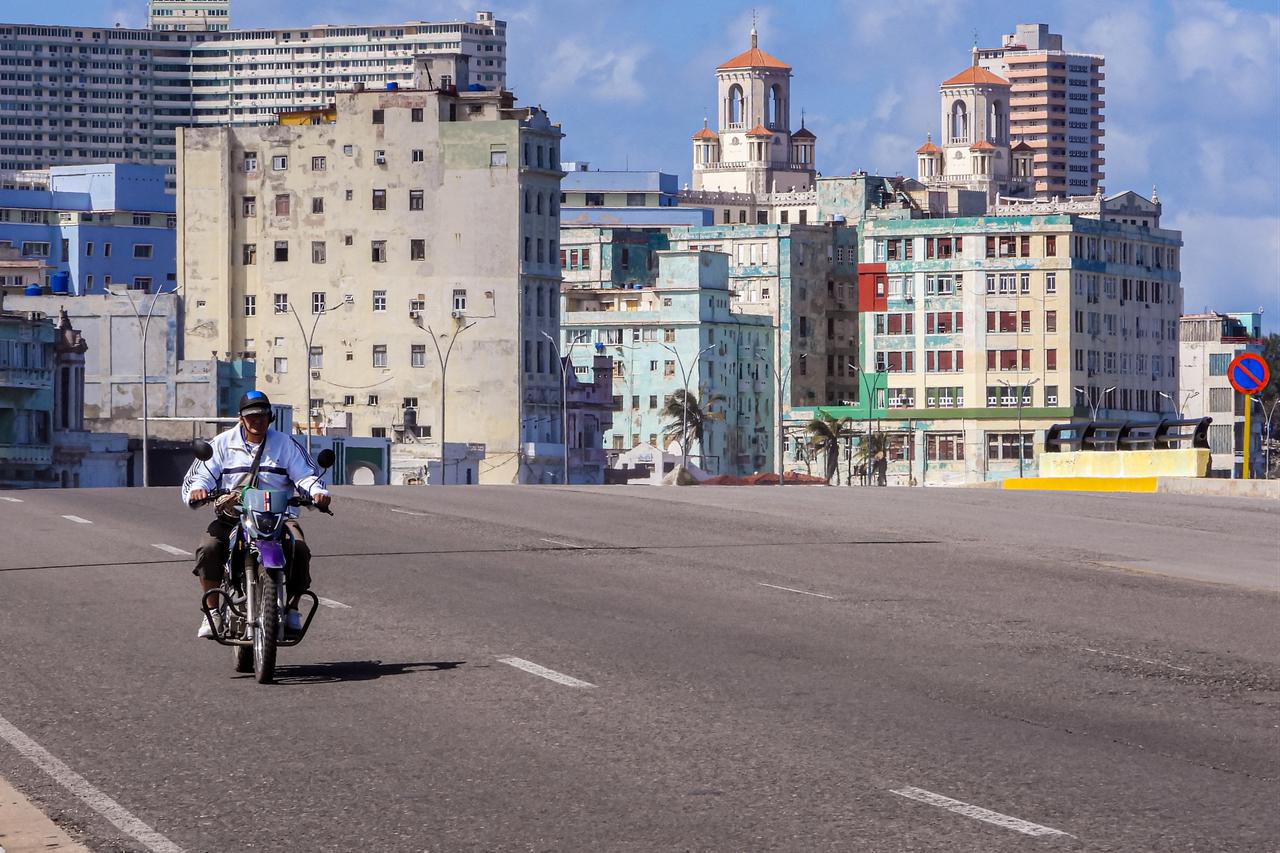

Tourism ranks as Cuba’s second-largest source of foreign currency after overseas medical service programs. Authorities rely on this income to finance imports such as food and fuel.
Roughly 300,000 people depend on tourism-related work, and early signs of impact are visible in major destinations. Sightseeing buses in Havana have been operating with few passengers, and traditional carriage rides have seen limited demand.
The tourism sector had already weakened after the pandemic, with revenue falling 70% between 2019 and 2025.
Cuba, with a population of about 9.6 million, has faced long-running economic strain under the U.S. trade embargo first imposed in 1962. Recent years have brought additional shortages in food and medicine alongside broader financial pressures.
At one point, up to eight Turkish floating power plants were connected to Cuba’s grid, supplying roughly a quarter of national electricity demand and helping offset repeated outages. Most of those vessels have since withdrawn, and by mid-2025, only one unit remained off Havana with far lower generating capacity.
Meanwhile, two Mexican navy ships reached Cuba on Thursday carrying more than 800 tons of humanitarian aid, including milk, meat, beans, rice and hygiene products, the country’s foreign ministry said. Mexico has become the island’s main crude supplier since Venezuelan deliveries stopped in December under U.S. enforcement measures.


 Set as preferred source
 Set as preferred source


 1 min read
 1 min read