Newsletters


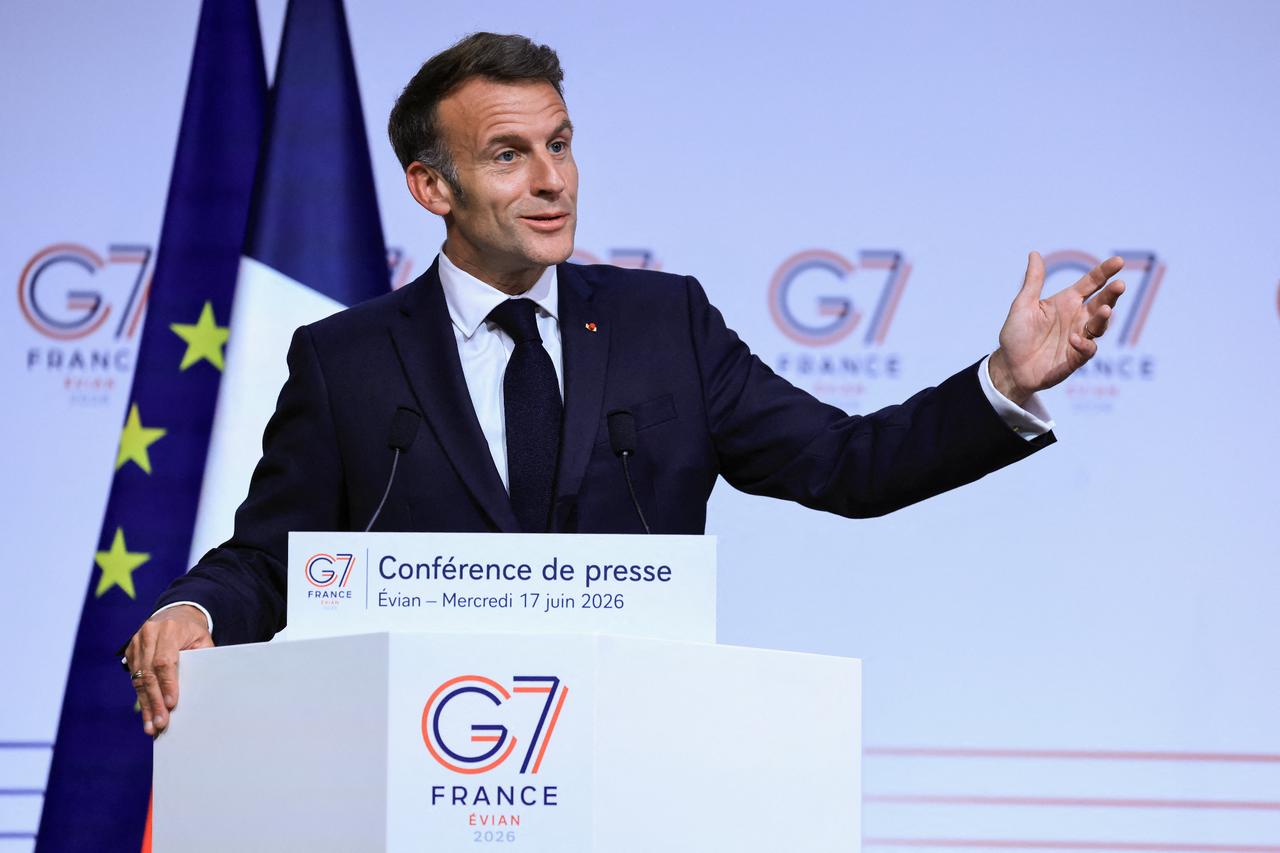


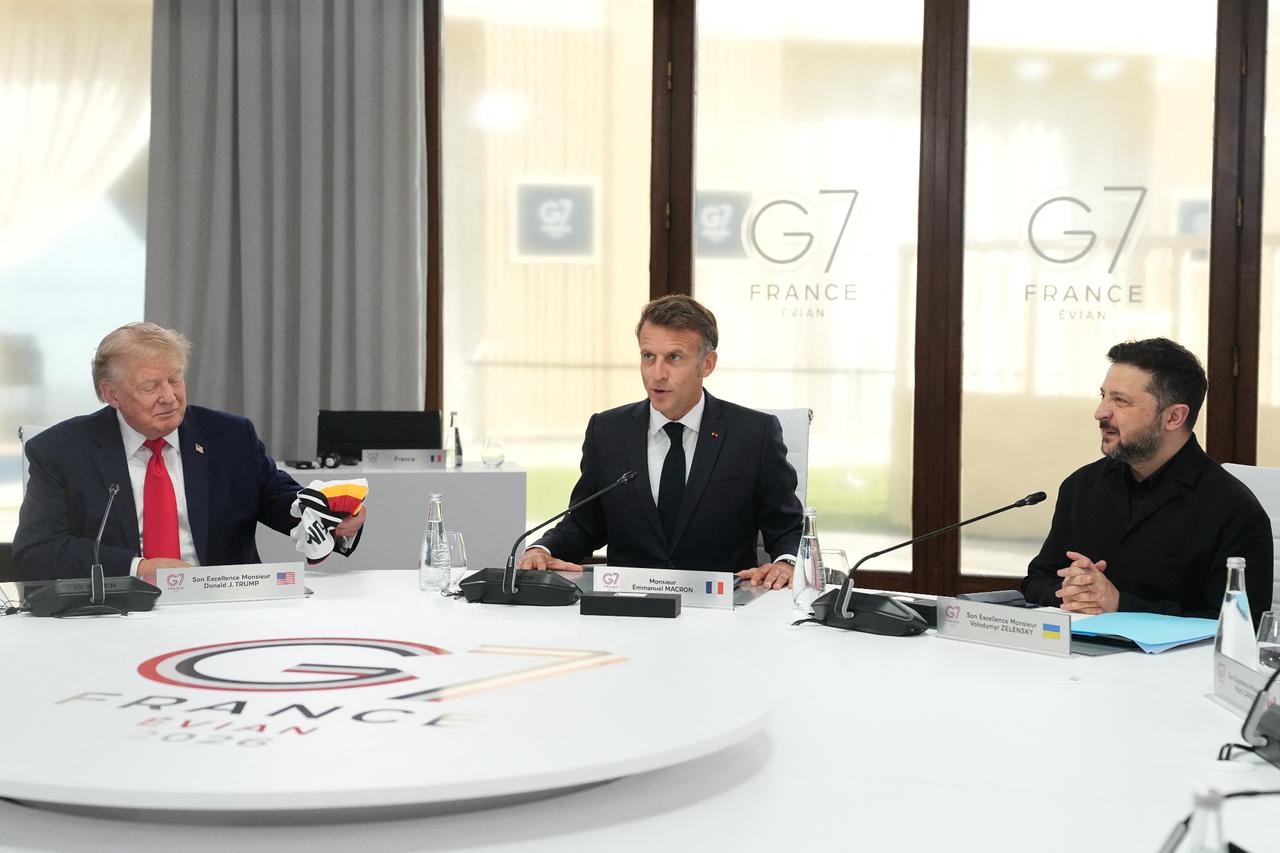
France, French President Emmanuel Macron closed the Group of Seven leaders summit in Evian-les-Bains on Wednesday by declaring it a genuine diplomatic success, saying the bloc had achieved its strongest-ever consensus on support for Ukraine and signed nine joint declarations across a range of global challenges, from artificial intelligence to the conflict in the Middle East.
Speaking at a closing press conference, Macron said the summit, held against a backdrop of global conflict and deepening geopolitical fractures, had demonstrated both the depth of deliberation possible within the forum and the group's capacity for unity.
He called the G7's renewed mobilization to increase pressure on Russia of considerable importance. Leaders agreed to ramp up sanctions on the Russian war economy, including on Moscow's fossil fuel revenues, and to bolster Ukraine's air defense and long-range military capabilities.
On Ukraine specifically, Macron was unambiguous: "For the first time within the G7, we achieved such a great degree of alignment and, for the first time, we reached such clear results. Because we know there can be disagreements or differences within the G7. So, I think this is real progress."
Macron pointed to months of stalled American mediation efforts as the catalyst for a more assertive European posture. Noting that U.S. President Donald Trump had taken the initiative on Russia-Ukraine diplomacy months ago, Macron said Russia's response had been, in effect, nothing.
With Ukrainian President Volodymyr Zelenskyy having declared his readiness for direct talks with Russian President Vladimir Putin, Macron said European leaders were now moving to fill the vacuum: "We Europeans are organizing ourselves and will negotiate with Russia."
The G7 has met without Russia since 2014, when Moscow was expelled following its annexation of Crimea. The bloc has since served as a primary coordinating forum for Western economic and military support to Ukraine after Russia's full-scale invasion in February 2022.
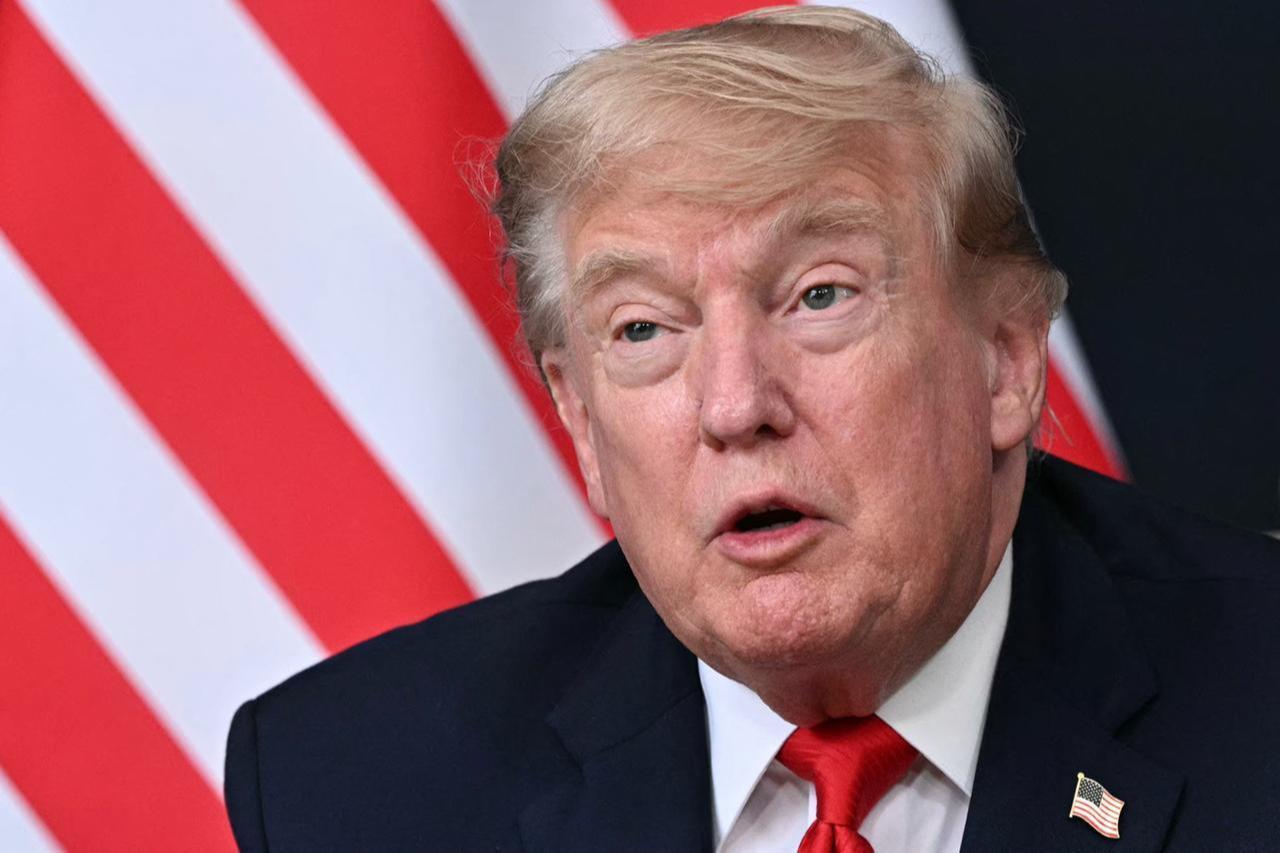

Macron pushed back sharply against President Trump's threat to impose new tariffs on French wines and champagnes if France did not remove its digital services tax targeting U.S. technology companies.
"Under no circumstances should partners impose tariffs on each other," Macron said flatly. He nonetheless struck a conciliatory personal tone toward Trump, saying he had always trusted the U.S. president because of their candid exchanges, and that Trump had consistently honored his commitments.
Trade tensions between Washington and its allies have been a recurring fault line within the G7 since Trump's first term, with digital taxation among the most persistent flashpoints.
Macron also pushed back against characterizations of the summit as a coordinated front against Beijing, dismissing the framing as unacceptable. "This G7 was never anti-China.
Because this is not France's position," he said, while acknowledging that differences exist with China on democratic values. He added that France's approach remained one of mutual respect.
The comments reflect a long-standing French preference for strategic autonomy in relations with China, distinct from the harder line favored by some other G7 members.
On artificial intelligence, Macron said G7 nations had agreed to work toward common standards and to build an international platform for democratic debate and cooperation on AI risks.
He acknowledged that the Trump administration's decision to restrict access to U.S.-developed AI models, including those from Anthropic, by foreign governments and individuals was motivated by "nationalist" logic, but said it carried one useful implication: an acknowledgment that AI can be dangerous.
Macron said he intended to push AI governance efforts at the European level while stressing the need for broader international consensus.
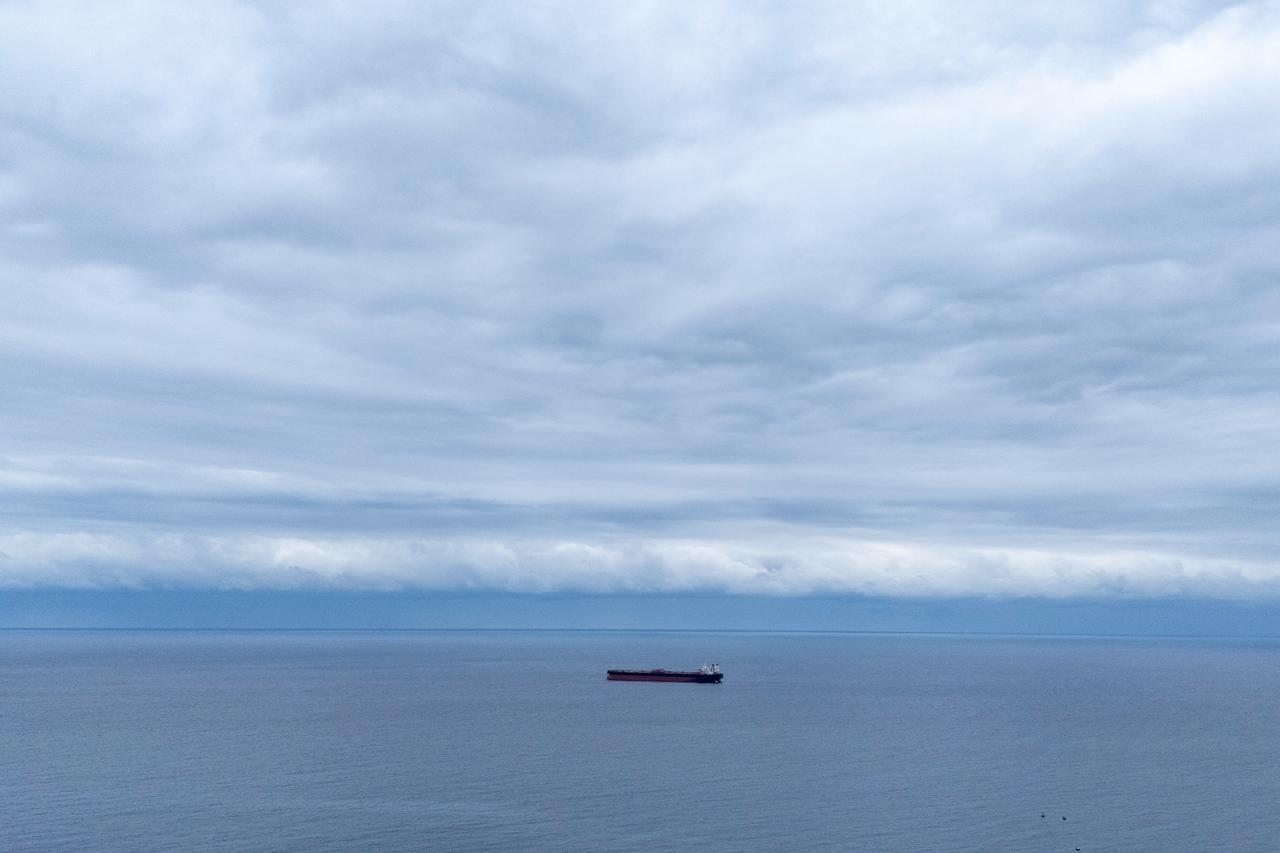
On Iran, Macron described the U.S.-Iran agreement as "a very good deal" and said the coalition he and the United Kingdom had helped lead to ensure freedom of navigation through the Strait of Hormuz stood ready to act swiftly if needed, contingent on agreements among Iran, the United States and Oman. G7 nations also agreed to diversify energy supply chains to reduce dependence on the strait.
Regarding Lebanon, Macron said leaders had agreed on the need to preserve the country's territorial integrity and sovereignty in the face of ongoing Israeli military operations. On Gaza, the group called for accelerated humanitarian access, faster reconstruction efforts, and an end to violence in the occupied West Bank.


 Set as preferred source
 Set as preferred source


 1 min read
 1 min read