Newsletters


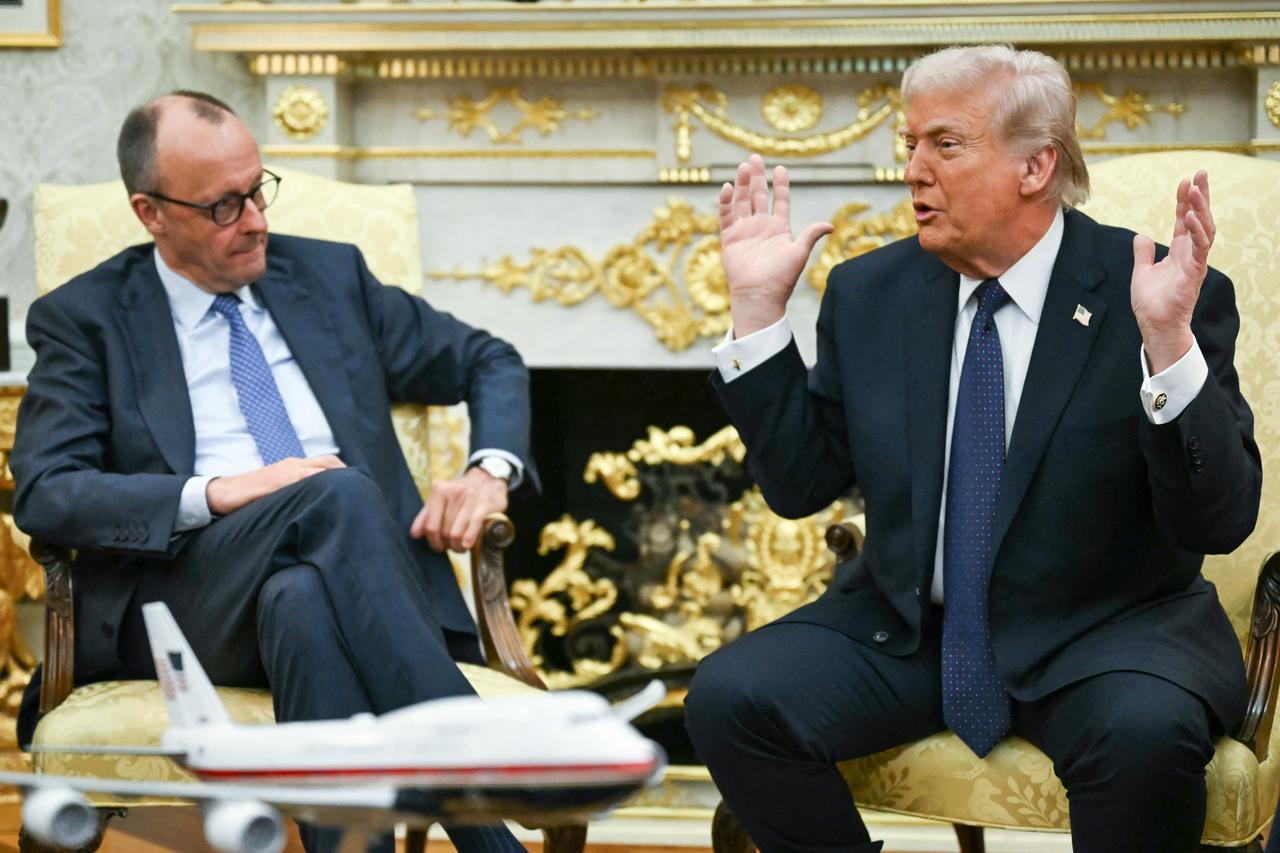


President Donald Trump said Tuesday he was surprised that Iran had directed retaliatory strikes against countries he described as neutral or "somewhat friendly" toward Tehran, calling the targeting of civilian sites such as hotels and apartment buildings evidence of "the level of evil that we're dealing with."
Speaking from the Oval Office during a bilateral meeting with German Chancellor Friedrich Merz, the first European leader to visit Washington since the US-Israeli campaign against Iran began, Trump said the countries targeted by Iran had themselves been caught off guard. "Amazingly, they're hitting countries that were, you know, let's call them neutral, right? They lived together for a long time. I think they were surprised. I was surprised," he said, adding that those nations were now "fighting strongly" against Tehran.
The remarks came as Iranian missiles and drones continued to pummel Gulf states for a fourth consecutive day, with Trump offering his most sweeping assessment yet of the damage inflicted on Iran, confirming new strikes targeting Iranian leadership and pushing back against suggestions that Israel had drawn the United States into the conflict.
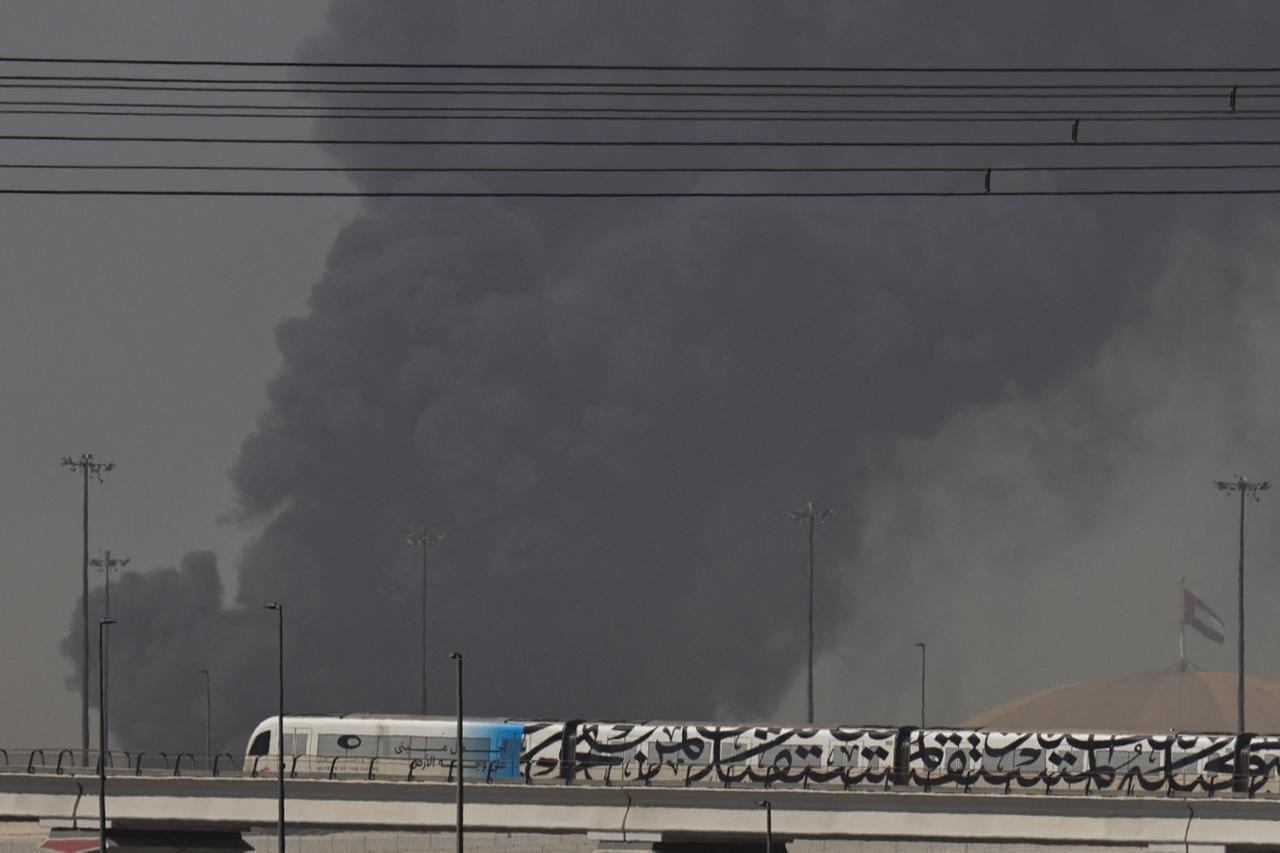

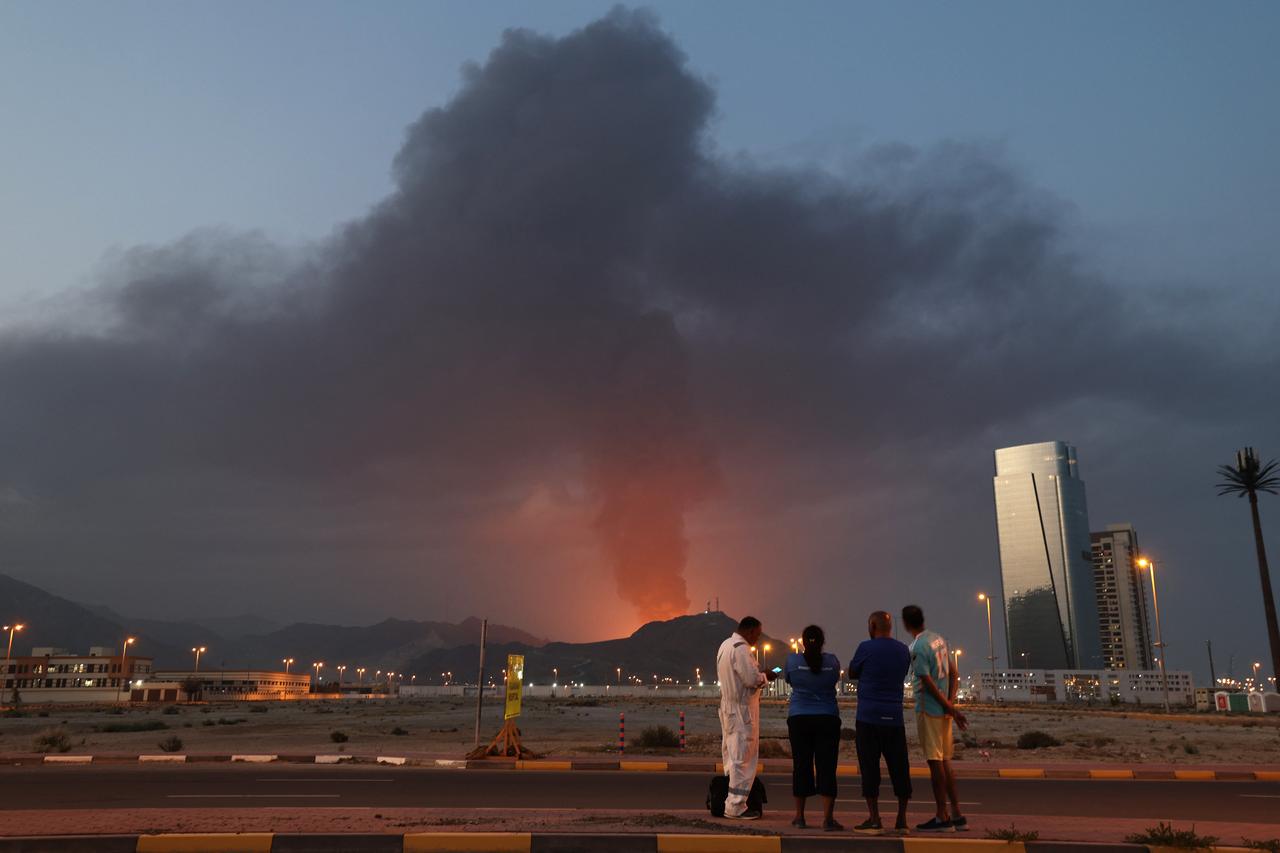
Hours before Trump spoke, residents across Dubai, Abu Dhabi, Kuwait and Doha reported simultaneous loud explosions as regional air defenses scrambled to intercept incoming fire and military forces across the UAE and Qatar were placed on high alert.
Iran on Tuesday dramatically widened its campaign, striking the US Embassy in Riyadh with two drones and attacking the US Embassy in Kuwait, which was subsequently shut. Amazon Web Services disclosed that two of its data centers in the UAE had been directly struck, while a facility in Bahrain was damaged by a nearby hit.
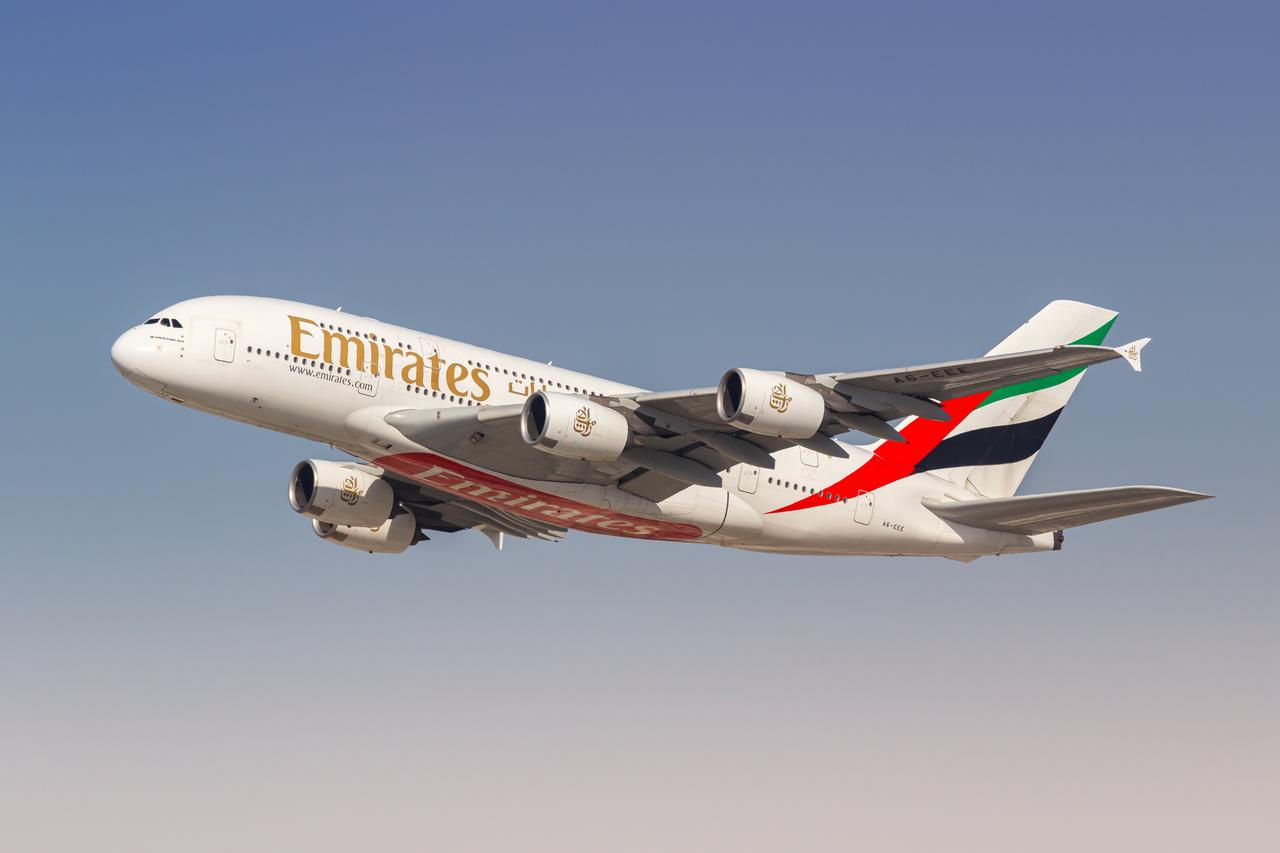
Since the joint US-Israeli campaign began on February 28, killing Supreme Leader Ali Khamenei and dozens of senior officials, Iranian missiles and drones have struck Dubai International Airport, the world's busiest hub for international travel; the Fairmont hotel on Palm Jumeirah; the iconic Burj Al Arab; Kuwait International Airport; and residential towers in Bahrain's capital, Manama.
IQatar's air force shot down two Iranian Su-24 fighter jets approaching its territory on Monday, while QatarEnergy, the world's largest LNG producer, halted production at its Ras Laffan and Mesaieed facilities after drone strikes, sending European natural gas prices surging nearly 50 percent. Six US service members have been killed in action at a tactical operations center in Kuwait, and 18 others have been seriously wounded.
Iran's Revolutionary Guards warned the attacks would intensify. "The gates of hell will open more and more," spokesman Brigadier General Ali-Mohammad Naeini told state television. The Gulf Cooperation Council states, none of which sought this confrontation, have reserved the right to respond, warning in a joint statement they "will take all necessary measures to defend their security and stability." The UAE has recalled its ambassador from Tehran and closed its embassy.
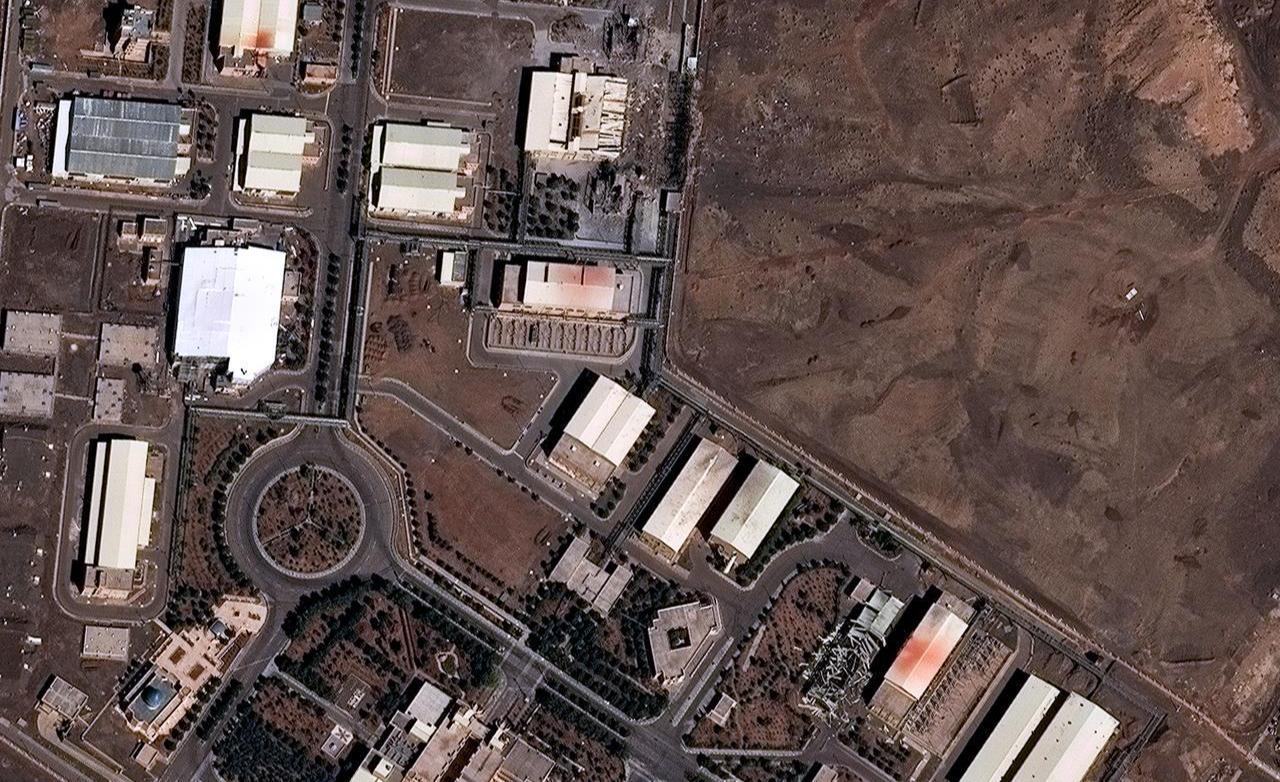
Trump painted a picture of a devastated Iranian military apparatus, asserting that the country's defense systems had been systematically dismantled. "They have no navy. It's been knocked out. They have no air force. It's been knocked out. They have no air detection, that's been knocked out. Their radar has been knocked out. And just about everything's been knocked out," he said.
The president also confirmed that fresh strikes had been carried out against Iranian leadership on Tuesday, describing the impact as "pretty substantial," though he declined to identify specific targets or provide casualty figures. The latest attacks follow an initial barrage of missiles over the weekend that US officials say killed 49 Iranian officials, including Khamenei. The Israeli Air Force also destroyed the building housing Iran's Assembly of Experts in the holy city of Qom on Tuesday, targeting the 88-member clerical body responsible for selecting a supreme leader.
Trump praised the military operation broadly, saying the US and Israel had achieved "a very, very powerful impact" and that Iran's missile stockpiles were rapidly diminishing. US Central Command has said it struck more than 1,000 targets since operations began, including Revolutionary Guards headquarters and Iranian navy submarines.
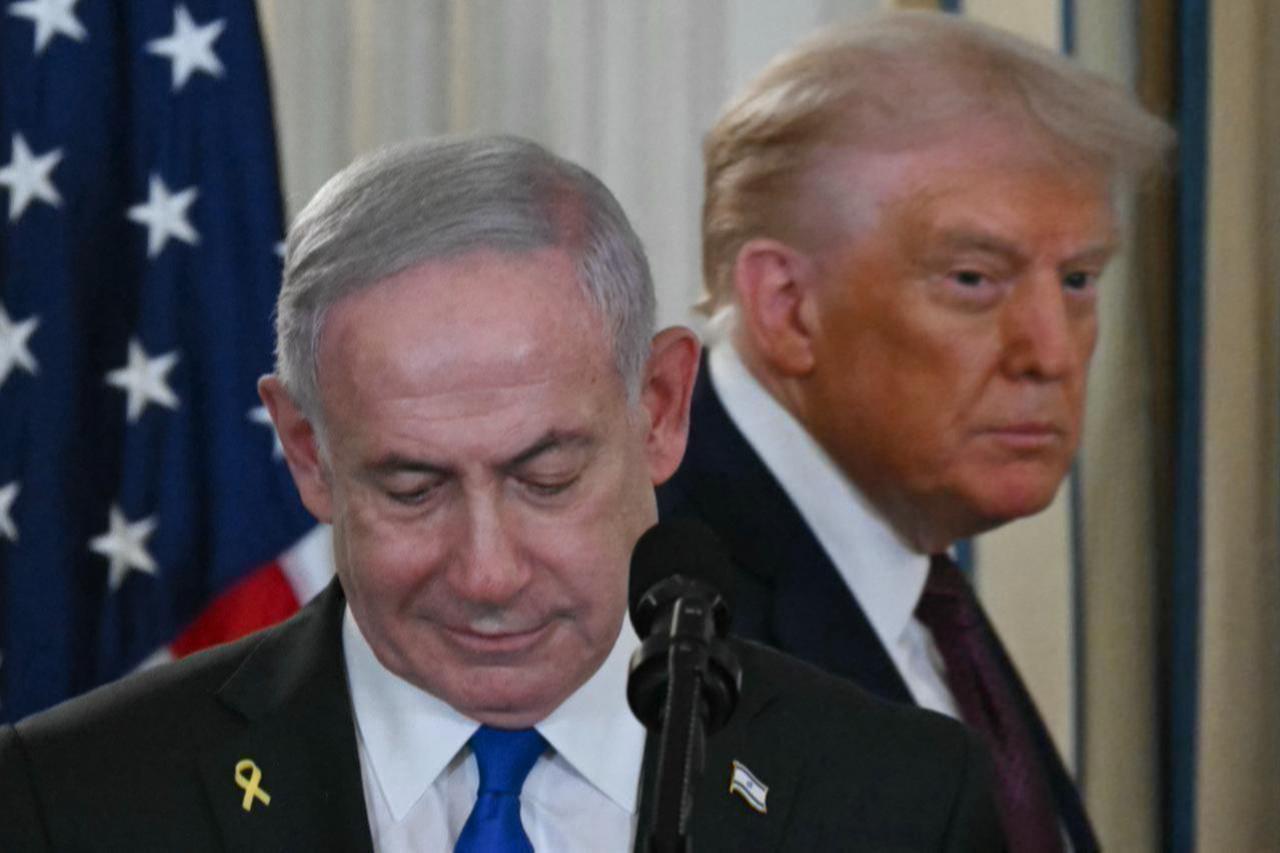
Trump pushed back firmly against a narrative, advanced just a day earlier by Secretary of State Marco Rubio, that the US had launched its strikes in part because Israel appeared poised to act unilaterally. Trump reversed the framing entirely, asserting that Washington had driven the decision.
"If anything, I might have forced Israel's hand, but Israel was ready, and we were ready," Trump said. He also claimed Iran itself had been preparing to strike first, saying, "They were going to attack if we didn't do it."
The contrast between the president's account and that of his top diplomat underscored the administration's evolving and at times contradictory explanations for the offensive, which officials have at various points attributed to an imminent threat to the United States, the need to prevent Iran from acquiring nuclear weapons and the goal of empowering the Iranian people.
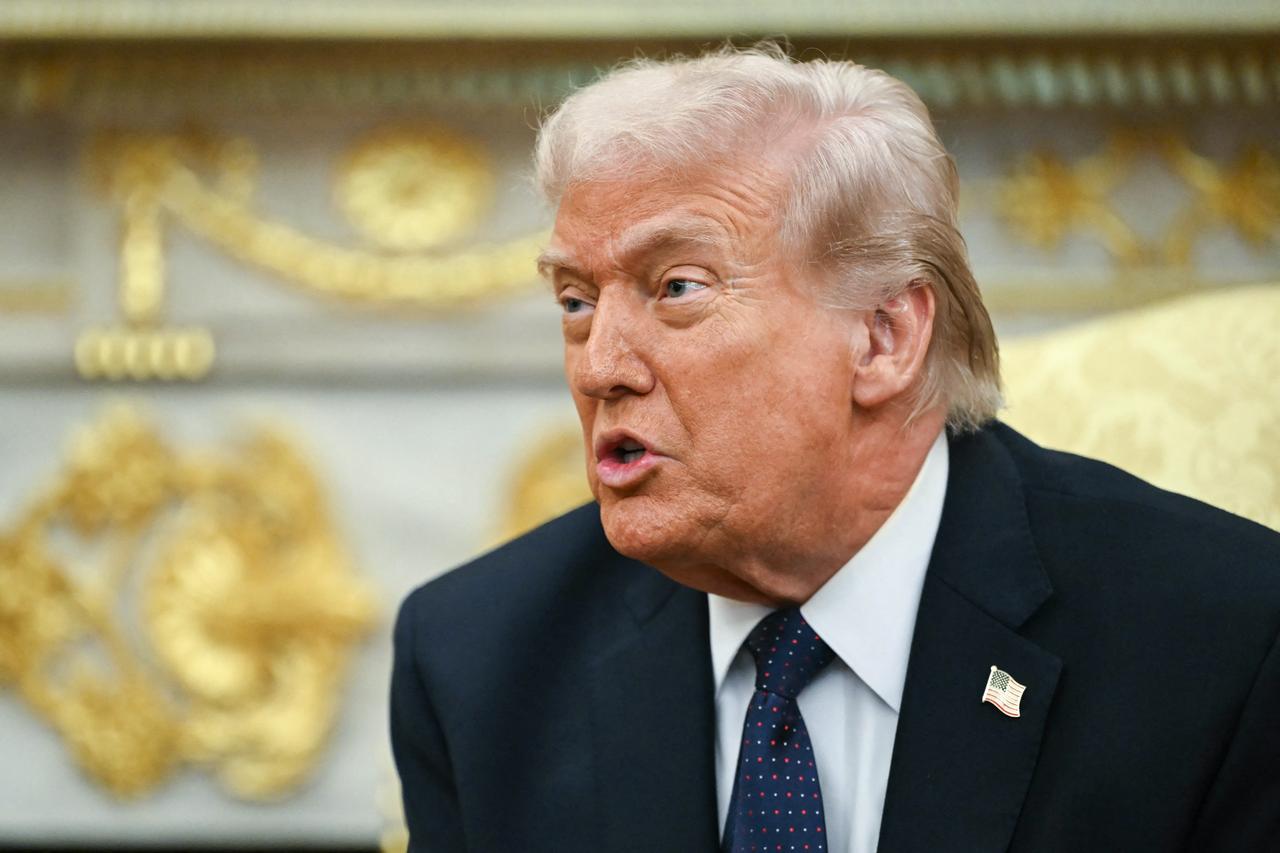
On the domestic front, Trump said defense manufacturers were operating under emergency authorities to accelerate weapons production. While acknowledging that significant quantities of high-end munitions had been sent to Ukraine, he insisted the US possessed "unlimited middle and upper ammunition" and maintained substantial reserves of advanced weaponry stored across the globe. "The defense companies are on a rapid tear to build the various things we need. They're under emergency orders," he told Politico.
Looking beyond the immediate military campaign, Trump offered his most candid remarks yet about what a post-Khamenei Iran might look like, while stopping short of explicitly calling for regime change.
He acknowledged that the worst-case outcome would be a successor "as bad as the previous person," and noted that some candidates the administration had considered for leadership were now dead. "Pretty soon, we're not going to know anybody," he said. He suggested a leader emerging from within Iran might be "more appropriate," adding, "We have people, more moderate."
 3 min read
Merz, the first European leader to visit Trump since the campaign against Iran began, offered strong rhetorical support, telling reporters, "We are on the same page in terms of getting this terrible regime in Tehran away." He expressed hope that the military operations would bring the conflict to a swift conclusion, saying he looked forward to discussing "the day after" with Trump, including the prospect of a new Iranian government committed to "peace and freedom." The two leaders were also expected to discuss a potential US-Germany trade agreement and the war in Ukraine.
The warm reception for Merz stood in sharp contrast to Trump's pointed criticism of British Prime Minister Keir Starmer. Although the United Kingdom has allowed US forces to use British bases, London has not joined the military campaign directly. Trump said logistical delays in arranging use of UK facilities had frustrated him. "It's taken three, four days for us to work out where we can land," he said, adding dismissively, "This is not Winston Churchill that we're dealing with."


 Set as preferred source
 Set as preferred source


 1 min read