Newsletters


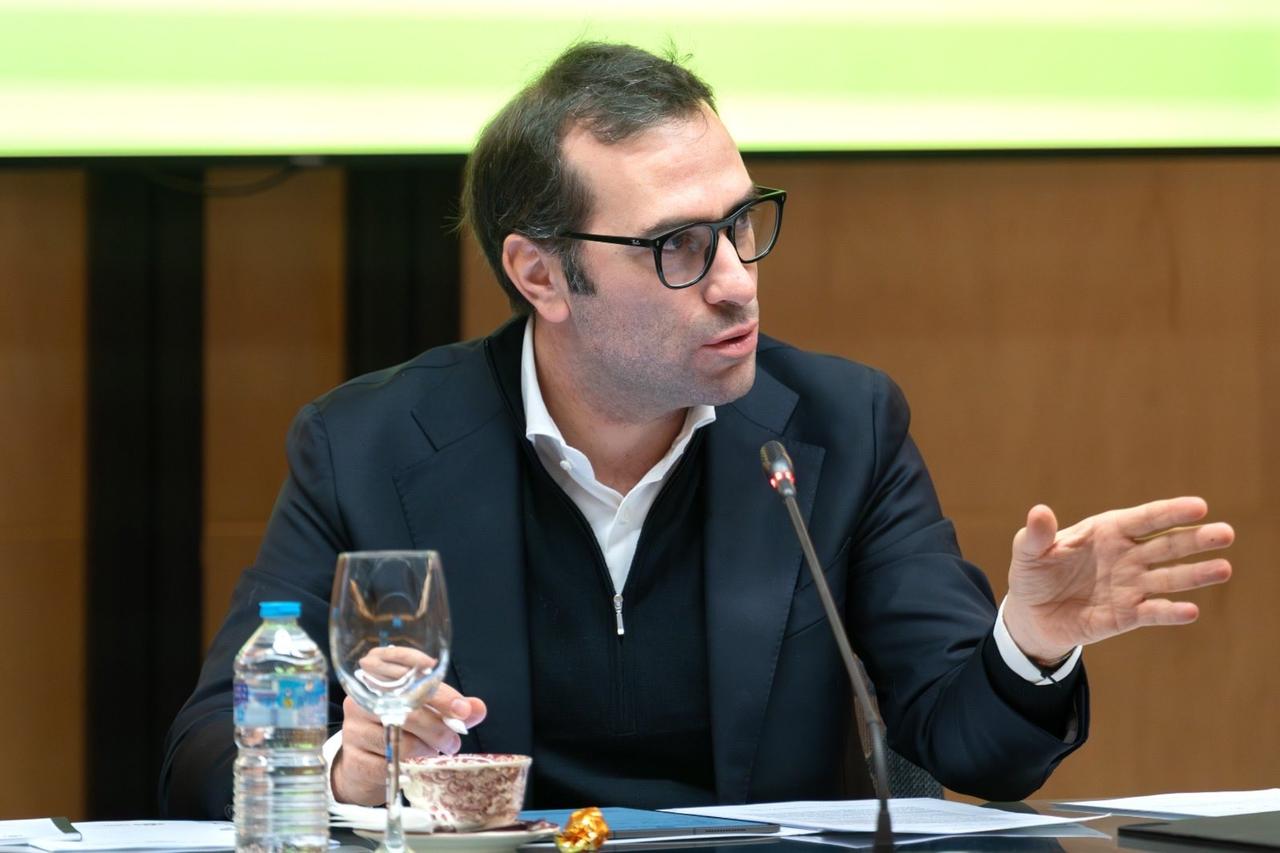


Spanish Economy Minister Carlos Cuerpo said migration continues to offer economic benefits for the European Union, despite political debates being shaped by misleading narratives amplified on social media.
Speaking to Euronews’ 12 Minutes With program, Cuerpo said public discussions on migration have increasingly diverged from data, allowing distorted perceptions to dominate political discourse.
Cuerpo said migration debates can at times take on a racist tone and stressed the need to counter political slogans with evidence.
He pointed to Spain as an example, saying migration has had a positive economic impact both in absolute terms and on a per-capita basis.
Spain is currently one of the fastest-growing economies in the eurozone, with growth projected at 2.9% in 2025; nearly three times the combined growth rates of Germany, France and Italy.
A study published earlier this year by the Bank of Spain found that foreign-born workers contributed between 0.4 and 0.7 percentage points, averaging 2.9%, to Spain’s per-capita gross domestic product between 2022 and 2024.
Migration has become a contentious issue across the EU, which is facing an aging population and labor shortages while also seeing political pressure for tougher measures against irregular migration.
Conservative and far-right parties have called for faster deportations of those without legal status and stricter oversight of asylum and family reunification applications.
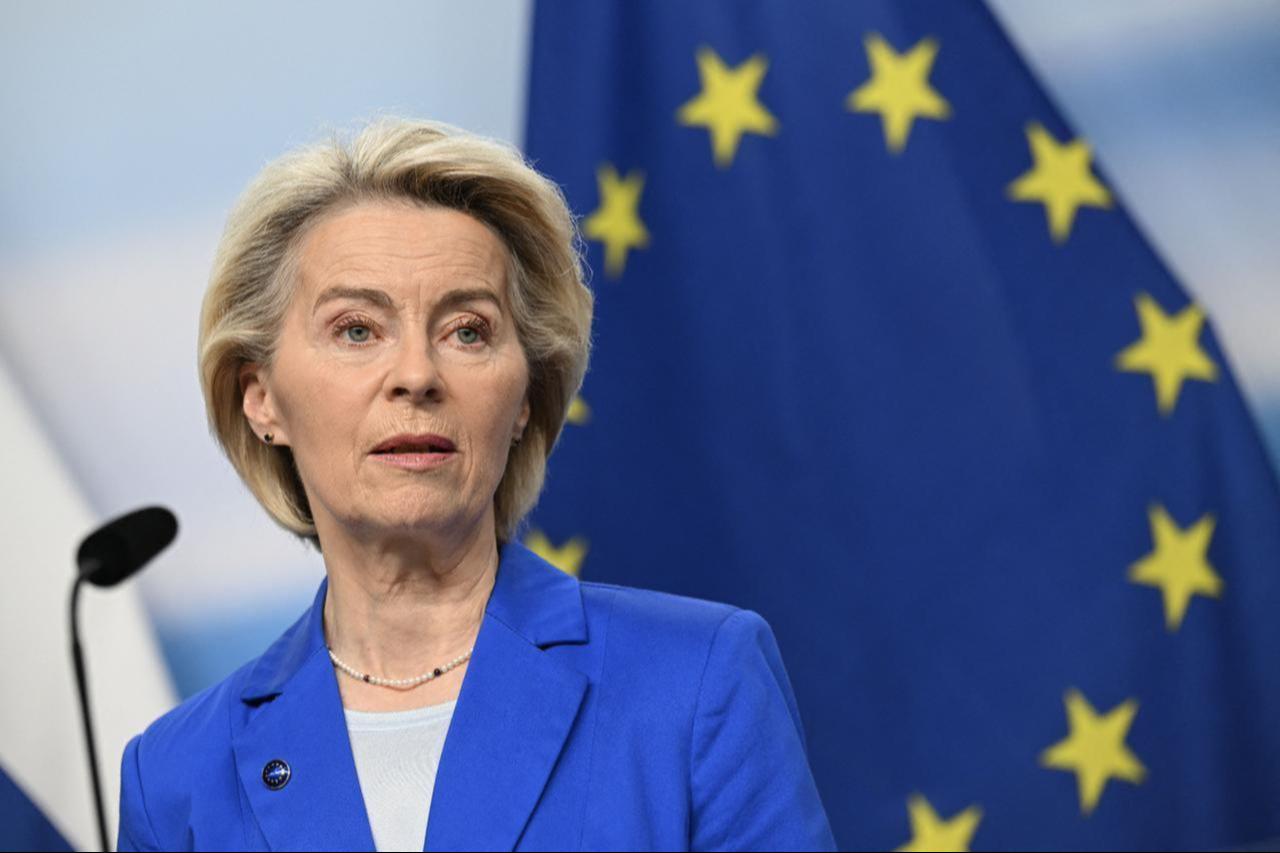
Earlier this week, European Commission President Ursula von der Leyen, backed by the European People’s Party and Germany’s CDU, said decisions on who enters Europe and under what conditions should be made by Europeans, adding that the EU would introduce a new sanctions mechanism targeting human smugglers.

Cuerpo said legal and irregular migration are often conflated in political rhetoric, contributing to public misunderstanding.
He cited a survey in Spain showing respondents believed both the number of migrants and the share receiving state aid were about twice their actual levels.
“There is a clear disconnect between data and perception,” Cuerpo said, calling for greater emphasis on integration policies.
Earlier this week, EU interior ministers agreed to a broad review of migration rules that would allow the establishment of return centers outside the EU for migrants, regardless of whether those countries are countries of origin or transit.
Cuerpo, who has served as Spain’s economy minister since 2024, said Spain’s government, one of the few progressive administrations currently in power in the EU, aims to demonstrate a different political approach.
“There is a strong case for sending a positive message about issues that have been turned into something negative,” he said. “Migration is one of them.”


 Set as preferred source
 Set as preferred source



 4 min read